

There’s a lot to consider when it comes to planning your event photography coverage, from selecting the right photographer to defining your shot list. This guide will walk you through each important step to ensure that your event is captured beautifully and effectively. With practical tips and expert insights, you’ll be equipped to make informed decisions that align with your vision, ensuring your memories are preserved for years to come.
Understanding Event Photography
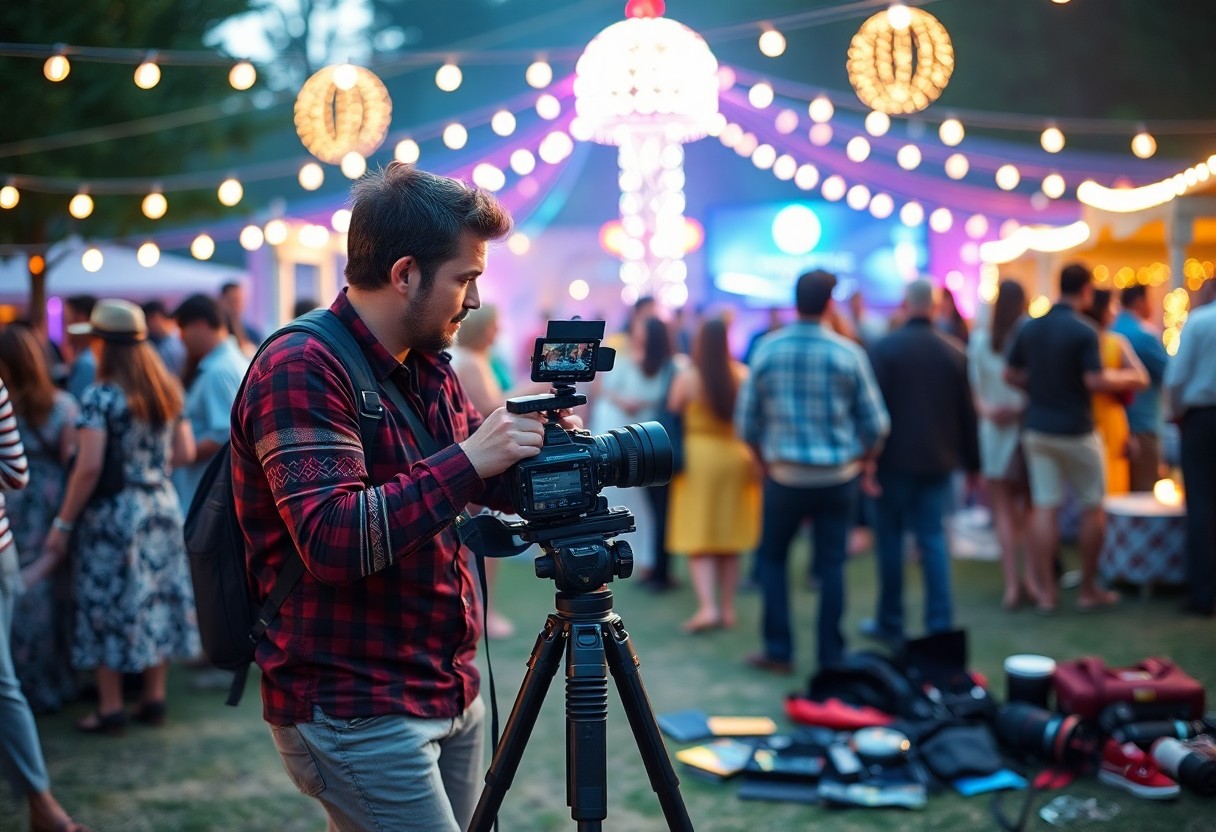
For anyone looking to capture the essence of an event, understanding event photography is vital. This genre involves documenting various gatherings through dynamic imagery, preserving the spirit, emotions, and atmosphere of the day. It spans from corporate events to weddings, each requiring a specific approach and skill set to ensure your photography meets the expectations of your clients and attendees.
Types of Event Photography
- Weddings
- Corporate Events
- Concerts and Festivals
- Sporting Events
- Private Parties
The different types of event photography each entail unique considerations, styles, and techniques that influence how you capture the moments that matter most.
| Event Type | Unique Aspects |
| Weddings | Focus on emotions and storytelling |
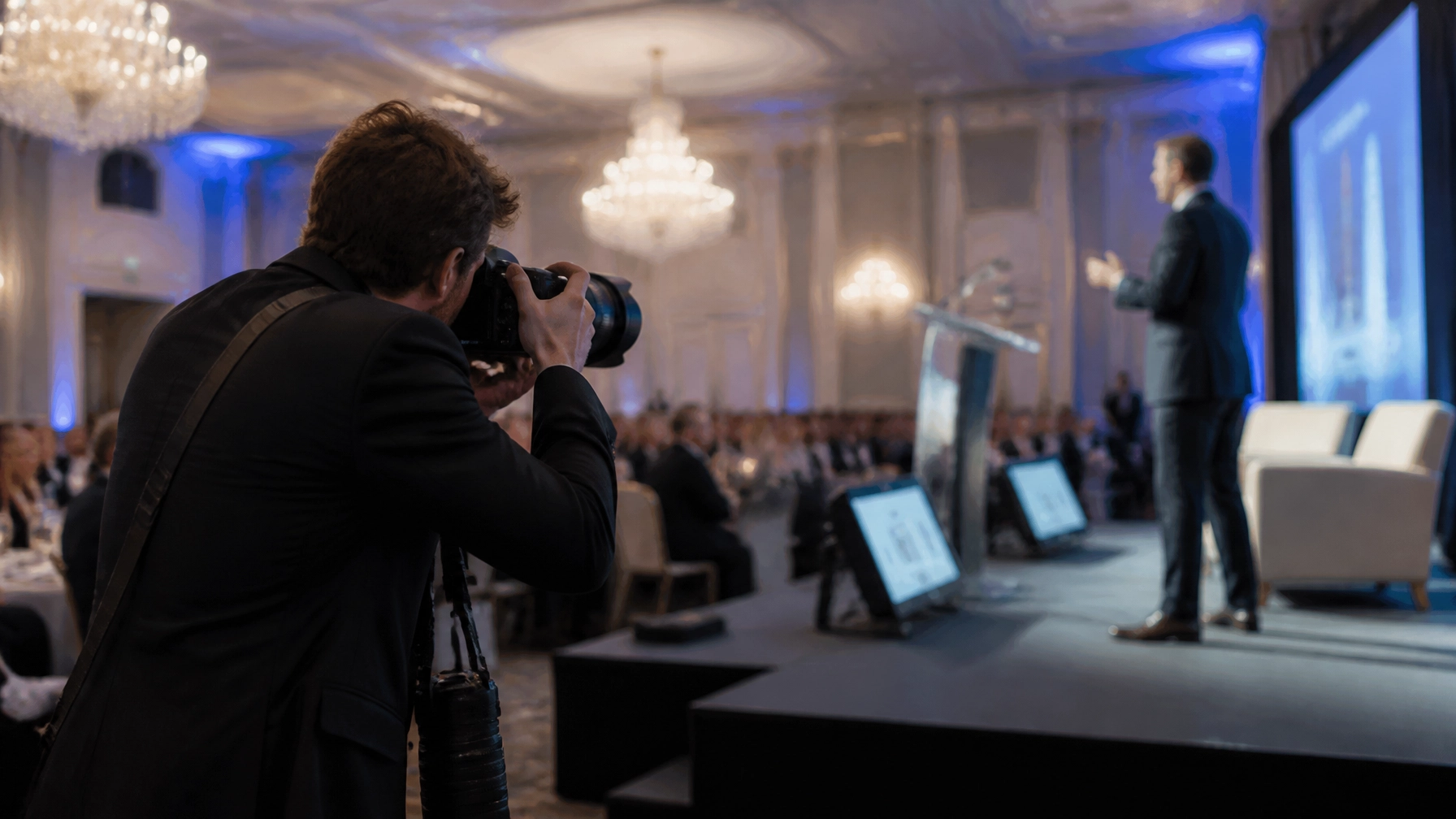
| Corporate Events | Professional ambiance and branding |
| Concerts | Dramatic lighting and action shots |
| Sporting Events | Timeliness and dynamic compositions |
Factors to Consider
An vital part of event photography planning is assessing various factors that can affect your coverage. These include venue size, lighting conditions, and the event’s timeline. You’ll want to ensure you capture all the important moments while also staying adaptable to changes as they occur.
- Venue and layout
- Lighting conditions
- Guest interactions
- Event timelines
- Special moments to capture
Understanding these factors shape how you prepare for an event, ultimately enabling you to deliver quality photography that resonates with your audience. Paying close attention to your environment, timing, and the dynamics will help you elevate your work.
- Venue setup and restrictions
- Your photography style
- Equipment necessities
- Number of attendees
- Event expectations and objectives
It’s also important to consider equipment preferences and potential barriers when photographing live events. They play a significant role in how your final images will appear and the overall experience for your subjects.
Planning Your Coverage
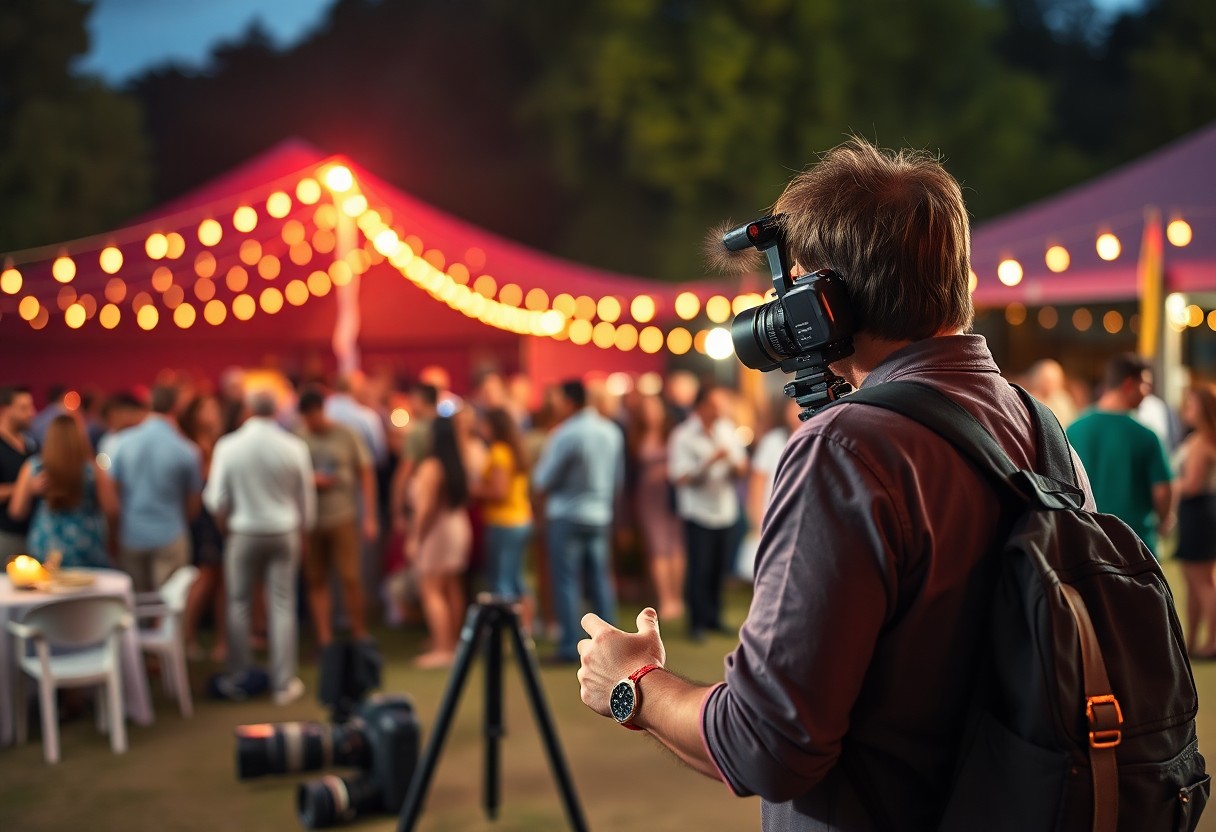
There’s a lot to consider when planning your event photography coverage. Assessing the scope of your event and ensuring that your photographer captures every important moment is vital. This means not only identifying key milestones but also understanding the environment and flow of the event, allowing for strategic positioning of the photographer throughout the day.
Step-by-Step Planning Guide
Now, let’s break down the planning process into manageable steps:
| Step | Description |
| 1 | Identify key moments to capture. |
| 2 | Choose locations with good lighting. |
| 3 | Discuss timelines with your photographer. |
| 4 | Consider additional photographers for large events. |
| 5 | Prepare a shot list of specific requests. |
Essential Tips for Success
While planning, you should stay organized to ensure everything goes smoothly. Here are a few imperative tips for success:
- Communicate openly with your photographer.
- Conduct a venue walk-through beforehand.
- Be mindful of your photographer’s style and approach.
After implementing these tips, your event photography coverage will be well-prepared, allowing for seamless capturing of memories.
Step-by-step planning will not only enhance your event’s overall experience but keep your photography team aligned with your vision. Consider these additional recommendations:
- Make a flexible schedule that accommodates your photographer’s needs.
- Encourage guests to engage naturally without posing too much.
- Allow for creative freedom, as photographers often capture the best moments unpredictably.
After these considerations, you will boost the likelihood of captivating images that truly reflect your event’s spirit.
Pros and Cons of Different Approaches
Any event photographer approach has strengths and weaknesses that can affect your overall experience and outcome. It’s crucial to weigh these pros and cons so you can make an informed decision tailored to your event’s needs.
| Pros | Cons |
|---|---|
| High-quality images | Higher costs |
| Professional expertise | Limited availability |
| Creative vision | Potential communication barriers |
| Experience with varied events | Dependent on a single person’s skills |
| Post-editing options | Time-consuming process |
Benefits of Professional Event Photography
To ensure that your event is captured in the best possible light, hiring a professional photographer delivers exceptional quality and artistry. Their expertise allows them to anticipate key moments, utilize advanced equipment, and provide a polished final product that can be cherished for years to come.
Drawbacks to Consider
Professional event photography can come with some challenges that you should keep in mind.
It’s crucial to consider the cost associated with hiring a professional photographer, as their services can be a significant investment. Additionally, you may face scheduling conflicts or limited availability during peak seasons. Communication styles may differ, which can lead to misunderstandings regarding your specific needs. Furthermore, the reliance on a single photographer can be risky; if they face unforeseen circumstances, your coverage could be compromised. Balancing these potential drawbacks with the benefits will help you make the best decision for your event.
Summing up
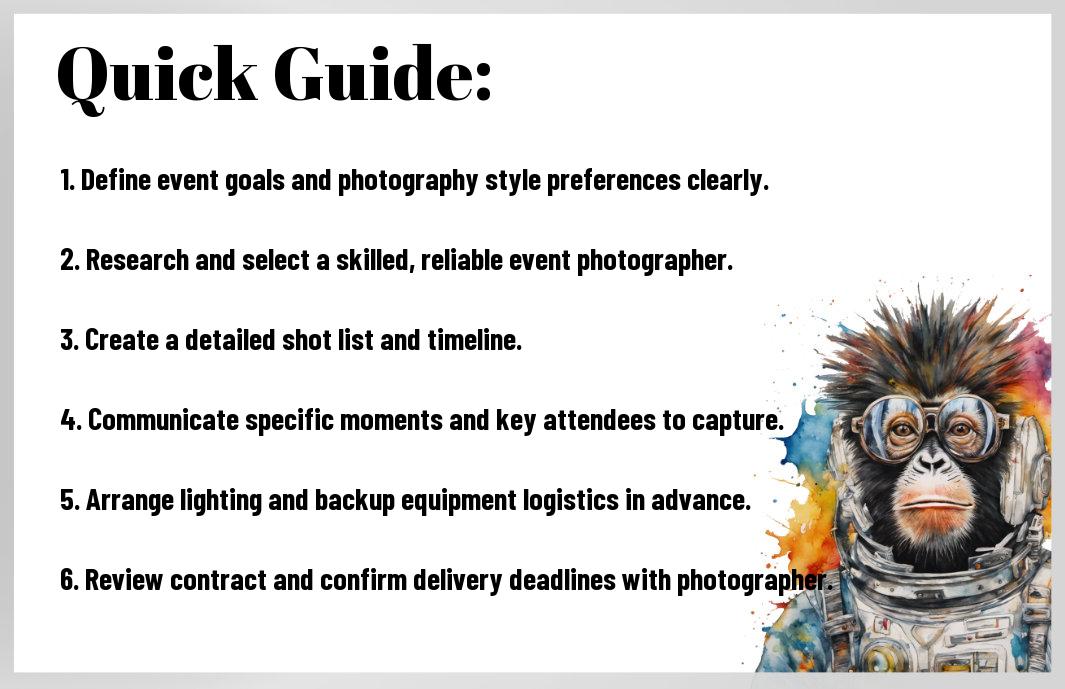
The Ultimate Guide To Planning Your Event Photography Coverage equips you with the crucial tools to ensure your event is captured beautifully. By understanding your goals, selecting the right photographer, and establishing an effective timeline, you can enhance the overall experience for both you and your guests. With careful planning and attention to detail, your event photography can provide lasting memories that reflect the essence of your occasion. Embrace these strategies to elevate your event’s narrative through compelling imagery that resonates with all who attend.


Leave a Reply
You must be logged in to post a comment.