
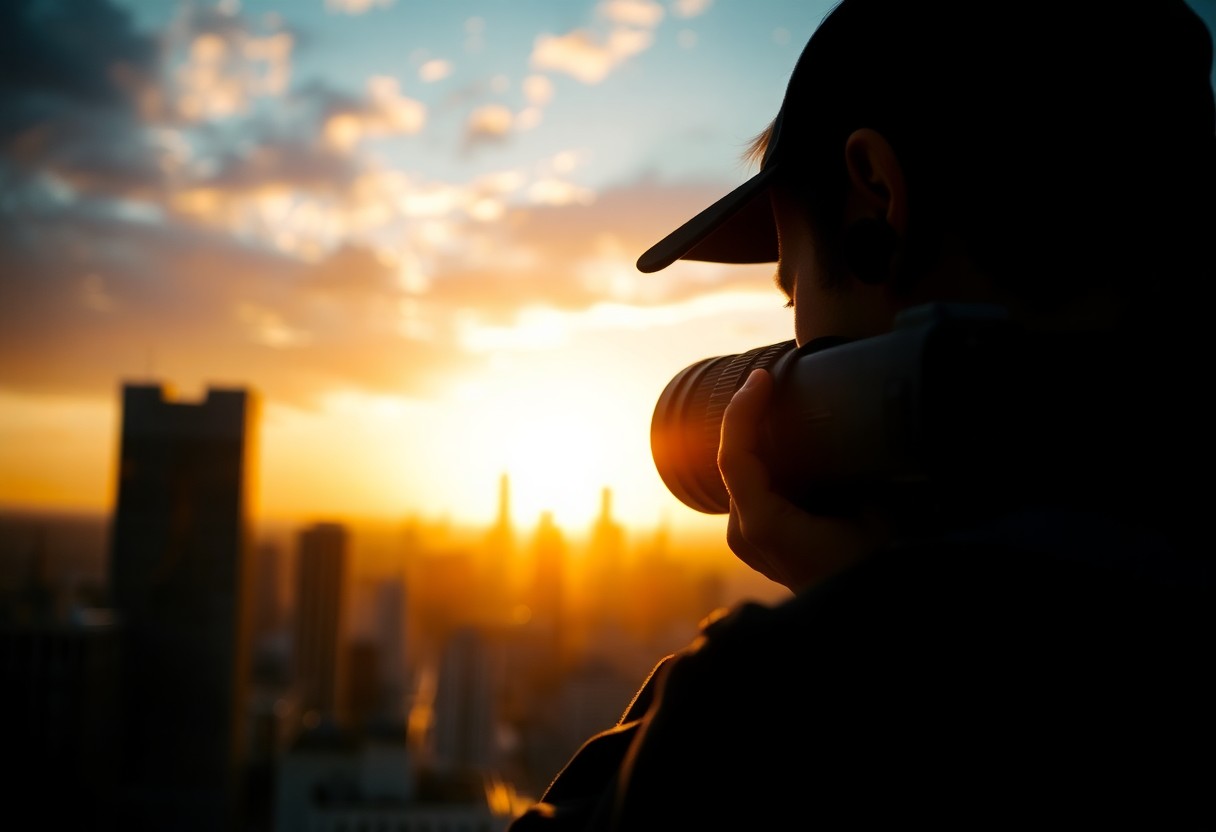
Just when you think you’ve mastered composition, it’s time to explore the power of perspective in photography. The angles you choose can significantly enhance your images, capturing the attention and imagination of your audience. By experimenting with unique viewpoints and unconventional framing, you can transform ordinary scenes into captivating visuals. This guide will help you discover how elusive angles can elevate your photography, drawing viewers into your world and leaving them spellbound by your artistry.
Understanding Angles in Photography
A profound comprehension of angles in photography can transform your images from ordinary to extraordinary. By experimenting with different viewpoints, you can capture moments in innovative ways, adding depth and emotion to your work. The way you position your camera determines how your audience interprets your subject matter, making angle selection a fundamental skill in your photographic journey.
The Importance of Perspective
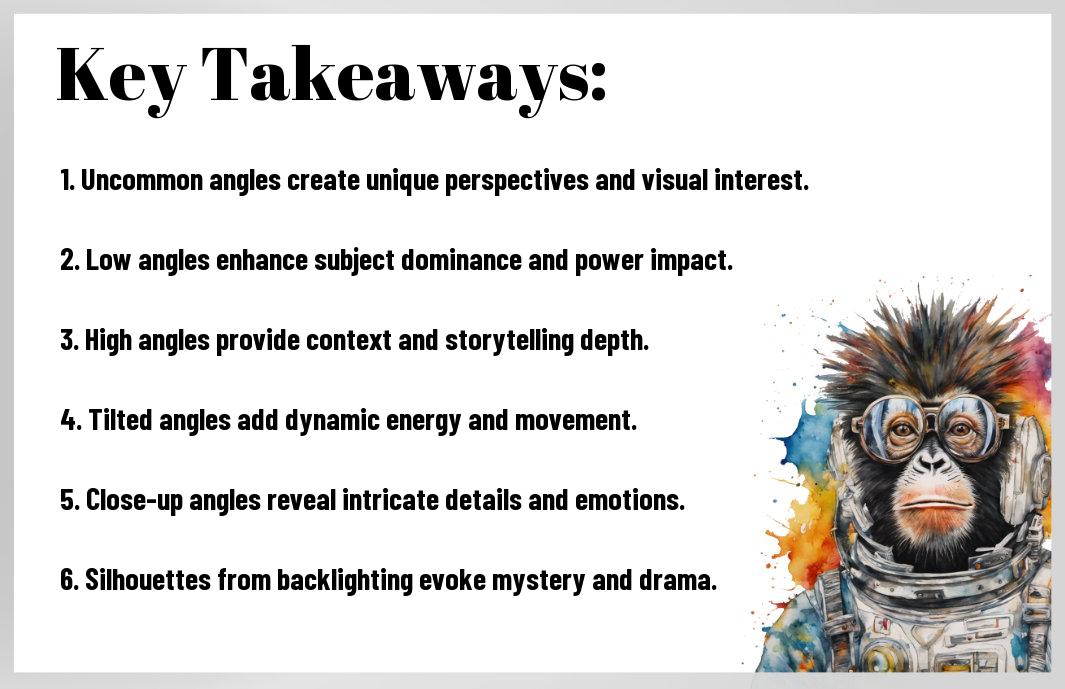
Angles play an necessary role in shaping perspective in your photographs. By varying your position relative to your subject, you can evoke different feelings and narratives. A low angle might convey power or grandeur, while a high angle can create a sense of vulnerability. Your choice of perspective significantly influences how viewers connect with your images and their emotional response.
Common Angles and Their Impact
For photographers, understanding common angles is key to effectively conveying your vision. Each angle—whether it’s eye-level, low, or high—offers a distinct narrative and emotional resonance. A shot at eye-level engages viewers by placing them in the scene, while low angles can emphasize the height and significance of a subject. Conversely, high angles often create a sense of surveillance or diminishment, shaping how your audience interprets the moment captured.
Hence, mastering common angles allows you to enhance the storytelling aspects of your photography. Exploring various angles enables you to highlight different attributes of your subject, creating visual interest and emphasizing contrasts. Each angle provides an opportunity to express your unique voice and perspective, ultimately making your work stand out in a world saturated with images. Engaging with these common angles encourages you to push your creative boundaries and discover new narratives within each scene.
Creative Angles to Explore
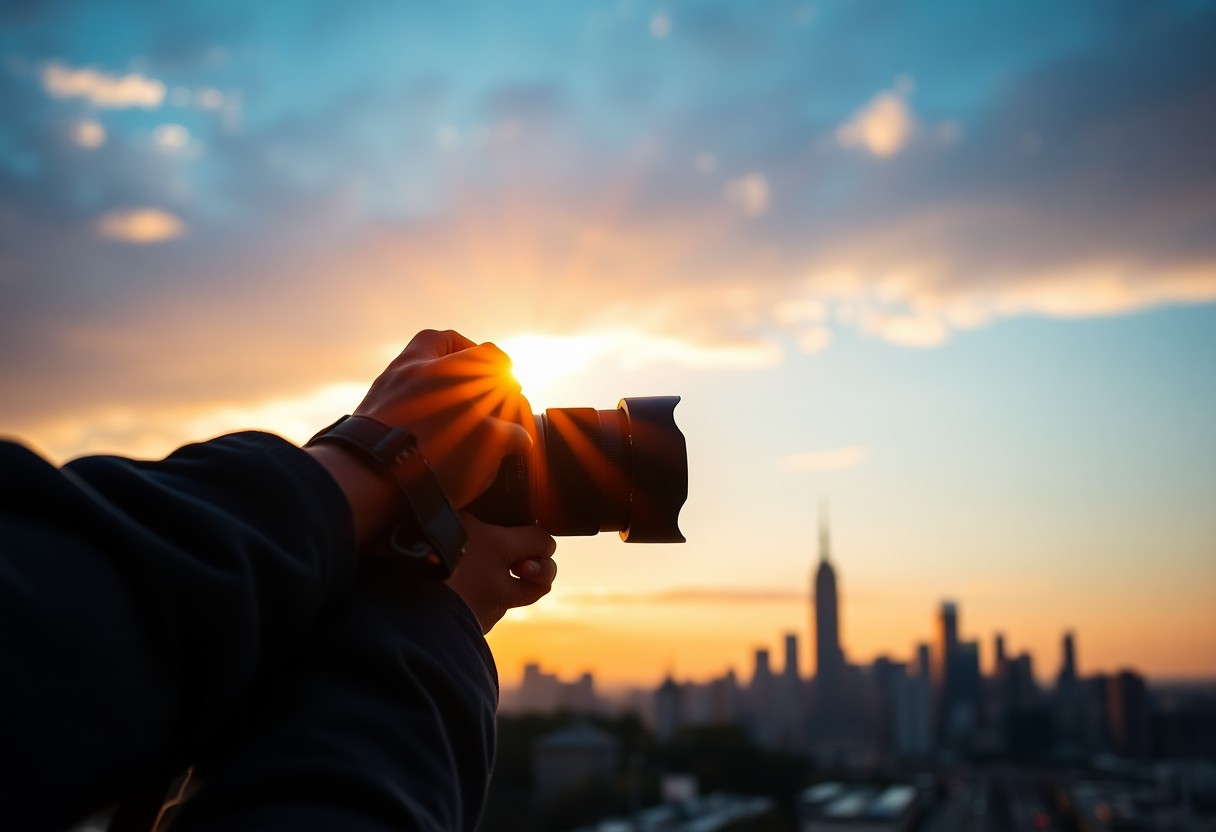
Any photographer can elevate their work by experimenting with creative angles. Venturing beyond traditional perspectives will provide fresh opportunities to capture the essence of your subjects. By exploring unconventional viewpoints, you can convey emotions and narratives in compelling ways that resonate with your audience. Embrace your creativity, and allow your curiosity to lead you to stunning visual stories that will leave a lasting impression.
Low Angles for Dramatic Effect
Above eye-level, low angles can significantly transform your images by adding an element of drama and grandeur. This perspective allows you to portray your subjects from a unique viewpoint, often making them appear larger-than-life. You’ll find that low angles can enhance the emotional impact of your subject, creating a sense of power or vulnerability that captivates your audience’s attention.
High Angles for Unique Insights
Before you capture your next shot, consider the transformational power of high angles. By positioning your camera above your subject, you unlock a fresh perspective that reveals details often missed from eye level. This viewpoint allows you to tell a story, showcasing relationships between elements within the frame and providing context to your subject that can otherwise be overlooked. High angles can also create a sense of overview, allowing your audience to grasp composition and spatial dynamics more effectively.
Creative use of high angles can also invoke feelings of isolation or vulnerability, which adds depth to your images. You’ll discover that exploring these elevated perspectives invites viewers to see the world through your eyes, encouraging them to engage with the narrative you wish to convey. This approach not only enriches your photographic portfolio but also broadens your skills, empowering you to tell more dynamic stories through your imagery.
The Role of Composition with Angles
One way to captivate your audience in photography is through the effective use of composition and angles. The right perspective can transform a mundane scene into something visually compelling. By understanding how to manipulate composition with various angles, you can guide your viewer’s focus and evoke emotional responses. Finding unique ways to frame your subject not only adds interest but can also convey deeper narratives that resonate with your audience.
Rule of Thirds and Angles
At the heart of effective composition lies the Rule of Thirds, which divides your frame into a grid. By positioning your subject along these lines or at their intersections, you enhance balance and intrigue. Experiment with angles that align with this rule to create dynamic images. Rather than centering your subjects, consider placing them slightly off-center, allowing for a more engaging visual journey.
Leading Lines and Angled Shots
Rule your composition with leading lines that direct the viewer’s eyes toward your focal point. Using angles to emphasize these lines creates a sense of depth and movement in your images.
For instance, incorporating roads, pathways, or architectural elements as leading lines can guide your audience through the scene, drawing them closer to your subject. Angled shots can enhance this effect by adding dynamism and helping your photographs feel more energetic. By positioning these lines at interesting angles, you can create paths that appear to invite the viewer into your composition, making for a more immersive experience that captures attention and stimulates curiosity.
Playing with Distortion
Once again, distortion can add a compelling twist to your photography, transforming ordinary scenes into extraordinary visuals. By embracing unusual angles and perspectives, you engage your audience, drawing them into the story your image tells. When you experiment with distortion, you not only create intrigue but also evoke emotions, connecting viewers to your subject on a deeper level. The key is to balance creativity with composition, ensuring that distortion enhances rather than detracts from your overall message.
Wide-Angle Lenses and Their Benefits
Beside having the ability to capture expansive scenes, wide-angle lenses can dramatically alter perspectives, allowing you to showcase more of your surroundings while emphasizing the subject. These lenses naturally exaggerate depth, making closer objects appear larger and more prominent, crafting a unique sense of space. This creates an immersive experience for your audience, drawing them directly into your frame and encouraging them to explore every detail.
Creating Depth with Angled Perspectives
Angled perspectives can significantly enhance the depth of your photographs, guiding the viewer’s eye throughout the composition. By shooting from low, high, or tilted angles, you can create a dynamic sense of layering and dimension. This technique encourages viewers to scan the entire image rather than just focusing on a single point, making your photograph more engaging and interesting.
At times, the way you frame your shot can completely alter its perception. Utilizing angled perspectives allows you to introduce leading lines that draw attention to your subject while adding an element of spatial context. Whether you’re photographing architectural structures or natural landscapes, the angles you choose can create a visual journey, enriching your audience’s experience and inviting them to engage with your work on multiple levels.
Engaging the Audience with Angles
Despite the countless images you can capture, it’s the angles that breathe life into your photography. By experimenting with various perspectives, you can evoke curiosity and draw your audience into the scene. Whether it’s a low shot that emphasizes grandeur or a high angle that conveys vulnerability, using unique angles creates a dynamic narrative that captivates viewers. Your choice of angle can fundamentally alter the emotion and message of your photo, making it indispensable in your storytelling toolkit.
Emotional Responses through Angled Shots
Among the many techniques at your disposal, angled shots can resonate deeply with your audience by triggering emotional responses. Whether you’re shooting a bustling street or an intimate portrait, the angle from which you capture the subject can significantly influence the viewer’s perception. A tilted shot may evoke a sense of chaos, while a straightforward perspective promotes serenity. Your careful choice of angle allows you to guide the emotions your audience experiences when they view your work.
Storytelling via Unique Perspectives
To effectively tell a story through photography, you should embrace unique perspectives that challenge conventional views. By stepping outside the typical framing approaches, you can highlight what makes a moment special. A close-up of a child’s hands reaching for a butterfly or a distant shot of a couple walking along a beach provide differing narratives. Each angle reveals a facet of the story waiting to be uncovered, encouraging your audience to dive deeper into the visual journey you’re presenting.
Storytelling in photography invites you to think beyond the obvious, allowing your audience to connect with your work on multiple levels. When you approach a scene from a distinctive perspective, the story shifts, emphasizing different elements and emotions. A photograph that showcases a subject from an unexpected angle can provoke curiosity and invite viewers to question what they see. As you develop your skills, take the time to explore a variety of viewpoints and compositions, transforming everyday moments into compelling visual tales that engage and inspire.
Practical Tips for Capturing Elusive Angles
Unlike the conventional perspective, capturing elusive angles requires a bit of creativity and willingness to explore. Here are some tips to help you find that unique shot:
- Vary your heights; don’t just shoot at eye level.
- Use foreground elements to create depth.
- Experiment with framing to tell a story.
- Don’t shy away from unusual viewpoints or locations.
Recognizing these opportunities will expand your photographic vocabulary.
Experimenting with Camera Positioning
Behind the lens, your perspective dramatically influences the outcome of your photos. To capture elusive angles, try adjusting your camera’s position; climb higher or get low to the ground. Rotating your camera not just side to side, but also tilting it can reveal captivating viewpoints you might not have seen. Each position can transform a mundane scene into a visually stunning narrative.
Utilizing Lighting to Enhance Angles
Utilizing natural or artificial light can dramatically alter the perception of your angles. Positioning yourself to take advantage of the golden hour light adds warmth and depth, while backlighting can create striking silhouettes. Experimenting with shadows can enhance the texture in your photos, making previously overlooked details pop.
Practical use of light aids in defining shapes and contours. Assess how the light interacts with your subject and adjust your angle accordingly. Soft diffused light can soften harsh angles, whereas direct sunlight can accentuate them. By incorporating different lighting strategies, you can enhance your composed angles and create a captivating atmosphere.
Final Words
Now that you understand how elusive angles can transform your photography, you can start experimenting with unique perspectives to captivate your audience. By shifting your viewpoint, embracing dynamic compositions, and playing with light and shadow, you can create visually striking images that resonate with viewers. Don’t hesitate to explore unconventional angles, as they often reveal hidden stories and emotions in your subject. Your journey in photography will be enriched as you unlock the magic of perspective.



Leave a Reply
You must be logged in to post a comment.