
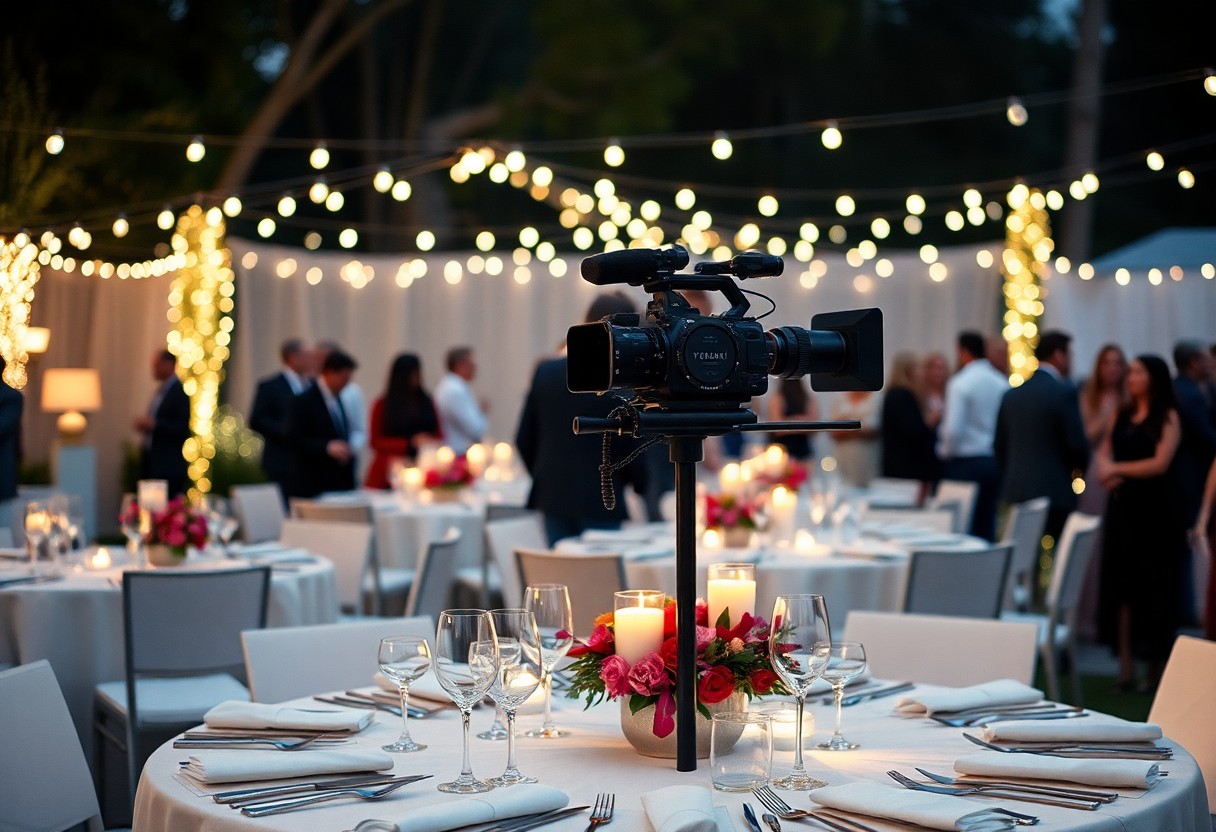
Most event videographers strive to capture beautiful moments, yet infusing an aesthetic verve into your projects can elevate them to an entirely new level. By focusing on creative composition, utilizing dynamic lighting, and incorporating thoughtful storytelling techniques, you can transform ordinary footage into stunning visual narratives. This post will guide you through practical tips and insights on how to enhance your videography skills, ensuring your projects not only tell a story but also resonate on an emotional level with your audience.
Key Takeaways:
- Focus on the narrative: Craft a compelling story that draws viewers in and enhances the aesthetic experience of your video.
- Utilize diverse cinematography techniques: Experiment with various angles, framing, and movement to create visually striking compositions.
- Incorporate thoughtful lighting: Use natural and artificial light creatively to set the mood and highlight important moments.
- Choose a cohesive color palette: Opt for colors that resonate with the event’s theme and evoke the desired emotions in viewers.
- Editing for pace and rhythm: Enhance the flow of the video by syncing transitions and cuts with the event’s energy and music.
- Pay attention to sound design: Use ambient sound, music, and voiceovers strategically to elevate the overall aesthetic and emotional impact.
- Embrace authenticity: Capture genuine moments and emotions that reflect the essence of the event, making the video more relatable and engaging.
Crafting a Distinct Visual Language
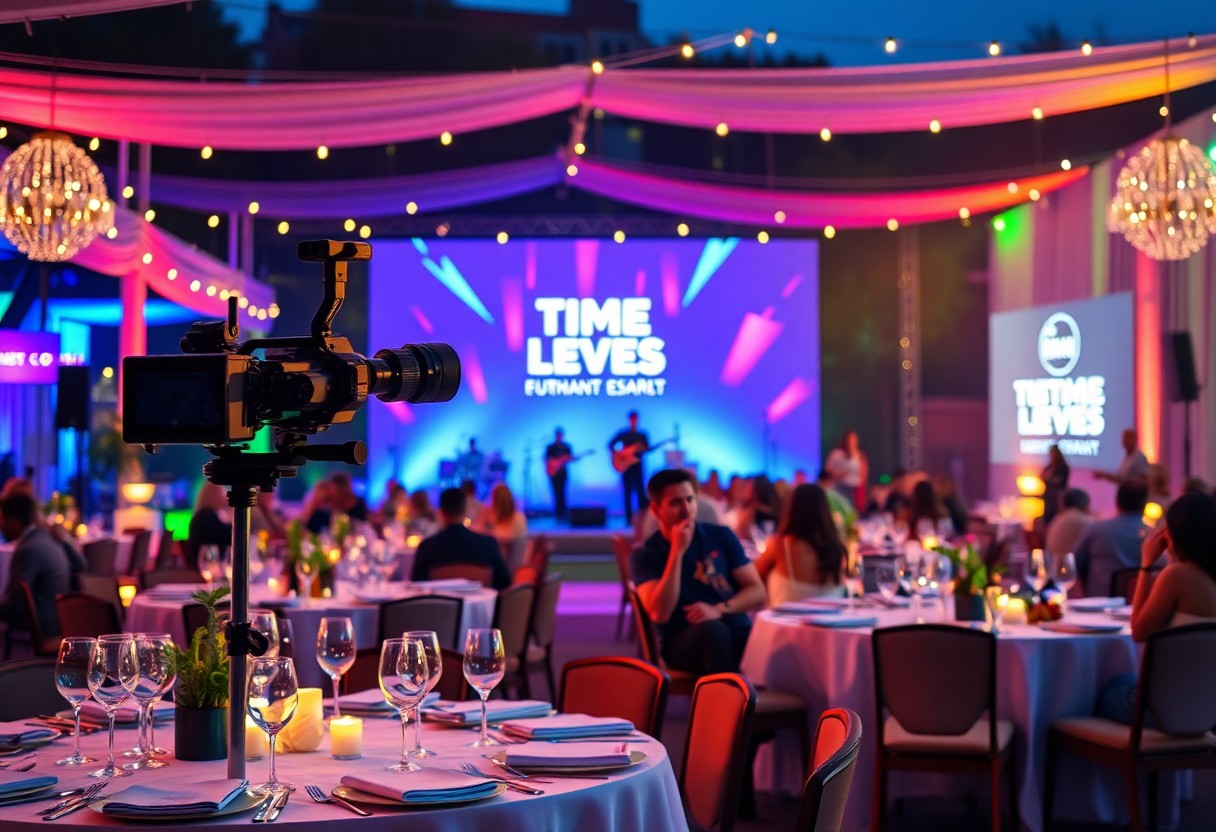
Establishing a unique visual language can elevate your event videography projects and leave a lasting impression on your audience. This involves weaving together elements such as color, composition, and style to create a cohesive aesthetic. By carefully selecting your visual components, you not only enhance the storytelling aspect but also connect with viewers on an emotional level. An impactful visual language will ensure that your work stands out, ultimately enhancing the overall experience for everyone involved in the event.
Color Palettes and Their Emotional Impacts
Your choice of color palette speaks volumes about the mood and atmosphere of your video. Different colors evoke differing emotions; for instance, warm hues like red and orange can instill feelings of excitement, while cool tones such as blue and green are often associated with calmness and tranquility. By consciously selecting colors that align with the theme and ambiance of the event, you can enhance the emotional resonance of your video and create a deeper connection with your audience.
The Role of Composition in Storytelling
Composition plays a pivotal role in visual storytelling, guiding the viewer’s eye and enhancing the narrative flow. Utilizing techniques like the rule of thirds, leading lines, and symmetry can add depth and interest to your shots. By strategically framing each scene, you not only highlight key moments but also evoke specific emotions, helping to narrate the event’s story more effectively. For example, including negative space can create a sense of isolation or tension, while tightly framed shots can foster intimacy. Your composition choices ultimately influence how viewers perceive and engage with the footage.
Engaging composition is about more than just aesthetics; it can significantly shape the viewer’s understanding of the story being told. For instance, wide shots can effectively establish a location and context, whereas close-ups bring your audience closer to the emotions of individuals. Incorporating varying shot sizes and angles throughout your video creates dynamic visuals that maintain interest and tension. Don’t shy away from experimenting with unconventional compositions either; breaking traditional rules can lead to striking visuals that distinctly convey your artistic vision while also enhancing the narrative being shared.
Trends That Shape Aesthetic Videography
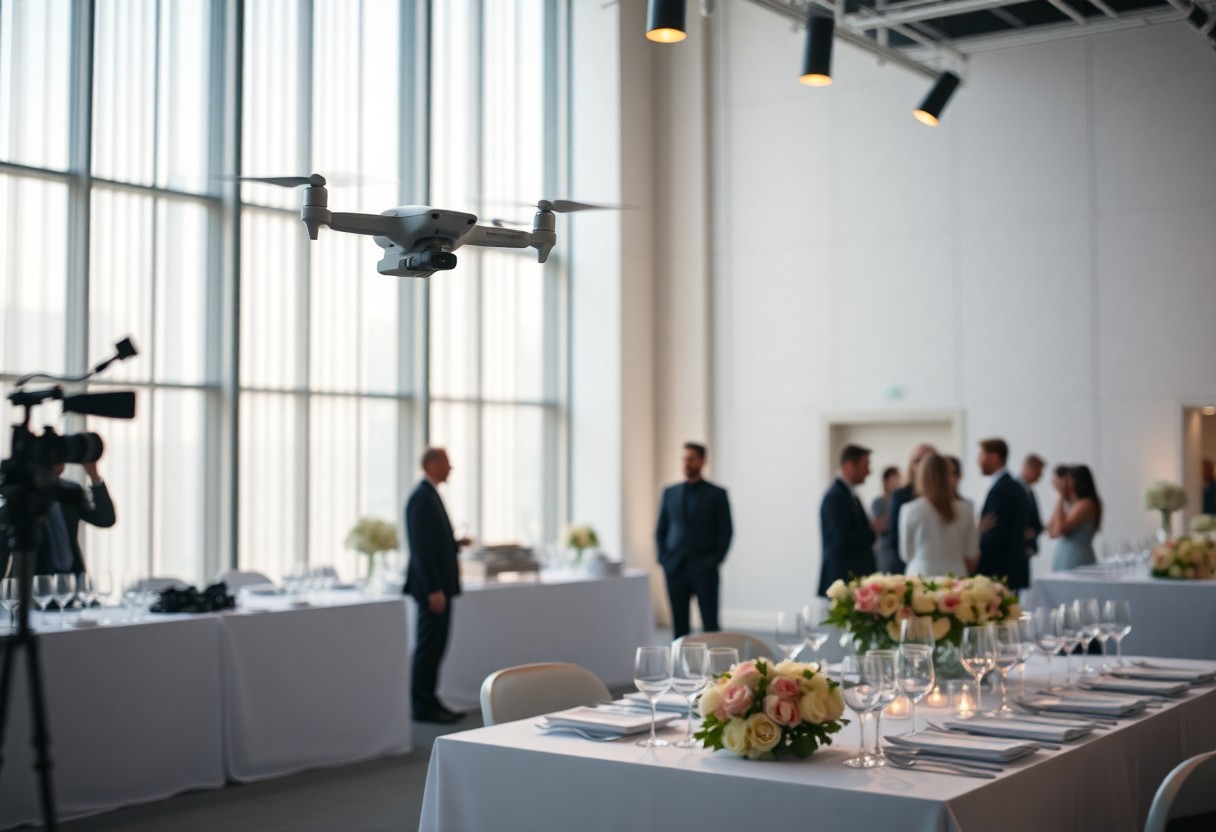
Keeping your finger on the pulse of current trends in aesthetic videography can refine your projects and ensure they resonate with your audience. Modern aesthetics are often shaped by a blend of minimalism, vintage styles, and innovative storytelling techniques. Paying attention to these trends allows you to craft unique narratives that evoke emotion and captivate viewers, resulting in engaging and memorable event videography.
Exploring Minimalism and Its Evolving Influence
Minimalism has gained traction within videography, emphasizing a clean, uncluttered visual style. By focusing on the imperatives—light, composition, and emotion—you create a powerful narrative, drawing attention to the subject matter. This straightforward approach presents an opportunity for your audience to connect on a deeper level, stripping away distractions and inviting them to immerse themselves in the moment.
The Rise of Vintage Aesthetics in Modern Projects
Incorporating vintage aesthetics into your projects can evoke nostalgia and charm. A keen embrace of retro color palettes, grainy film effects, and old-school editing techniques can transport your viewers to a bygone era. Styles reminiscent of the 70s or 80s, such as muted colors or the use of super 8 film effects, create a timeless feel that appeals to various demographics. Leveraging these artistic elements allows you to infuse personality into your work, making it distinct and memorable.
The resurgence of vintage aesthetics in modern videography merges contemporary techniques with historical elements, providing a fresh yet familiar experience for viewers. Consider using film grain overlays to replicate the texture of analog film, or infuse sepia tones for that nostalgic appeal. By combining such techniques with modern storytelling, your event footage will not only resonate emotionally but also create a visually rich tapestry that captures the essence of time-honored styles while remaining relevant today.
Techniques to Enhance Cinematic Quality
Every frame in your event videography can benefit from specific techniques that elevate its cinematic quality. Through a combination of intentional lighting, advanced editing methods, and creative shot composition, you can transform ordinary footage into an engaging visual narrative that resonates with your audience. Implementing these techniques will not only enhance the overall aesthetic but also ensure that your projects tell a compelling story.
Lighting Strategies for Mood Enhancement
Utilizing strategic lighting can profoundly affect the mood of your videography. Soft lighting, for instance, creates an inviting atmosphere, while harsh lights can evoke tension or excitement. Experiment with different lighting setups, such as three-point lighting for interviews or natural light during outdoor events, to control the emotional tone and ensure your visuals align with the desired narrative.
Incorporating Advanced Editing Techniques
Advanced editing techniques serve as a powerful ally in achieving a polished final product. Consider the use of color grading to enhance the emotional depth of your footage, as well as transitions and effects that can help emphasize key moments. By layering audio elements and applying rhythm to the cuts, your videos will maintain engagement while delivering a story that reflects the essence of the event.
Advanced Editing Techniques
| Technique | Description |
| Color Grading | Enhances the visual mood and consistency across the footage. |
| Dynamic Transitions | Crea-tively move from scene to scene to maintain engagement. |
| Sound Design | Incorporate ambient sounds or music to enrich visual storytelling. |
| Motion Graphics | Used for titles or effects that reinforce the theme of the event. |
More about Incorporating Advanced Editing Techniques
To elevate your event videography, a focus on advanced editing techniques will allow you to sculpt the narrative effectively. For color grading, utilizing tools such as DaVinci Resolve can result in stunning visual aesthetics that draw viewers in. Incorporating sound design involves layering ambient sounds, voiceovers, and background music to establish atmosphere. Dynamic transitions, like fades or whip pans, can keep your audience’s attention through varied pacing. Employing these techniques ensures your videos are not only visually captivating but also thematically cohesive.
Key Editing Techniques
| Technique | Impact |
| Color Grading | Sets the visual tone and enhances mood. |
| Layered Soundtrack | Increases emotional engagement and atmosphere. |
| Dynamic Editing Styles | Keeps viewer interest through varied pacing and rhythm. |
| Visual Effects | Enhances storytelling and visual appeal. |
The Importance of Sound Design in Aesthetic Cohesion
Sound design elevates your video from a simple recording to an immersive experience, creating an aesthetic cohesion that resonates with your audience. Balancing sound effects, background noise, and dialogue effectively ensures that each auditory element complements the visuals. Consider how the right sound can evoke emotions, intensify moments, and enhance storytelling. By focusing on sound, you significantly enrich the atmosphere and overall impact of your project.
Creating Atmosphere through Soundscapes
Utilizing soundscapes is a powerful method for setting the tone of your event videography. Different sounds, whether natural or orchestrally produced, can invoke specific feelings and transport viewers into the scene. For instance, gentle ocean waves can instill tranquility, while bustling city streets can create an atmosphere of vibrancy. Choosing sounds that align with your visual narrative enhances engagement, ensuring your audience feels as though they are part of the event.
The Impact of Music Choices on Viewer Engagement
Your choice of music acts as a narrative thread, guiding your viewer’s emotions throughout the experience. A well-selected soundtrack not only amplifies the visual elements but also holds viewers’ attention, encouraging them to connect more deeply with the content. For instance, research shows that videos featuring emotional music can increase engagement rates exponentially, drawing viewers into your story. The emotional undercurrent of your soundtrack should mirror the essence of the event, preserving authenticity while enhancing viewer connection.
Concerning music choices, think strategically about the emotions you want to evoke. For instance, a fast-paced, upbeat track can infuse energy into a lively celebration, while a slow, melodic tune can deepen the emotional impact during poignant moments. Studies indicate that appropriately chosen music can boost memory retention by up to 50%, meaning your audience is more likely to recall specific details from the event when paired with an engaging score. By aligning your music with the visual narrative, you create a memorable experience that resonates long after the credits roll.
Building a Narrative That Resonates
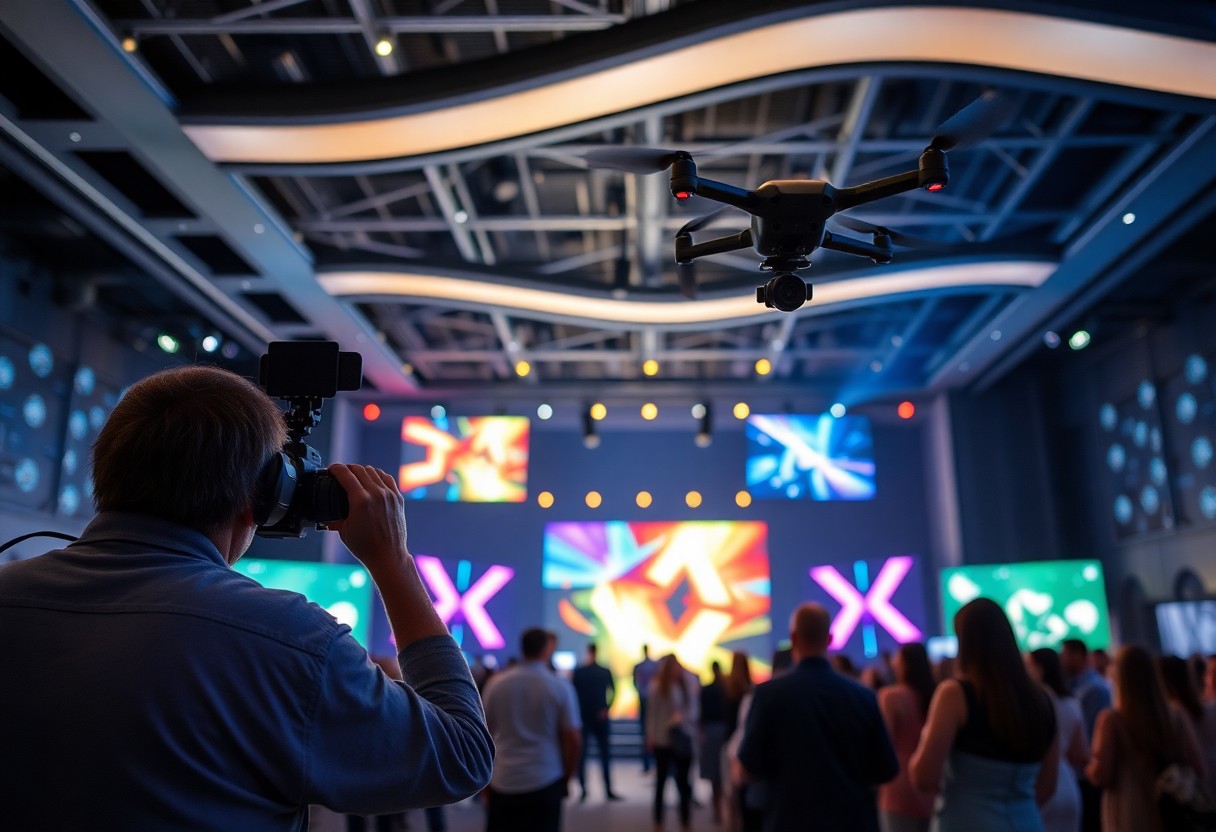
The heart of your event videography lies in the narrative. A compelling story gives your project depth and makes it memorable. Focusing on a clear beginning, middle, and end allows you to showcase the event’s unique atmosphere while capturing genuine emotions. Introducing themes that align with your audience’s values or experiences will transform your footage from mere documentation into an emotional journey.
Developing Relatable Characters and Themes
Your audience connects with characters, so aim to highlight relatable figures during the event. Identify key participants—speakers, attendees, and behind-the-scenes crew—and showcase their stories or perspectives. Incorporating universal themes, like love, success, and community, makes your narrative accessible, allowing viewers to see themselves in your video.
The Art of Pacing to Maintain Audience Interest
Pacing in videography is akin to rhythm in music—it dictates how effectively you engage your audience. Balancing moments of tension with resolution keeps viewers emotionally invested. Quick transitions during lively segments, coupled with longer-held shots during reflective moments, create an engaging viewing experience that feels fluid rather than rushed.
Effective pacing can make or break the emotional impact of your narrative. Strategically interspersing upbeat segments with calmer, more reflective moments allows the audience to absorb what’s unfolding on screen. For instance, a dynamic montage of highlights can prompt excitement, while a lingering shot of a heartfelt speech can connect deeper emotions. Consider how professional filmmakers use tempo shifts to maintain suspense and engagement; your ability to replicate this will elevate your event videography to a cinematic level, ensuring your audience stays invested throughout the entire video.
Conclusion
As a reminder, to infuse an aesthetic verve into your event videography projects, focus on your storytelling, embrace creativity in your shot selection, and pay attention to the nuances of lighting and composition. Utilize editing techniques that enhance the emotional depth of your footage, and don’t hesitate to incorporate your unique style. By blending these elements, you can create captivating videos that truly resonate with your audience and elevate the overall impact of your work.
FAQ
Q: What techniques can I use to enhance the visual appeal of my event videography?
A: To elevate the visual appeal of your event videography, consider using a variety of techniques such as dynamic camera angles, creative shot compositions, and thoughtful transitions. Incorporating slow-motion effects during key moments can also add depth. Utilizing natural lighting when possible or employing artificial lighting strategically can enhance the overall aesthetic. Additionally, experimenting with different lenses, such as wide-angle or macro, can produce unique visuals that draw the audience in.
Q: How important is color grading in achieving an aesthetic style for my videos?
A: Color grading plays a significant role in establishing the mood and aesthetic of your event videography. By adjusting the colors, contrast, and luminance in post-production, you can create a cohesive visual theme that aligns with the essence of the event. Whether you aim for a vibrant and lively palette or a more muted and elegant tone, color grading allows you to enhance storytelling and evoke specific emotions that resonate with your audience.
Q: What role does sound design play in enhancing the aesthetics of event videos?
A: Sound design is a vital component of aesthetic verve in videography. Incorporating background music that matches the tone of the footage can significantly elevate the viewer’s experience. Using sound effects strategically can also add layers of interest, emphasizing moments and enhancing storytelling. The balance of audio levels ensures that dialogue, ambient sounds, and music work harmoniously together, contributing to a more immersive and engaging event film.
Q: How can I incorporate storytelling elements into my event videography?
A: Incorporating storytelling elements is key to creating a compelling narrative in your event videography. Start by planning the structure of your video, identifying key themes and moments to highlight. Engage with participants through interviews or candid moments that reveal their emotions and experiences. Building a storyline that follows a beginning, middle, and end will help create a connection with your audience, making them feel as though they are part of the event. Aim to weave in personal anecdotes, call-to-action moments, or behind-the-scenes footage that can enrich the narrative.
Q: What equipment should I consider investing in to achieve a more aesthetic look for my event videos?
A: Investing in quality equipment can significantly impact the aesthetic quality of your event videos. Key items to consider include a sturdy tripod or gimbal for stabilization, which allows for smooth movement and fluid shots. High-quality microphones for capturing clear audio are vital as well. Depending on your budget, lenses play a vital role; prime lenses offer better low-light performance and depth of field effects. Lastly, an editing software that provides advanced features such as color grading and sound manipulation tools will help you refine your footage, ensuring the final product reflects the aesthetic you desire.

Leave a Reply
You must be logged in to post a comment.