
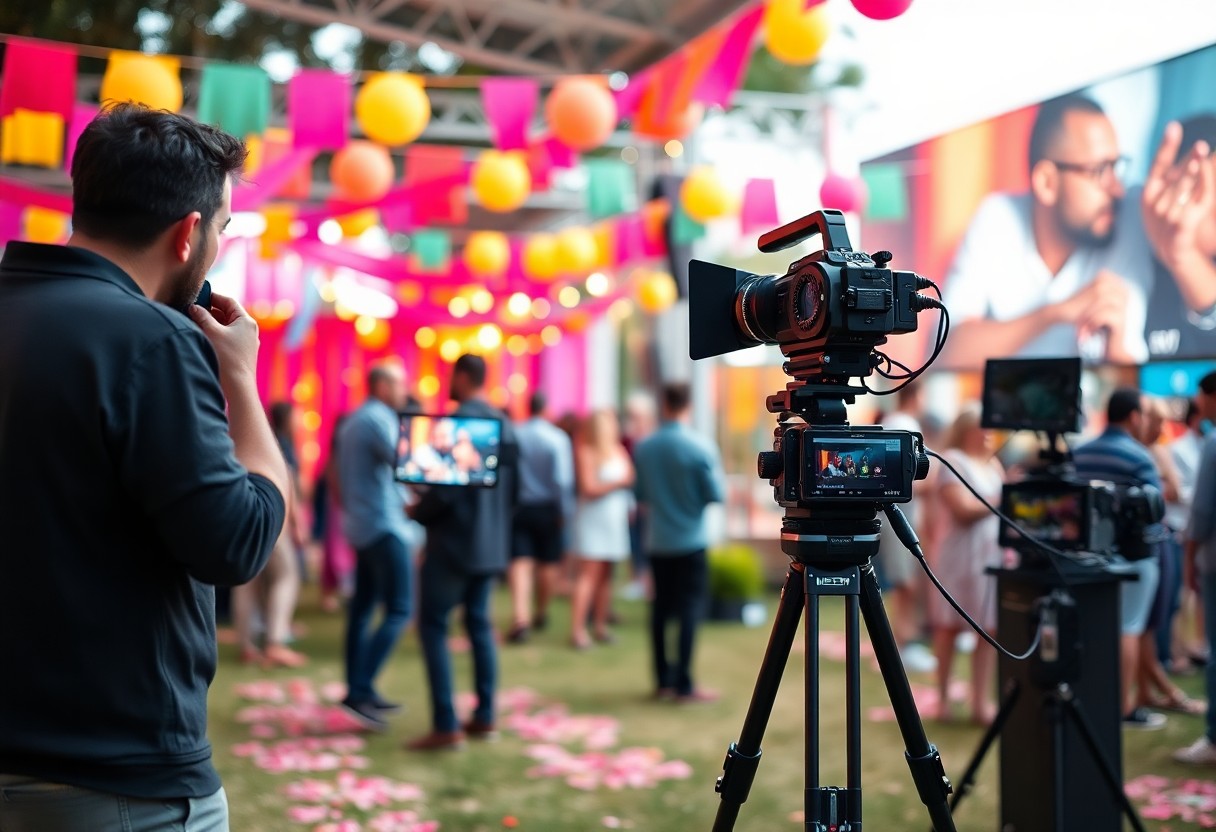
Tips for achieving exceptional event videography lie in your ability to blend creativity with technical skill. By focusing on storytelling, mastering your equipment, and embracing unique perspectives, you can elevate your work to new heights. Your audience will appreciate engaging visuals that capture the essence of any event. Dive into this guide to discover innovative techniques that will help you transform ordinary footage into stunning cinematic experiences that truly reflect the moments that matter.
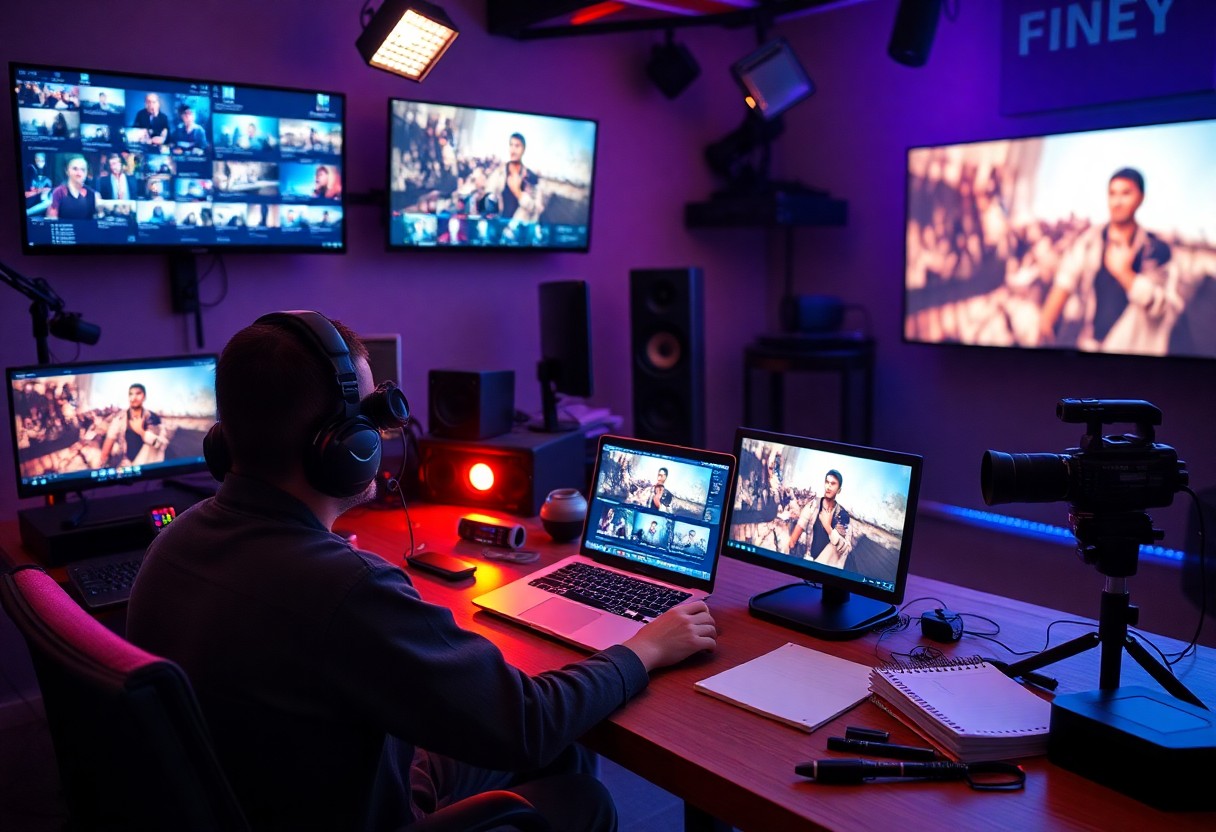
Key Takeaways:
- Plan your shots in advance by creating a detailed storyboard to ensure a cohesive narrative for the event video.
- Utilize natural light whenever possible, but also be prepared with lighting equipment to enhance the atmosphere during low-light situations.
- Invest in quality audio gear; clear sound significantly improves the overall quality of the videography.
- Experiment with different camera angles and movements to keep the visuals engaging and dynamic throughout the event.
- Incorporate B-roll footage to provide context and depth to the main event, making the final video more interesting to viewers.
- Edit with a focus on pacing and emotion, ensuring that the final product captures the essence of the event while maintaining viewer engagement.
- Communicate effectively with event organizers and participants to align on key moments to capture, enhancing the overall storytelling aspect of the video.
Crafting Your Pre-Production Blueprint
A solid pre-production blueprint sets the stage for your event videography success. This plan should include everything from the timeline and location logistics to shot lists and interview schedules. Mapping out your approach beforehand allows you to anticipate challenges and streamline the shooting process, ensuring you capture all crucial moments and telling a cohesive story without missing crucial details.
Vision Establishment: Defining Your Event Narrative
Before filming begins, focus on your event’s core message and narrative arc. Identify the key moments that embody the event’s purpose and emotional impact. You want your audience to resonate with the narrative, whether it’s a corporate gathering or a wedding celebration. This clearly defined vision becomes your guiding light, making it easier to storyboard and capture compelling footage that aligns with the overall theme.
Gear Selection: The Essential Toolkit for Captivating Coverage
Selecting the right gear is vital for delivering stunning footage. Consider investing in a quality camera with good low-light capabilities and lenses that can handle various settings. Don’t overlook audio gear, including external microphones, which play a significant role in capturing the event’s ambiance and key speaker moments. Stabilizers, tripods, and drones can add versatility and creativity to your shots, enhancing the overall production quality.
For optimal results, curate a gear checklist tailored to your event specifics. A versatile camera, such as a DSLR or mirrorless, offers adaptability for different lighting conditions. Pair this with a fast lens (like a 24-70mm f/2.8) for versatile framing. Reliable audio components, such as shotgun microphones or lavaliers, enhance clarity, while gimbals ensure smooth movement during dynamic shots. Drones can introduce stunning aerial perspectives if permitted at the venue, elevating your storytelling even further.
Mastering Cinematic Techniques in Event Capture
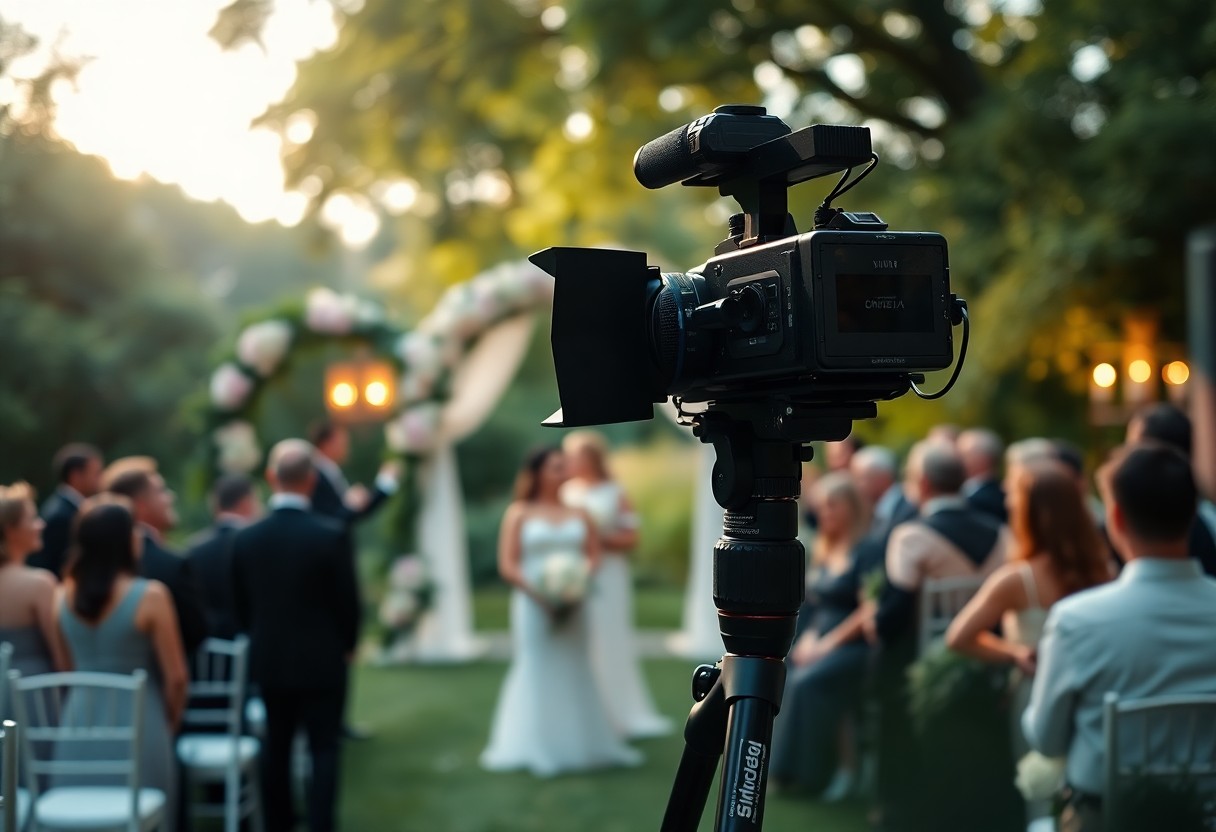
Adopting cinematic techniques elevates your event videography beyond standard recordings. Mastering these methods can transform ordinary moments into visually compelling narratives. Focus on using advanced gear, including stabilizers and drones, to enhance your shots. Understanding depth of field, shot composition, and storytelling elements will sit at the heart of your stunning footage, ensuring you create a memorable experience for your audience.
Dynamic Angles: The Art of Composition and Movement
Utilizing dynamic angles injects energy into your event video. Experiment with various heights and perspectives to find shots that resonate with the unfolding action. Incorporating smooth camera movements, like glides and pans, allows you to tell a more immersive story. For instance, moving your camera along a sweeping arc can emphasize a key moment, making viewers feel as if they are part of the experience.
Lighting Magic: Transforming Mood with Natural and Artificial Sources
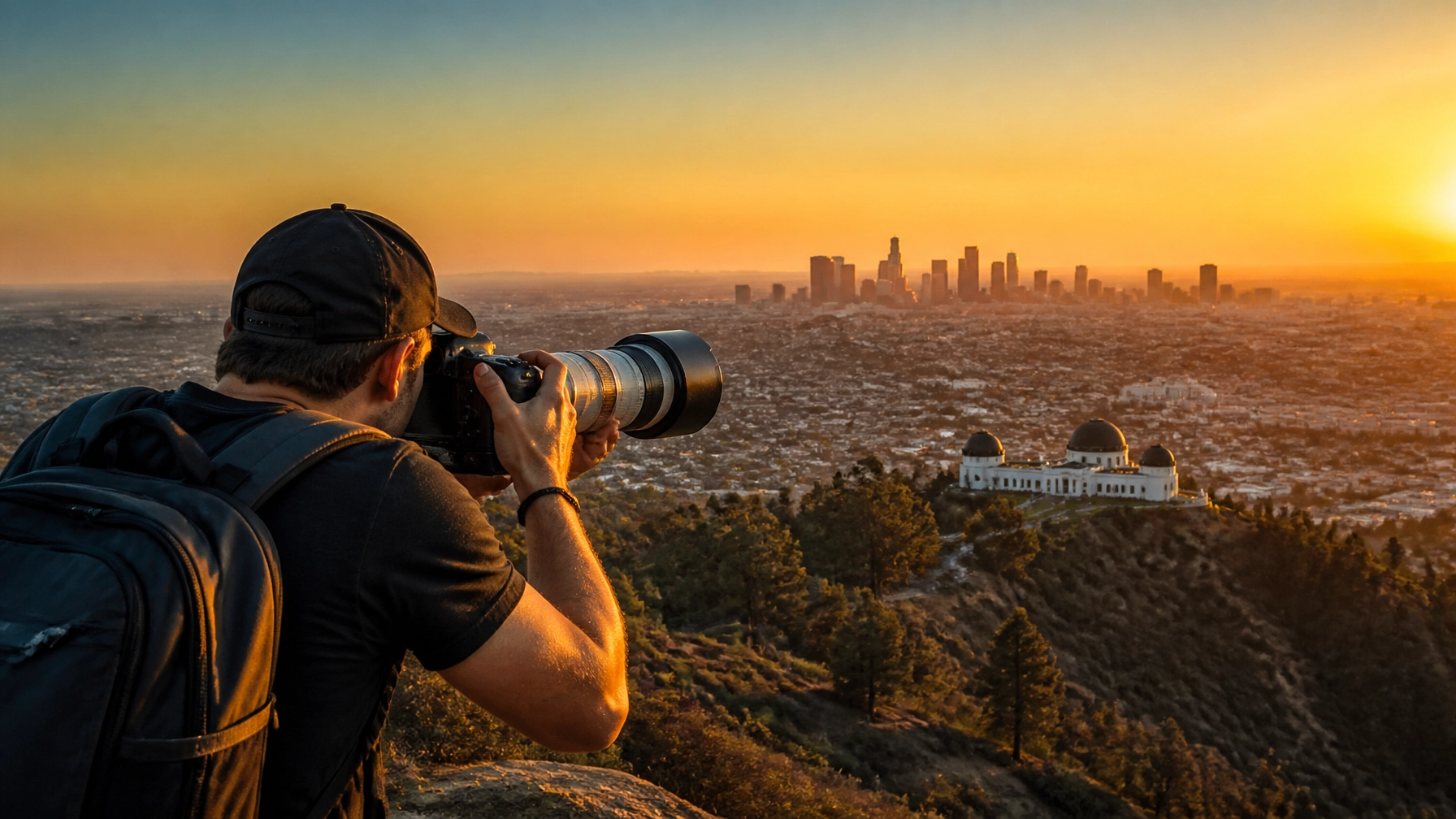
Harnessing lighting can drastically alter the perception of your footage. By balancing natural and artificial sources, you create an atmosphere that enhances the emotional tone of your event. Golden hour sunlight can provide a warm, inviting glow, while cool indoor lighting can evoke urgency or intimacy. The thoughtful use of fill lights or reflectors can also soften shadows, ensuring your subjects remain the focal point in any scene.
In practical terms, consider shooting at different times of the day to assess how ambient light can shape your footage’s narrative. For evening events, use LED panels or softboxes to fill in shadows and avoid harsh contrasts. Techniques like three-point lighting can further improve your subjects’ appearance and establish a professional quality. Also, think about color temperatures; a warm light can create a cozy atmosphere, while cooler tones might suit corporate events. Mastering light not only complements your camera techniques but also boosts your storytelling potential, ensuring your audience is captivated from the start to the finish of your video.
The Power of Sound: Elevating Your Visual Storytelling
Sound transforms your event videography from mere visuals into a fully immersive experience. By integrating clear audio and complementary music, you harness the true emotional potential of your footage. Capturing high-quality sound not only enhances narratives but also grips your audience’s attention, allowing them to connect more deeply with the moment. Understanding the intricacies of sound can make your videos resonate on a profound level.
Audio Essentials: Capturing Clear, Quality Sound
Clear, high-quality sound is the backbone of compelling videography. Utilize quality microphones, such as lapel or shotgun mics, to capture dialogue crisply. Always conduct sound checks prior to the event to identify potential issues. Utilizing windshields for outdoor recordings minimizes unwanted noise, allowing the voices and ambiance to shine through, resulting in a polished final product.
Music and Effects: Crafting an Emotional Soundscape
Your choice of music and sound effects can elevate the impact of your footage significantly. A well-curated soundtrack complements visual elements, guiding viewer emotions. Match the tempo and mood of your music to the unfolding narrative; a serene moment deserves soft melodies, while an energetic highlight calls for upbeat tracks. Purposeful sound design can evoke feelings of joy, nostalgia, or excitement, making your event videos truly unforgettable.
When crafting an emotional soundscape, consider the balance between music and ambient sounds. Use tools like fade-ins and fade-outs for smoother transitions, allowing your audience to soak in the atmosphere. Layering subtle sound effects like laughter, applause, or nature sounds can create a more engaging environment, seamlessly melding with your visuals. By paying careful attention to these elements, you can captivate viewers, creating a memorable experience that keeps them coming back for more.
Post-Production Secrets for Stunning Edits
Crafting a polished final product hinges on your post-production skills. This phase allows you to refine raw footage into a compelling narrative. Both editing style and color grading play vital roles here, serving not only to enhance visual appeal but also to reinforce the overall theme and emotion you wish to convey.
Editing Styles: Choosing the Right Approach for Your Vision
Deciding on an editing style significantly influences how your audience perceives the event. Whether opting for a documentary approach that preserves authenticity or a cinematic style that employs dynamic cuts and effects, your choice should align with the event’s tone and narrative. For instance, a wedding video may benefit from a romantic style featuring slow transitions, while an energetic corporate event might call for faster cuts paired with upbeat music.
Color Grading: Enhancing Visual Appeal and Consistency
Striking visuals can make a lasting impact on your audience, and color grading plays a pivotal role in achieving this. By adjusting hues, saturation, and contrast, you can create a consistent color palette that unifies your footage and enhances its storytelling power.
For instance, consider a vibrant outdoor wedding; you might enhance the greens of the landscape and the warm tones of the lighting to evoke feelings of joy and celebration. Conversely, a corporate event might require a cooler palette to project professionalism and modernity. Using tools like Adobe Premiere Pro or DaVinci Resolve, you can apply LUTs (Look-Up Tables) to ensure consistency across shots, ensuring that your final edit feels cohesive. Color grading not only elevates your visuals but also can subtly influence the emotional response of your viewers, making it an vital step in your post-production process.
Sharing Your Masterpiece: Strategies for Maximizing Reach
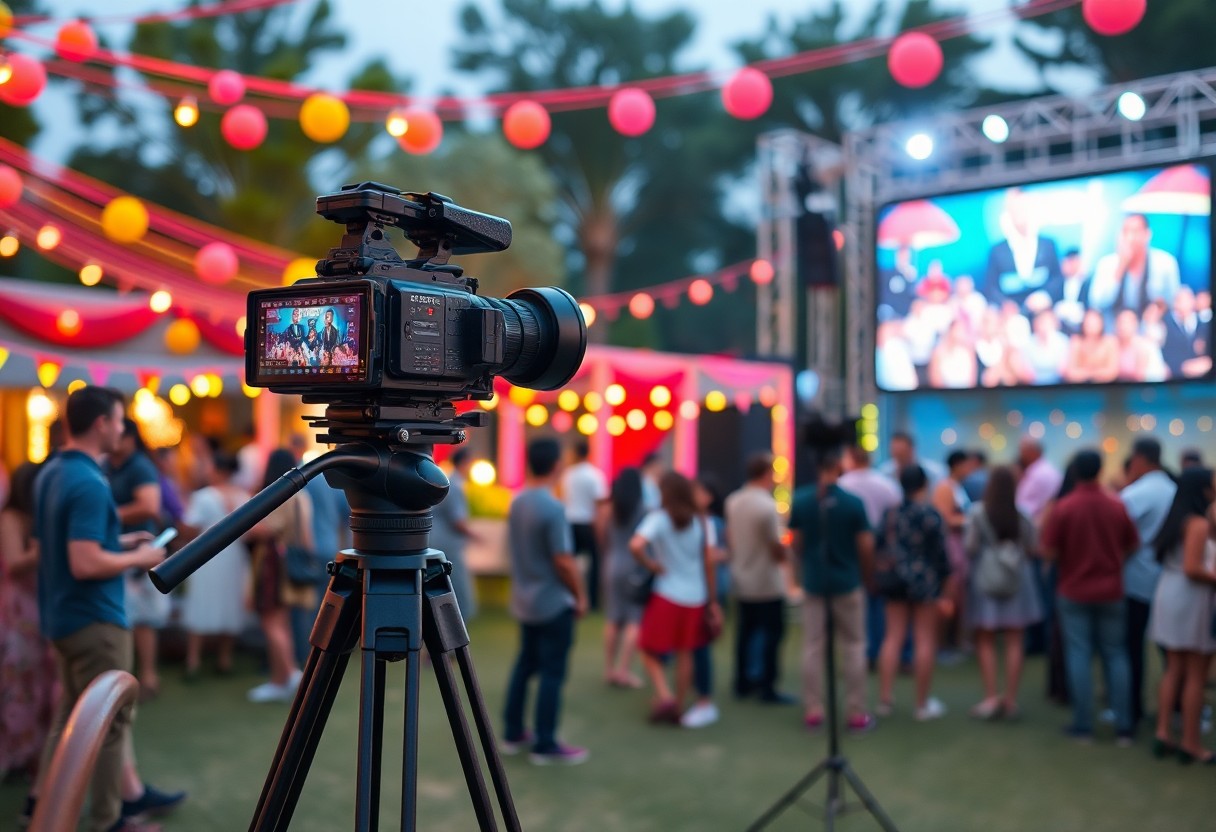
The impact of your event videography can be amplified through strategic sharing techniques tailored to capture audience attention. Focus on leveraging multiple platforms, adjusting your content to fit each outlet’s unique audience characteristics. Your goal is to not just showcase your work but to create an ongoing conversation that draws viewers in and encourages sharing, boosting your visibility.
Platform-Specific Formats: Tailoring Content for Optimal Engagement
Each social media platform has its preferred format, and adapting your video content accordingly increases audience engagement. For instance, keep Instagram clips under 60 seconds to captivate users quickly, while Facebook allows longer, more in-depth storytelling. Creating vertical videos for TikTok enhances visibility on that platform, ensuring your hard work reaches the eyes of your intended audience while maximizing potential shares.
Promotion Tactics: Building Buzz Around Your Work
Generating excitement around your event videography requires a proactive approach. Consider creating teaser trailers that showcase highlights to spark interest before the full release. Engaging with your audience via interactive posts, like polls or behind-the-scenes content, fosters a sense of community. Collaborating with influencers or relevant brands within your niche amplifies your reach, creating opportunities for cross-promotion, as their established audiences will be introduced to your masterpieces.
Consider employing targeted ads on platforms like Facebook or Instagram to reach specific demographics interested in your content. Offering exclusive sneak peeks or early access to loyal followers can build anticipation. Creating a dedicated event hashtag makes it easier to track engagement and interaction surrounding your work. Successful campaigns often incorporate user-generated content by encouraging viewers to share their experiences linked to your video; it not only enhances engagement but also expands your audience base through organic sharing. A well-thought-out promotion strategy can significantly elevate your visibility and impact.
Summing up
Taking this into account, mastering event videography requires a blend of creativity and technical skills. By planning ahead, utilizing the right equipment, and focusing on storytelling, you can elevate the quality of your videos. Pay attention to lighting, sound, and composition to ensure each event is captured beautifully. Lastly, don’t shy away from experimenting with various styles and techniques to find your unique voice. With these tips, you’re well on your way to creating stunning videos that resonate with your audience.
FAQ
Q: What are some vital tips for planning a successful event videography shoot?
A: Effective planning is key to successful event videography. Start by understanding the event’s agenda and identifying key moments you want to capture. Create a shot list to prioritize crucial moments like speeches, performances, or special presentations. It’s also important to scout the venue beforehand to determine the best angles and lighting conditions. Communicate clearly with event organizers about any restrictions or special requests they have, as this will help in executing your vision seamlessly during the event.
Q: How can I achieve high-quality audio during an event?
A: High-quality audio is a fundamental aspect of effective videography. Utilize external microphones, such as lavalier mics for speakers or shotgun mics for ambient sound, to capture clear audio. When it’s feasible, run tests before the event starts to assess the acoustics and adjust settings accordingly. Be aware of background noise, and if possible, position microphones away from loud sources, ensuring that the audio from important speakers or performers remains prominent. Post-production can also enhance audio quality, but capturing it well from the start is vital.
Q: What techniques can enhance the visual appeal of event videography?
A: To elevate the visual quality of your event videography, focus on composition, framing, and camera movement. Use techniques such as the rule of thirds for more dynamic framing, and consider using different camera heights and angles to create visual variety. Utilize smooth camera movements, such as sliders or gimbals, to add a professional touch. Additionally, incorporating creative b-roll footage that showcases attendee interactions or venue details can add depth to your final video, making it more engaging for viewers.
Q: How can I efficiently edit event footage to produce an engaging final video?
A: Efficient editing begins with organization. Import and categorize your footage based on sequences, such as speeches, candid moments, and b-roll clips. Use editing software to trim the clips down to their best takes and create a storyline that flows well, ensuring it’s aligned with the event’s progression. Introduce transitions and effects sparingly; a simple fade or cut often keeps the focus on the content. Additionally, consider adding music that complements the event’s atmosphere, and use color grading to enhance the overall look of the video.
Q: How important is color grading in the final videography product?
A: Color grading plays a significant role in creating a cohesive and polished final video. It helps to set the mood and emotional tone of the footage. By adjusting brightness, contrast, saturation, and color balance, you can unify different clips shot under varying lighting conditions. Color grading can also enhance the aesthetic appeal, giving your video a professional look that resonates with viewers. Take time to learn color correction techniques and explore looks that fit the theme of the event for an impactful result.

Leave a Reply
You must be logged in to post a comment.