
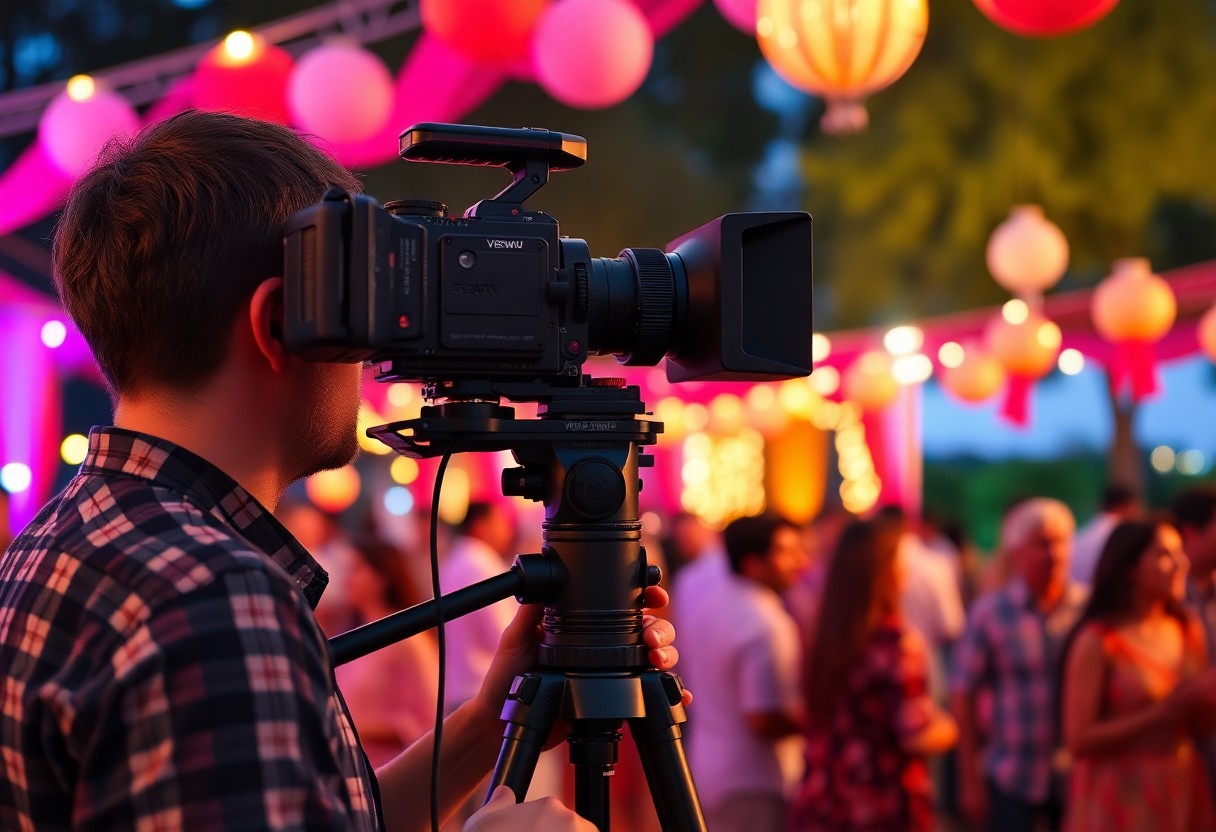
Just like a great storyteller, you have the opportunity to create mesmerizing videos that capture the essence of any event. In this guide, you’ll explore important techniques and tips that will elevate your videography skills, ensuring your footage not only looks stunning but also resonates with viewers. From planning your shots to mastering editing software, your journey to becoming a captivating event videographer starts here. Get ready to unleash your creativity and make lasting memories come to life through your lens!
Key Takeaways:
- Plan your shots in advance by creating a storyboard or shot list to ensure you capture all key moments.
- Utilize various camera angles and movements to add depth and interest to your coverage.
- Prioritize good lighting to enhance the quality of your videos; natural light can often be the best source.
- Incorporate high-quality audio equipment to capture clear sound, as audio quality is just as important as video quality.
- Edit thoughtfully, using pacing and music to enhance the story and engage your audience.
- Be adaptable; stay alert to spontaneous moments during the event that could make your footage even more compelling.
- Consider including interviews or testimonials for a personal touch and to provide additional context to your event coverage.
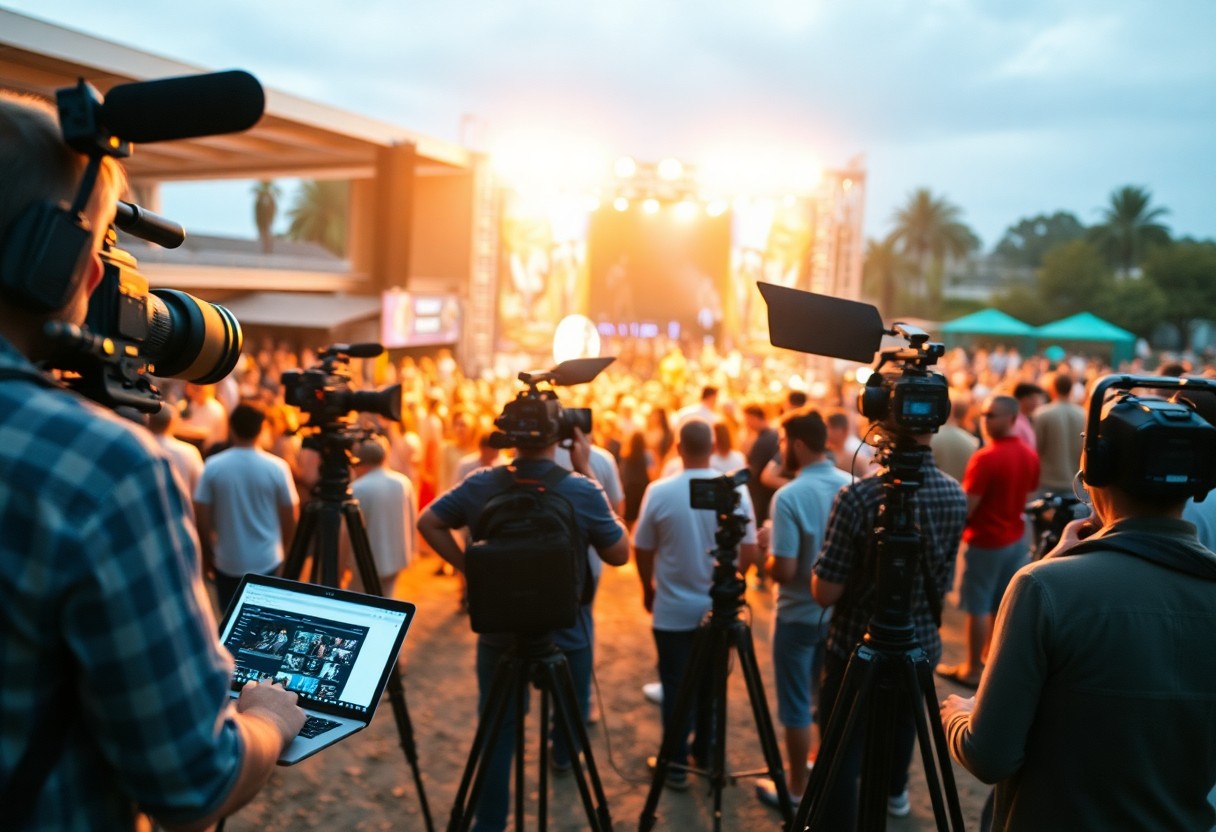
Crafting a Compelling Narrative Through Film
To create an engaging event video, focus on crafting a narrative that draws viewers in and keeps them invested in the story. This involves not only capturing the highlights of the event but also weaving together the emotions, experiences, and key moments that define the atmosphere. As you plan your filming approach, consider how the narrative elements can enhance your audience’s understanding and emotional connection to the event.
Identifying Key Themes and Messages
Your video’s impact stems from its underlying themes and messages. Start by analyzing the event’s purpose, audience, and key speakers. For example, if the event emphasizes collaboration, highlight moments of interaction between participants that reinforce this theme. By pinpointing these core ideas, you can ensure that your narrative remains focused, purposeful, and compelling throughout.
Structuring Your Story Arc Effectively
Crafting a well-structured story arc gives your video a natural flow that enhances viewer engagement. Each event video should follow a basic structure: an engaging introduction that sets the scene, a development phase showcasing key activities and interactions, and a resolution that encapsulates the event’s outcomes or sentiments. For instance, to illustrate a successful charity event, begin with a captivating open that showcases the event’s goals, transition into testimonials and activities that highlight the participants’ contributions, and conclude with a moving summary of the funds raised and gratitude expressed.
This narrative structure allows you to build tension and excitement, inviting viewers to become emotionally invested in the unfolding story. Utilize effective transitions between segments and intersperse interviews or reactions to add depth. Consider employing visual storytelling techniques, like capturing candid moments, dynamic angles, and incorporating background music that complements the mood. With a planned story arc, you not only retain viewer interest but also ensure that your message resonates long after the video ends.
Mastering Your Equipment for Optimal Results
Developing mastery over your videography equipment elevates your finished product to a new level. Understanding settings like frame rate, exposure, and focus will allow you to adapt to different lighting conditions and subjects at your event. Hands-on practice with your gear before the day arrives will help you operate confidently and efficiently, ensuring you capture the essence of each moment without being distracted by technical difficulties.
Essential Gear Checklist for Event Videography
Your gear should reflect your creative vision and adapt to the environment you’ll be working in. Equip yourself with a solid checklist to ensure that you don’t overlook any imperative tools. Here’s a basic list to get you started:
| Camera | DSLR or mirrorless for optimal video quality |
| Stabilizer | Gimbal or tripod to avoid shaky footage |
| Audio Equipment | Lavalier or shotgun microphones for clear sound |
| Lighting | Softboxes or LED panels for event lighting |
| Batteries | Extra batteries for all devices for extended shoots |
| Memory Cards | Several high-capacity cards to avoid storage issues |
Advanced Techniques for Capturing Stunning Footage
Incorporating advanced videography techniques can significantly enhance the storytelling of your event videos. Utilizing techniques such as slow-motion, time-lapses, and aerial shots can add dynamic elements that captivate your audience. Combining various perspectives and angles not only enriches the narrative but also showcases the atmosphere and emotions throughout the event.
| Slow Motion | Use to highlight emotional moments or action |
| Time-lapse | Great for capturing setup or crowd movement |
| Aerial Shots | Drone footage offers breathtaking views and context |
| Creative Angles | Use different angles to add depth and interest |
- Practice your panning and tilting skills for a smoother shot.
- Experiment with depth of field to focus on subjects while blurring backgrounds.
- Utilize natural light effectively throughout the event.
- Be aware of background noise and eliminate distractions for a cleaner audio quality.
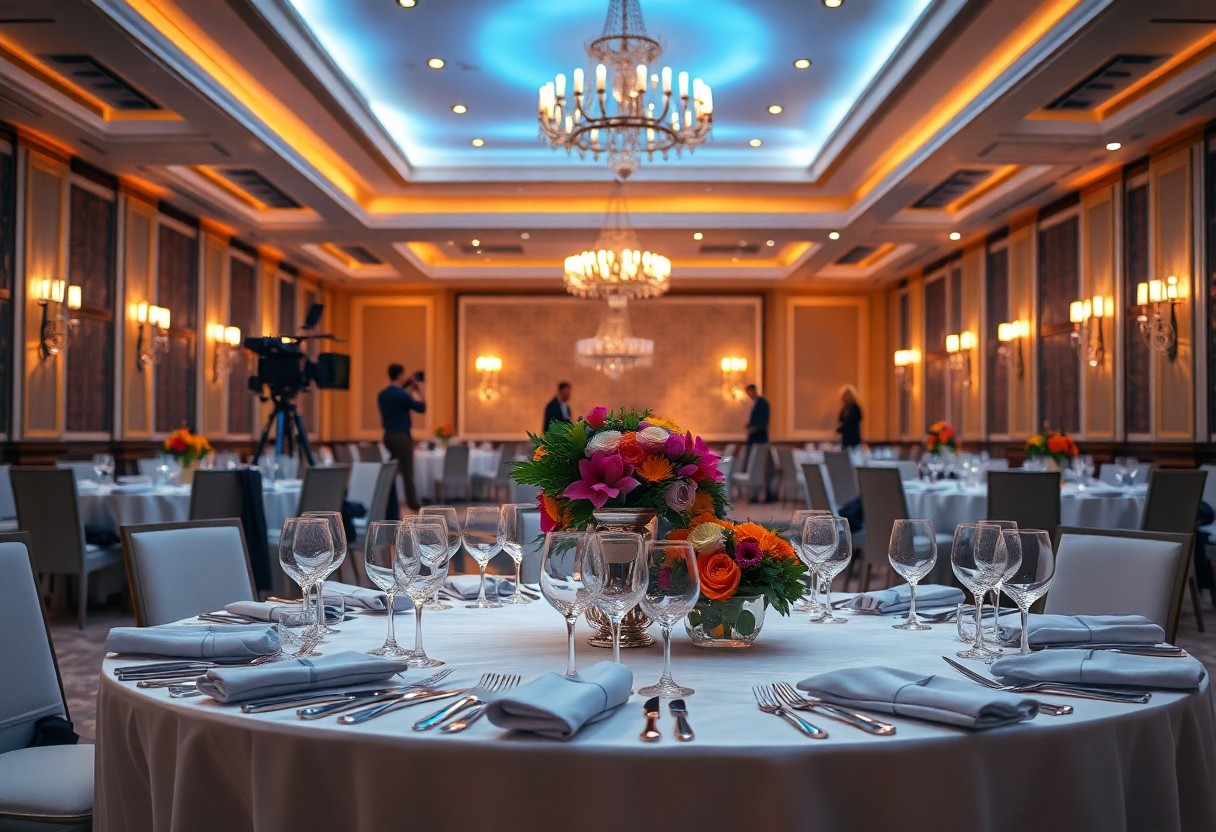
Lighting Secrets: Transforming Ambiance Into Art
Lighting plays an indispensable role in event videography, acting as the unseen brush that paints your visuals. From establishing mood to defining focus, the lighting setup has the power to enhance the overall storytelling of your event. By mastering both natural and artificial lighting techniques, you can create compelling visuals that resonate with your audience, making your videography not just a record but an immersive experience.
Harnessing Natural Light to Your Advantage
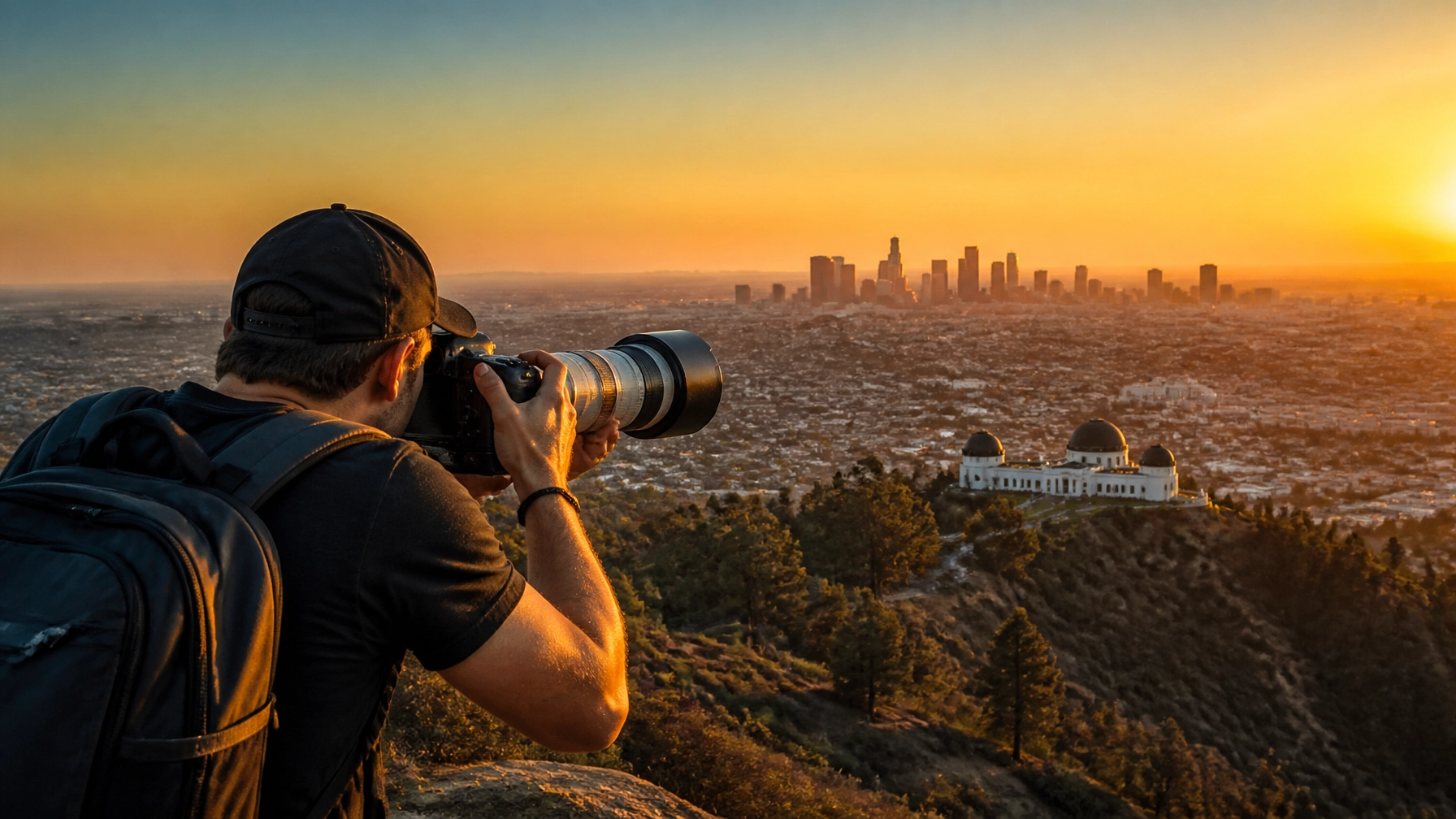
Utilizing natural light can bring a soft, organic feel to your videos, especially during outdoor events or in venues with ample windows. Early morning or late afternoon sunlight produces a golden hue that adds warmth and depth. Positioning your subjects to face the light while avoiding harsh shadows is a simple yet effective technique to capture stunning, naturally lit footage.
Utilizing Artificial Lighting to Create Mood
Artificial lighting transforms an event’s atmosphere, allowing you to craft unique emotional landscapes. Employing tools like LED panels, softboxes, or colored gels can dynamically alter the perception of your footage. Consider how different colors and intensities can evoke various feelings — warm tones create intimacy, while cool hues evoke calmness. Pairing multiple light sources gives you creative flexibility, ensuring every shot captures the desired mood.
The strategic placement of artificial lights can significantly affect the emotional undertones of your video. For instance, using a backlight can create silhouettes that add drama or mystery, while soft front lighting can highlight expressions and details, making people feel more approachable. Also, consider using practical lights, such as candles or strings of light, to provoke warmth and nostalgia in your scenes. By experimenting with different setups, you can uncover the perfect balance that enhances your storytelling while maintaining a polished aesthetic.
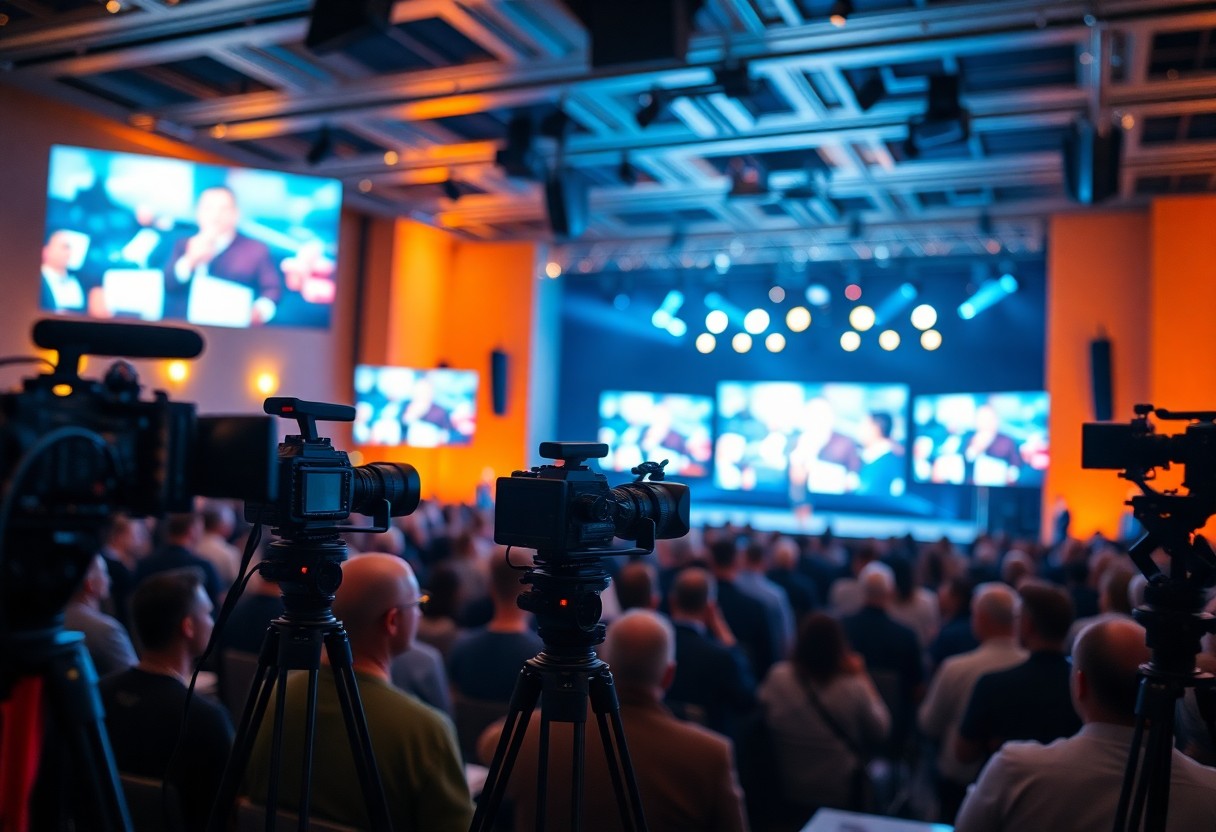
Engaging the Audience: Techniques for Emotional Resonance
Creating an emotional connection with your audience transforms ordinary event videography into something truly captivating. Techniques such as incorporating genuine personal stories and well-placed interviews allow you to not only share the facts of the event but also to convey the feelings and experiences behind them. By focusing on the shared human experiences, you help viewers relate to the content on a deeper level, making the video more impactful and memorable.
The Power of Interviews and Personal Stories
Integrating interviews and personal stories into your videography opens doors to authentic emotions. Capturing firsthand accounts allows participants to express their sentiments and perspectives, creating a strong narrative thread throughout your video. Viewers connect not just with the event, but with the individuals who experienced it, fostering empathy and engagement.
Incorporating B-Roll for Contextual Depth
B-Roll footage adds layers of meaning and context to your primary shots. It allows you to illustrate points made in interviews, showcase the atmosphere, and highlight interactions that might otherwise be lost. Instead of simply presenting the event, B-Roll enriches the narrative, guiding viewers through the experience.
Consider a scenario where an interviewee shares an emotional story about a surprise announcement at the event. By seamlessly integrating B-Roll—such as close-ups of their reactions, audience responses, and the overall environment—you create a richer, more immersive storytelling experience. Use cutaways during audio bites to emphasize key moments, share reactions from attendees, or visually represent theme elements. Each B-Roll clip should serve a purpose, whether to illustrate a point, build a visual narrative, or enhance the emotional weight of the interviewee’s account. This depth is vital in transforming an event video into a piece of art that resonates long after the credits roll.
Editing Like a Pro: The Final Touch
The magic of event videography truly happens in the editing room. Here, you can turn a collection of clips into a cohesive story that resonates with viewers. Focus on pacing, transitions, and color grading to enhance the emotional impact of your footage. By giving attention to these elements, you create not just a video, but an engaging experience that echoes the event’s spirit.
Choosing the Right Software and Tools
Selecting the ideal editing software and tools can significantly enhance your editing process. Programs like Adobe Premiere Pro and Final Cut Pro offer a plethora of features that cater to both beginners and professionals. Explore options such as DaVinci Resolve for color correction or After Effects for motion graphics to add flair to your edits, making them stand out in a crowded digital space.
Crafting a Seamless Edit That Captivates
A seamless edit involves combining your footage with precise transitions and a thoughtfully curated soundtrack. Use techniques like cutting on action to maintain momentum and immersiveness while avoiding awkward pauses that disrupt flow. Layering audio tracks, like dialogue, music, and natural sounds, can enhance the viewer’s emotional connection, resulting in a richer narrative experience.
To master seamless editing, focus on the rhythm of your cuts. A well-edited video should feel intuitive; transitions between scenes should occur naturally, enhancing the viewer’s engagement. Utilize J and L cuts to create context as you shift between clips; this method allows the audio from one scene to bridge into the next, fostering continuity. You can also apply effects like crossfades and jump cuts sparingly to elevate the tempo, ensuring that your final product captivates audiences from start to finish.
Summing up
Hence, by following this imperative how-to guide for captivating event videography, you can elevate your skills and create compelling videos that resonate with your audience. Utilize the techniques outlined, from planning and equipment selection to storytelling and editing, to transform your vision into reality. By focusing on quality and engaging content, you can ensure that your videography stands out, making your events unforgettable both for you and your viewers.
FAQ
Q: What equipment do I need for event videography?
A: For effective event videography, it’s crucial to have reliable equipment. A good camera with video capabilities is paramount, along with lenses suited for various situations, such as wide-angle lenses for crowds and zoom lenses for close-ups. Additionally, a stabilizer or gimbal can help keep your footage steady. You should also consider using external microphones for clear audio, portable lighting for low-light situations, extra batteries, and adequate storage cards to ensure you don’t miss any moments during the event.
Q: How do I plan my shots effectively before the event?
A: To plan your shots, start by discussing the event’s schedule with the organizers. Identify key moments that you wish to capture, such as speeches, performances, or special ceremonies. Create a shot list or diagram of the venue to mark out locations where you can set up cameras or position yourself. It helps to scout the venue in advance to note lighting conditions and areas that offer good angles. Additionally, communicate with the event staff, as they can provide insights on the flow of the event and any unexpected changes.
Q: What techniques can I use to enhance the storytelling aspect of my event videography?
A: To enhance storytelling, focus on capturing candid moments that convey emotion, such as audience reactions or interactions between guests. Use a combination of wide shots to establish the setting and close-ups for intimate moments. Incorporating interviews or sound bites from key individuals can also add depth to your narrative. Edit your footage to create a rhythm that matches the event’s mood, and consider using music that complements the highlights. Including transitions and graphics can also help polish the final video and make the message clearer.
Q: How should I approach the editing process for event footage?
A: Start the editing process by organizing your footage into folders based on events, speeches, or significant moments. Select the highlights first; aim to capture the essence of the event without overwhelming the viewer with too much content. Use editing software that allows you to work with multiple layers, so you can add audio, effects, and transitions as needed. Consistency in color grading and audio levels is also key for a professional look. Finally, keep your target audience in mind, tailoring the length and style of your video to what would engage them the most.
Q: What are some tips for managing unexpected challenges during an event shoot?
A: Being prepared for unexpected challenges is crucial for any videographer. Always have backup gear, including extra batteries and memory cards, to mitigate potential technical issues. Identify a space where you can retreat if you need to troubleshoot equipment or take a break. Stay adaptable; if plans change, communicate with other staff to stay informed about the event’s flow. A calm demeanor will help you handle challenges more effectively, allowing you to capture the essence of the event without losing focus.

Leave a Reply
You must be logged in to post a comment.