

Capture every significant moment of your event by creating an effective shot list that streamlines your photography planning. This vital tool not only helps you stay organized but also ensures you don’t miss important details during the excitement of the day. In this blog post, you’ll learn how to prioritize key shots, tailor your list to different types of events, and communicate effectively with your team, so you can focus on enjoying the experience while ensuring every unforgettable memory is documented.
The Anatomy of a Comprehensive Shot List
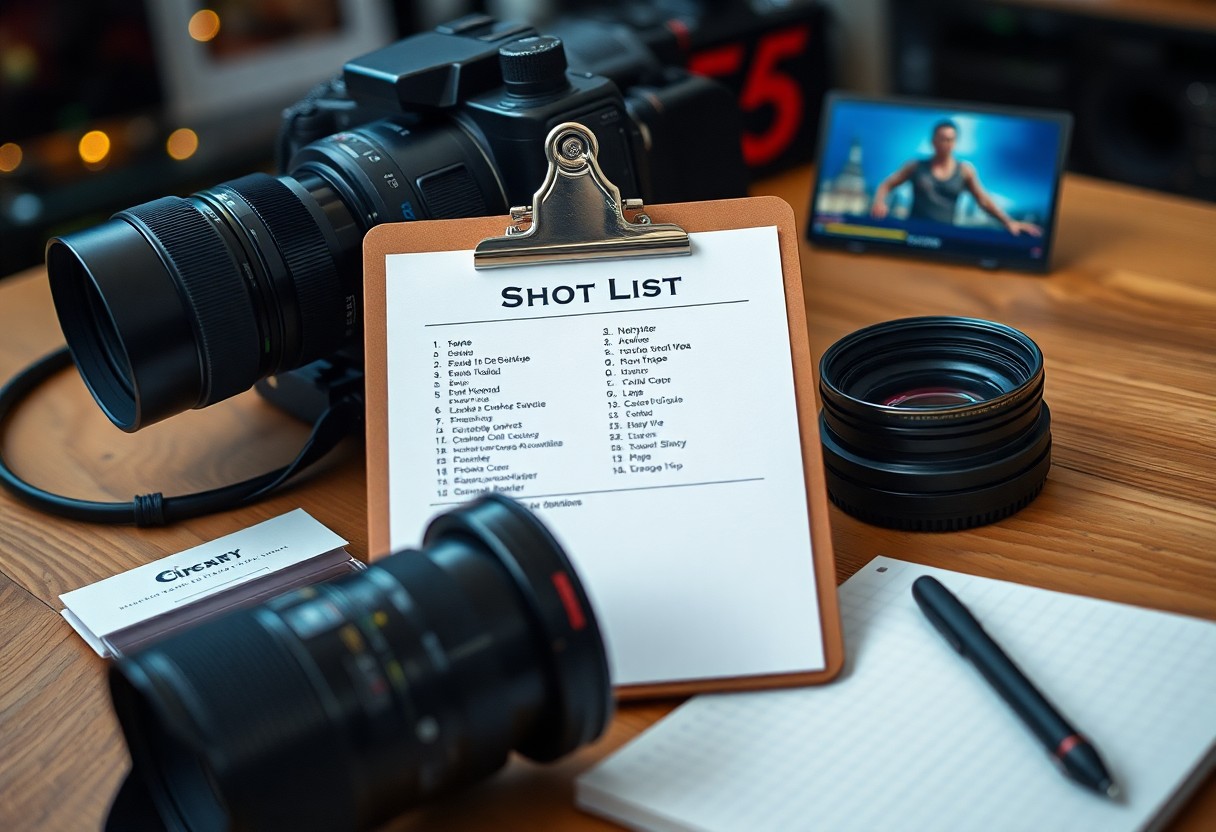
A well-structured shot list serves as a blueprint for your shoot, guiding you through the important moments and scenes you must capture. It should encompass everything from creative angles to pivotal interactions. By breaking down each segment of your event, you ensure no detail is overlooked, ultimately creating a polished final product. The next step is focusing on what truly matters by identifying key moments and categorizing your shots effectively.
Identifying Key Moments: What Truly Matters
Focus on the highlights that define your event’s narrative. Key moments can range from the emotional reactions during a ceremony to the lively interactions during a reception. By pinpointing what resonates most with you and your audience, you can prioritize capturing those precious instances that tell a compelling story.
Categorizing Shots: Essential Types for Effective Coverage
To ensure comprehensive coverage, categorizing your shots into important types streamlines the shooting process. Consider aspects like emotional shots, details, candid moments, and established compositions. Each type serves a purpose, creating a balanced representation of the event and enhancing the storytelling aspect of your work.
| Shot Type | Description |
| Wide Shots | Establish the scene and context. |
| Candid Shots | Capture genuine emotions and interactions. |
| Detail Shots | Highlight intricate aspects like decor or attire. |
| Portrait Shots | Focus on key individuals to personalize the narrative. |
| Action Shots | Document movement and liveliness during events. |
Focusing on these categories allows for a strategic approach to your shoot. Incorporating a variety of shot types will not only depict the event clearly but also maintain viewer engagement. Every shot adds layers to the story, creating a more vibrant portrayal that resonates with those who were there, as well as those who were not.
- Wide shots provide context.
- Candid shots evoke genuine emotion.
- Detail shots showcase the craftsmanship.
- Portrait shots emphasize personalities.
- Action shots bring energy and movement.
Any photographer can benefit from utilizing these diverse categories, ensuring a comprehensive overview of the event. Prioritizing each category will lead your audience through a visual narrative that’s both compelling and memorable.
| Tip | Benefit |
| Plan Wide Shots | Provide context for storytelling. |
| Incorporate Candid Shots | Reveal emotional authenticity. |
| Capture Details | Add depth and interest to your shots. |
| Schedule Portrait Shots | Create a personal connection with viewers. |
| Document Action | Showcase dynamic moments vividly. |
Techniques for Gathering Insightful Input
Leveraging varied perspectives through collaborative efforts can significantly enhance your shot list creation process. Engaging with those involved in the event, such as event planners, family members, or participants, provides diverse insights that can illuminate unexpected moments worth capturing. By opening a dialogue, you can uncover specific details, themes, or personal stories that resonate with your audience, ensuring a more comprehensive representation of the event.
Collaborating with Stakeholders: The Power of Perspective
Involving stakeholders early on allows you to tap into their vision and expectations. Their unique insights can help identify key moments that may go unnoticed otherwise. This collaboration fosters a sense of ownership and ensures that the imperative elements of the event are prioritized, leading to a richer storytelling experience in your final footage.
Analyzing Historical Footage: Learning from Past Successes
Reviewing previous footage from similar events can offer invaluable guidance. By identifying what worked well and what didn’t, you can refine your approach. This analysis empowers you to build on successful tactics, avoid common pitfalls, and determine which moments resonate most with your audience, ultimately elevating the quality of your shot list and the final output.
Diving deeper into historical footage not only reveals successful shot compositions but also highlights emotional peak moments that captivated viewers. Consider analyzing scenes where audience reactions were particularly strong or where poignant interactions occurred. For instance, examining wedding footage might point to the significance of capturing a first look or the couple’s emotional vows. By integrating these lessons into your upcoming projects, you enhance your ability to craft a shot list that captures imperative moments and creates a meaningful narrative. Always be on the lookout for patterns of engagement that can inform your choices and lead to a more polished final product.
Practical Steps for Drafting Your Shot List
Drafting your shot list requires a structured approach to effectively capture every key moment. Start by gathering insights from all stakeholders involved, ensuring you understand their visions and expectations. After consolidating these insights, create a fleshed-out list based on the most vital moments, taking into consideration timing, location, and emotional impact. Regular revisions are necessary as your project unfolds, allowing you to adapt to new ideas or unforeseen circumstances while maintaining your initial objectives.
Structuring Your List: Chronology vs. Themes
Choosing between a chronological order and a thematic structure for your shot list can impact how you capture the narrative. Chronological organization follows the sequence of events as they unfold, which is especially useful for storytelling in documentaries and events like weddings. On the other hand, a thematic approach groups shots based on core topics or emotions, which can effectively convey an overarching message or concept, giving your work a more unified feel.
Utilizing Technology: Apps and Tools to Streamline the Process
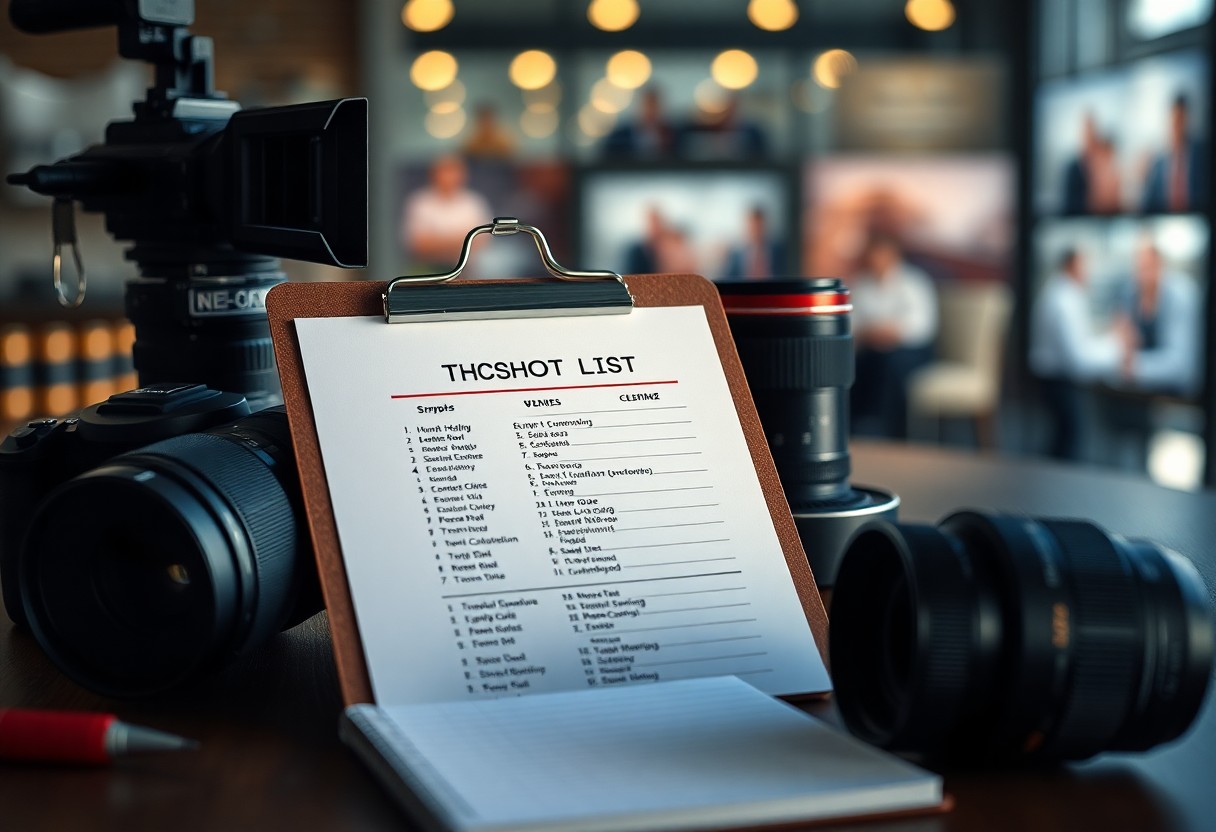
Incorporating technology can significantly enhance your shot list creation, making the process more efficient. Various apps and tools exist that help you organize your shots, collaborate with team members, and even visualize scenes with accompanying images. For instance, tools like Shot Lister and StudioBinder are tailored for filmmakers, allowing you to create, edit, and share your lists seamlessly from your devices. With their user-friendly interfaces and robust features, these platforms simplify the management of your shot list, keeping you organized and focused.
Shot Lister allows you to create a mobile-friendly shot list that you can access on the go, complete with the capability of dragging and dropping shots as needs change. StudioBinder offers a more comprehensive suite that not only helps with shot lists but also integrates scheduling, call sheets, and more, promoting seamless collaboration among cast and crew. The use of these tools can save time and avoid the headaches of disorganization, enabling you to focus on capturing those important moments without distraction.
Implementing Flexibility: Adapting on the Fly
Being prepared to adapt your shot list in real-time is vital for capturing the essence of an event. Whether a spontaneous moment arises or an unexpected situation occurs, your ability to pivot and adjust can result in powerful storytelling. Assign a designated point person who can help communicate urgent changes, allowing you to stay focused on what matters most: capturing the moment.
Preparing for the Unexpected: Strategies for Quick Adjustments
Anticipating surprises helps you navigate challenges smoothly. Develop a backup plan for key shots, ensuring you have alternatives in case conditions change. A quick reference sheet of must-have moments can also guide you, allowing for brisk decision-making. Maintaining a versatile mindset is vital; keep your gear ready for rapid deployment, so you can seize fleeting opportunities without hesitation.
Prioritizing Your List: Deciding What to Let Go When Time is Tight
In the face of dwindling time, assessing the importance of each shot on your list becomes paramount. Focus on capturing key emotional moments and any milestones that define the story you’re telling. Let go of redundant shots and be willing to adapt your original vision to accommodate new angles or opportunities that arise during the event.
To effectively prioritize when time is tight, list your shots in order of significance. Identify the five to ten moments that are non-negotiable and ensure those are captured first. This approach grants you the freedom to explore additional shots if time permits but anchors you in capturing the heart of the event. Embrace the idea that sometimes, the best stories come from spontaneous moments that might fall outside your original list—be open to those possibilities while keeping your crucial shots in sight.
Reviewing and Refining: The Importance of a Final Check
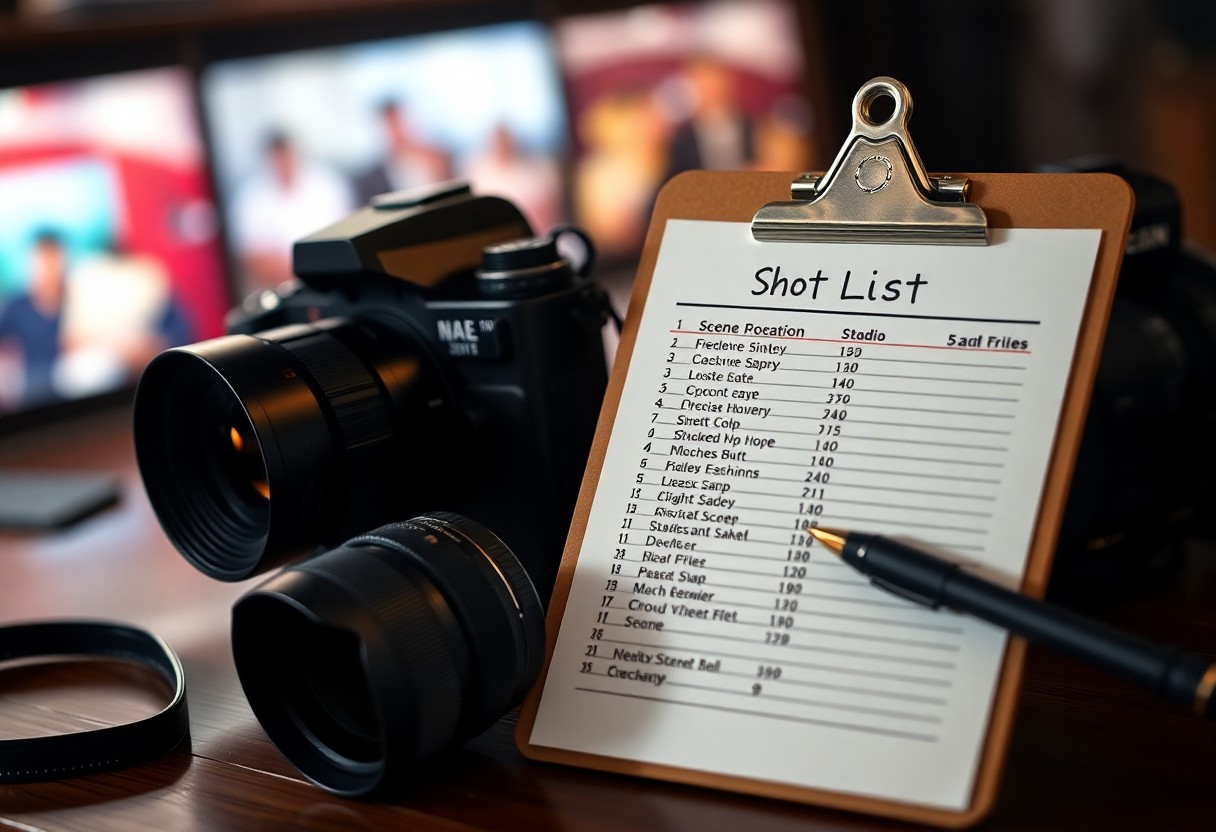
A final review of your shot list allows you to pinpoint any potential gaps or redundancies before the big day. Take the time to cross-check your list against the agenda of the event, ensuring you’ve accounted for all key moments. This step not only builds your confidence but also allows for adjustments based on any last-minute changes. By refining your list with meticulous attention, you enhance your preparedness and set yourself up for success in capturing those vital moments.
Conducting Walkthroughs: Practicing Your Vision
Walkthroughs serve as a dry run to visualize each shot in your list. By moving through the venue and positioning yourself in various locations, you can discover the best angles and lighting conditions. Engage your team in this process, as their insights may uncover overlooked elements or problems with timing. This proactive approach helps solidify your understanding of the flow of the event, enabling you to anticipate and capture every critical moment more effectively.
Gathering Feedback: Iterative Improvements for Future Projects
Soliciting feedback on your shot list and overall approach is invaluable for your growth as a content creator. Engaging with teammates or mentors who can scrutinize your work provides fresh perspectives and unearths areas for refinement. This iterative process not only enhances your current project but also augments your skills for future ventures. Consistently applying constructive criticism will lead to more polished and compelling visuals down the road.
After completing a project, consider scheduling a debrief session where you can discuss what worked and what didn’t. Gather input from everyone involved, including your crew and subjects. Analyze specific moments that fell short of expectations or shots that succeeded beyond your plans. Cultivating this environment of open dialogue fosters an ongoing learning cycle, ensuring your next projects benefit from valuable insights gained from past experiences. You’ll discover patterns in your shooting that can lead to more effective shot lists and ultimately, improved storytelling for future events.
Final Words
From above, understanding how to create a shot list is important for ensuring you capture every important moment during your shoot. By meticulously planning and organizing your shots in advance, you can guide your creativity and maintain focus throughout the process. Tailoring your list to the specific event or project allows you to prioritize key moments while still allowing for spontaneous captures. Ultimately, this preparation will help you tell a compelling story with your visuals, making your work more impactful and memorable.





Leave a Reply
You must be logged in to post a comment.