
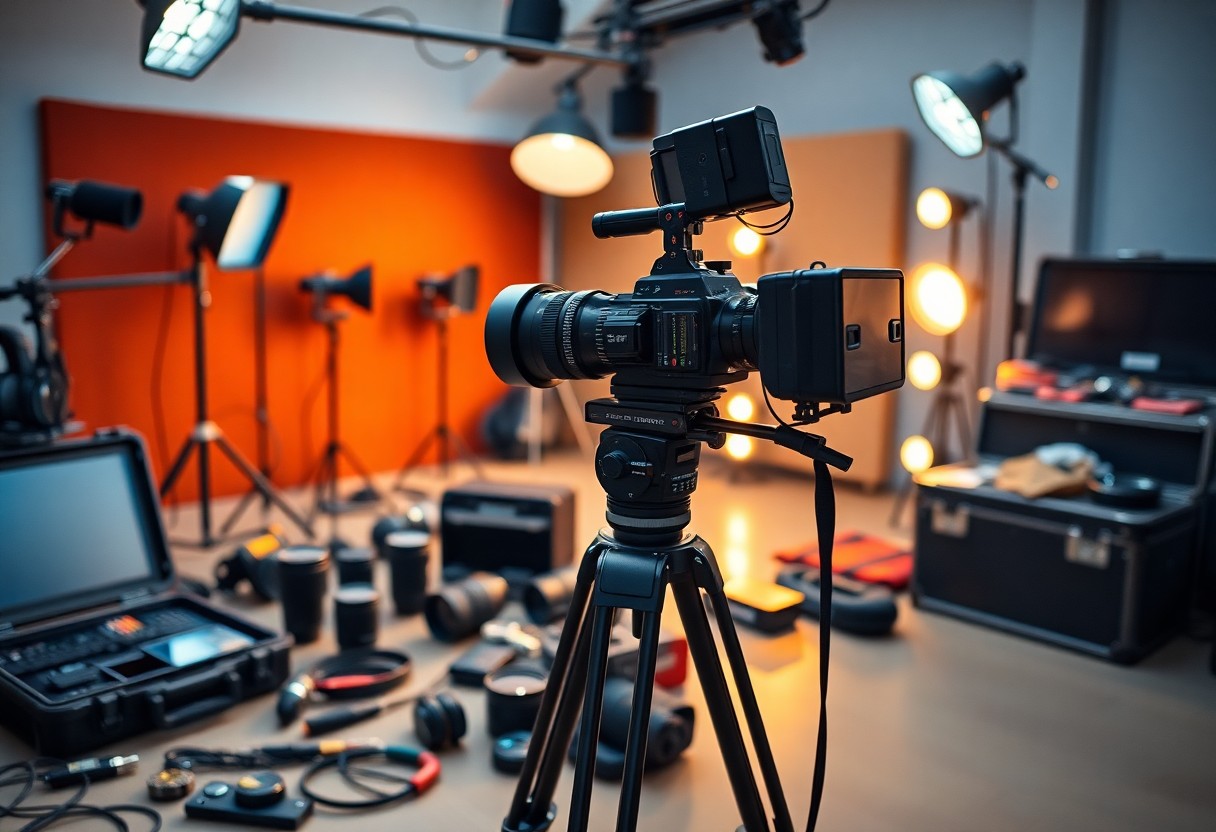
Videography is an art that requires both technical skill and creative vision to capture your event in the best possible light. To achieve high-quality results, you must focus on important elements like lighting, audio, and composition, ensuring every moment is beautifully documented. In this guide, you will gain insider tips that will elevate your videography, allowing you to create memorable and engaging films that resonate with your audience. Let’s explore the strategies that will make your event videography stand out for its professional quality.
Key Takeaways:
- Planning is imperative: Outline the event timeline and key moments to capture, ensuring an organized shooting schedule.
- Invest in quality equipment: Using high-definition cameras, stabilization gear, and professional audio equipment enhances the overall production quality.
- Utilize proper lighting: Adjusting and optimizing lighting conditions can significantly improve video clarity and aesthetic appeal.
- Capture various angles: Employ multiple camera angles and shots to create a dynamic storytelling experience during the editing process.
- Prioritize audio quality: Clear audio can elevate the viewer’s experience; consider using external microphones and monitoring sound levels during the event.
- Be adaptable: Stay flexible and ready to adjust plans as unexpected elements arise during live events.
- Edit wisely: Choose engaging transitions, background music, and clear titles to create a polished final product that reflects the event’s essence.
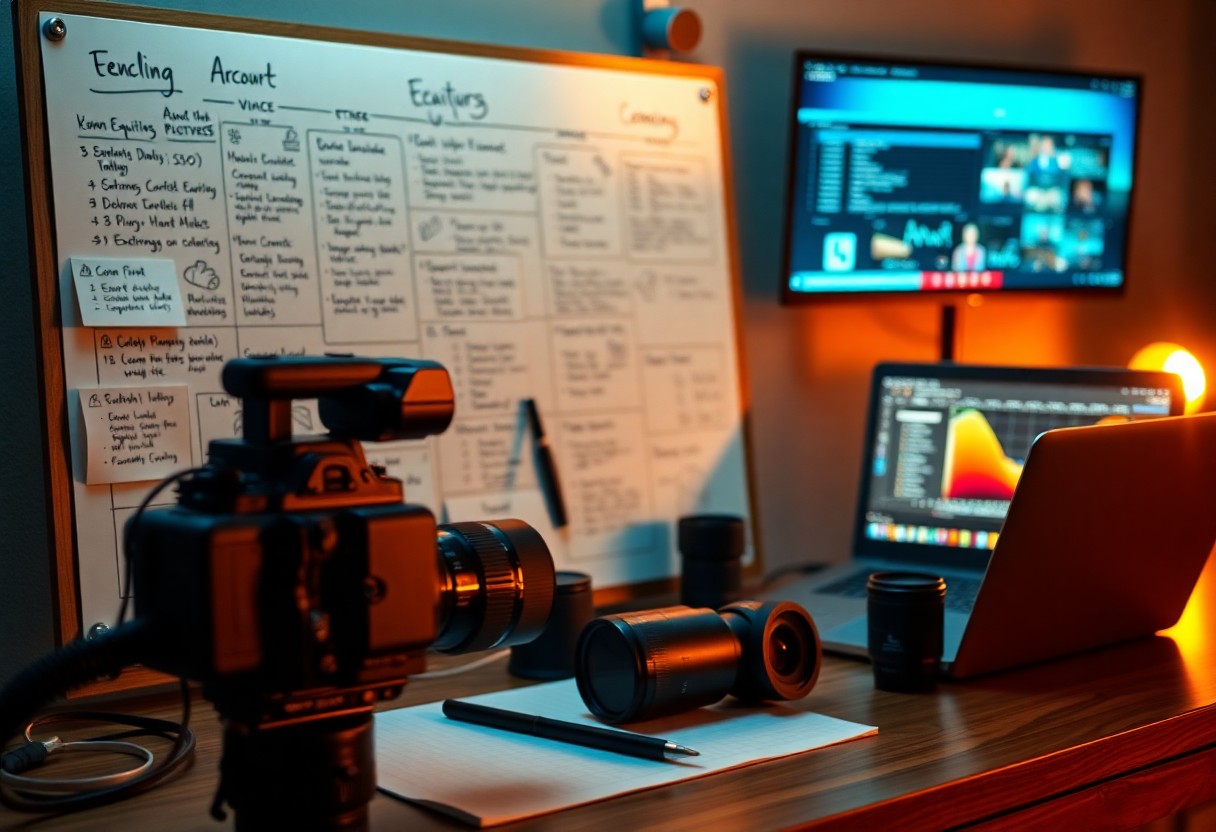
Crafting Your Vision: The Pre-Production Blueprint
In videography, pre-production is your chance to layout a clear and effective blueprint. Start by establishing a comprehensive plan that encapsulates your vision and objectives for the event you’re covering. This phase helps streamline communication, set expectations, and prepare for all situations that may arise during filming. A well-structured pre-production strategy not only saves time but also refines the narrative you want to convey through your footage.
Identifying Key Moments and Themes
Your footage should tell a compelling story, so take the time to pinpoint key moments and themes that will resonate with your audience. Consider the overarching goal of the event and identify high-impact instances that will highlight the essence of the occasion, from poignant speeches to celebratory dances. This approach will ensure that your final product is more than just a collection of clips; it becomes a cohesive narrative.
Coordination and Collaboration with Clients
Engaging with clients early is vital for ensuring that your vision aligns with theirs. Take the time to discuss their expectations, preferences, and any specific moments they want captured. Establishing open lines of communication not only aids in understanding their vision but also helps in mitigating potential misunderstandings later on in the project.
Incorporating client feedback can enhance your creative process significantly. During initial meetings, present your ideas while actively listening to their input. This exchange creates a collaborative atmosphere, allowing you to customize your approach effectively. For instance, if a client emphasizes a desire for candid moments, you can adjust your filming style to be more unobtrusive, focusing on capturing genuine reactions. Setting milestones and check-ins can also facilitate this relationship, ensuring that you remain aligned throughout the project.
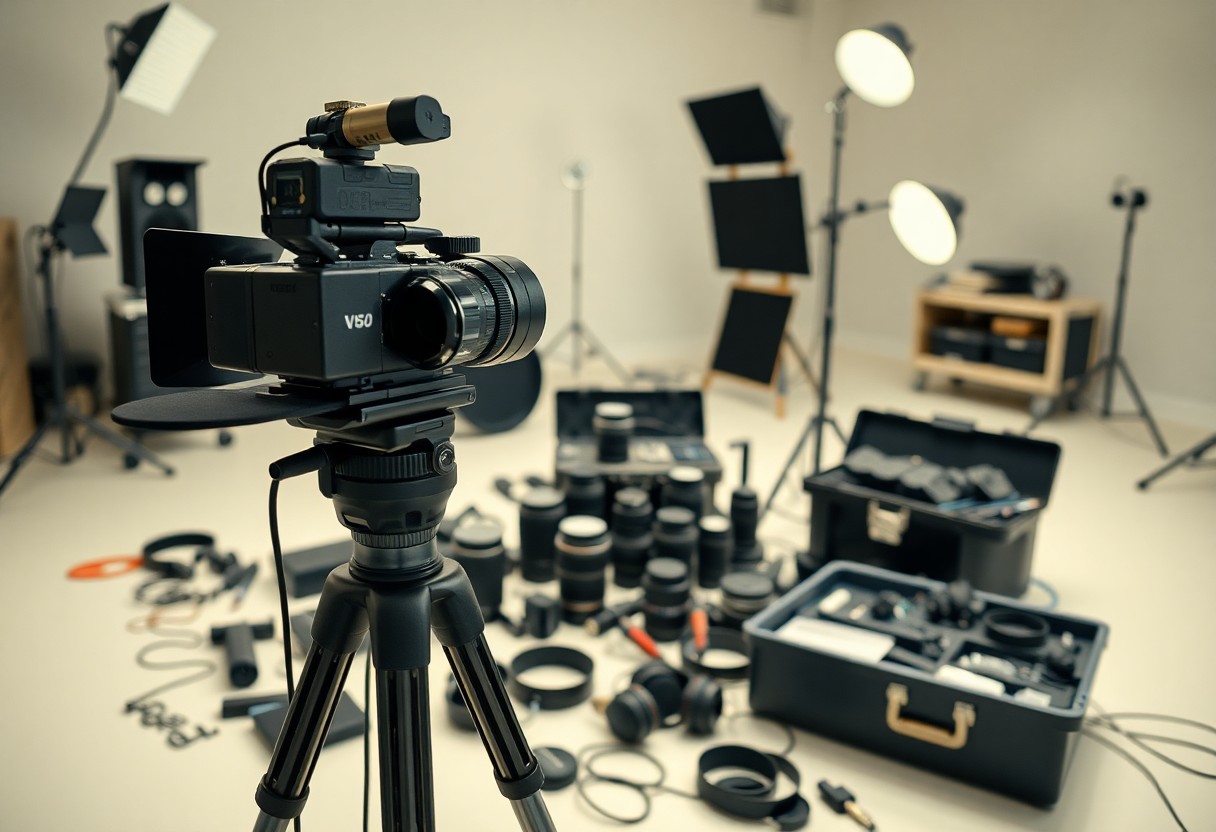
The Gear Game: Essential Equipment for Stellar Videography
Success in event videography hinges on the right equipment. From cameras to stabilization tools, investing in high-quality gear enhances your production’s overall aesthetic. A well-curated kit tailored for your specific events empowers you to capture diverse moments with precision. Always prioritize reliability and functionality to mitigate unexpected challenges during shoots.
Camera Selection and Setup Tactics
Your choice of camera profoundly impacts the final product. Full-frame cameras offer stunning depth and clarity, while DSLRs and mirrorless options provide flexibility. Ensure you familiarize yourself with your camera settings, especially frame rates and ISO adjustments, for various lighting conditions. Setting up your camera at eye level often results in a more immersive viewer experience.
Audio Quality: Why It Matters and How to Achieve It
Audio quality significantly enhances your videography. A well-captured soundscape immerses viewers in the event, while poor audio can easily detract from even the most visually stunning footage. Use external microphones to capture clearer dialogue and ambient sounds, avoiding reliance on built-in options.
Incorporating diverse audio tools is imperative for achieving professional results. Consider using lavalier microphones for clear spoken content, especially during interviews or speeches, and shotgun mics for directional sound capture in dynamic environments. In environments with multiple sound sources, audio recorders can help achieve clarity and mitigate background noise. Always conduct sound checks prior to filming to ensure that levels are balanced and clear, avoiding frustrating post-production surprises. The right audio setup will elevate your project’s quality, making it feel polished and engaging for your audience.
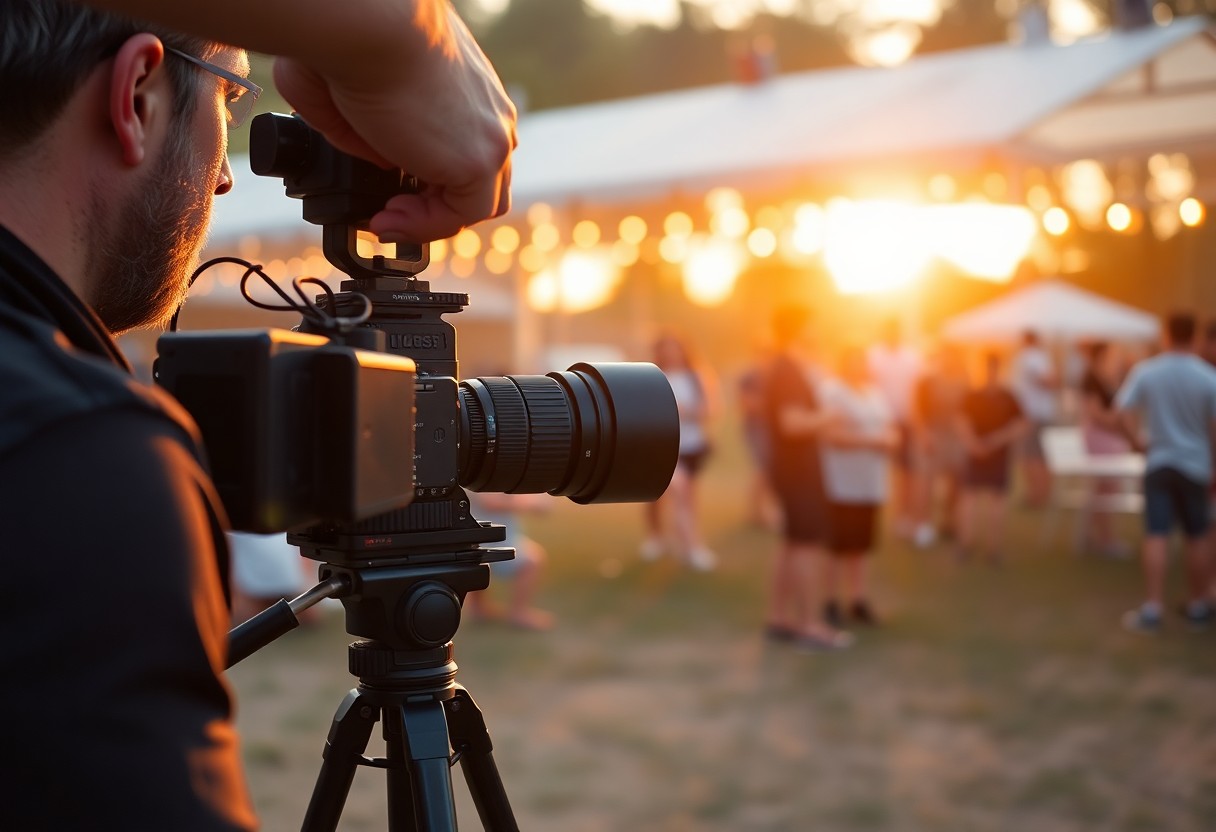
Mastering Shot Composition: Techniques for Captivating Footage
Capturing high-quality event videography demands a keen eye for composition. Each frame should not only be visually stunning but also meaningful. By mastering the art of shot composition, you enhance storytelling, ensuring your footage captivates audiences. Understanding various techniques can greatly influence the emotional impact of your videos, so concentrate on details that draw the viewer in and keep their attention focused on the narrative.
Framing and Angles that Tell a Story
Utilizing innovative framing and unique angles can transform ordinary footage into a compelling visual narrative. Experiment with wide shots to establish context, and close-ups to capture intimate moments. Use the rule of thirds to create balanced compositions, while diagonal lines can guide the viewer’s eye and evoke movement. Different perspectives, like low-angle shots to illustrate power or high angles for vulnerability, significantly impact the story your video conveys.
Movement and Flow: Keeping Viewers Engaged
Dynamic movement in your videography can dramatically elevate viewer experience. Incorporate techniques such as dolly shots, pans, and tilts to facilitate a natural flow that mirrors the event’s energy. Transitions should feel seamless, bridging scenes smoothly, maintaining the narrative’s rhythm without jarring interruptions. You might want to tie movement to the emotional tone of the moment, like slow-motion captures during poignant speeches or fast-paced cuts during celebrations.
Incorporating movement effectively requires a strategic approach. For example, use a gimbal for smooth tracking shots that follow key moments and keep the audience invested. A sense of flow keeps your video lively; for instance, if you cover a speech, intersperse candid shots of the audience reacting to maintain engagement. Employ transitions that resonate with the event’s pace, ensuring your viewers stay immersed in the unfolding story while avoiding disjointed cuts that can distract from the main themes. Each decision you make about movement will be pivotal in enhancing the overall viewer experience.
The Art of Editing: Bringing Your Vision to Life
Editing is where your narrative truly unfolds, transforming raw footage into a captivating story. Utilizing advanced software, you piece together the best shots, ensuring smooth transitions that enhance the viewer’s experience. Keep your audience engaged by integrating pacing that matches the event’s mood, whether it’s the excitement of a wedding or the somberness of a memorial. This seamless flow is vital for communicating the essence of the occasion, crafting an emotional connection with the audience.
Workflow Best Practices for Efficiency
Efficiency in your editing workflow saves time and enhances productivity. Organize your footage meticulously by categorizing clips and creating folders based on scenes, interviews, or key moments. Utilize keyboard shortcuts specific to your editing software to accelerate the process. Implement a review system that allows you to receive feedback from clients or your team quickly. Establishing a routine for reviewing and finalizing edits can significantly streamline your post-production phase, allowing you to deliver projects on time without sacrificing quality.
Color Grading and Sound Design Essentials
Color grading elevates the visual appeal of your footage while sound design layers enrich the auditory experience. Proper grading enhances the mood, ensuring that colors are vibrant and true to life or intentionally stylized to evoke specific emotions. Similarly, sound elements like background music and ambient noise create an immersive environment. Encourage harmony by blending music with dialogue so that neither overpowers the other. By devoting attention to these details, your final product resonates more profoundly with viewers, enhancing the memory of the event.
Color grading shouldn’t just be an afterthought; it’s a pivotal process in defining the style of your project. Use tools such as LUTs (Look-Up Tables) to apply consistent tones and styles across your footage. Start by adjusting contrast and exposure to ensure the visuals look their best; then proceed to refine hues and saturation to match the event’s ambiance. Dynamic sound design is equally vital—leveraging audio layers from the event can bring life to visuals. Incorporating subtle sound effects and background audio paints a fuller picture, inviting viewers deeper into the experience. Clients often note how music can evoke feelings, boosting the overall impact of the videography. For instance, a joyful wedding montage feels entirely different with uplifting music versus emotional strings. Balancing these elements creates an engaging narrative, inviting viewers to relive the event as if they were present. This meticulous attention to detail in both color and sound not only enhances the emotional resonance but also sets your work apart as truly professional.
Navigating Client Relationships: Building Trust and Delivering Value
Strong client relationships significantly enhance your videography business. Trust serves as the foundation for collaboration, ensuring clients feel confident in your skills and vision. By establishing clear expectations and providing consistent, high-quality work, you create a loyal client base that values your expertise. Authentic communication not only strengthens these connections but also allows you to tailor your services to meet specific needs, leading to exceptional results that exceed client expectations.
Clear Communication from Start to Finish
Effective communication underpins your work, from the initial consultation through to the final delivery of the project. Be proactive in discussing project scope, timelines, and creative ideas. Regular updates keep your clients informed and involved, fostering a sense of partnership. Utilize tools like shared calendars and project management software to streamline interactions, minimize misunderstandings, and ensure everyone is on the same page, thus enhancing the overall experience for both you and your clients.
Managing Feedback and Creative Adjustments
Every project benefits from client feedback, and your ability to manage this information can greatly influence the final outcome. Consciously inviting client input during editing sessions allows you to pivot creatively and incorporate their vision, ensuring both parties feel satisfied with the result. Be open to constructive criticism and use it to refine your work, but also communicate respectfully when certain suggestions may not align with your artistic direction.
Successful management of feedback often requires balancing client desires with your professional expertise. Approach revisions with an open mind, while confidently guiding clients when necessary. For instance, if they suggest a change that could compromise the overall quality of the piece, gently explain your reasoning, backed by your experience and knowledge. Use concrete examples from previous projects to illustrate how certain adjustments benefited the final product. This not only reassures them of your proficiency but also strengthens their trust in your creative judgment. Ultimately, creating a collaborative environment fosters respect and recognition for your work, elevating the project as a whole.
Final Words
Ultimately, mastering high-quality event videography requires a blend of technical skills, creative vision, and meticulous planning. By applying the insights shared, you can elevate your videography projects and ensure your final product resonates with your audience. Focus on preparation, effective communication with clients, and continuous learning to refine your craft. With dedication and practice, you’ll develop the professional expertise needed to capture unforgettable moments that truly stand out.
FAQ
Q: What are the vital pieces of equipment for high-quality event videography?
A: To achieve high-quality results in event videography, you should invest in several key pieces of equipment. First, a reliable camera with good low-light performance is vital, as events often take place in various lighting conditions. Additionally, a variety of lenses, such as prime and zoom lenses, allow for versatile shooting options. A sturdy tripod or monopod provides stability for your shots, while external microphones enhance audio quality. Finally, consider using a portable lighting kit for situations where natural light may be insufficient.
Q: How can I improve my storytelling in event videography?
A: Effective storytelling is vital in videography. One way to enhance storytelling is by planning your shots ahead of time. Create a shot list that includes key moments you want to capture, such as speeches, performances, and candid interactions. Additionally, incorporating interviews with attendees or event hosts can provide personal insights and emotions. Finally, use editing techniques to weave together different elements, maintaining a narrative flow that guides the viewer through the event experience.
Q: What techniques can help me capture great audio during events?
A: Achieving clear and high-quality audio is vital for event videography. Start by using external microphones, such as lapel mics for speakers or shotgun mics for ambient sound capture. Always perform sound checks before the event to identify any potential issues. Consider using a portable audio recorder to capture audio separately, which can be synced in post-production. Additionally, be aware of your environment; positioning yourself away from loud distractions will help to preserve the audio integrity.
Q: What editing tips can enhance the final product of my event videography?
A: The editing phase is where your video truly comes together. Begin by organizing your footage based on segments of the event for easier navigation. Use color grading to create a cohesive visual style that suits the event’s mood. Incorporating transitions and effects can smooth the flow between scenes but should be used sparingly to avoid distraction. Also, adding appropriate background music can enhance emotion. Lastly, export your video in a suitable format for the intended platform to ensure it looks its best.
Q: How do I ensure that I am capturing all important moments during the event?
A: To ensure that you capture all vital moments during an event, thorough preparation is key. Begin by communicating with the event organizer to understand the schedule and highlight significant moments. Create a timeline or checklist to keep track of the events as they unfold. It may also be beneficial to work with a second videographer, allowing you to cover more angles and moments simultaneously. Lastly, keeping your camera ready and being adaptable will help you seize spontaneous moments that add depth to your final video.

Leave a Reply
You must be logged in to post a comment.