
You have captured unforgettable moments at your event, and now it’s time to elevate those images through editing. With the right techniques, you can bring out the vibrancy and emotion in your photos, transforming them into stunning visuals. This guide will introduce you to necessary editing tips that will not only enhance your skills but also ensure your photos truly reflect the energy of the occasion. Get ready to learn how to make your event photography shine like a pro!
Transforming Raw Shots into Visual Masterpieces
Your raw shots hold the potential for greatness, but the magic truly happens in the editing process. By refining your images through careful adjustments, you can bring out the best in each moment. Enhancing details and clarity helps convey the emotions of the event, creating a more immersive experience for viewers. Embrace the art of transformation, where a simple snapshot can evolve into a narrative that captures the essence of the occasion.
Analyzing Composition and Cropping for Impact
Enhancing Colors and Textures with Editing Software
Mastering the Art of Light
Light is the most vital element in photography that can dramatically influence the mood, clarity, and overall visual impact of your event photos. Mastering how to manipulate light through editing can elevate your images and bring your subjects to life. By understanding exposure, shadows, and highlights, you can create depth and texture, ensuring your photographs resonate with the energy of the event.
The Power of Exposure Adjustments
Adjusting exposure can make a stark difference in your images’ final appearance. You can highlight the atmosphere, whether you’re brightening up a dimly lit venue or toning down harsh lighting. A well-calibrated exposure brings vitality to your colors and enhances details that may have been overlooked. It creates a harmonious balance, allowing your viewers to appreciate the energy of the moment captured.
Utilizing Shadows and Highlights to Create Depth
Shadows and highlights serve as necessary tools for adding dimension and drama to your event photos. By selectively enhancing these areas, you can steer the viewer’s focus where you want it, drawing attention to important details while also adding a layer of intrigue to the composition.
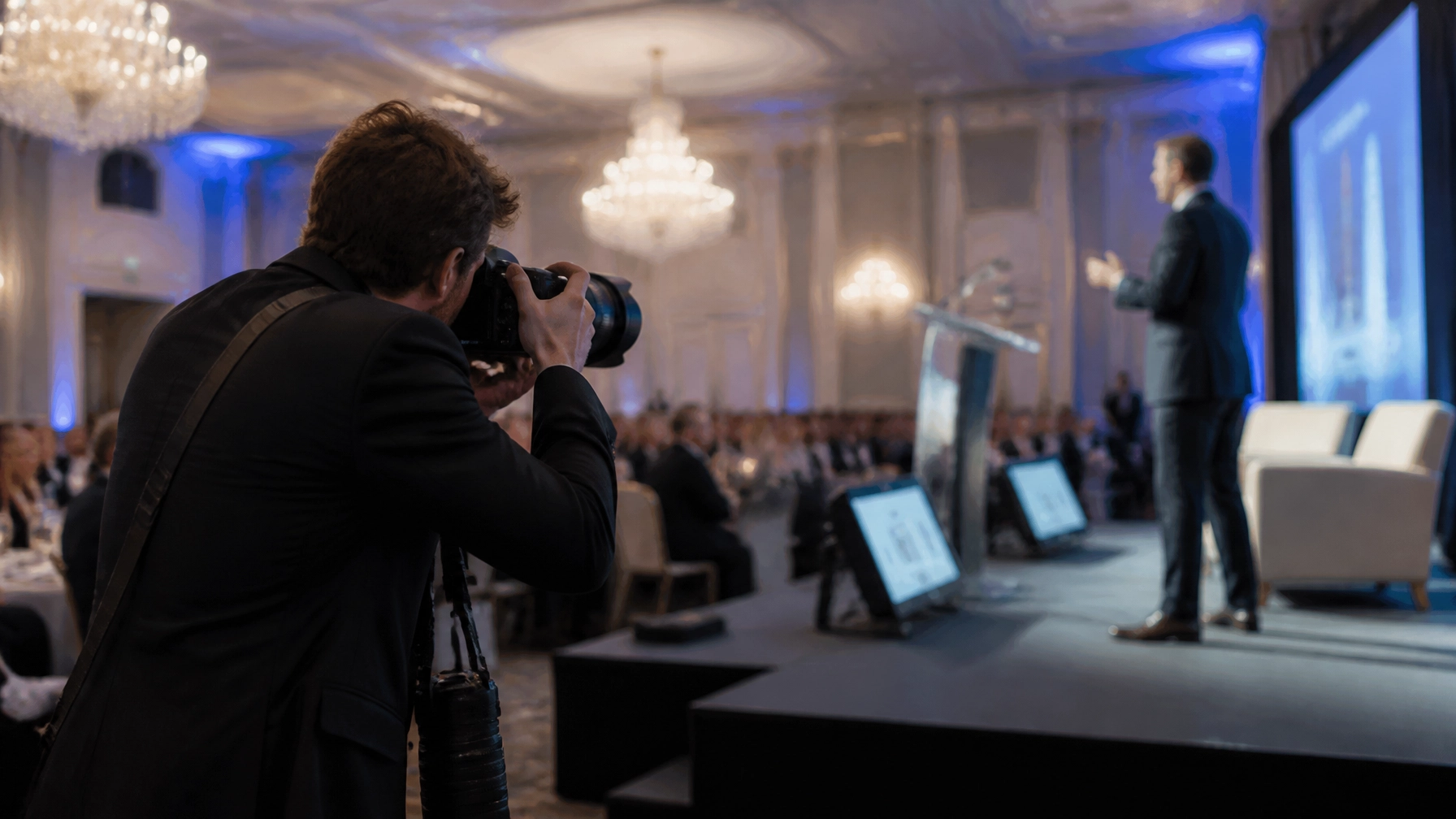
When you emphasize shadows, you create an illusion of depth, making your images feel more three-dimensional. Play with the contrast between shadows and highlights, as this dynamic range enhances texture and detail. For example, if you photograph a speaker on stage, highlight their face while allowing the background to fade into darkness, guiding the viewer’s focus directly to the message being conveyed. This technique not only creates a striking visual but also embodies the emotional intensity of the moment. Use various editing software tools to adjust both ends of this spectrum, ensuring your photos capture the true essence of the event.
Elevating Emotional Resonance
To create a deeper connection with your audience, focus on enhancing the emotional resonance of your event photographs. Emotional engagement can transform a simple image into a powerful narrative, evoking feelings that echo the experience itself. Achieving this involves thoughtful editing that highlights expressions, reactions, and moments that capture the essence of the event. By emphasizing these elements, you can draw viewers in and allow them to feel as if they were part of the experience.
Applying Mood Settings through Color Grading
Color grading plays a pivotal role in shaping the emotional tone of your photos. By adjusting hues, contrast, and saturation, you can evoke specific moods that align with the event’s atmosphere. For instance, a warm color palette enhances feelings of happiness and nostalgia, while cooler tones can convey calmness or melancholy. Experiment with different color grades to see how they affect the overall feeling of your images, ensuring they match the event’s narrative.
Crafting a Story through Sequential Edits
Sequential edits allow you to tell a cohesive story by arranging images in a way that guides the viewer through the event. Each shot should serve as a chapter in the narrative, highlighting key moments while maintaining a logical flow. To achieve this, consider factors like the emotional buildup, the progression of events, and the transitions between images. This approach not only keeps viewer engagement high but also creates a rich, immersive experience that reflects the entirety of the occasion.
For example, when documenting a wedding, start with shots of the venue followed by intimate moments like the couple’s first look, family interactions, and the ceremony. Each image transitions smoothly into the next, building anticipation and emotional depth. Use editing to enhance this narrative, such as adjusting brightness to highlight joyful moments or applying texture filters for a romantic touch. The goal is to guide your audience through an engaging visual journey that resonates deeply long after the event has ended.
Creating Cohesive Event Narratives
Each event you capture deserves a well-structured narrative that tells the story in a compelling way. By weaving together moments that showcase the atmosphere, key participants, and significant interactions, your photographs create a seamless experience for viewers. The key is to select a variety of shots—from wide angles that establish context to close-ups that evoke emotions—ensuring that each image contributes to a unified visual story that resonates well beyond the event itself.
Establishing a Consistent Style Across Photos
Defining a consistent style not only strengthens your brand as a photographer but also enhances the storytelling aspect of your event imagery. Choose a color palette, editing technique, or filter that aligns with the theme of the event and use it consistently across your images. This approach ensures that, whether viewed as a collection or individually, your photos create a harmonious visual experience that effectively communicates the essence of the event.
The Importance of Thematic Editing Techniques
Applying thematic editing techniques allows you to further unify your collection, enhancing the overall message of your photographs. Techniques such as adhering to a specific color grading, adjusting contrast to evoke different moods, or employing similar framing styles can make a significant difference in how your images are perceived. For instance, if you photograph a wedding, softer, romantic hues might suit the occasion, while a corporate event might benefit from a cleaner, more polished aesthetic. Such thoughtful curation elevates your narrative while helping viewers connect emotionally with each moment you capture.
Using thematic editing tools enhances the mood and reinforces the narrative you wish to convey. For example, if you’re documenting a lively festival, vibrant colors and dynamic contrasts can capture the energy and excitement, while a more subdued palette might suit an intimate gathering or corporate event. Techniques like using vignettes to focus on key subjects or applying a consistent grain across images can invoke nostalgia or unify diverse shots. By thoughtfully choosing your editing strategy, you ensure every photo not only tells its story but contributes to the overarching narrative of the event. This attention to detail draws your audience in, making them feel as if they are reliving the experience alongside you.
Advanced Techniques for Final Flourishes
Mastering advanced editing techniques can give your event photos that final flourish needed to stand out. These methods allow you to add personalized touches, ensuring your work reflects your unique style while also enhancing the overall quality. By utilizing advanced tools effectively, you can truly elevate your final images.
- Explore color grading options for unique tones.
- Use layers for selective adjustments in your images.
- Enhance contrast to make your subject pop.
- Practice subtle vignetting to draw focus to important elements.
- Experiment with blending modes for creative effects.
| Technique | Description |
| Color Grading | Adds mood and individual flair through targeted color adjustments. |
| Layering | Allows nuanced control over edits without affecting the entire image. |
| Contrast Adjustment | Makes your subjects distinct and visually engaging. |
Using Presets and Filters Wisely
Applying presets and filters can streamline your editing, but discretion is key. Opt for presets that enhance rather than override the image’s natural beauty. Subtle shifts can amplify the mood while ensuring the final result feels authentic, not overly processed or artificial.
Effective Noise Reduction and Sharpening Strategies
Reducing noise while sharpening details is a delicate balance that can elevate your images significantly. Utilizing dedicated noise reduction software or features in editing applications ensures that you can minimize graininess without sacrificing clarity in the subject’s details.
Advanced noise reduction techniques, such as frequency separation, allow for more control over which areas of the photo receive adjustments. By isolating noise in specific areas, you maintain texture and detail in other parts of the image. Fine-tuning sharpening settings is also important; applying too much can create artifacts or an unnatural look. Aim for a gentle approach, focusing on enhancing edges while preserving the overall integrity of the photograph. Consistent application of these strategies across your portfolio can significantly enhance your professional quality and aesthetic.
Final Words
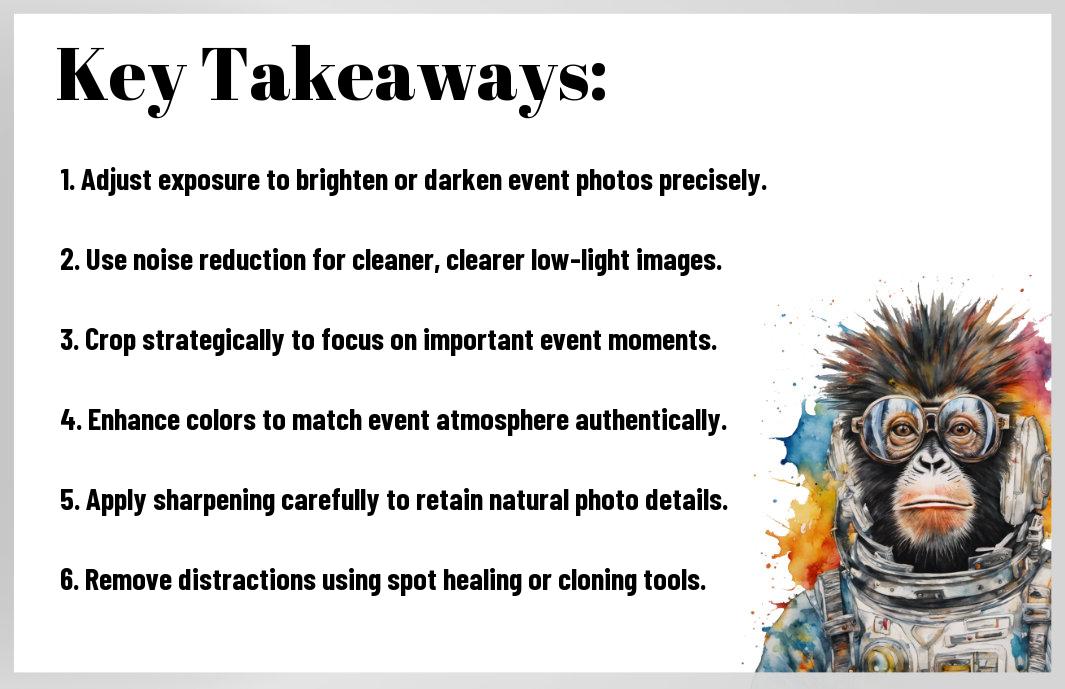
So, by applying these editing tips for event photography, you can elevate your images and make them stand out like a pro. Focus on enhancing colors, adjusting exposure, and refining details to create stunning visuals that capture the essence of your events. Don’t hesitate to experiment with different editing software and techniques until you find what works best for you. With practice and dedication, your photography will transform, leaving a lasting impression on your audience.

Leave a Reply
You must be logged in to post a comment.