
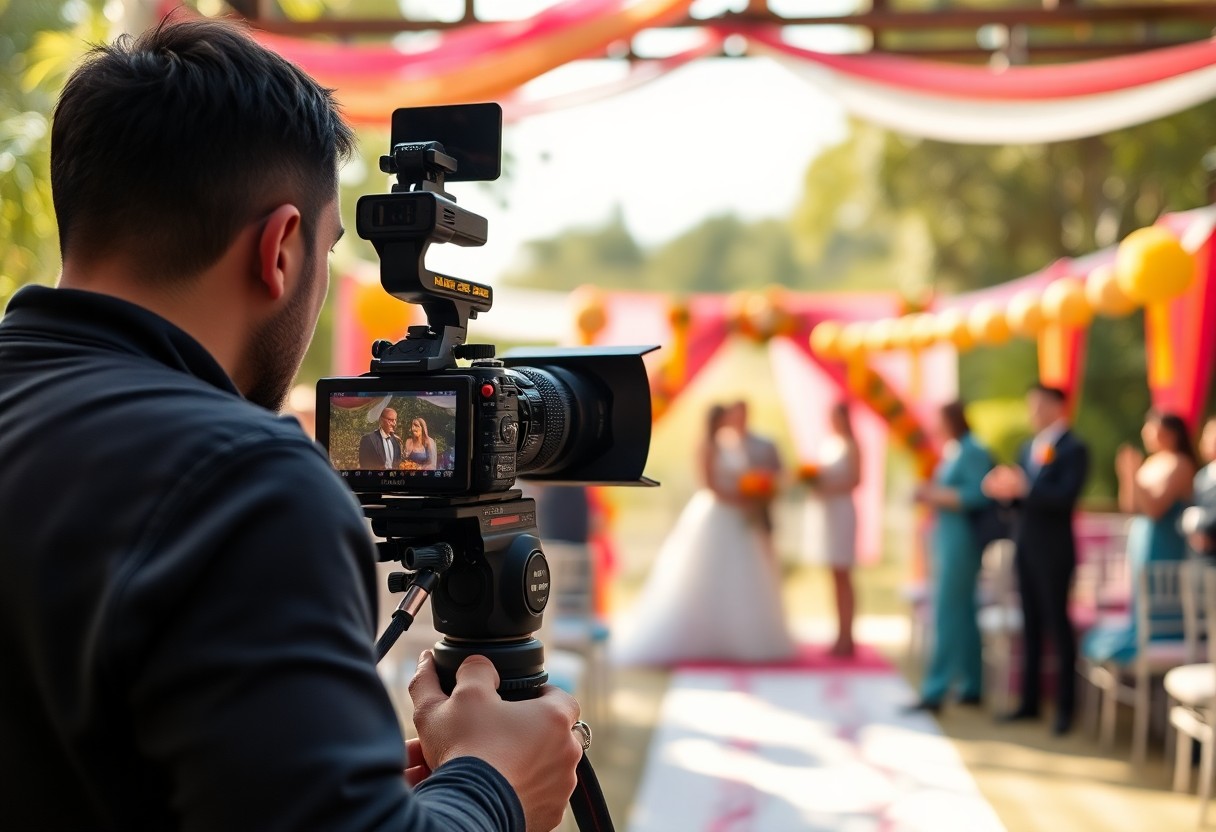
Just because you have a camera doesn’t mean you’ll capture compelling event videos. You need strategies that can elevate your footage from mundane to unforgettable. In this guide, you’ll discover practical tips on planning, shooting, and editing that will enhance your skills and ensure every moment is documented with flair. From understanding lighting to selecting the right angles, you’ll gain insights that set your videography apart and leave a lasting impression on your audience. Let’s dive in and transform the way you capture events!
Key Takeaways:
- Plan ahead by creating a detailed shot list to ensure all important moments are captured during the event.
- Utilize high-quality audio equipment, as clear sound significantly enhances the quality of the final video.
- Incorporate various camera angles and perspectives to add visual interest and engage viewers throughout the footage.
- Pay attention to lighting conditions; natural light is often the best choice, but additional lighting may be necessary for darker venues.
- Establish a connection with your subjects to capture genuine emotions and interactions on camera.
- Edit thoughtfully by using transitions, music, and effects to create a cohesive and engaging narrative.
- Share sneak peeks or highlights post-event to maintain engagement with the audience and build anticipation for the final video.
Capturing the Essence: Crafting a Compelling Story
Storytelling is at the heart of memorable event videography. Your footage should convey the true essence of the occasion, weaving together the excitement and emotions that unfold throughout the day. By crafting a compelling narrative, you not only engage viewers but also provide them with a deeper connection to the event and its participants.
Defining Your Narrative Arc
Establishing a clear narrative arc is necessary for keeping your audience engaged. Begin by outlining the beginning, middle, and end of your story, incorporating key moments that reflect both the action and the emotions of participants. Consider using techniques like foreshadowing and cliffhangers to maintain a sense of anticipation throughout the film.
Leveraging Emotion: Techniques for Engaging Viewers
The power of emotion in videography cannot be underestimated. To make your story resonate, capture genuine reactions and heartfelt moments during the event. Utilize techniques like close-ups to emphasize expressions, ambient sound to enhance feelings, and timely music to complement the visuals. For example, pairing a montage of joyful interactions with uplifting music can evoke nostalgia and elation, drawing viewers deeper into the experience.
Incorporating emotional storytelling means tapping into the trials and triumphs of your subjects. During a wedding, for instance, a heartfelt toast from a best friend or a spontaneous dance-off can serve as powerful emotional anchors in your footage. Use slow-motion or varied shot angles to heighten pivotal moments and create an immersive viewer experience. By thoughtfully interspersing these emotional beats throughout your narrative arc, you’ll transform your video from a mere documentation of an event into a captivating story that lingers in the audience’s minds long after the celebration ends.
The Playbook: Essential Gear for Cinematic Quality
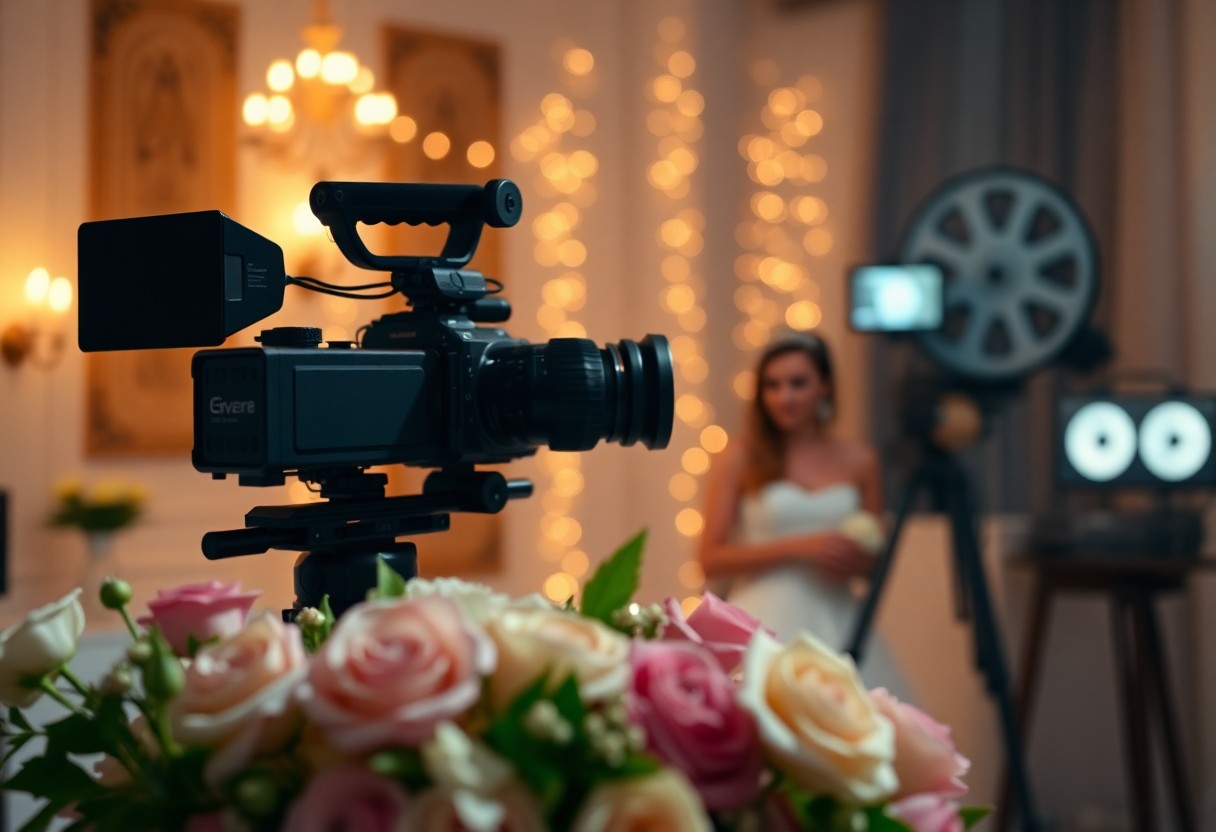
Your equipment plays a pivotal role in achieving stunning event videography. Investing in high-quality gear ensures that your visuals are sharp, your footage remains stable, and your audio is crystal clear. A well-rounded toolkit typically includes a reliable camera, an array of lenses tailored for different scenarios, and various audio equipment to capture rich, immersive soundscapes. Equip yourself with the right gear and watch how it transforms recordings into cinematic experiences that resonate with viewers long after the event has concluded.
Camera and Lens Choices for Various Events
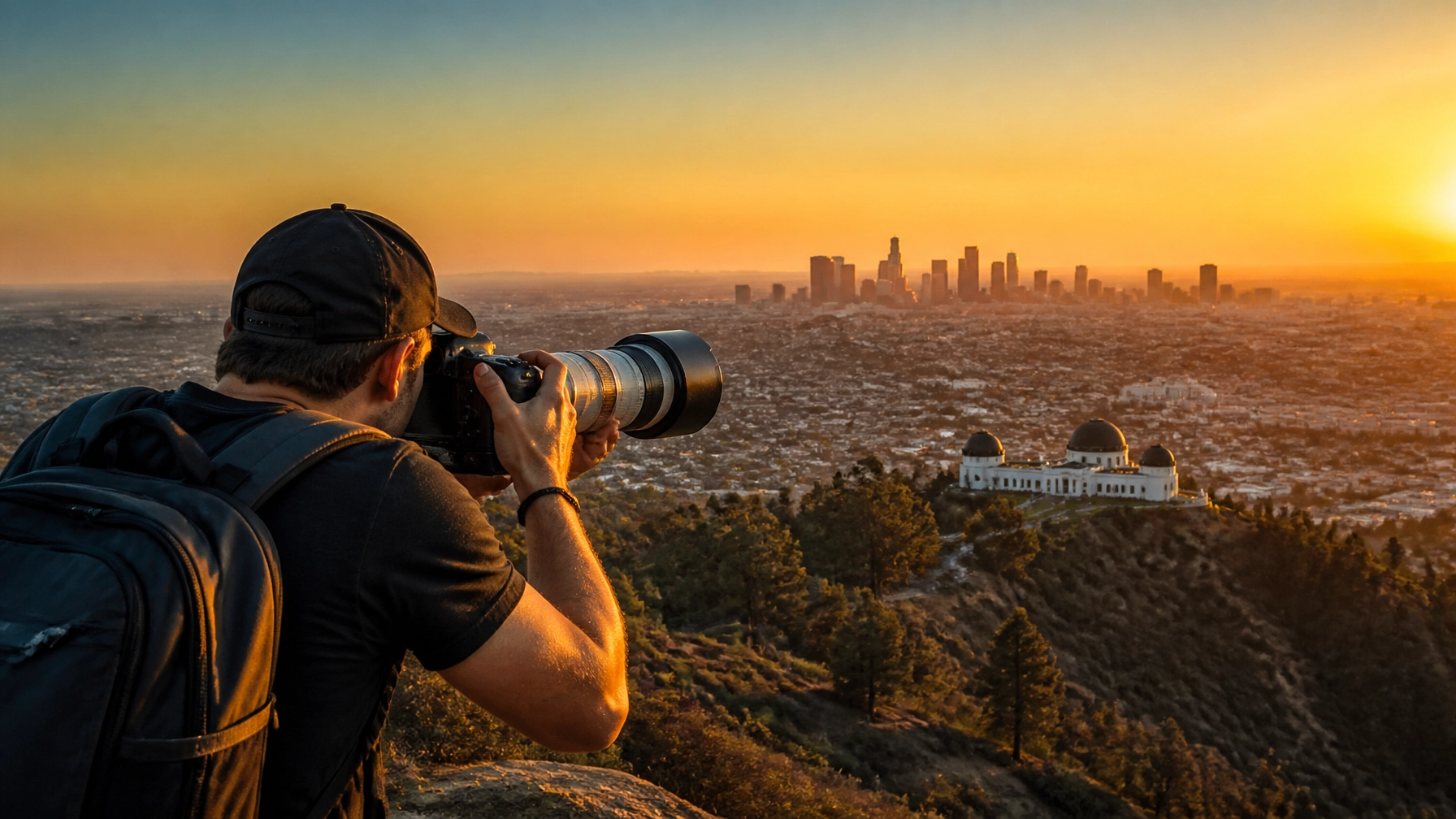
Selecting the right camera and lens can make all the difference in your videography. For large venues or outdoor events, a camera with a good zoom lens allows you to capture distant subjects without losing detail, while fast prime lenses are excellent for low-light environments. Extensions like gimbals and stabilizers also provide smooth footage, adding a professional touch regardless of your chosen focal length.
Audio Gear: Importance of Clear Sound in Videography
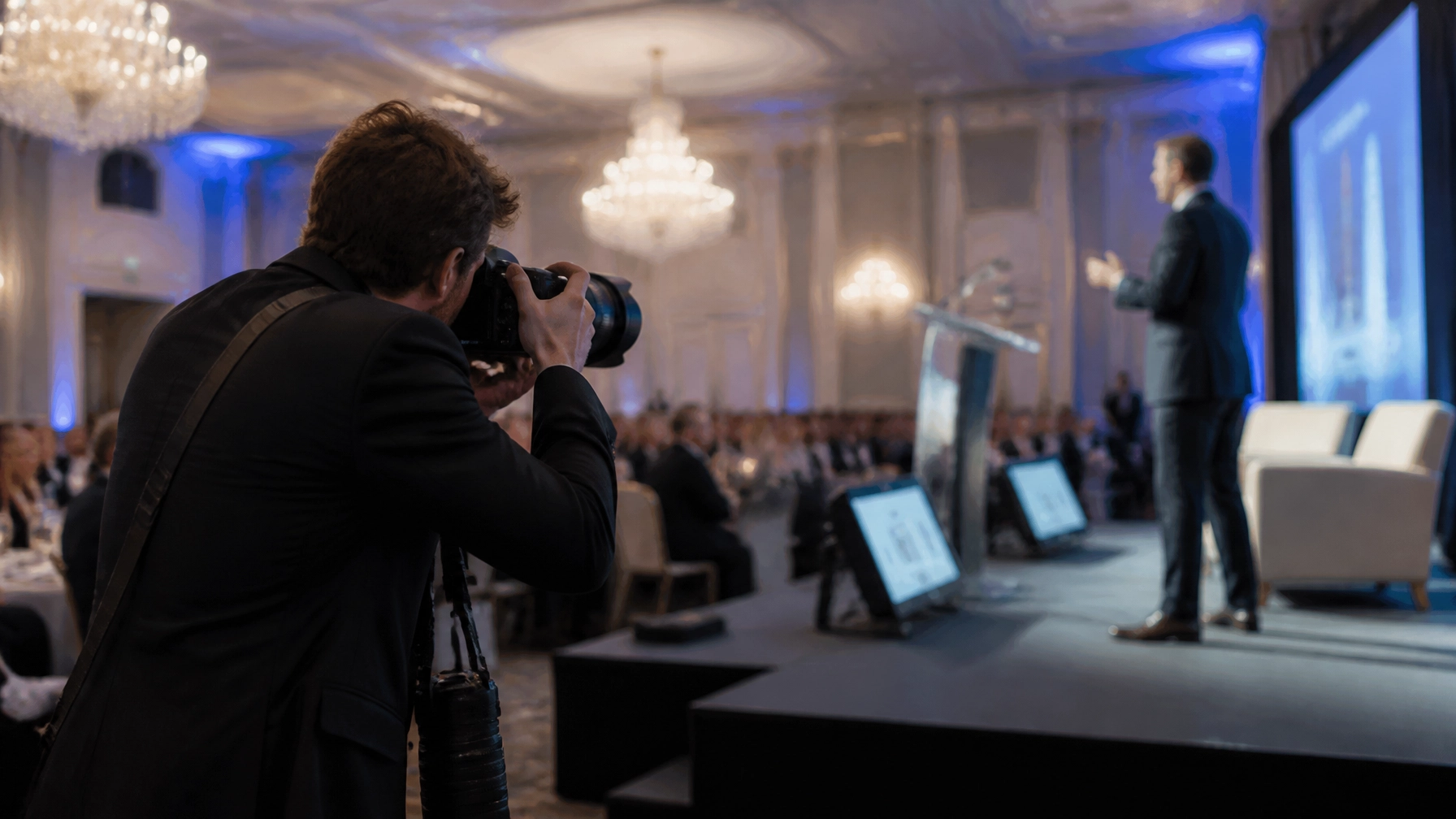
Without clear audio, even the most breathtaking visuals can fall flat; capturing high-quality sound is vital for characterizing the atmosphere of any event. Invest in dynamic microphones for speeches, lavalier mics for interviews, and portable recorders for ambient sounds. This equipment enables you to convey powerful emotions and messages, ensuring that your audience remains fully engaged.
Neglecting audio can lead to distorted sounds that distract from the overall impact of your video. Prioritizing clear sound not only enhances the narrative but also allows for ambient elements, customer reactions, or quiet moments to shine through. For example, using a shotgun microphone in a bustling environment can effectively isolate a speaker’s voice, reducing unwanted noise. Aiming for an immersive sound experience is key, helping your audience to feel like they were truly part of the event.
Mastering the Art of Composition
A well-composed shot can elevate your event videography from ordinary to memorable. Composition involves much more than simply framing a subject; it dictates how viewers will perceive the story you’re telling. Utilize principles such as the rule of thirds and leading lines to draw viewers’ attention to key elements. By understanding the relationships between foreground, subject, and background, you can create dynamic visuals that keep the audience engaged throughout the event.
Framing Techniques that Enhance Visual Storytelling
Effective framing can transform the context of your shots, adding depth and emotion. Use natural frames, such as doorways or trees, to isolate subjects and create intimacy. Experiment with negative space to emphasize key elements, making them stand out against a less busy background. You can also utilize symmetry to evoke feelings of balance and harmony, guiding viewers’ eyes to where the action unfolds.
The Role of Lighting: Harnessing Natural and Artificial Light
A well-lit shot can dramatically improve the overall quality of your footage. Natural lighting brings warmth and authenticity, while artificial lights offer control over shadows and highlights. Use soft lighting from sources like diffused windows to enhance skin tones and create an inviting atmosphere. Be mindful of the golden hour, which can provide soft, flattering light for outdoor events, while also incorporating on-site lighting solutions to adapt to changing conditions.
Optimizing light can significantly impact your footage’s mood. For instance, consider using colored gels on your lights to set a specific tone that aligns with your event’s theme. Experiment with backlighting techniques for subjects, creating a halo effect that adds magic to your shots. Be proactive in identifying available light sources, and don’t hesitate to reposition your subjects or equipment to leverage those unique qualities. By become adept at manipulating natural and artificial light, you can elevate your storytelling and leave a lasting impression on your viewers.
Editing Alchemy: Transforming Raw Footage into Magic
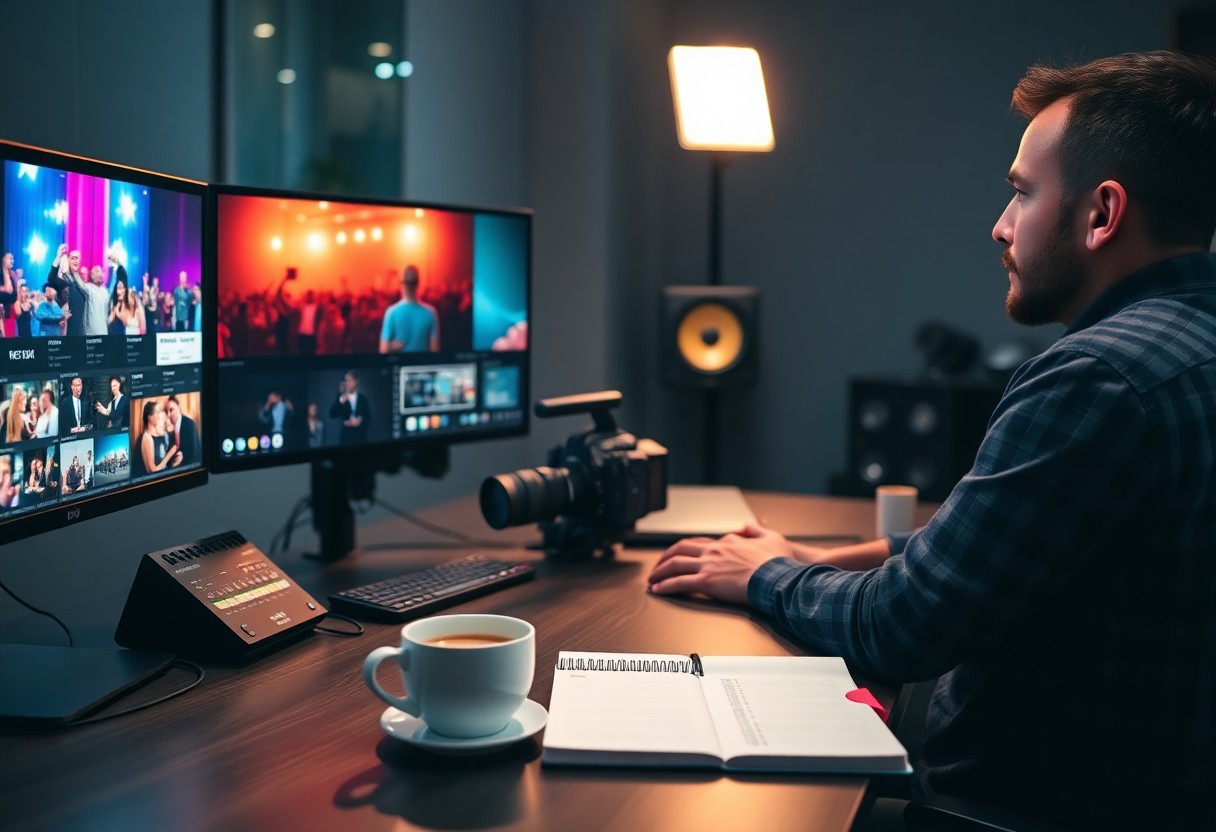
Turning raw footage into a polished final product can feel like alchemy, where you transform basic elements into something extraordinary. This is where your creative vision truly shines. Editing is more than cutting and pasting; it’s about enhancing the narrative you captured during the event. You’ll utilize various techniques to conjure emotion, maintain flow, and create a cohesive story that leaves a lasting impression on your audience.
Software Selection: Tools for Professional Results
Choosing the right software can make a significant difference in the editing process. Popular options like Adobe Premiere Pro, Final Cut Pro, and DaVinci Resolve offer powerful tools for color correction, audio mixing, and visual effects. Each program comes with its own set of features, so evaluating what suits your style and requirements is important. With intuitive interfaces and a plethora of tutorials available, you can quickly adapt these tools to elevate your projects.
Editing Techniques That Elevate Your Story
Utilizing advanced editing techniques can significantly enhance your storytelling, making the viewer feel more connected to the content. Techniques such as match cuts, which transition between scenes seamlessly, create continuity, while jump cuts can add urgency and excitement. Incorporate color grading to evoke specific moods and sound design to emphasize key moments. Use rhythmic editing to match the pace of the footage with the accompanying score, keeping your audience engaged throughout.
For example, consider the effectiveness of using slow motion during pivotal moments to draw attention to emotional reactions or important actions. Conversely, speeding up footage during less critical segments can maintain engagement without losing the narrative thread. Incorporating split screens to juxtapose different elements can also convey parallel stories, enriching the viewer’s experience. These techniques combine to create a dynamic flow, guiding your audience through the unfolding narrative with clarity and impact.
Marketing Your Masterpiece: Strategies for Distribution
Effectively distributing your event video is as important as capturing the perfect footage. Your masterpiece deserves a wider audience, and strategic marketing can elevate its visibility. Leverage every tool at your disposal, from email campaigns to targeted online ads, ensuring your video reaches the right people. Always consider your audience’s preferences and optimize your content for various platforms to maximize engagement.
Building an Engaging Preview to Attract Viewers
A captivating preview is vital for generating interest. Select the most dynamic moments from your video, edit them into a tight, exciting teaser of no more than 30 seconds, and add enticing captions or sound bites. Use an engaging thumbnail or a striking visual that reflects the essence of the event, compelling viewers to click and watch the full video.
Utilizing Social Media and Platforms Effectively
Maximize your reach by mastering social media dynamics. Different platforms cater to varying demographics, so tailor your approach accordingly. For instance, utilize Instagram Stories for behind-the-scenes snippets, Twitter for real-time reactions, and Facebook for engaging discussions. Consistently engage with your audience by responding to comments and encouraging shares, which amplifies your video’s reach organically.
Take advantage of the unique features each platform offers. For instance, Facebook allows you to create events where you can share your video and generate buzz. TikTok’s short-form video format can be perfect for condensing event highlights into fun clips, while YouTube remains the go-to for longer content. Running targeted ads on these platforms can also propel your video into different audiences. Analyze viewer engagement metrics regularly to refine your strategies and ensure your efforts yield the best results.
Conclusion
As a reminder, implementing the ultimate how-to strategies for memorable event videography will elevate your storytelling and create lasting impressions. By focusing on planning, capturing key moments, and mastering editing techniques, you can transform ordinary footage into an engaging narrative. Use the tips outlined to enhance your skills and ensure your event videos resonate with your audience, leaving them eager to relive the experience. Your commitment to these strategies will not only improve your videography but also establish your reputation as a go-to professional in the field.
FAQ
Q: What are the key elements to consider when planning an event video shoot?
A: When planning an event video shoot, consider the overall theme and purpose of the event, the target audience, and the type of story you want to convey. Additionally, create a detailed shot list to ensure you capture all significant moments, identify key speakers or guests for interviews, and plan for vital logistical requirements such as lighting and sound. Developing a clear timeline can help ensure that everything runs smoothly on the day of the event.
Q: How can I enhance the visual quality of my event video?
A: To enhance visual quality, use professional-grade equipment, including high-resolution cameras and a stable tripod or gimbal for smooth shots. Pay attention to lighting—natural light is great, but additional lighting may be needed for indoor or low-light settings. Utilize different camera angles and compositions to create a dynamic feel, and consider incorporating B-roll footage, which adds context and richness to your video.
Q: What techniques can I use to tell a compelling story through my video?
A: To tell a compelling story, think about the narrative arc you want to follow. Start with an engaging introduction that sets the tone, followed by representations of key moments throughout the event. Incorporate interviews or candid reactions from attendees for more personalized insights. Make an emotional connection by showcasing the event’s impact on the participants. Wrap up with a strong conclusion that highlights overall feelings or key takeaways, reinforcing the story thread.
Q: How can I effectively edit my event video for maximum engagement?
A: Effective editing is vital for engagement. Start by organizing your footage into categories, making it easier to find the best shots. Use editing software that allows for creative control. Incorporate elements such as background music, transitions, and graphics to maintain viewer interest. Aim for a pace that reflects the event’s energy—faster cuts for lively moments and slower transitions for more emotional segments. Finally, always keep your target audience in mind, crafting the final cut to resonate with their needs and preferences.
Q: What are some common pitfalls to avoid in event videography?
A: Avoiding common pitfalls can significantly improve your event videography. First, do not overlook pre-event research. Familiarize yourself with the venue, itinerary, and key participants to avoid surprises. Secondly, avoid excessive reliance on automatic settings; manual adjustments often yield better results, especially in varied lighting. Lastly, ensure you have backup plans for technical issues, including extra batteries, memory cards, and sound recording options. Always communicate with your team and attendees to capture the most genuine moments without intruding.

Leave a Reply
You must be logged in to post a comment.