
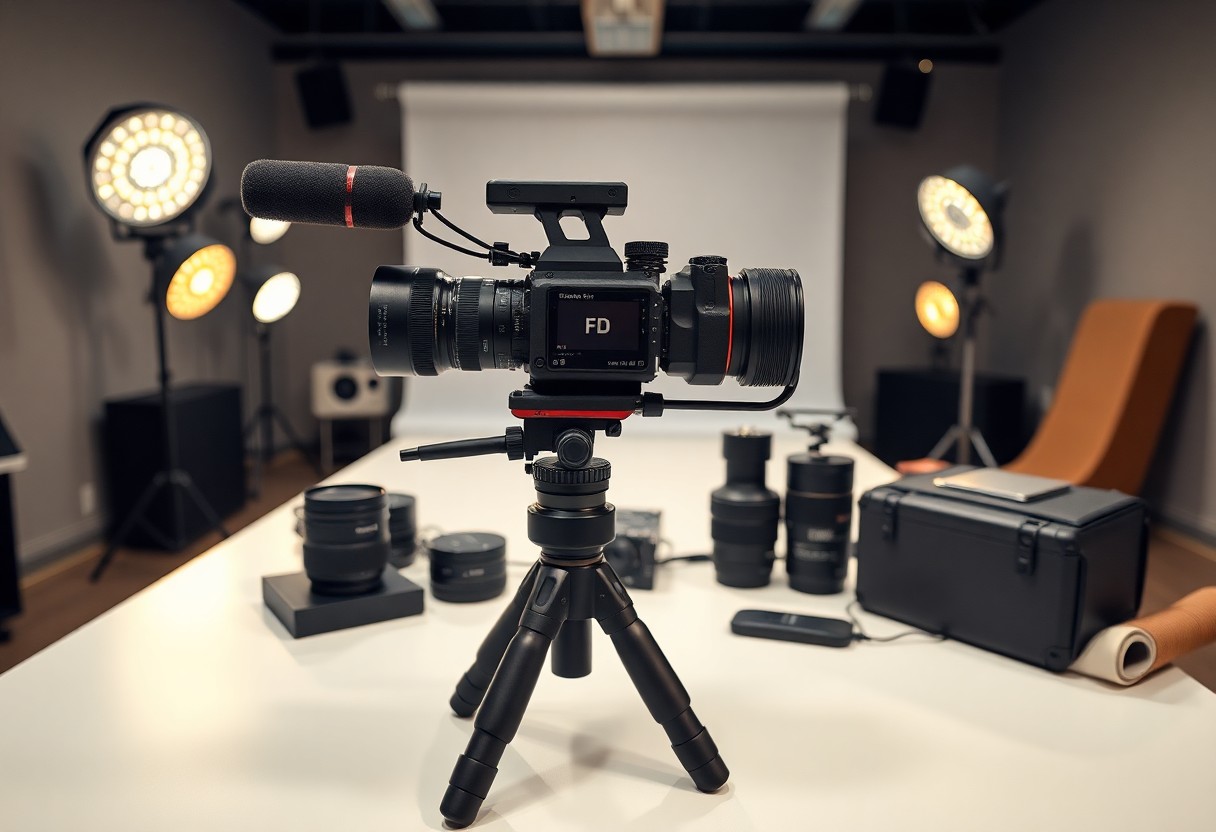
You have the opportunity to capture your events in stunning detail, making memories last a lifetime. By using effortless techniques and carefully selected equipment, you can achieve professional-quality videos that highlight the essence of your special occasions. In this guide, you’ll discover necessary tips that enhance your shooting skills, ensure smooth editing, and elevate the overall production quality of your videography. So, let’s probe these strategies that will help you create flawless visuals without the stress, and leave your viewers captivated.
Key Takeaways:
- Utilize a pre-production checklist to plan all aspects of the event video, including shot lists and equipment needs.
- Choose the right angles and perspectives to capture the best moments and emotions of the event.
- Invest in good audio equipment, as clear sound is imperative for high-quality videos.
- Practice effective lighting techniques to enhance visual quality, especially in indoor or dimly lit venues.
- Edit thoughtfully, incorporating smooth transitions and appropriate pacing to maintain viewer engagement.
- Include significant moments and B-roll footage to provide context and enrich the storytelling aspect.
- Communicate effectively with clients to understand their vision and expectations for the final product.
Mastering Pre-Event Planning
Effective pre-event planning sets the stage for exceptional videography. By immersing yourself in the details of the event, you can anticipate challenges and create a strategy that results in smooth execution. Focus on gathering as much information as possible, including venue layout, participant schedules, and any important speeches or activities. This groundwork enables you to remain agile and adapt to any unforeseen circumstances during the event, ensuring that nothing slips through the cracks.
Crafting the Perfect Shot List
A well-thought-out shot list transforms your ideas into tangible visuals. Begin by identifying key moments and imperative shots that capture the essence of the event. Include must-have shots like guest reactions, performances, and candid interactions, while leaving room for spontaneity. Tailor your list based on the client’s vision and the event specifics, ensuring you maintain a balance between structured captures and organic moments.
Scheduling for Seamless Coverage
Your shooting schedule should align with the flow of the event, allowing ample time for each segment. Create a timeline that details every major aspect of the event, from setup to breakdown. Allocate specific time blocks for important moments, such as speeches, performances, and interactions, to avoid missing critical footage. Factor in travel time within the venue if you plan to capture multiple angles or perspectives. Communication with event coordinators helps refine this schedule, ensuring that you’re informed of any last-minute changes.
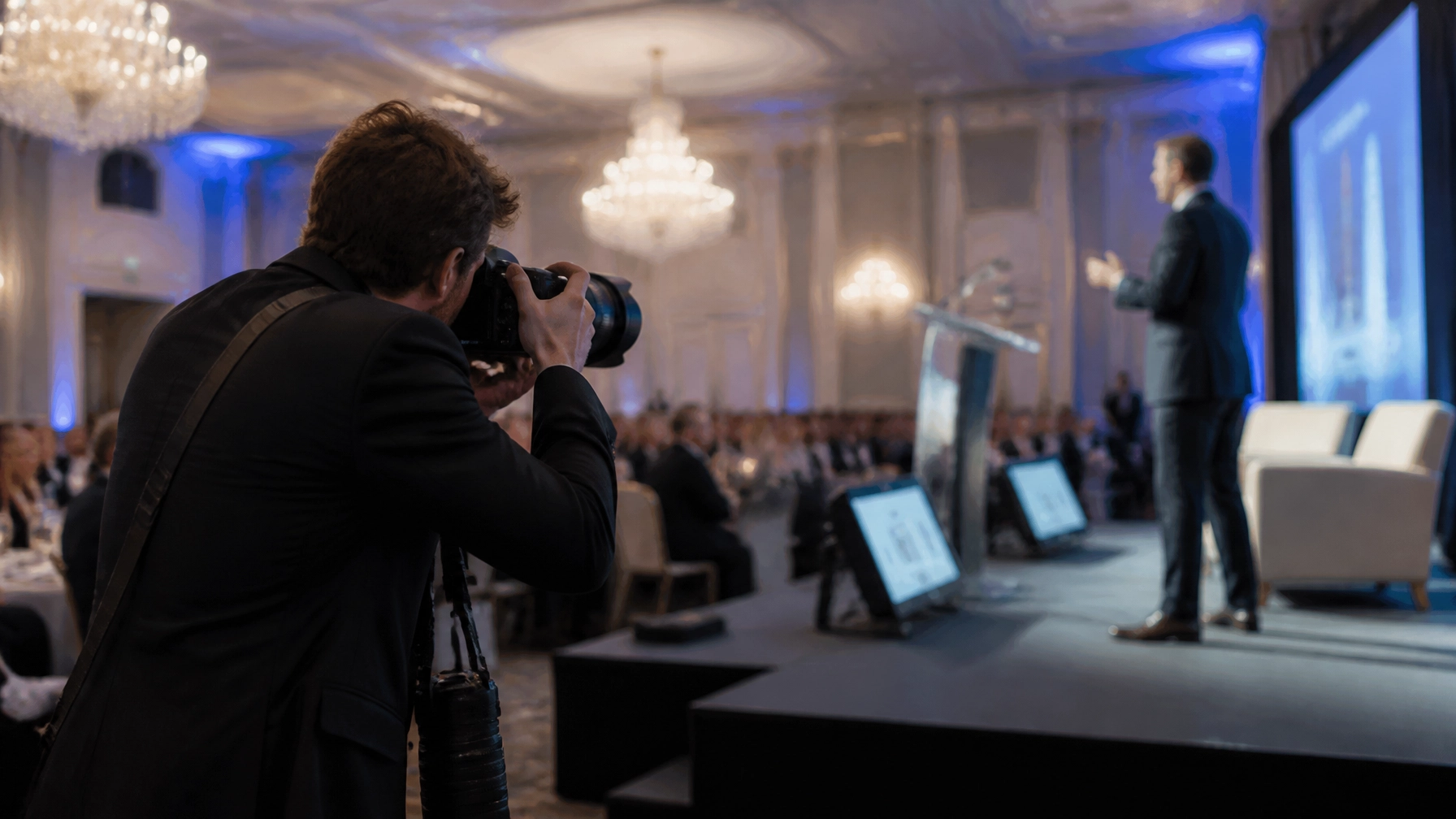
To develop an effective timeline, engage with the event organizers to brainstorm a complete itinerary. You’ll want to jot down anticipated start and end times for every key segment, creating checkpoints for yourself throughout the day. For instance, if a presentation is scheduled for a specific block, position yourself to capture both reaction shots from the audience and the presenter. This foresight helps you create engaging narratives without the stress of last-minute adjustments. Aim for a flexible plan that allows you to pivot and adapt according to the event’s dynamics, while still ensuring comprehensive coverage of all critical moments.
Choosing the Right Equipment for Flawless Results
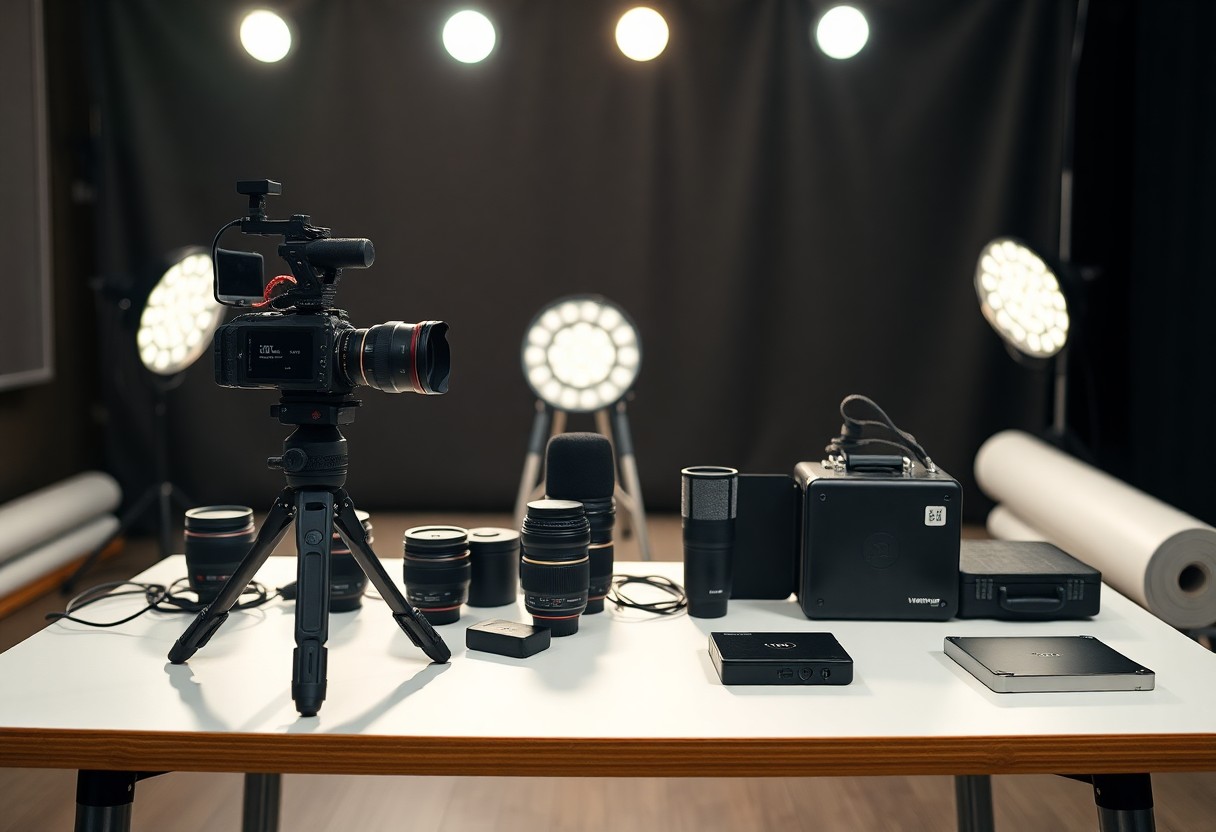
Selecting the ideal equipment directly impacts the quality of your event videography. From cameras to stabilizers, the right tools enhance not only the visuals but also your overall workflow. A combination of high-definition cameras, effective lighting kits, and portable audio recording devices can elevate your storytelling, ensuring each event is captured without a hitch. Invest time in researching various options related to your budget and specific needs, as this will set the stage for stunning results that resonate with your audience.
Essential Gear for Stunning Footage
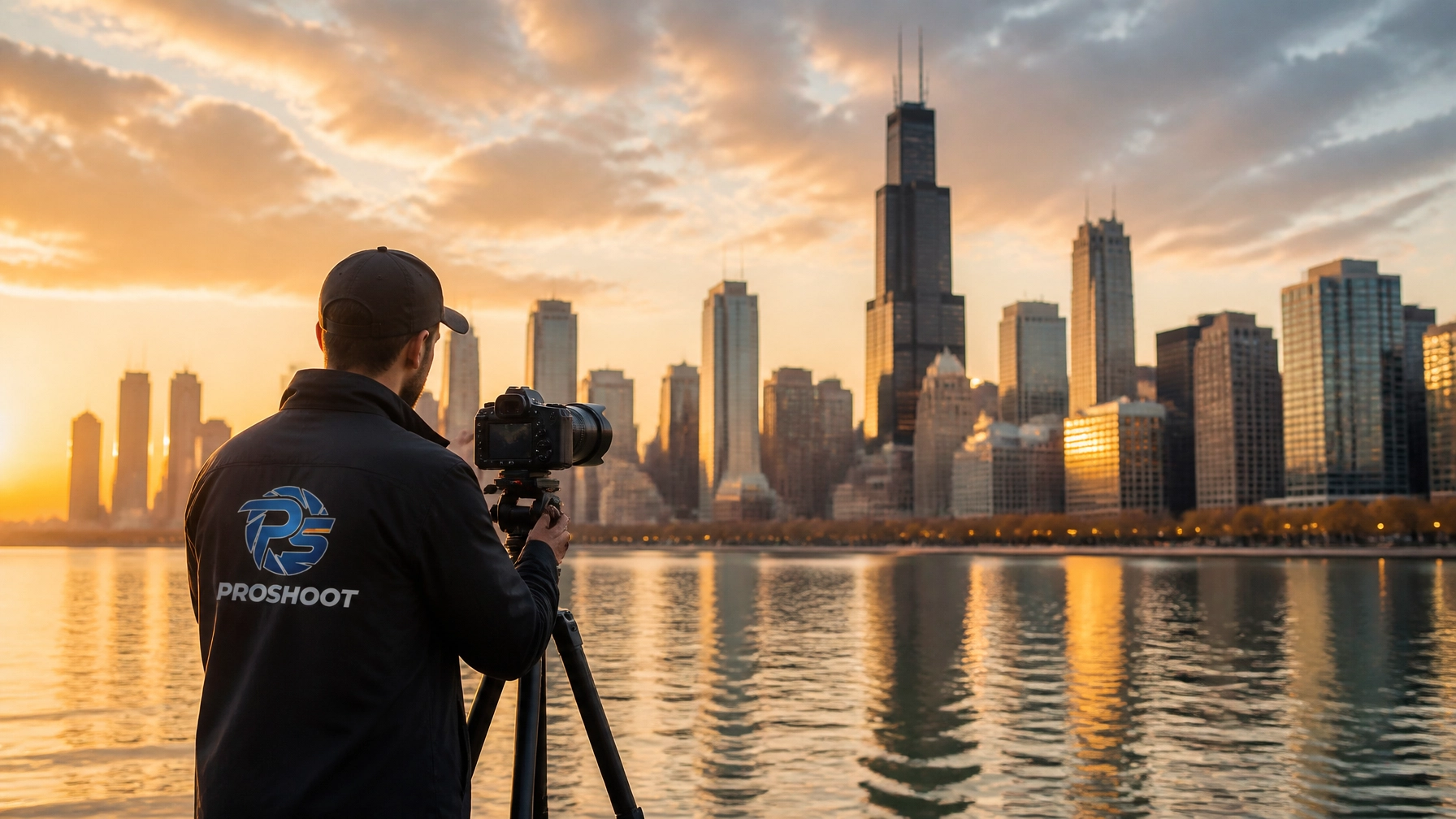
To achieve remarkable footage, you must equip yourself with necessary gear, including a reliable camera, a sturdy tripod, and external microphones for clear audio. A camera that offers at least 1080p output with a frame rate of 30fps or more will deliver crisp visuals. Pair your camera with a tripod to provide stability, minimizing shaky shots. External microphones, like shotgun or lapel mics, significantly improve sound quality, making your final product more engaging.
Understanding Lenses: The Key to Visual Appeal
The choice of lens can dramatically enhance the artistic quality of your footage, allowing you to create different perspectives and moods with ease. Wide-angle lenses are perfect for capturing expansive scenes or crowded venues, while prime lenses offer sharp focus and beautiful background blur, ideal for interviews. Depending on your shooting style, having a selection of lenses at your disposal enables you to adapt to various lighting conditions and compositions, ensuring captivating visuals that keep your audience interested.
Variable aperture lenses provide you with the flexibility needed for different lighting scenarios. For instance, a lens with an aperture of f/2.8 is excellent for low-light environments, making it perfect for indoor events. Meanwhile, a zoom lens allows you to adjust your focal length without swapping lenses, reducing the risk of missing spontaneous moments. Understanding your project requirements and mastering the capabilities of your lenses will help you create a visually engaging narrative that stands out among the rest.
Engaging with the Event Dynamics
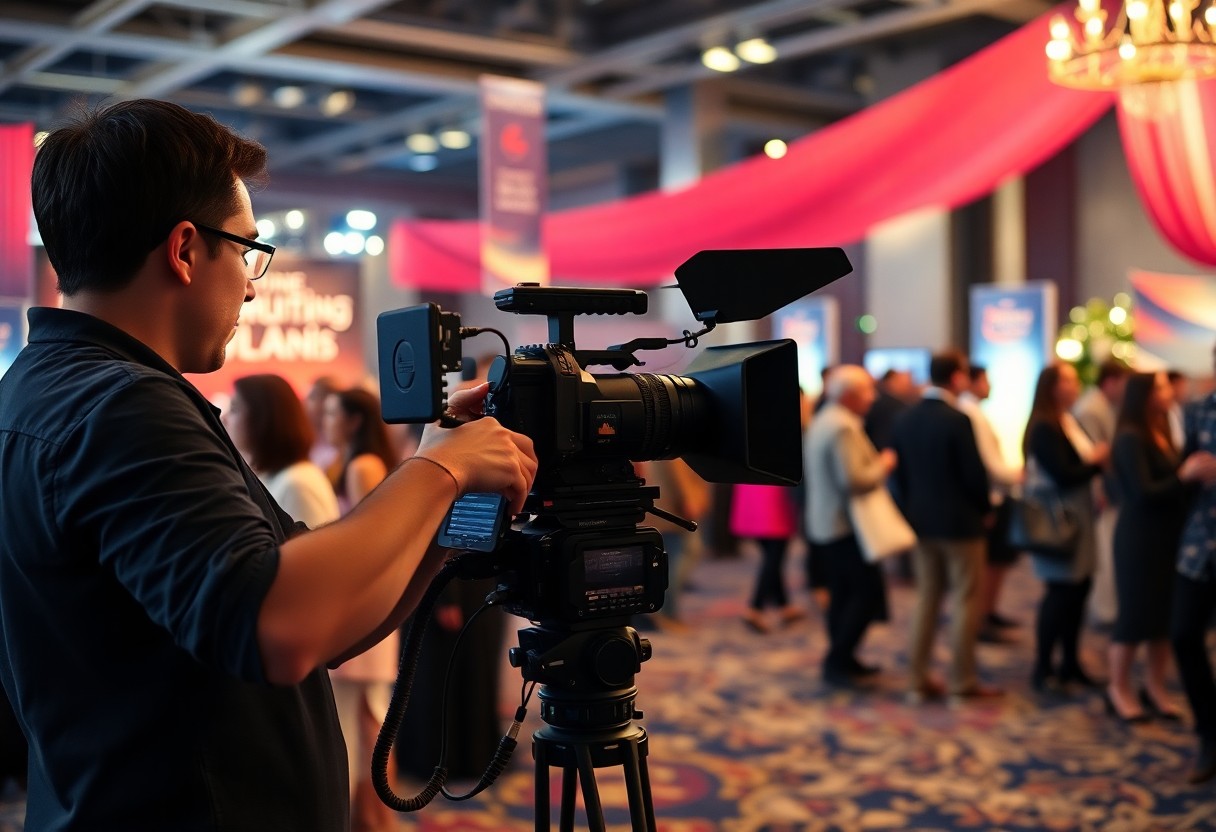
Understanding and engaging with the event dynamics enhances your ability to capture the essence of any gathering. Anticipating crowd reactions, shifting moods, and spontaneous occurrences adds depth to your storytelling. As you blend into the background, maintain alertness to evolving situations and allow these moments to guide your focus. When you tune into the atmosphere, your videography naturally mirrors the event’s authentic energy, creating a compelling narrative that resonates with viewers.
Capturing Authentic Moments: The Art of Observation
Being an effective observer allows you to catch those genuine interactions that often go unnoticed. Adapt your shooting style to flow with the event’s rhythm, pausing to witness candid exchanges among guests, laughter, and spontaneous toasts. Harnessing the power of observation transforms fleeting moments into captivating footage that conveys the true spirit of the occasion.
Building Rapport with Key Personalities
Fostering relationships with key personalities can dramatically enhance your videography. Engage with speakers, organizers, or honorees ahead of time – this can lead to richer content and insights. By establishing this connection, you gain access to behind-the-scenes moments and exclusive interviews that elevate your video quality. Personalized interactions reveal stories that resonate more deeply with viewers and provide context that numbers alone cannot convey.
Approaching individuals with genuine curiosity and respect builds trust, making them more comfortable in front of the camera. When you show interest in their perspective, you’re likely to capture more engaged responses. This rapport can lead to memorable anecdotes or insights that enrich your footage. Consider using a friendly tone and asking open-ended questions to encourage them to share their experiences and thoughts. These moments not only enhance your content but also create long-lasting relationships that may open doors for future projects.
Post-Production: Transforming Raw Footage into a Polished Masterpiece
Transforming your initial footage into a refined final product takes dedication and a keen eye during the post-production process. You’ll need to cut unnecessary clips, arrange your shots in a coherent sequence, and ensure that every detail harmonizes to convey the story of your event effectively. Taking the time to review each segment not only guarantees quality but also enriches the overall viewing experience, revealing the emotions and moments that captured the essence of your event.
The Importance of Editing for Narrative Flow
Editing serves as the backbone for creating a flowing narrative within your event videography. By carefully selecting scenes and arranging them in a thoughtful manner, you create a story that engages audiences from beginning to end. Utilizing techniques like cross-cutting and montages can transform disjointed clips into a cohesive narrative, drawing viewers into the core moments that resonate most deeply with them.
Sound Design: Elevating the Viewing Experience
With sound design, the auditory elements of your video become just as impactful as the visuals. Layering music, effects, and dialogue ensures that viewers don’t just see the event, but feel it as well. An immersive soundscape can amplify emotions and reinforce the story, enhancing overall enjoyment and engagement with your audience.
For instance, carefully chosen background music can set the mood, whether it’s upbeat for a celebration or soft for a more contemplative moment. By integrating ambient sounds with clear dialogue and syncing everything properly, you create a multi-dimensional experience that resonates with your audience. Using tools like Adobe Audition or Audacity can help you refine these elements, adding depth to moments and guiding the emotional tempo of your video. Investing time in sound design can transform a good video into an exceptional one, leaving a lasting impact on those who watch it.
Future-Proofing Your Videography Skills
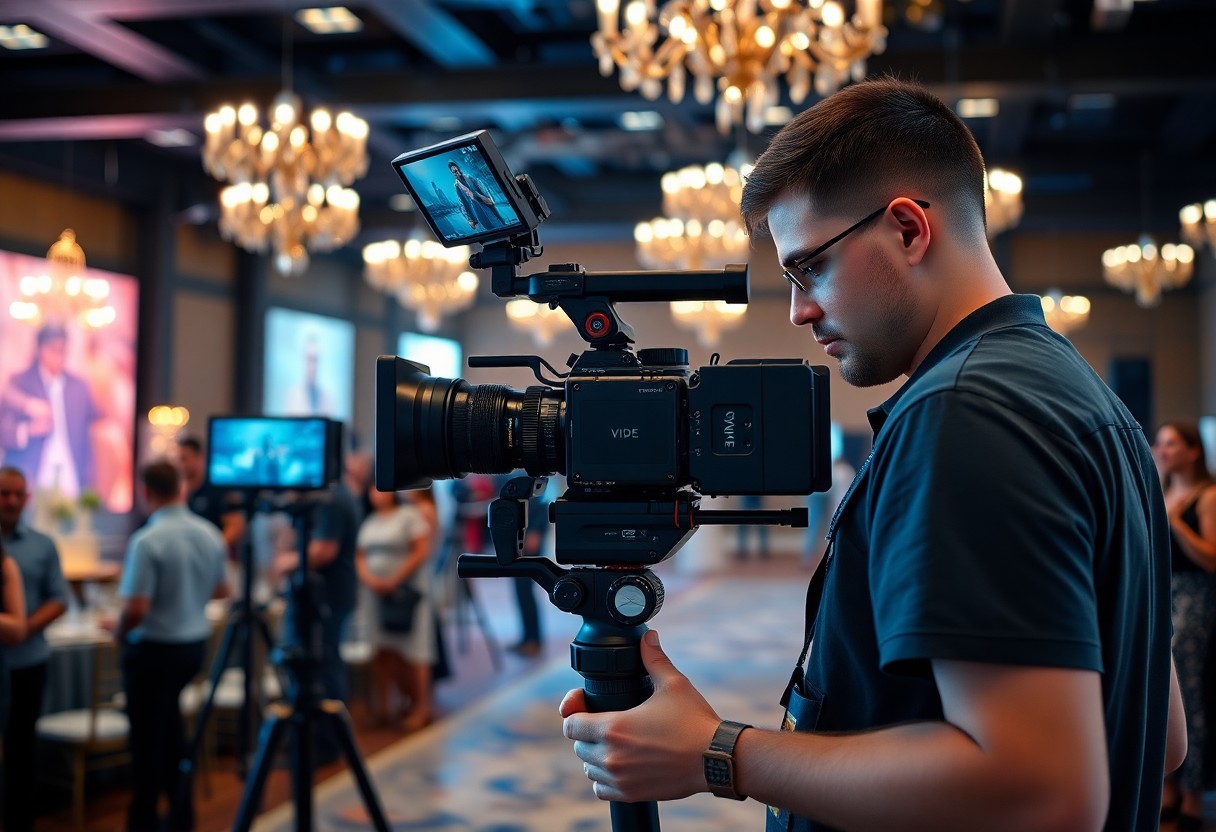
Investing in your growth as a videographer ensures you remain relevant in a rapidly evolving industry. Anticipating changes in technology and shifts in creative styles will empower you to adapt and elevate your craft continuously. By attending workshops, pursuing online courses, and engaging with communities, you can explore new techniques and tools that keep you ahead of the curve.
Staying Current with Trends and Technology
Keeping up with latest trends and technological advancements enhances your skill set and boosts your marketability. Regularly follow industry blogs, attend trade shows, and engage with social media groups where professionals discuss emerging gear and software updates. Popular platforms like YouTube and Workflow Wednesday on Instagram provide fascinating insights and tutorials to help you refine your techniques.
Building a Personal Brand in a Competitive Market
Establishing a strong personal brand gives you a distinct edge amidst the crowded videography landscape. Craft a unique narrative that reflects your style and values, showcase your best work through a captivating portfolio, and actively engage with potential clients on social media. By doing so, you’ll cultivate a dedicated audience that values your expertise and creativity.
In today’s competitive environment, differentiating yourself is about conveying authenticity. Leverage storytelling techniques to share your individual journey and demonstrate your passion for videography. Use platforms like Instagram, TikTok, or Vimeo to showcase behind-the-scenes glimpses, testimonials, and finished projects. Consider collaborating with local businesses or fellow creatives for visibility. By strategically crafting your narrative and utilizing various digital platforms, you’ll create a memorable brand that resonates with clients and sets you apart from the competition.
Conclusion
Presently, mastering effortless how-to techniques for flawless event videography empowers you to capture moments with confidence. By focusing on crucial elements such as planning, equipment selection, and effective storytelling, you can elevate the quality of your videos. Embrace practice and experimentation to refine your skills, ensuring that your work resonates with audiences. With the right approach and dedication, your event videography can become a powerful tool for preserving lasting memories and creating impactful narratives.
FAQ
Q: What should I consider when choosing equipment for event videography?
A: Selecting the right equipment is vital for capturing high-quality footage. Begin with a good camera that supports high-definition video and offers good low-light performance. A sturdy tripod or stabilizer can help eliminate shaky footage, and external microphones can improve audio quality significantly. It’s also advisable to carry extra batteries and memory cards to ensure you’re prepared for the duration of the event.
Q: How can I effectively tell a story through my event video?
A: Storytelling in videography involves planning and understanding the flow of the event. Prior to the event, outline key moments you want to capture, such as speeches, interactions, and candid moments. During editing, focus on creating a narrative arc that includes an introduction, a climax, and a conclusion, connecting the visuals with appropriate audio, such as background music or voiceovers to enhance the storyline.
Q: What techniques can I use to improve the audio quality of my videos?
A: Good audio is important for professional video production. Use external microphones for clearer sound, and consider lapel mics for interviews or speeches. Monitor audio levels throughout the event using headphones to catch potential issues early. If possible, record ambient sound separately to enrich the video’s auditory experience during post-production.
Q: How can I make my editing process more efficient?
A: To streamline your editing process, organize your footage thoroughly by labeling clips and creating folders for different segments. Utilize editing software that you are comfortable with and explore keyboard shortcuts to speed up tasks. Try to edit in stages, focusing on assembling the rough cut first, then refining it with transitions, music, and effects to enhance the final product.
Q: What are some common mistakes to avoid in event videography?
A: Common mistakes in event videography include not preparing for lighting conditions, neglecting audio quality, and failing to capture key moments. Avoid lengthy, unedited shots that lose viewer interest; instead, aim for shorter, dynamic clips. Lastly, always double-check your settings, including frame rate and resolution, before starting, to ensure you capture the best quality throughout the event.

Leave a Reply
You must be logged in to post a comment.