
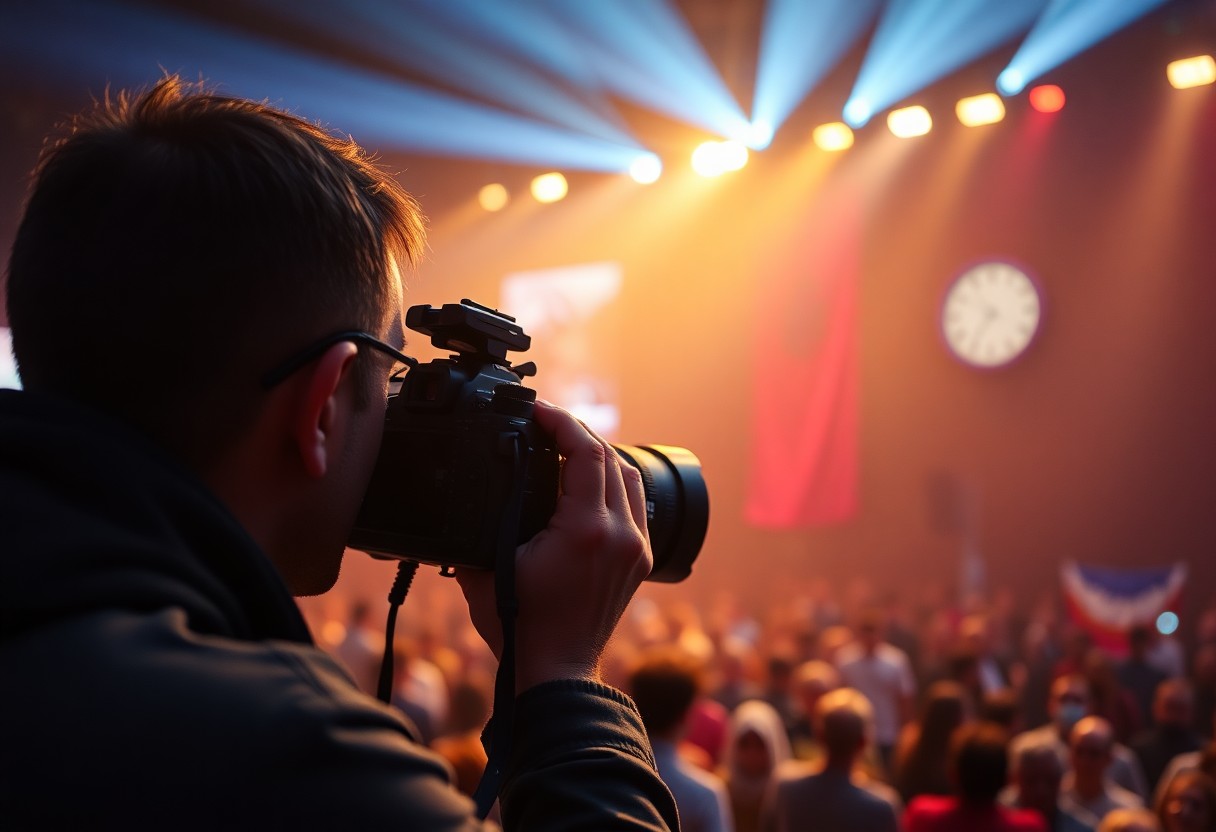
Timing plays a pivotal role in capturing the essence of any event through photography. Your ability to anticipate key moments—whether it’s a heartfelt hug, a spontaneous laugh, or a candid expression—can transform mundane shots into extraordinary memories. Understanding the flow of events and being in the right place at the right moment is vital for your success as an event photographer. In this post, you will discover best practices that will empower you to master the art of timing in your photography, ensuring you document events in a way that resonates with viewers.
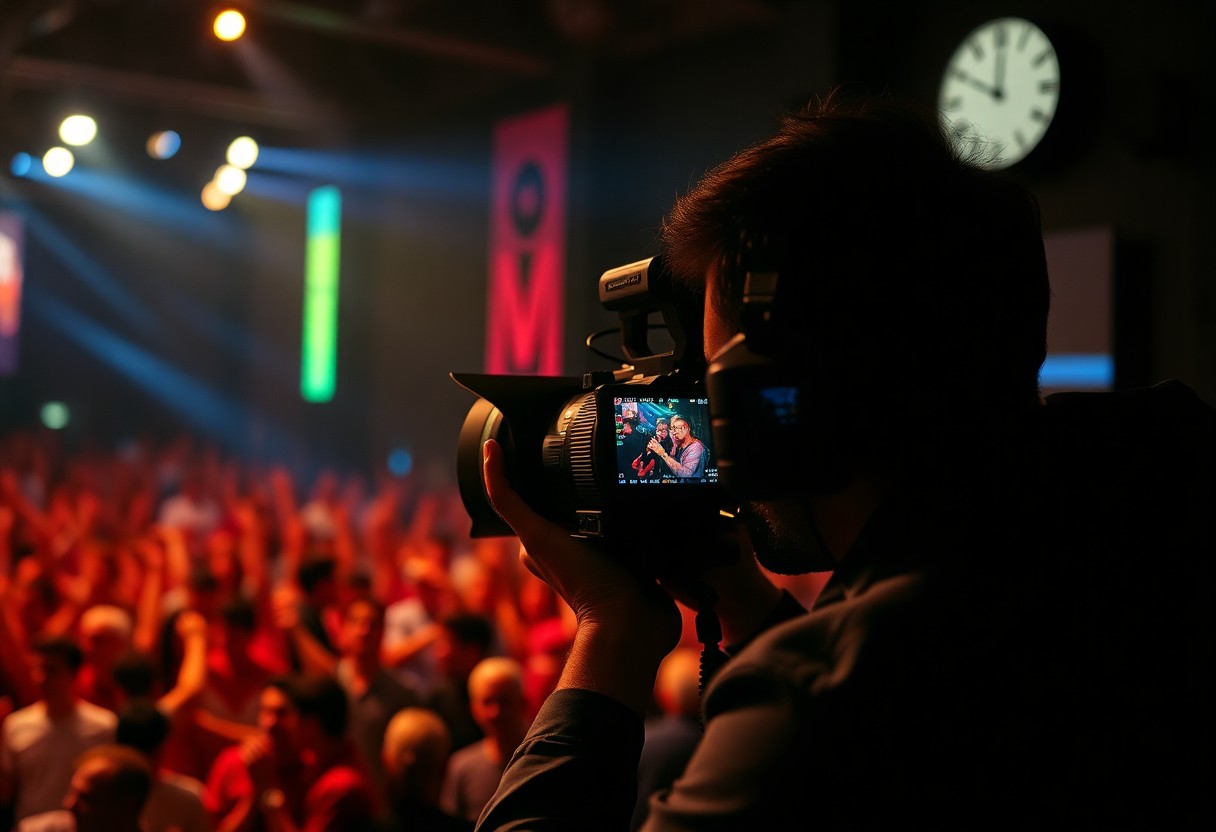
The Crucial Role of Timing in Event Photography
What Timing Means in Photography Context
In photography, timing encompasses the precise moment you choose to press the shutter button. This decision can make the difference between a mundane shot and an extraordinary image. Capturing moments like a joyful expression, a dramatic gesture, or a fleeting interaction requires acute awareness of your surroundings and a keen eye for what is unfolding in front of you. It is about being in the right place at the right time and knowing how to react quickly to capture life’s transient moments.
Elements Influencing Timing Decisions
Your timing decisions in event photography are influenced by several factors, including the type of event, the emotions of the attendees, and the rhythm of the activities happening around you. The specific moments of significance, such as a toast at a wedding or the final team huddle before a game, warrant your focused attention. Additionally, understanding lighting changes and the flow of the event helps you anticipate and adapt to the best opportunities for capturing noteworthy images.
Becoming adept at noticing elements that impact your timing can dramatically enhance your event photography. Factors like the venue layout, audience engagement, and even cultural nuances can dictate what moments are meaningful and worth capturing. For instance, a wedding may involve multiple traditions, each providing unique photographic opportunities. Similarly, during a corporate event, the energy can ebb and flow, requiring you to be strategically poised to catch moments of laughter or a significant achievement being celebrated. The more you familiarize yourself with these elements, the more instinctive your timing will become, ultimately leading to a collection of stunning photographs that tell the story of the event effectively.
Capturing the Moment: The Art of Anticipation
Anticipating significant moments is a learned skill in event photography. You’ll find that being attuned to the flow of the event enhances your ability to capture genuine emotions and interactions, transforming fleeting instances into timeless memories. The key lies in your ability to read the crowd and predict moments before they unfold.
Understanding Event Dynamics
Each event has its own rhythm and energy. By observing attendees and their interactions, you can better tune into the dynamics at play. Different types of events—such as weddings, corporate functions, or concerts—have unique elements to look for, allowing you to identify potential highlights and prepare your camera in advance.
Techniques for Predicting Key Moments
Identifying moments worth capturing hinges on keen observation and intuition. Pay attention to body language, such as laughter, tears, and gestures; these often signal upcoming emotions. Establishing connections with clients before the event also helps you understand what they deem significant, allowing you to anticipate highlights tailored to their preferences.
One effective technique for predicting key moments involves creating a mental checklist based on the event’s timeline. For instance, during a wedding, ensure you are present during the ceremonial vows, the first dance, and cake-cutting. Additionally, capture candid moments by positioning yourself strategically around key areas, such as entrances, stages, or high-traffic zones. By remaining aware of your surroundings and staying connected with event coordinators, you can adapt quickly and seize those unforgettable memories when they arise.
The Impact of Natural Light on Timing
The quality and direction of natural light can greatly influence the mood and clarity of your event photography. Understanding how sunlight changes throughout the day allows you to optimize your shooting schedule. The time of day impacts not only the ambiance but also how subjects are illuminated, which can reveal details you may not have noticed otherwise. Pay attention to shadows and brightness, as they can either enhance or detract from the storytelling in your images.
harnessing Golden Hour for Stunning Shots
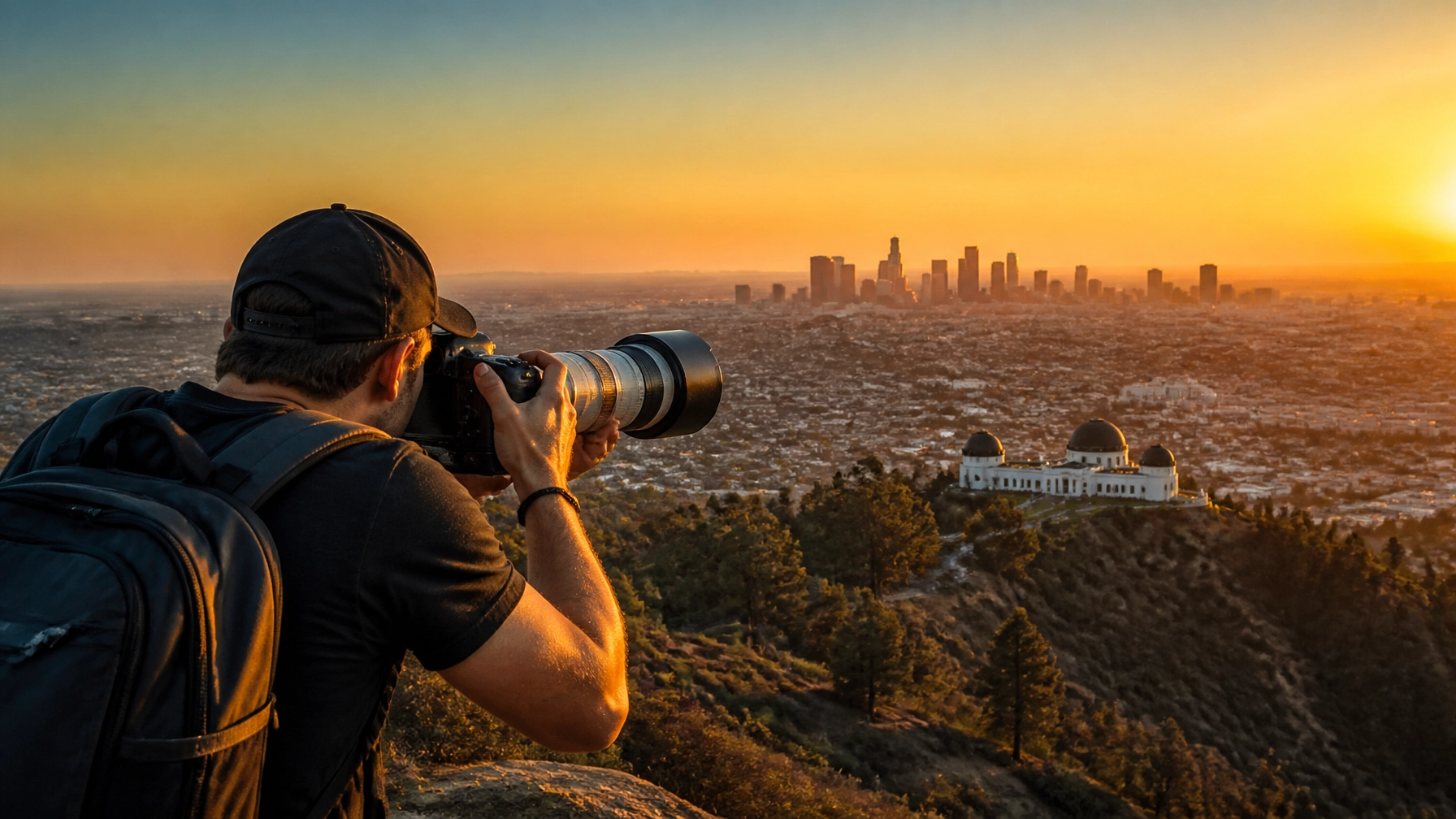
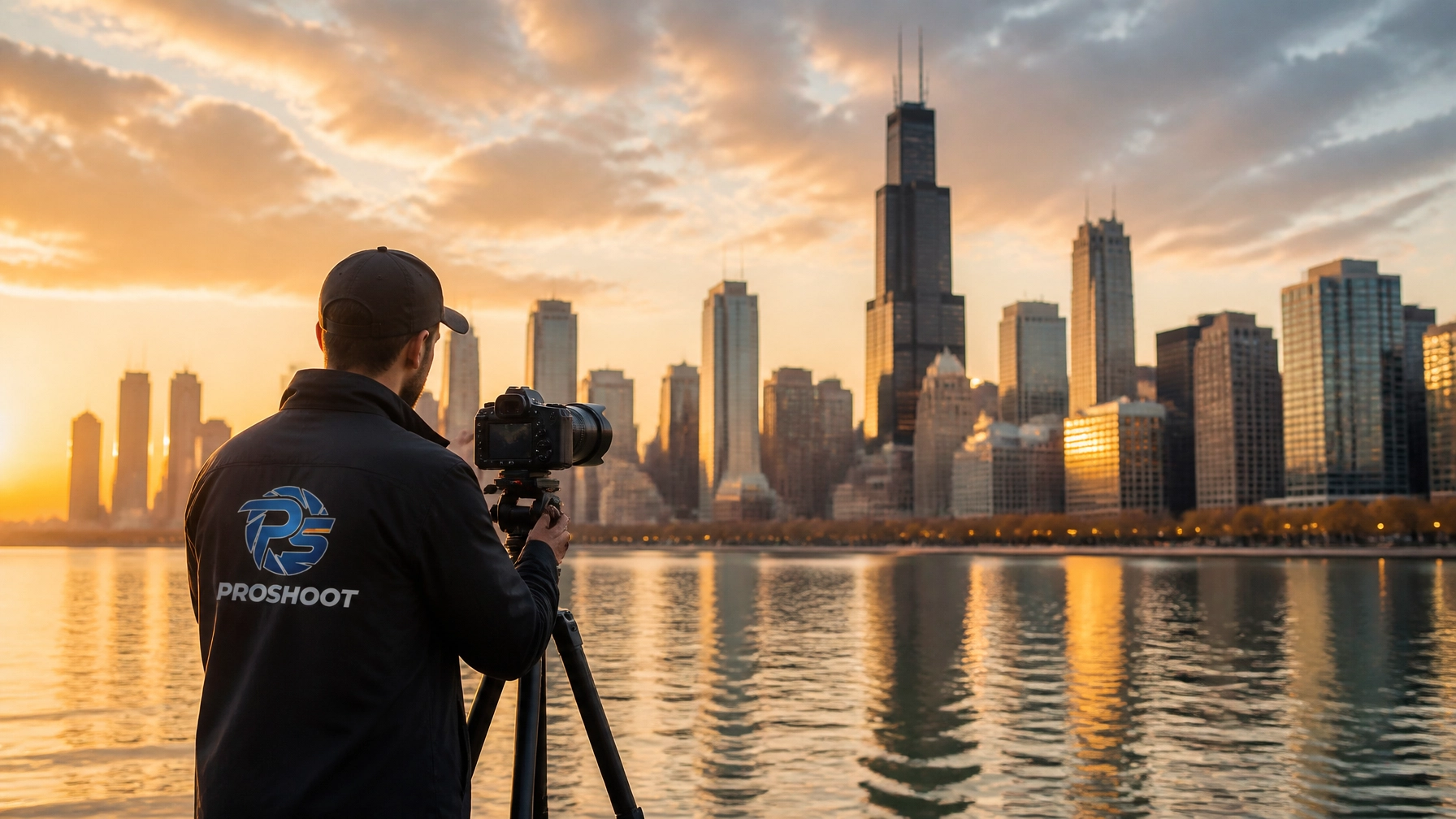
Golden hour, occurring shortly after sunrise or before sunset, is characterized by a warm, soft light that creates flattering conditions for portraits and landscapes. By planning your schedule around this magical time, you can elevate your images, capturing both vibrancy and emotion. The longer shadows and rich color tones add depth, making your photos resonate with viewers and stand out among regular daylight shots.
Strategies for Adapting to Changing Light Conditions
Being flexible and proactive about changing light conditions can significantly enhance your event photography. Carrying a lightweight reflector or diffuser allows you to manipulate light effectively, ensuring subjects are well-lit despite shifting shadows. Additionally, adjusting your camera settings—like increasing ISO or widening the aperture—can help you adapt on the fly and maintain image quality. Keeping an eye on weather patterns also enables you to anticipate potential changes in natural light.
Incorporating these strategies requires not just technical skills, but a keen sense of situational awareness. For instance, as daylight fades or cloud cover rolls in, quickly assessing your surroundings and adjusting your approach can save otherwise lost opportunities. Practice switching between different settings and using on-the-spot tools, like a smartphone app to determine the angle of the sun, to become adept at quick adaptations. By honing these skills, you’ll be prepared to tackle varying light conditions with confidence, capturing the essence of each event effortlessly.
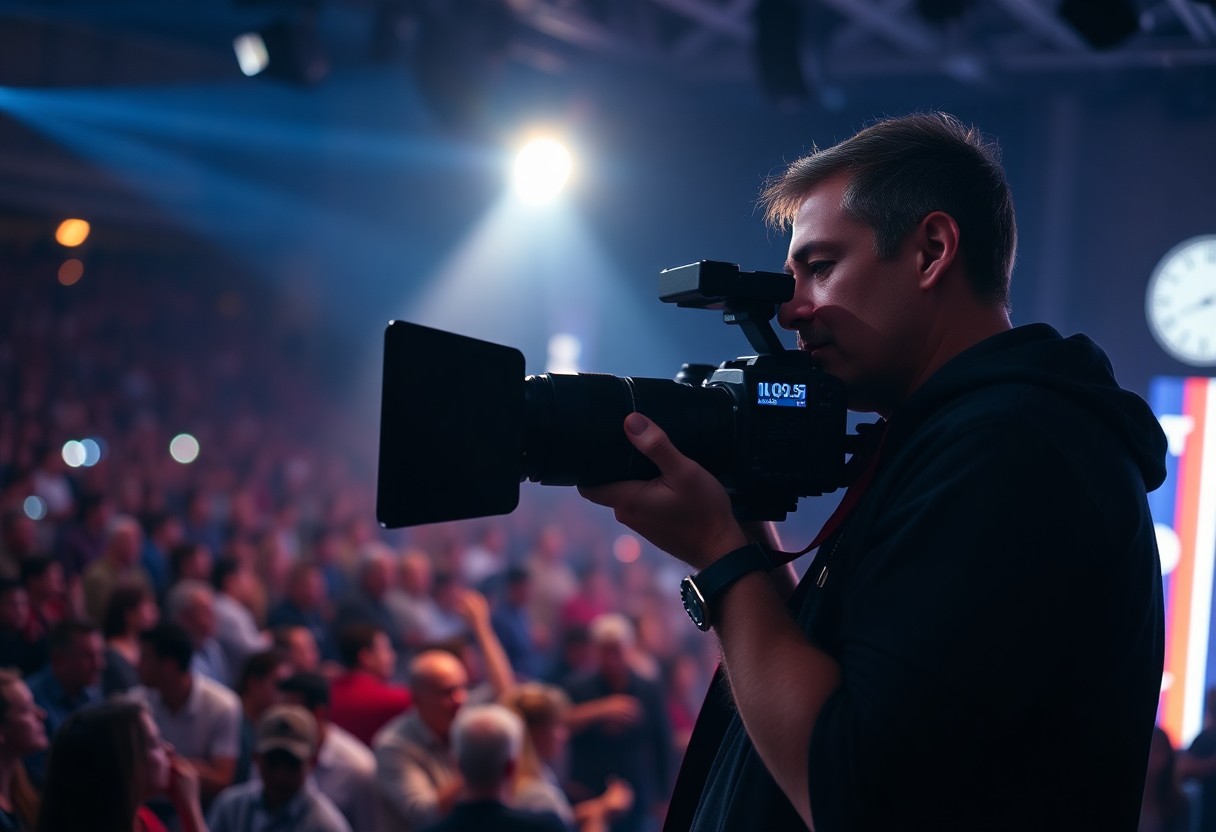
Timing and Emotion: Creating Narrative Through Photos
Capturing the essence of an event goes beyond mere documentation; it’s about encapsulating the emotions that bring your images to life. The feelings experienced during pivotal moments can resonate powerfully, directly influencing the viewer’s connection to your work. By honing your timing skills, you can create a narrative that reflects joy, excitement, or even the poignancy of fleeting moments. These emotional snapshots can transform a simple event into a compelling story that viewers relate to and remember.
Conveying Emotion by Timing Your Shots Right
A well-timed shot can evoke deep emotions, often more potent than words ever could. Pay attention to key emotional triggers—like a bride’s smile as she walks down the aisle or the laughter shared among friends at a reunion. Position yourself strategically to catch these moments; being present and aware of your surroundings increases your chances of capturing raw emotion when it unfolds.
Using Timing to Build Story Arcs in Photos
Storytelling in photography is fundamentally about progression, and timing plays a critical role in this process. You can illustrate a narrative arc through a sequence of images: the build-up to a surprise, the climax of an event, and its emotional aftermath. Each photograph becomes a chapter in a larger story, allowing viewers to engage with the event on multiple levels.
For example, at a wedding, the transition from the anticipation of the first dance to the emotional moment itself and finally to the celebration that ensues creates a narrative flow. As you capture these stages with precise timing, you give structure to your series of images. This method not only enhances viewer engagement but also allows them to feel a part of the experience, effectively extending the life of your photos beyond a single moment into an entire story that resonates emotionally. By being deliberate with your timing, you carve a narrative path that guides your audience’s emotions and memories through the event.
Real-Time Adjustments: The Photographer’s Challenge
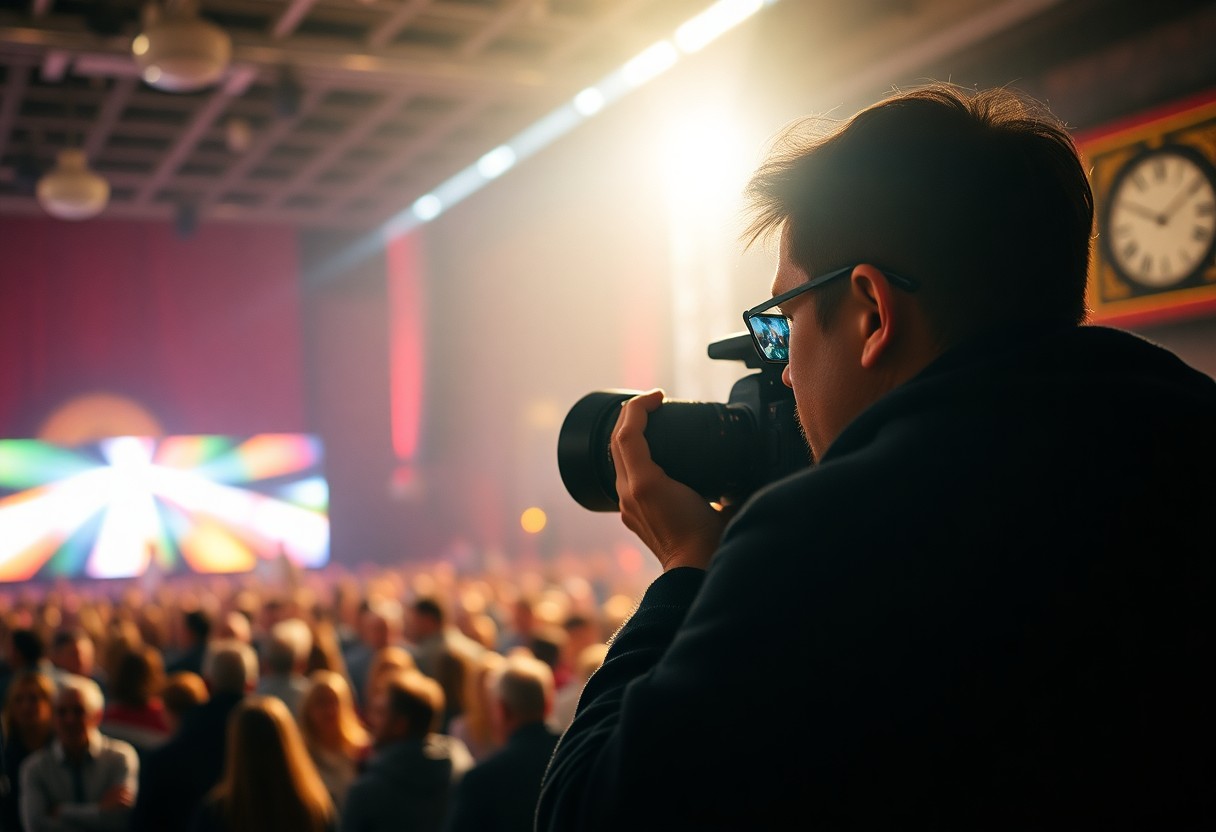
Adapting to live changes during an event adds an unpredictable layer to your role as a photographer. From unexpected lighting shifts to sudden movements from subjects, you face various challenges that require swift decision-making. Engaging with the unfolding energy of an event can lead to extraordinary images that truly convey the moment’s spirit but necessitates a flexible approach. Familiarizing yourself with your gear can save valuable time when the unexpected occurs, allowing you to focus on storytelling rather than technical adjustments.
Techniques for Adapting to Live Changes
To thrive amid evolving circumstances, enhance your anticipation skills. Observe the environment and subjects closely, so you can respond quickly to spontaneous moments. Adjust your camera settings on the fly; for example, use aperture priority mode to accommodate varying light conditions without constantly fiddling with settings. Keep an eye on your aperture and shutter speed, making adjustments as situations dictate. Practicing these techniques during less critical events can build your confidence for bigger occasions.
Leveraging Quick Decisions for Better Outcomes
Quick decision-making can lead to dynamic compositions that might have otherwise been missed with a more measured approach. Capture candid emotions by knowing when to shoot rather than hesitating for perfection. For instance, during a wedding toast, a split-second choice to pivot and photograph the reactions of guests can reveal authentic joy and surprise. Ultimately, seizing those unique opportunities can produce storytelling imagery that resonates with viewers long after the event concludes.
Your ability to leverage quick decisions not only enhances your images but also shapes the narrative of the event. The difference between a successfully captured moment and one that fades into the background often lies in your willingness to act on instinct. By assessing the atmosphere and responding quickly to the unfolding story, you’re more likely to create memorable shots. Successful photographers know that in event photography, timing is everything, and the moments that truly matter can vanish in the blink of an eye.
Conclusion
From above, it’s clear that mastering timing in event photography significantly enhances your ability to capture memorable moments. By understanding the rhythm of the event, anticipating key moments, and selecting the right equipment, you can elevate the quality of your images. Incorporating these best practices will not only improve your technical skills but also enrich the storytelling aspect of your work, ensuring that each frame reflects the essence of the occasion. Ultimately, your attention to timing will set your photography apart and contribute to your success in this dynamic field.


Leave a Reply
You must be logged in to post a comment.