
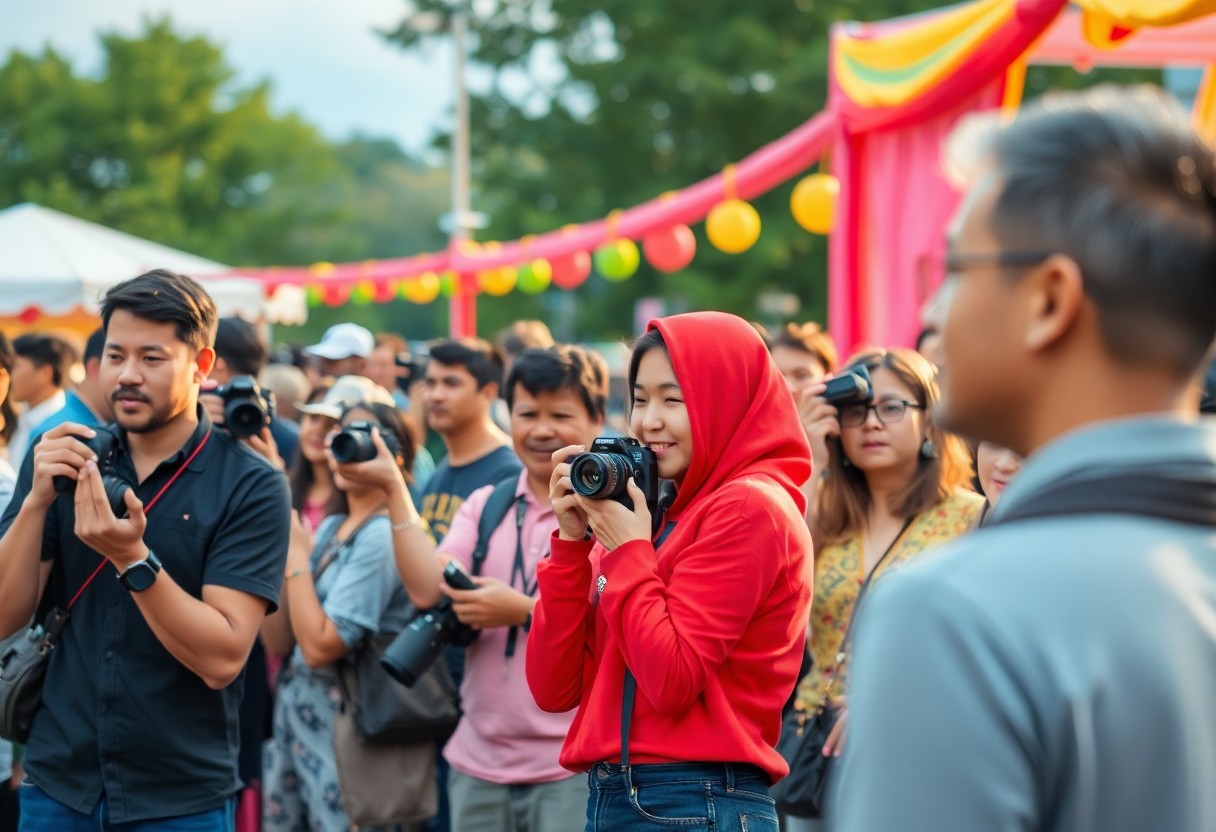
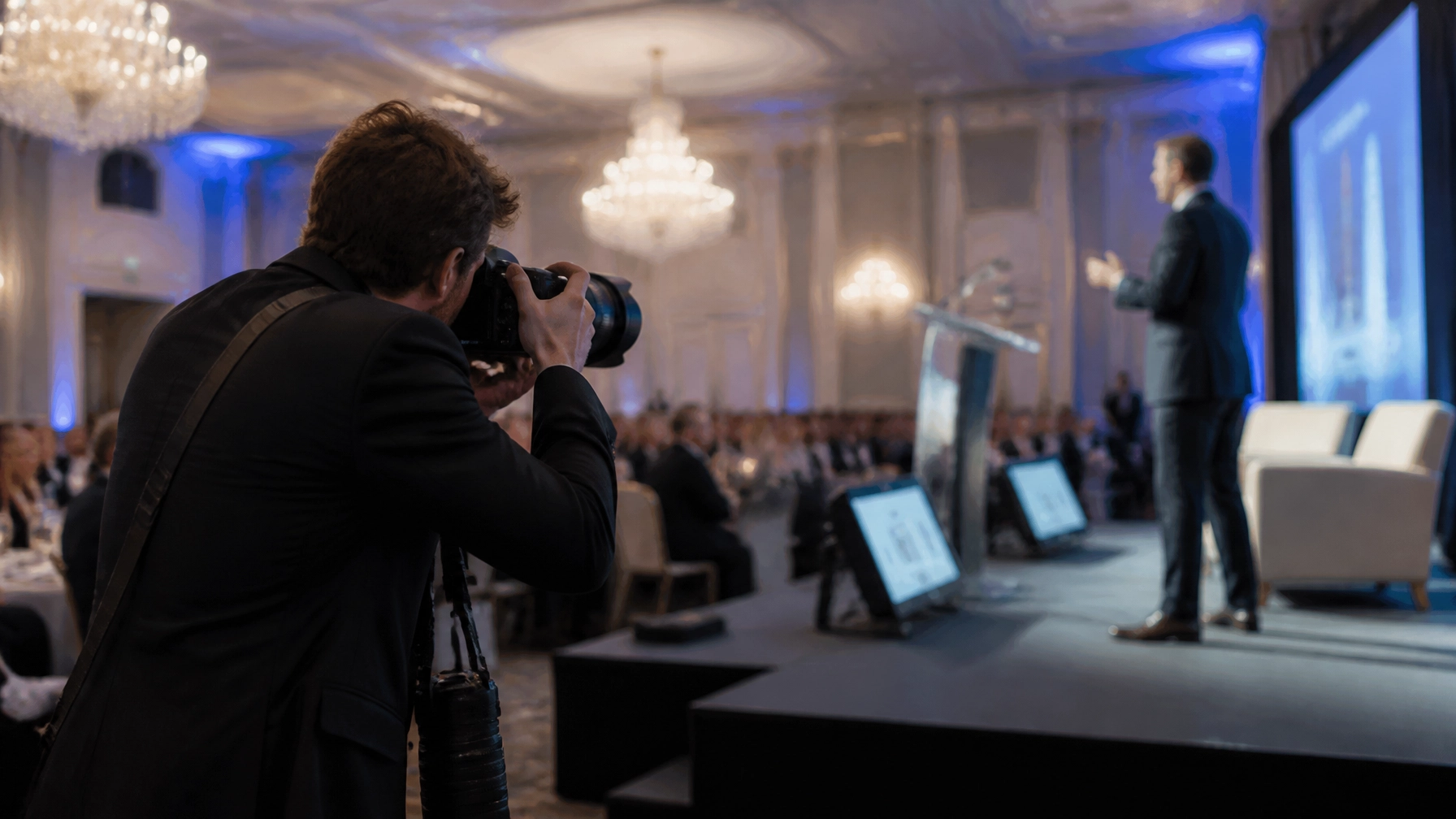
Many aspiring photographers find event photography both exciting and challenging. You have the unique opportunity to capture unforgettable moments, but achieving that perfect shot requires the right techniques and mindset. In this post, you will explore important strategies that will enhance your skills and help you document events with confidence. Whether you’re covering weddings, corporate gatherings, or family reunions, these tips will guide you in creating stunning images that truly tell the story of each occasion.
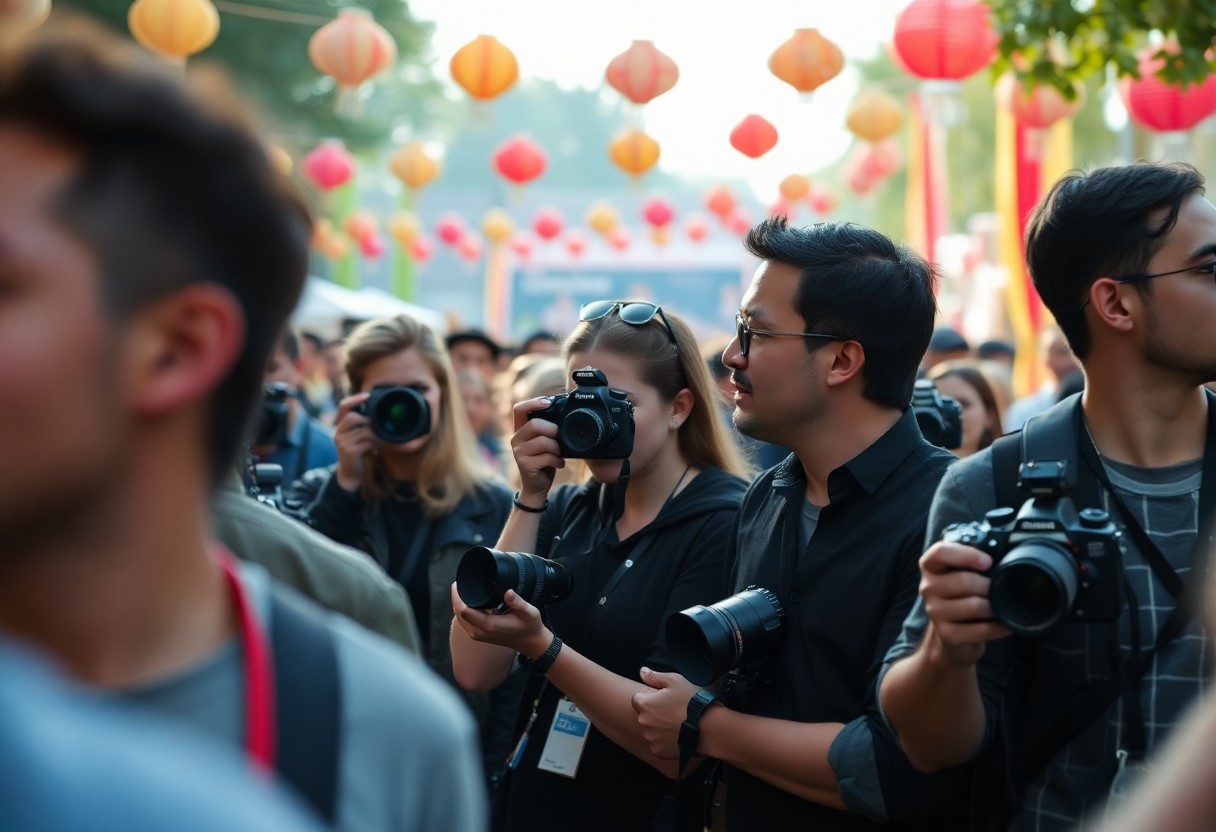
Framing the Moment: Essential Composition Techniques
Mastering composition techniques elevates your event photography, guiding the viewer’s eye and enhancing storytelling. By thoughtfully framing your subjects and scenes, you can convey emotions and energy in ways that resonate. Whether you’re capturing candid interactions or staged moments, understanding how to position your subjects and surroundings plays a vital role in creating impactful images that truly reflect the essence of the event.
Rule of Thirds and Beyond
Utilizing the rule of thirds encourages a dynamic composition. Visualize dividing your frame into a 3×3 grid and positioning key elements along these lines or at their intersections. This technique creates balance and guides the viewer’s attention, but don’t shy away from breaking the rules for unique perspectives. Experiment with centering subjects or employing asymmetry to convey a particular feeling or narrative.
Harnessing Leading Lines for Impact
Leading lines serve as pathways for your viewers’ eyes, drawing them into the action and emphasizing depth. Use architectural elements, walkways, or even light trails to create a sense of movement and guide attention toward focal points within your frame. For instance, photographing a wedding aisle with rows of chairs leading toward the altar creates a vivid narrative of anticipation and emotion. Consider the angles and positions of your subjects as well to enhance the effect of leading lines in your compositions.
When employing leading lines, think about your environment and how you can leverage natural elements to create visual interest. Streets, bridges, and even trees can act as powerful lines that lead your audience’s gaze, adding layers to your images. By incorporating these elements strategically, you can provoke emotions and draw viewers deeper into the story you’re telling through your photography. Always keep your eyes open for these opportunities during events, as they can transform an ordinary moment into an extraordinary visual experience.
Mastering Light: The Photographer’s Best Friend
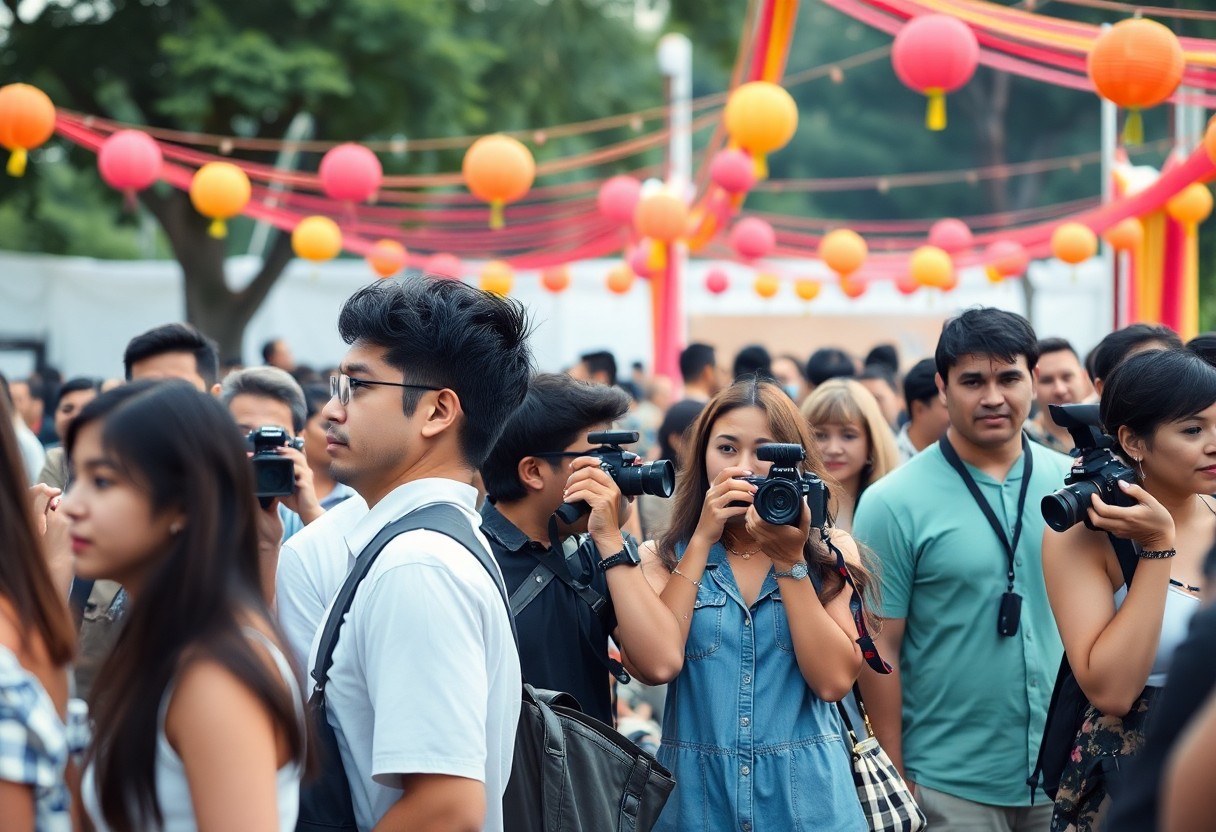
Light can make or break your event photographs, serving as the foundation for creating mood, depth, and clarity. Understanding how to control light allows you to elevate your work from merely functional to truly captivating. By mastering both natural and artificial lighting techniques, you’ll develop the skills necessary to capture those perfect moments no matter the setting or time of day.
Understanding Natural vs. Artificial Lighting
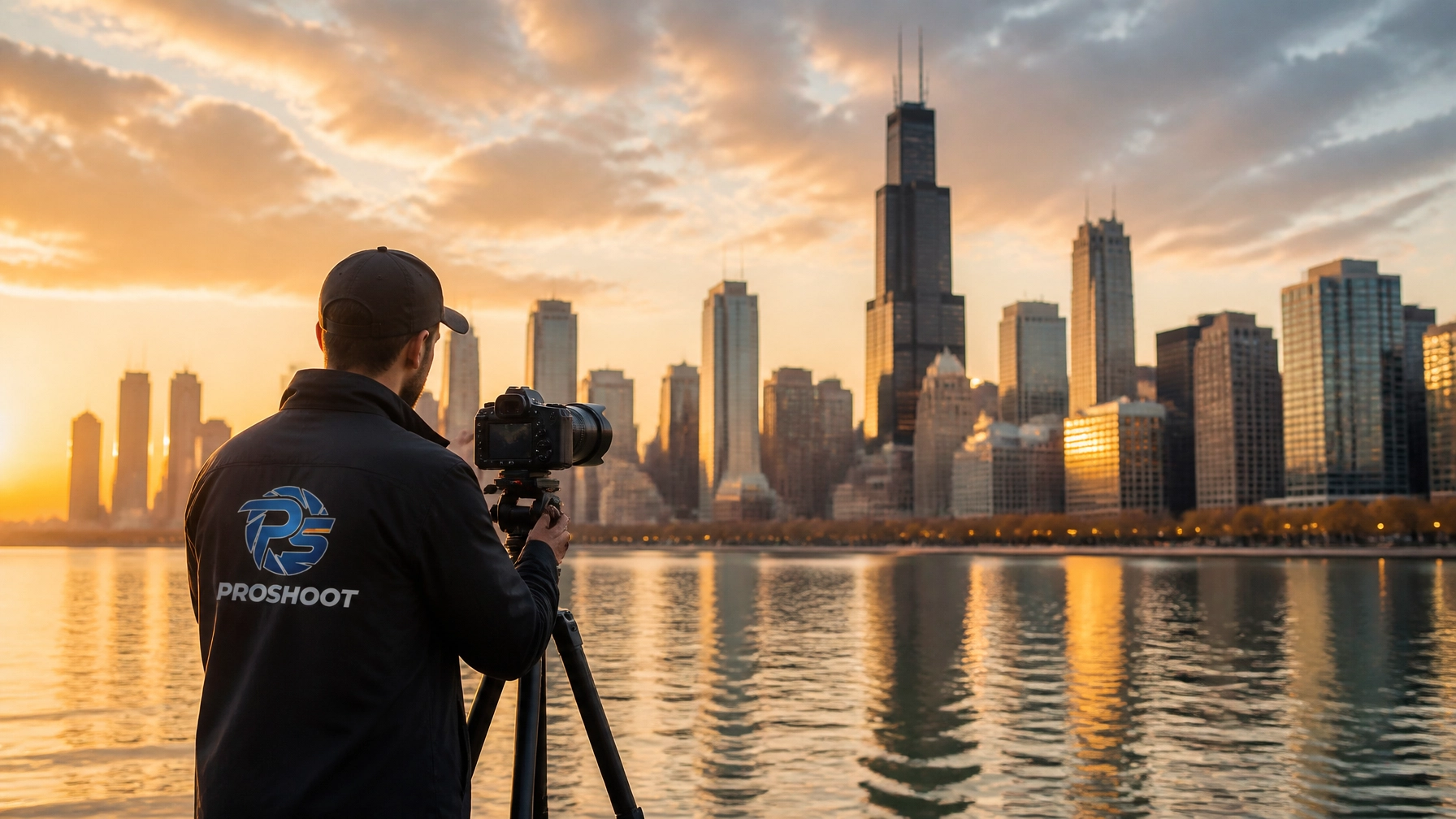
Natural light, filtered through windows or diffused by clouds, creates a soft, flattering effect on your subjects, while artificial light must be managed creatively to produce the desired results. Each type of lighting presents unique challenges and advantages. For instance, golden hour—just before sunset—offers the warmest tones, while indoor events may require you to balance on-camera flashes with ambient light for a more harmonious look.
Creative Use of Shadows and Highlights
Shadows and highlights can transform ordinary event photos into compelling visual stories, adding layers of interest to your images. By consciously incorporating shadows, you create depth and drama, while highlights can direct the viewer’s focus to the subjects you’re capturing, enhancing the overall narrative of the scene.
Experimentation with shadows and highlights allows for innovative compositions that convey emotion and atmosphere. For example, capturing a bride’s silhouette against a brightly lit window adds romance and intrigue. Alternatively, shooting during twilight can yield rich contrasts that emphasize the glow from ambient lighting, making your subjects pop. Utilize various angles and vantage points to investigate how shadows fall and highlights form—this experimentation may lead to breathtaking results that elevate your event photography to new heights.
Candid vs. Posed: Finding the Right Approach
Combining candid and posed photography can yield striking imagery that tells a complete story of your event. Depending on the event’s atmosphere, you can shift your focus from orchestrated poses that showcase formality to spontaneous moments that exude authentic emotion. A balanced approach invites your subjects to relax, fostering natural interactions while also allowing for traditional shots that serve as keepsakes. Each technique has its unique charm and value, so understanding when to employ each will elevate your storytelling through photography.
The Art of Capturing Natural Emotion
Natural emotion shines through candid photography, creating an engaged and lively atmosphere in your shots. Observing your subjects and anticipating moments of laughter, joy, or conversation allows you to seize these fleeting instances. You’ll find that candid moments often convey true connection and intimacy—details that posed images sometimes lack. Engaging with your environment and immersing yourself in the event will enhance your ability to capture these genuine expressions.
Balancing Posed Shots with Genuine Interactions
Posed shots provide structure and formality, while genuine interactions offer authenticity and life to your images. A well-rounded collection of photographs includes both types, showcasing the essence of the event. You might find that after capturing a group photo, the subjects naturally engage with each other, presenting an opportunity for you to snap candid images that highlight the relationships and memories being made. This strategy not only diversifies your portfolio but also resonates with your clients who value both types of imagery.
Implementing a balance between posed shots and genuine interactions can significantly enhance your event photography. Consider scheduling specific moments for posed portraits amidst the event’s natural flow, allowing you to focus on capturing those authentic connections. For example, during a wedding, take a few minutes for a structured family portrait session, and follow it up with unobtrusive candid shots of guests mingling, dancing, or sharing jokes. Such a blend enriches the narrative of the event, ensuring that you don’t miss the beautiful, unguarded moments that offer depth to the captured story.
Gear Up: Must-Have Equipment for Event Photographers
Your photography gear significantly influences the quality of your shots at events. Invest in versatile equipment that can handle various lighting conditions and fast-paced environments. A reliable camera body, quality lenses, and important accessories like tripods and external flashes will prepare you to capture every moment, from candid smiles to grand speeches. Understanding what to pack ensures you’re always ready to seize great opportunities as they happen.
Camera Selection: DSLR vs. Mirrorless
Choosing between a DSLR and a mirrorless camera hinges on your shooting style and preferences. DSLRs offer a classic feel with optical viewfinders and longer battery lives, making them excellent for extended events. In contrast, mirrorless cameras are typically more compact, provide faster burst rates, and excel in video capabilities. Opt for a camera that feels comfortable in your hands and aligns with your needs, especially in fast-moving event scenarios.
Lenses That Elevate Your Event Photography
Selecting the right lenses can transform your event photography. Fast prime lenses such as 50mm or 85mm allow for beautiful bokeh and excellent low-light performance, making them ideal for venues with challenging lighting. A versatile zoom lens, like a 24-70mm, covers a range of focal lengths, enabling you to adapt to different shooting situations seamlessly. Additionally, consider a wide-angle lens if you’ll be capturing large groups or immersive venue shots, allowing you to encapsulate the atmosphere without sacrificing detail.
Incorporating prime and zoom lenses into your toolkit can give you the flexibility needed for various moments during an event. For candid shots, a lens with a wide aperture, like a 50mm f/1.8, can produce sharp, striking images even in dim lighting. If you find yourself photographing speeches or performances, a 70-200mm f/2.8 zoom lens provides the perfect balance of reach and clarity. This strategic combination empowers you to shoot with confidence, ensuring that you capture every detail and emotion throughout the day.
Post-Processing Techniques for Stunning Results
To elevate your event photography, post-processing is key. Utilizing software like Adobe Lightroom or Photoshop allows you to enhance images significantly. From adjusting colors to fine-tuning details, these techniques will make your photographs pop, ensuring they capture the essence of the event. Refining your skills in post-processing not only improves your workflow but also lets your creativity shine through with each image you present.
Basic Edits: Cropping, Color Correction, and Exposure
In the initial stages of post-processing, focus on basic edits such as cropping to improve composition, color correction to match the desired mood, and adjusting exposure to highlight important elements of your shots. These fundamental steps create a solid foundation, allowing your images to resonate well with viewers. Utilize histograms and grid overlays to guide your adjustments for precision and balance.
Advanced Techniques: Layering and Retouching
Advanced post-processing introduces exciting possibilities for enhancing your photos through layering and retouching. Layering allows you to merge different images or effects, giving depth and dimension to visual storytelling. Retouching focuses on refining details, correcting imperfections, and enhancing subjects, ensuring each photograph is polished and professional. Mastering these techniques can transform good images into breathtaking works of art that captivate your audience.
Advanced Techniques Overview
| Layering Techniques | Combine multiple images for depth and complexity; use blending modes to create unique effects. |
| Retouching Tips | Use frequency separation for skin and detail smoothing while maintaining textures. |
Layering allows for creative compositions by stacking images to create a richer narrative. You might blend a foreground image of an enthusiastic crowd with a soft background of an event venue, establishing a sense of presence. Retouching, on the other hand, involves more detailed work, such as removing distractions or enhancing subjects’ features. Techniques like the clone stamp and healing brush can smoothen skin tones without losing clarity, ensuring that the final presentation is not just visually stunning but also a true representation of the moment captured.
- Experiment with composite photography for dynamic storytelling.
- Use adjustment layers for non-destructive editing.
- Employ targeted adjustments for selective enhancement.
- Incorporate presets and filters for a consistent style.
- Regularly calibrate your monitor for accurate color representation.
Summing up
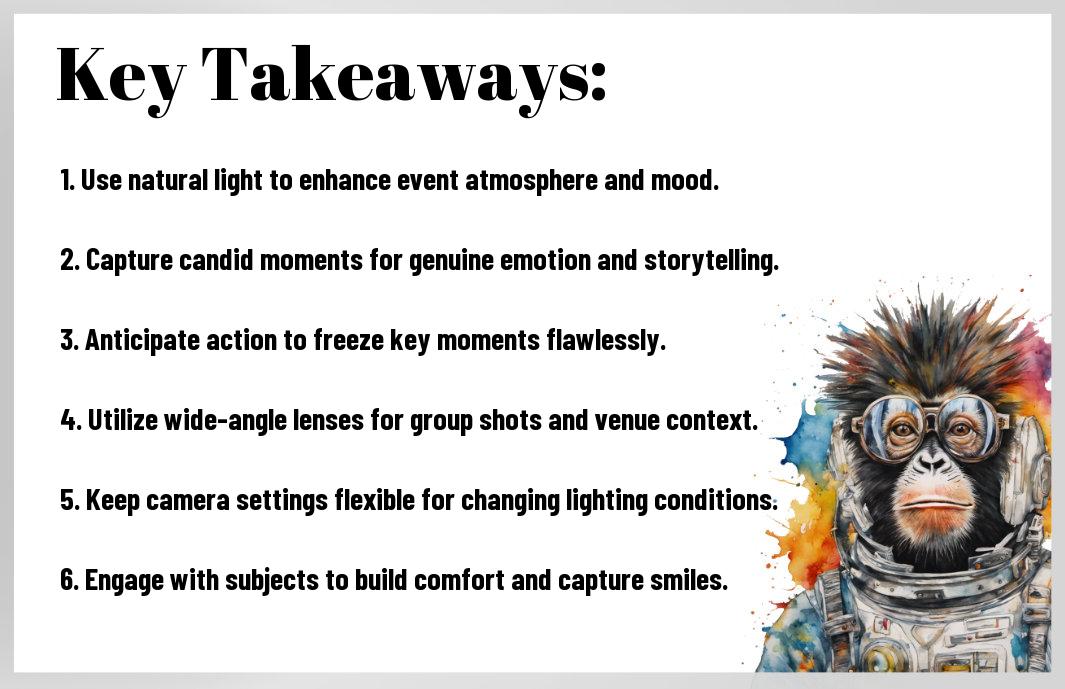
Following this guide to Event Photography 101, you are equipped with necessary techniques to capture stunning shots. By mastering the interplay of lighting, composition, and timing, you can elevate your photography skills and create lasting memories for your clients or yourself. Emphasizing the importance of preparation and adaptability ensures that you will be ready for any situation. With practice and a keen eye, your photographs will not only document events but also tell compelling stories that resonate with viewers.

Leave a Reply
You must be logged in to post a comment.