
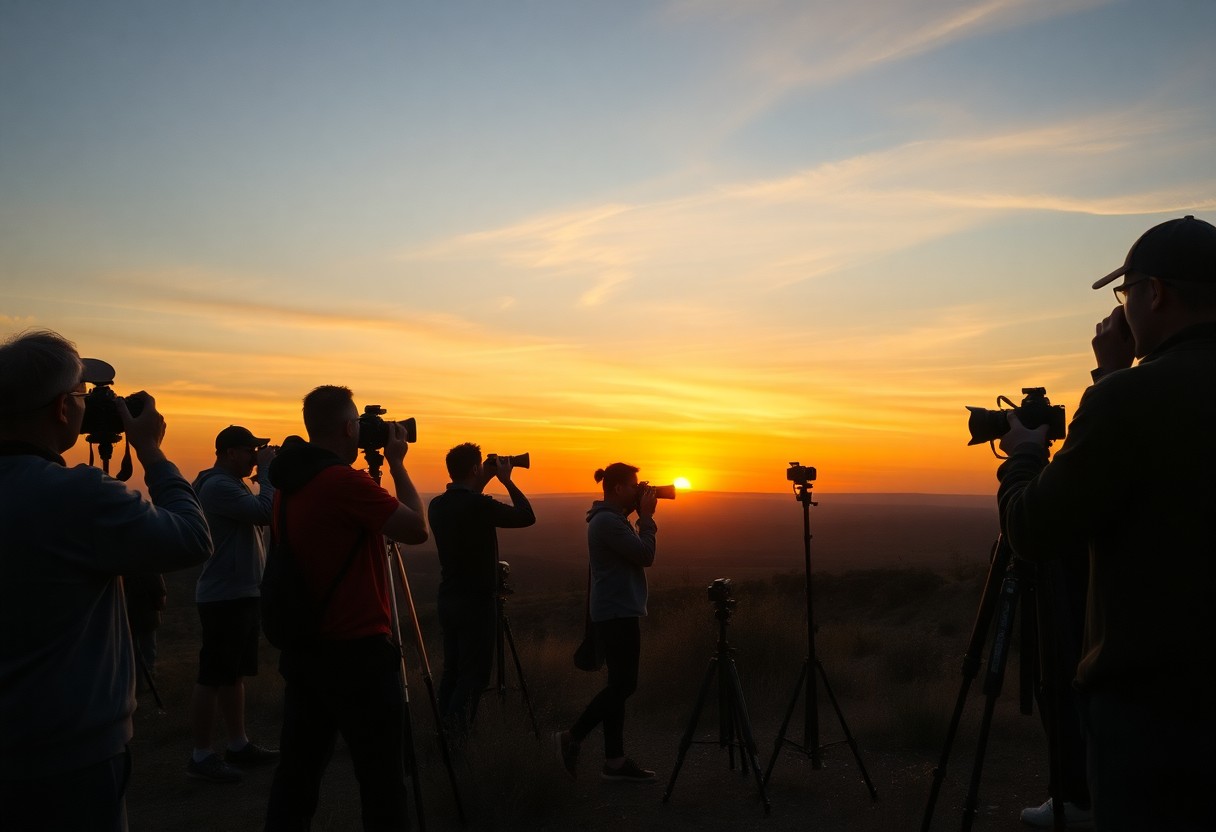
Over the course of your photography journey, understanding composition can truly elevate your images from ordinary to extraordinary. In this post, you’ll discover practical tips and techniques that will inspire you to see the world through a creative lens. Whether you’re a beginner looking to take your first shot or an experienced photographer aiming to refine your skills, these insightful strategies will help you enhance your photographic compositions and capture stunning visuals that resonate.
Understanding Creative Composition
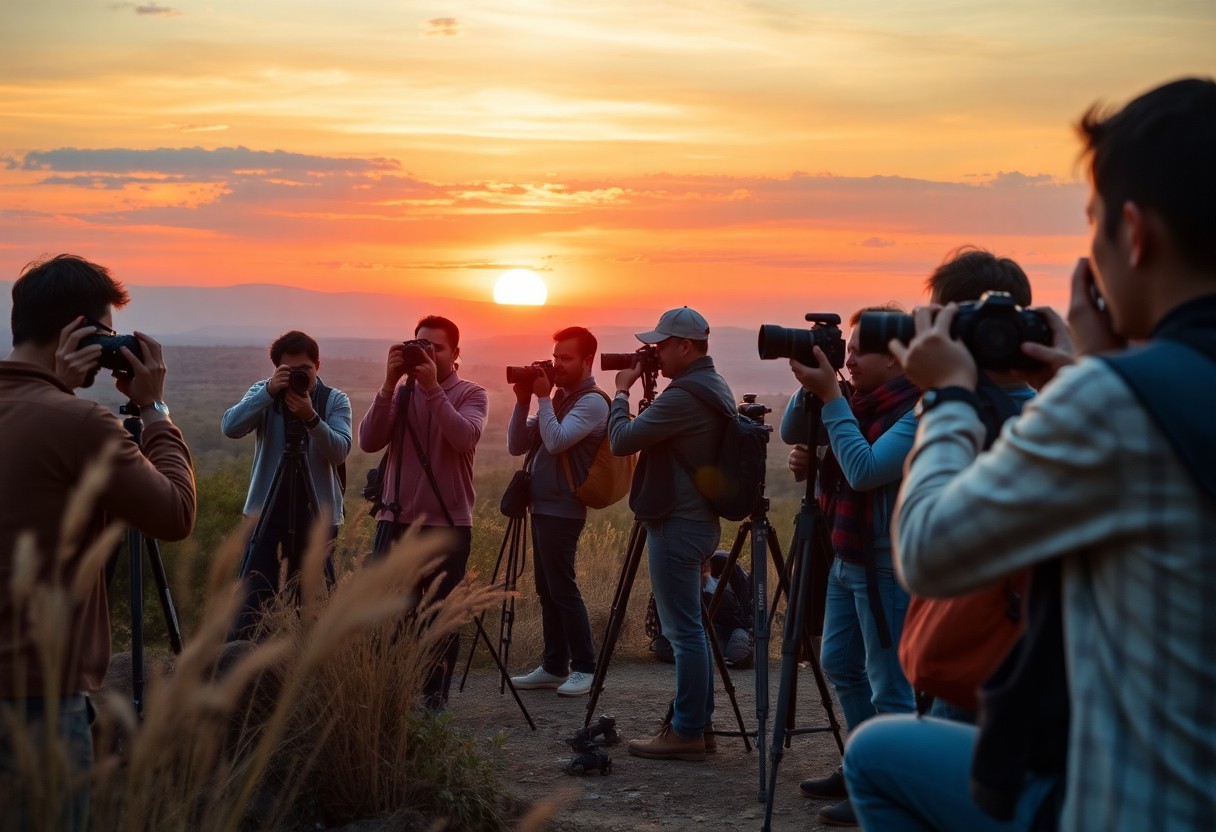
The foundation of effective photography lies in creative composition. By thoughtfully arranging elements within your frame, you can elevate your images from ordinary to extraordinary. This chapter will guide you through the imperative concepts and techniques that will help you develop a keen eye for composition, enabling you to create captivating visual stories.
The Importance of Composition in Photography
Clearly, composition serves as the backbone of any striking photograph. It guides the viewer’s eye, conveys emotions, and communicates your intended message. By paying attention to how you arrange the elements within your frame, you can take full advantage of your subject’s potential, creating images that resonate with your audience.
Key Elements of Composition
Little details in composition can make a significant impact on your final image. Elements like balance, leading lines, framing, and the rule of thirds can help you structure your photographs effectively. Each of these components contributes to a cohesive and engaging visual narrative that holds the viewer’s attention.
For instance, using the rule of thirds involves dividing your frame into a grid of nine equal parts, allowing you to place your subject at the intersecting points. This simple technique can create a more dynamic and engaging composition. Similarly, employing leading lines can guide the viewer’s eye through the scene, drawing attention to your focal point. By incorporating these key elements, you can enhance the visual appeal of your photographs, making them more memorable and impactful.
How-to Develop a Unique Perspective
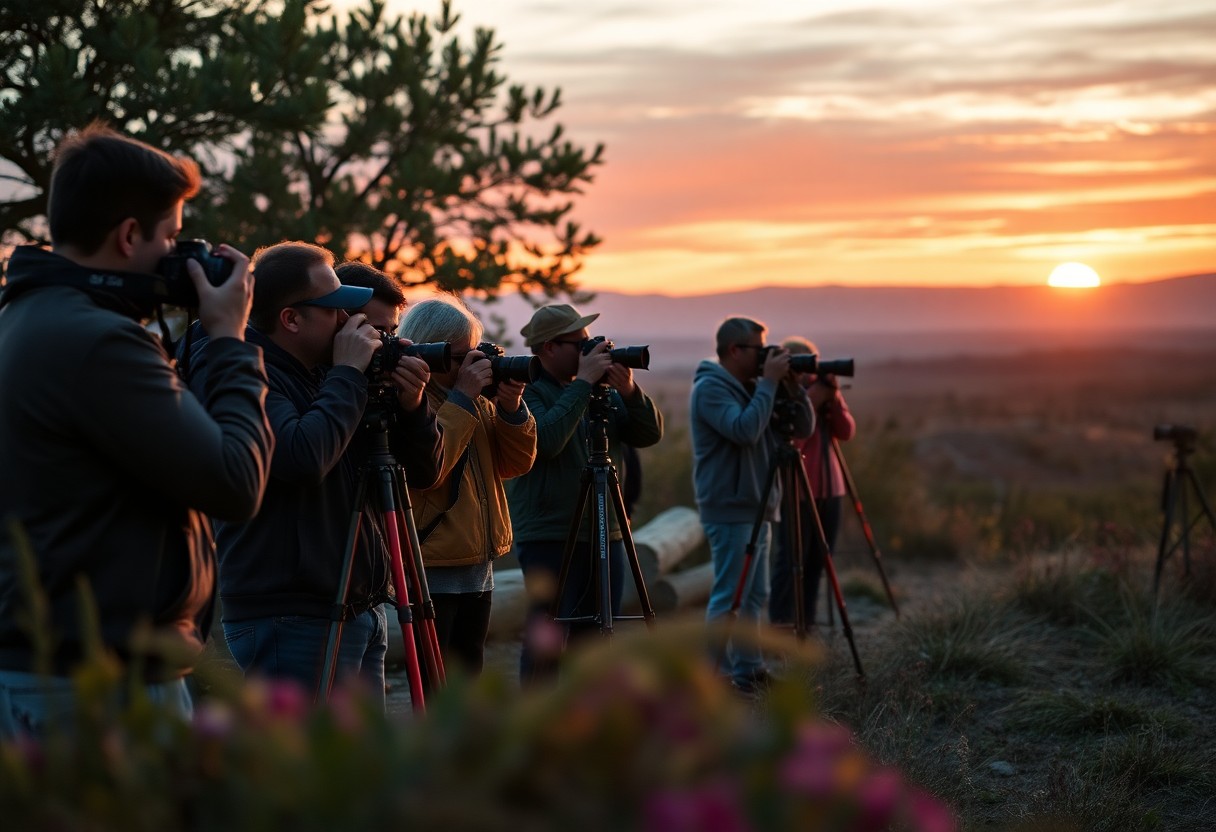
One of the best ways to elevate your photography is by developing a unique perspective that distinguishes your style. By viewing your subjects from different angles and utilizing innovative techniques, you can create captivating images that tell a distinctive story. Embrace your individuality in photography, allowing your vision to shine through each composition.
Experimenting with Angles and Framing
The key to fresh and engaging photographs lies in experimenting with angles and framing. Try shooting from low or high perspectives or tilting your camera for a dynamic effect. Explore the use of leading lines and natural frames to guide the viewer’s eye and add excitement to your compositions.
Incorporating Depth and Layers
Some of the most compelling photographs utilize depth and layers to create a sense of three-dimensionality. By including foreground, middle ground, and background elements, you add richness to your images that invite viewers to explore every aspect of the scene.
Incorporating depth and layers in your photography not only adds interest but also creates a narrative within your composition. Consider positioning objects in the foreground to draw attention, while also including details in the background that complement your main subject. This approach encourages viewers to engage with your image on multiple levels, enhancing their overall experience and connection to your work.
Tips for Balancing Elements
Clearly, achieving a harmonious composition involves the careful balance of various elements within your frame. Consider these tips:
- Use symmetry or asymmetry based on the mood you want to convey.
- Incorporate negative space to highlight your subject.
- Align elements to guide the viewer’s eye.
- Experiment with scale to create visual interest.
Assume that balancing elements enhances not only the aesthetic appeal but also strengthens the narrative of your photograph.
Rule of Thirds vs. Visual Weight
Little nuances in composition can make a significant impact on your photography. The Rule of Thirds is a popular guideline that divides your frame into a grid, suggesting you place the main subject at the intersections. Conversely, visual weight refers to how much attention an element draws due to its size, color, or position. Use these concepts together to achieve a balanced image that feels complete.
Leading Lines and Natural Flow
Some of the most captivating photographs utilize leading lines, which guide the viewer’s eye toward your main subject. These lines can be literal, like roads or rivers, or more abstract, such as the arrangement of objects. They create depth and a sense of movement in your composition, effectively drawing your audience into the scene.
To amplify the impact of leading lines, strategically frame elements within your composition to create a natural flow. Consider how different lines interact with the setting: paths may lead through a scenic landscape, while architectural lines may intersect within an urban environment. By positioning your subject at the end of these lines, you invite viewers on a journey, enhancing engagement and storytelling within your image.
Factors Influencing Creative Choices
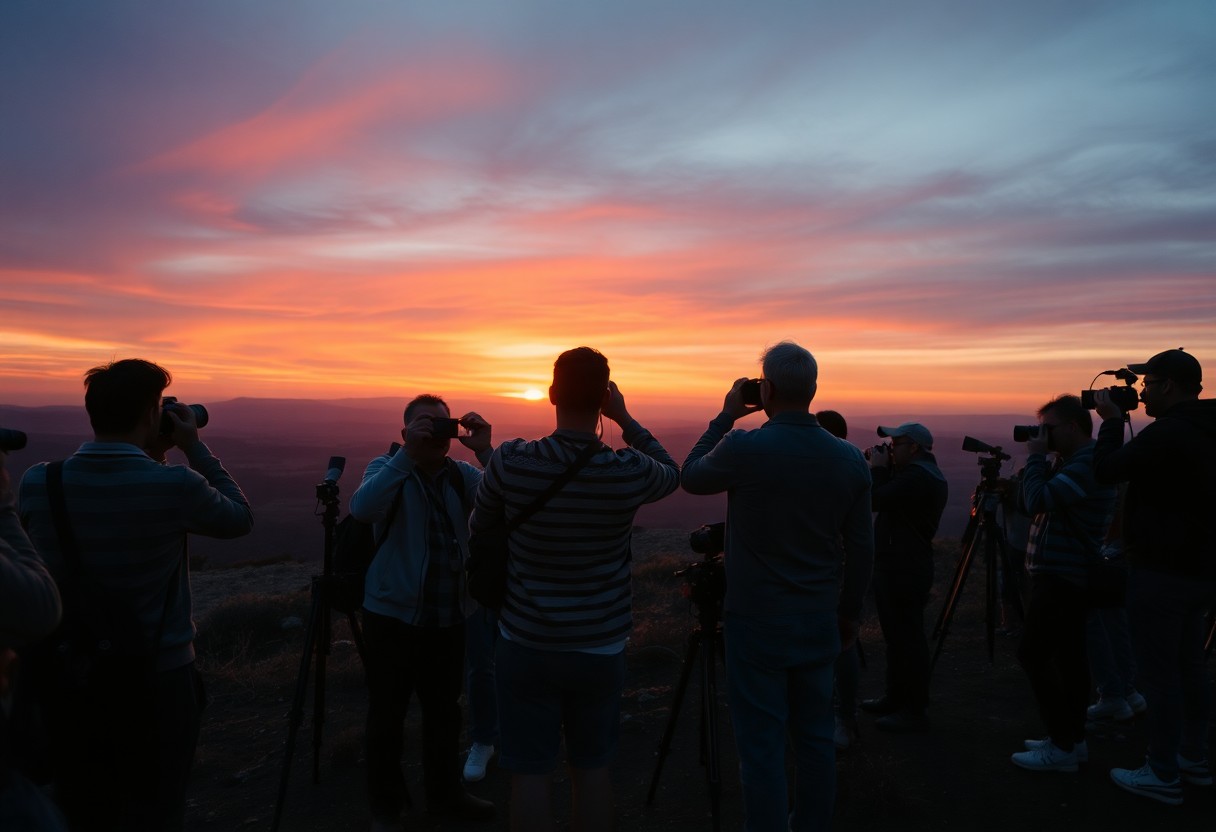
Not every photographer embraces the same techniques or aesthetics, and various factors can profoundly shape your creative choices. Consider these elements:
- Your personal experiences
- The environment surrounding you
- Current trends in the art world
- Specific subjects that inspire you
Any of these factors can lead you to unique interpretations and compositions that reflect your vision.
Lighting and Its Impact on Composition
While natural and artificial light profoundly influences your composition, it can evoke different moods and feelings. Low-light conditions highlight textures and shapes, while bright daylight emphasizes colors and clearer details. Experiment with the time of day to see how various lighting conditions alter your photos. Understanding how to manipulate light can enhance your storytelling abilities as a photographer.
Color Theory and Emotional Responses
You can harness the principles of color theory to evoke specific emotional responses through your photography. The way colors interact can significantly influence the overall atmosphere of your images. Using warm colors can create feelings of comfort or energy, while cool colors often convey calmness or sadness.
Impact is the result of how color combinations affect viewers’ emotions and perceptions. For example, an image dominated by reds and oranges might evoke excitement or passion, whereas blues and greens can promote tranquility. By choosing your color palette thoughtfully, you can guide the observer’s feelings and reactions, making your photography more impactful and resonant.
Techniques for Enhancing Creativity
To explore new dimensions in your photography, embrace techniques that challenge your conventional thinking. Experimenting with different perspectives, engaging with storytelling elements, and pushing your own creative boundaries can elevate your work significantly. By trying out a variety of approaches—such as lighting adjustments, framing changes, or even incorporating your own emotional responses—you will cultivate a richer, more imaginative style that resonates with your audience.
Using Props and Textures
An effective way to ignite your creativity is through the use of props and textures. Incorporating specific objects into your compositions can add depth and intrigue, making your images more engaging. Consider the materials, colors, and shapes of the props you choose; they can evoke different emotions and enhance your story, allowing for a more expressive visual experience.
The Power of Minimalism
To harness the power of minimalism in your photography, you should focus on simplifying your compositions to create a more impactful visual message. By eliminating distractions and narrowing your subject matter, you can guide your viewers’ attention directly to the focal point, emphasizing its significance. This intentional use of space not only enhances clarity but also encourages viewers to engage more profoundly with the essence of your subject.
Textures play a vital role in minimalism, as they can bring a sense of depth and intrigue even in a simplified composition. By focusing on subtle variations in surfaces and materials, you can create a rich sensory experience with minimal elements. These textures will help convey emotions and nuances in your work while allowing the viewer’s imagination to fill in the blanks, fostering a personal connection to your photography.
Practical Exercises for All Levels
Despite where you are in your photography journey, engaging in practical exercises can significantly enhance your skills. By experimenting with various techniques and perspectives, you can discover new ways to capture the world around you. These exercises are designed to be adaptable, allowing you to challenge yourself while fostering creativity in your photography.
Daily Photo Challenges
With a daily photo challenge, you set a specific theme or subject for each day, pushing your creativity and encouraging you to take photos regularly. This practice can help you develop a consistent habit, allowing you to improve your technique and refine your eye for composition over time.
Weekly Theme Exploration
Assuming you have more time to dedicate to your photography, a weekly theme exploration allows you to dive deep into a set topic. By focusing on a single concept for the week, you can experiment with different angles, lighting conditions, and settings, leading to a well-rounded understanding of the theme.
Daily challenges can help shape your photographic vision by stepping into various aspects of a theme. For instance, if your weekly theme is “texture,” you might explore various surfaces like wood, fabric, and stone throughout the week. By the end of it, you’ll not only have a diverse collection of images but also an enriched understanding of how to convey the essence of that theme. Consider sharing your progress on social media or within photography communities to gain constructive feedback and inspiration from others.
To wrap up
Presently, exploring creative composition can significantly enhance your photography skills, regardless of your experience level. By incorporating the tips discussed, such as utilizing leading lines, experimenting with perspective, and understanding the rule of thirds, you can elevate your images and express your unique vision. Embrace your creativity, practice regularly, and don’t shy away from trying new techniques. Ultimately, the journey of developing your photographic style is both rewarding and fulfilling, allowing you to capture the world around you in fresh and engaging ways.





Leave a Reply
You must be logged in to post a comment.