
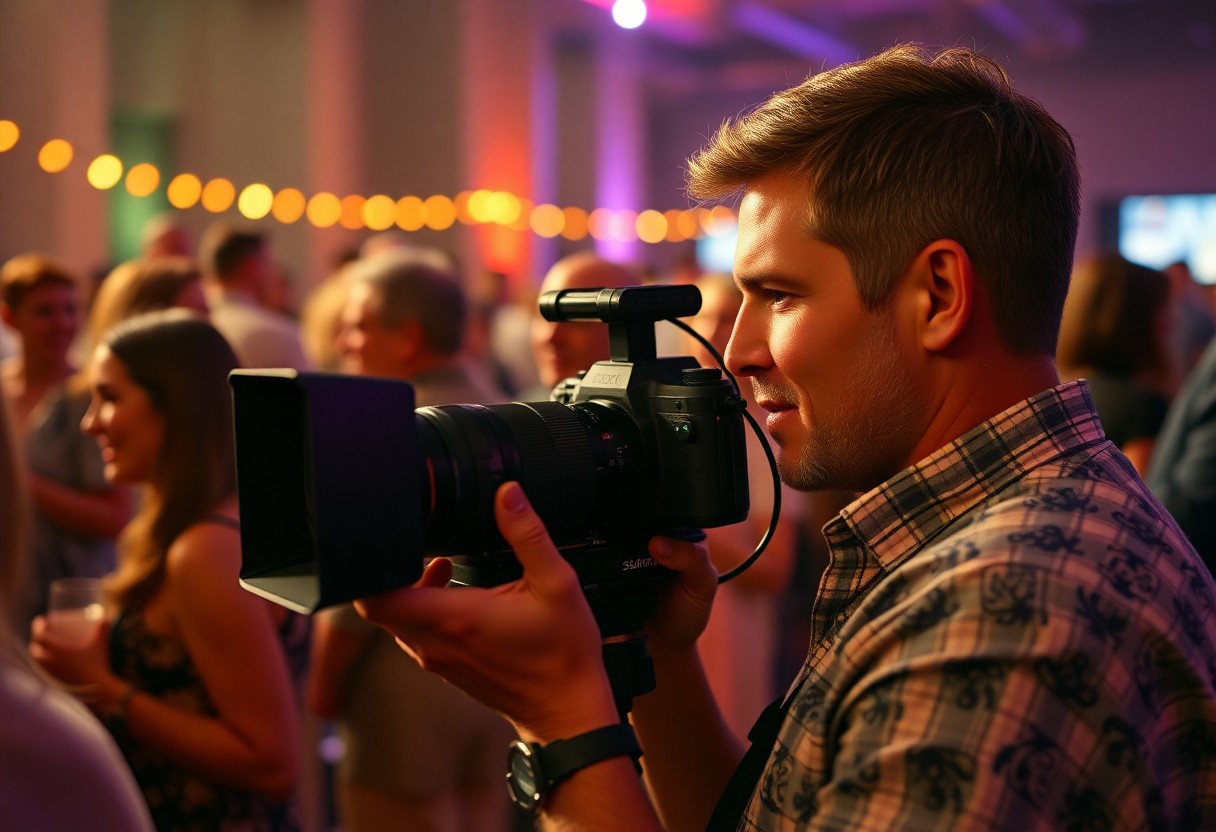
Photography is not just about capturing moments; it’s about telling a story through your lens. To ensure that your event photography stands out, it’s important to master specific techniques that enhance both the aesthetic and emotional impact of your images. In this post, you will discover key strategies that will elevate your skills, enabling you to capture the essence of events while engaging your audience effectively. Get ready to probe the world of captivating event photography and transform your approach to capturing memorable moments.
Mastering the Art of Composition
Composition serves as the backbone of any striking photograph, allowing you to guide viewers’ attention and convey your narrative effectively. By thinking critically about the arrangement of elements in your frame, you elevate your images beyond mere snapshots. Consider how various compositional techniques can shape the way your audience interacts with your event photographs, ensuring that every click of the shutter tells a compelling story.
Rule of Thirds: Finding Balance
Applying the Rule of Thirds can dramatically enhance your photographs by creating balance and intrigue. Imagine dividing your frame into a grid of nine equal parts with two horizontal and two vertical lines. Positioning key elements along these lines or at their intersections allows your compositions to feel more natural and engaging, drawing the viewer’s eye to where it matters most.
Leading Lines: Guiding the Eye
Incorporating leading lines into your compositions directs attention and adds depth, making your images more dynamic. These lines can be found in architectural elements, winding paths, or even in the arrangement of people at an event. They serve as visual cues, inviting your audience to explore the photograph while enhancing the overall storytelling aspect.
Consider photographing a wedding procession where the aisle acts as a leading line. As guests are arranged along the sides, their positioning guides the viewer’s gaze toward the couple at the altar. Similarly, you might use curving paths in outdoor events to draw eyes toward vibrant vendor booths or focal points. Utilizing these lines not only enhances composition but also creates an immersive experience, allowing viewers to feel as if they are a part of the moment captured. Focusing on such elements enriches your storytelling, allowing your photographs to resonate on a deeper level.
Harnessing Light for Dramatic Effect
Engaging event photography thrives on light manipulation, creating mood and depth in your shots. Understanding how to utilize natural light and artificial sources can transform ordinary moments into extraordinary visual stories. By being attuned to light dynamics—especially patterns and colors—you can create images that evoke emotions. Factors like time of day, venue lighting, and your subject matter all play pivotal roles in crafting stunning photographs that draw viewers into the experience.
Natural Light vs. Flash: When to Use Each
Your choice between natural light and flash directly influences the ambiance of your photos. Natural light offers a soft, diffused quality ideal for outdoor events, capturing the organic beauty of your surroundings. In dimly lit venues, using a flash can help illuminate subjects effectively, ensuring they stand out against the backdrop. Balancing both techniques allows for versatility, ensuring you capture every necessary moment without compromising visual integrity.
Golden Hour: Capturing the Perfect Moment
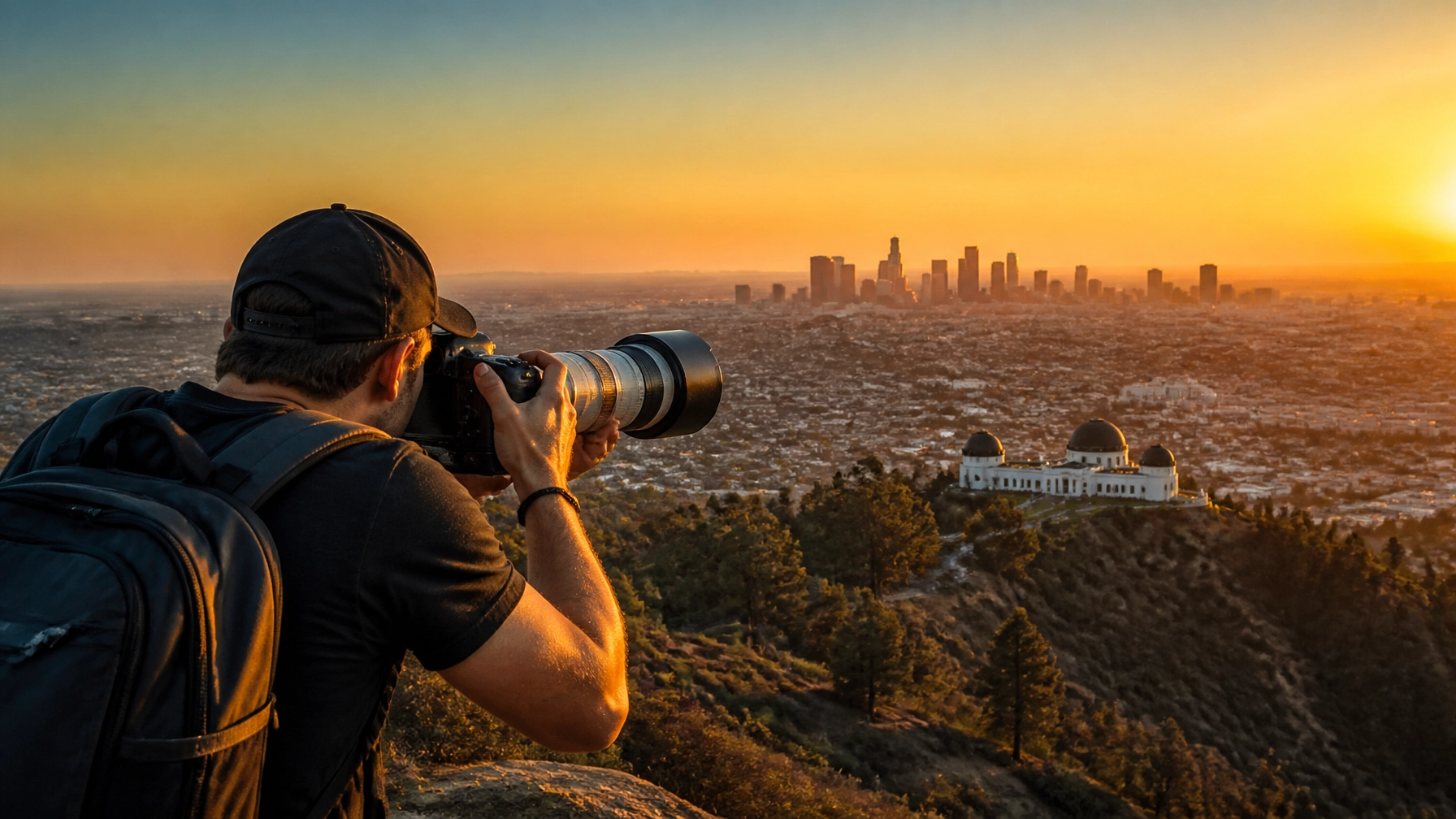
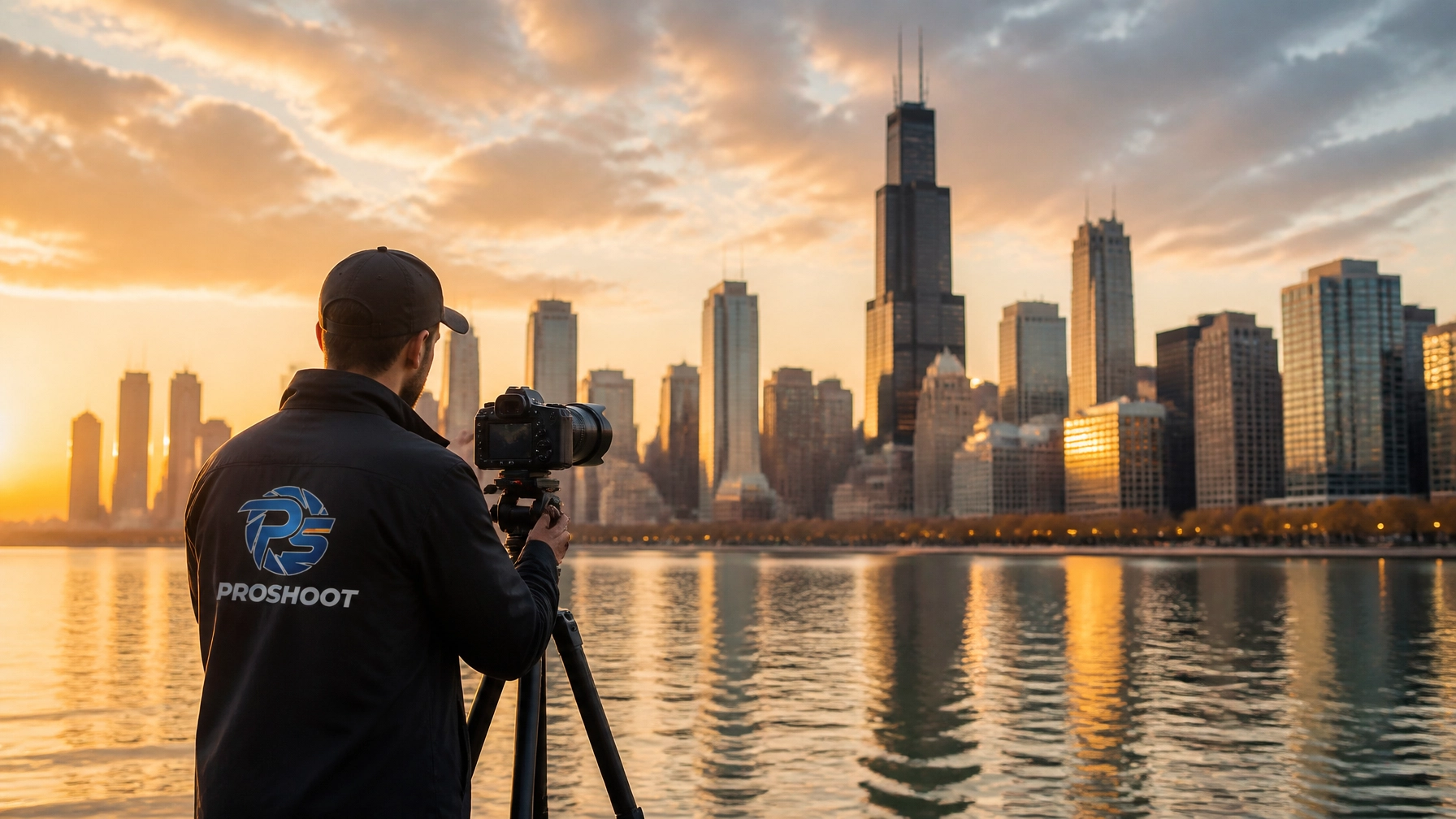
The golden hour, occurring shortly after sunrise and before sunset, provides a unique lighting condition with soft, warm tones that envelop your subjects in a gentle glow. This magical hour is often lauded by photographers for its ability to enhance skin tones and produce striking contrasts. Utilizing this time wisely can elevate your event photography and produce breathtaking images that resonate with emotions.
During golden hour, the angles of sunlight create dramatic shadows and highlights, enriching the depth of your images. The warm hues can evoke nostalgia and warmth, making subjects look naturally radiant. Position your subjects thoughtfully, taking advantage of the light’s direction to create striking silhouettes or softly lit faces. With every shot, you have the power to transform everyday moments into illuminating works of art, capturing the essence of the event and its attendees in the most flattering light available.
Storytelling Through Emotion and Expression
Emotion and expression are central to creating compelling narratives in your event photography. Capturing the raw emotions of guests as they experience key moments helps convey a deeper story. Focus on subtle details, like a tear of joy, a laugh shared between friends, or a proud smile—their significance goes beyond mere visuals. These moments not only document the occasion but also encapsulate the atmosphere, allowing viewers to feel connected to the experience long after the event has ended.
Candid Shots: The Power of Unposed Moments
Candid shots can breathe life into your event photography, showcasing genuine interactions that posed portraits often fail to capture. By remaining unobtrusive and observing moments as they unfold, you can snap photos that reflect the true essence of the event. Whether it’s a laugh exchanged between friends or a spontaneous embrace, these unposed images resonate with authenticity, making your gallery more relatable and dynamic.
Capturing Reactions: The Key to Genuine Storytelling
Reactions are the heartbeat of any event. When you focus on the guests’ responses to significant moments, you create a visual narrative that draws viewers in. A parent’s wide-eyed wonder as they witness their child’s performance or the thrill of friends reveling in a surprise can tell stories that words may not convey. Documenting these authentic reactions enriches the emotional depth of your photography.
Engaging with your surroundings and anticipating key moments allows you to capture reactions as they happen. For instance, during a wedding ceremony, you may notice the groom’s emotional response as he watches his bride walk down the aisle. These fleeting expressions provide insights into the connections and emotions that drive the event. By honing your skills in observing and capturing those genuine moments, you enrich your storytelling, immersing viewers in the experience and evoking empathy. The result? A powerful visual narrative that resonates on a personal level.
Technical Proficiency: The Photographer’s Toolkit
Mastering your camera settings and tools is necessary for achieving breathtaking event photography. A deep understanding of your equipment allows you to adapt quickly to changing environments, ensuring you capture those fleeting moments. Invest time in getting to know your specific camera model, lenses, and accessories. Familiarity with your toolkit empowers you to make instinctive adjustments while maintaining focus on composing captivating visuals.
Understanding Exposure: ISO, Shutter Speed, and Aperture
Exposure is the foundation of photography. Adjusting ISO, shutter speed, and aperture allows you to control the amount of light hitting your camera sensor. Higher ISO settings increase sensitivity but may introduce noise, while faster shutter speeds freeze motion and capture sharp images. A wider aperture creates a shallow depth of field, emphasizing your subject against a blurred background, necessary for dynamic event photography.
Post-Processing Essentials: Enhancing or Altering Reality
Post-processing is an integral part of your photographic workflow. This stage enables you to refine your images by adjusting elements like color balance, contrast, and sharpness. You can transform a good photo into a great one, enhancing mood and emotion through tools like Lightroom and Photoshop, which offer endless possibilities for creativity.
Exploring various post-processing techniques lets you fine-tune your photographs to reflect the atmosphere and energy of the event genuinely. Techniques such as color grading can evoke specific feelings, while cropping and straightening can improve composition. Additionally, removing distractions and blemishes from images can enhance the focus on key moments. Ultimately, post-processing adds the final polish that elevates your photographs from simple captures to memorable works of art, allowing you to tell deeper stories within each shot.
Building a Connection with Your Subjects
Your ability to connect with subjects profoundly influences the quality of your event photography. Establishing trust and comfort leads to more genuine expressions and candid moments. Engage with your subjects before snapping away, whether through light-hearted conversation or demonstrating sincere interest in their experiences. This creates a relaxed atmosphere where subjects feel valued, fostering authentic interactions that translate into captivating images.
Establishing Rapport: Easing Tension and Creating Comfort
Tension can hinder natural expressions, so easing it is vital. Approach your subjects with warmth and a friendly demeanor, exchanging small talk to break the ice. Sharing a few laughs or letting them know what to expect can significantly reduce anxiety, allowing them to feel more at ease and open to your lens. When people feel comfortable, they are more likely to showcase their true selves.
Directing vs. Observing: Finding the Right Balance
Striking the right balance between directing your subjects and observing candid moments often determines the success of your shots. Intervening with direction can help create dynamic compositions, but over-directing can stifle spontaneity. Learn to gauge when to step in and offer guidance, while also allowing for organic interactions that capture the event’s spirit naturally.
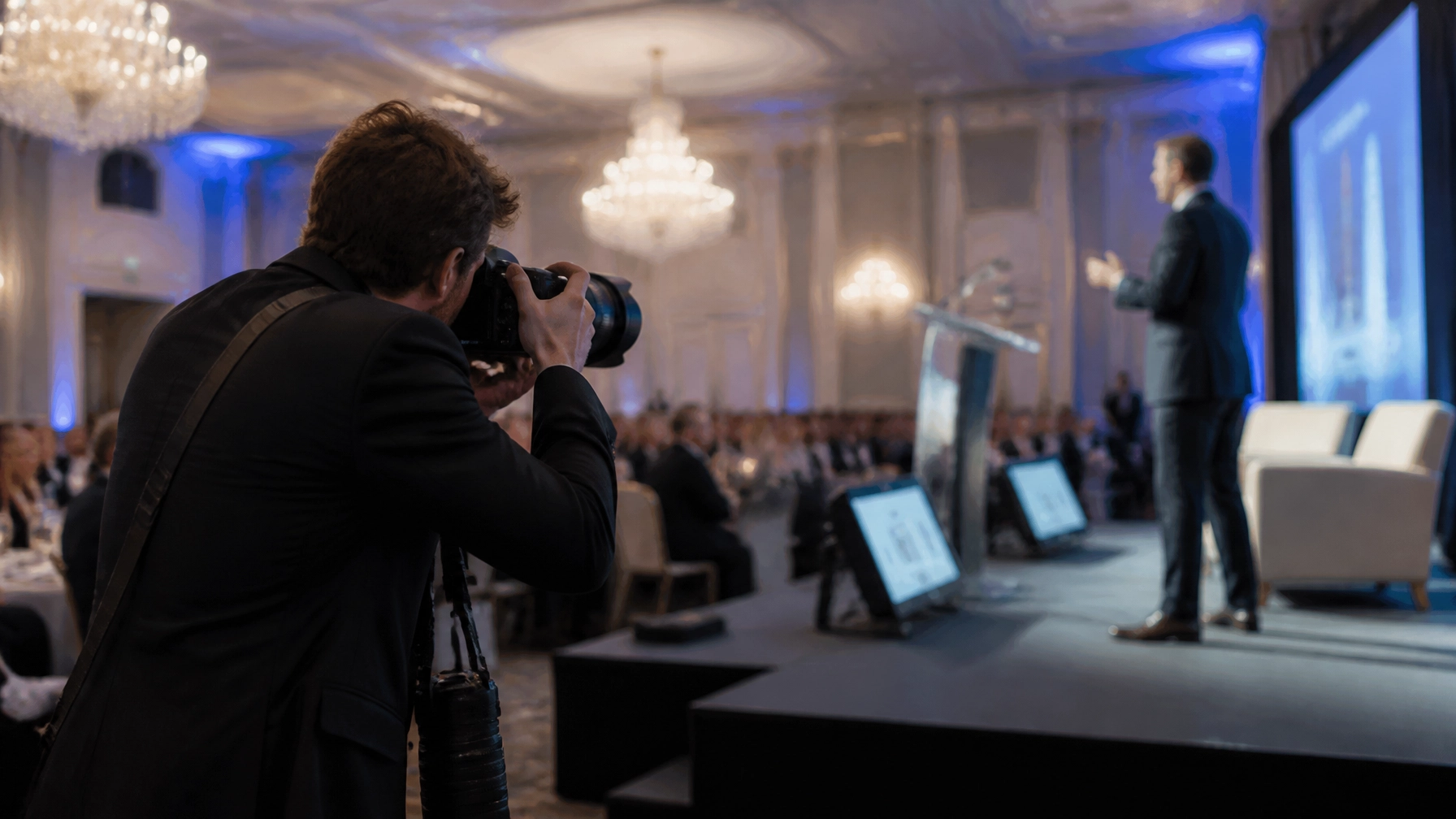
To effectively find this equilibrium, consider the context of the event. At more structured gatherings, like awards ceremonies, gentle direction can create polished images; however, in relaxed environments such as social gatherings, you may benefit more from unobtrusive observation. Practice situational awareness. Feel the energy of the room, and recognize moments to step in without intruding. Combining your creative direction with observational skills ultimately leads to a richer array of photographs, where authenticity and artistry coexist beautifully.
To wrap up
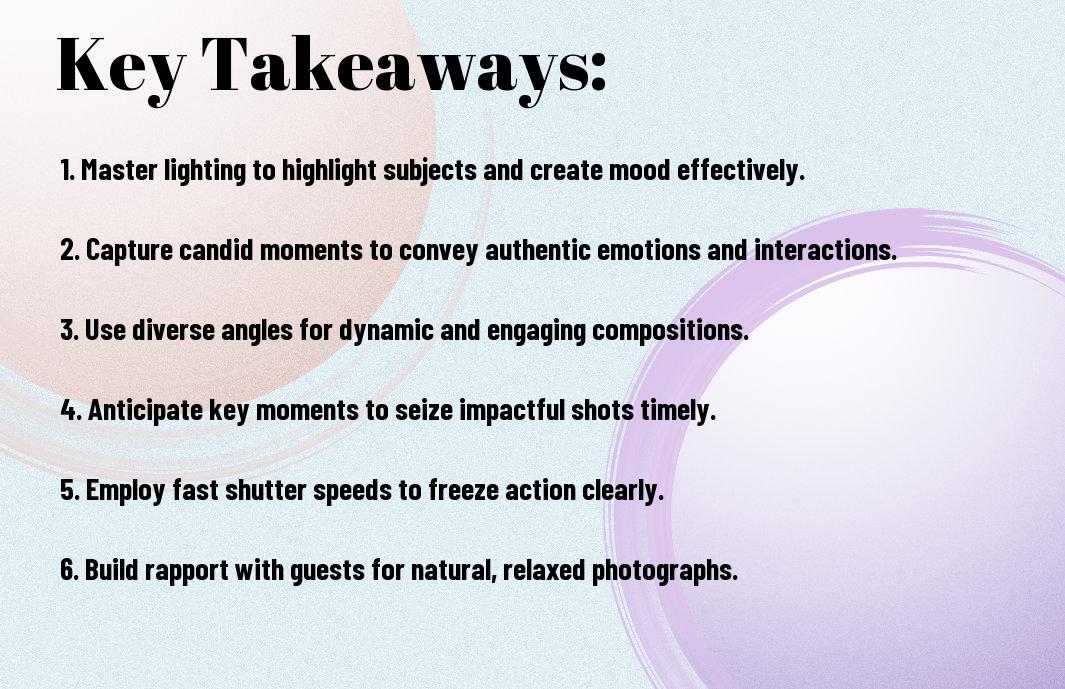
Now that you are aware of quintimperative techniques that ensure captivating event photography, you can elevate your skills by focusing on storytelling, mastering composition, and utilizing natural lighting. Engage with your subjects to capture genuine emotions, while attentively considering the environment around you. Experiment with various angles and perspectives to add depth to your images. By implementing these practices, you can create memorable photographs that resonate with your audience and encapsulate the essence of your events.


Leave a Reply
You must be logged in to post a comment.