
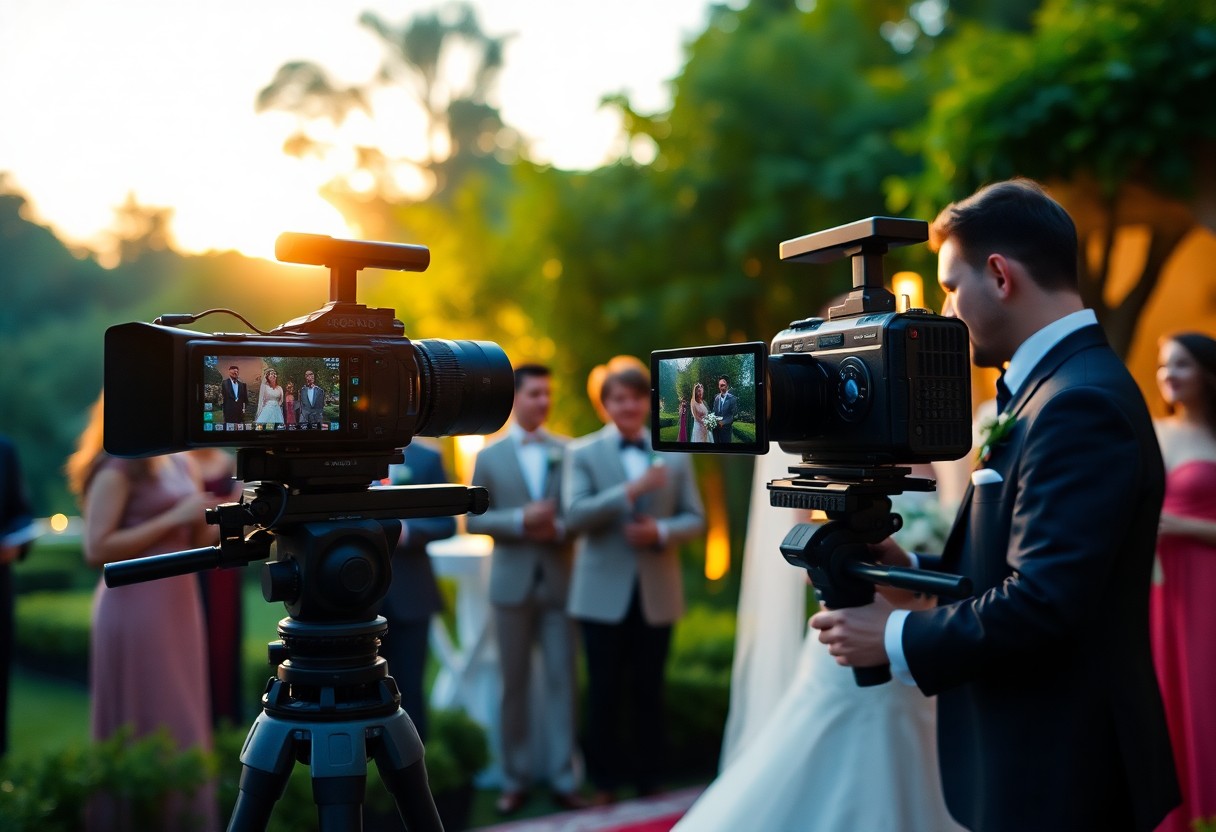
It’s crucial to understand that evocative cinematography can dramatically change how your event videography is perceived. By using techniques that capture emotions and tell stories, you can elevate your footage from ordinary to extraordinary. This style draws your audience in, making them feel connected to the event and allowing them to relive moments long after they’ve passed. Investing in high-quality visual storytelling not only enhances the overall experience but also provides you with a powerful tool to engage viewers, showcase your event’s essence, and create lasting memories.
Key Takeaways:
- Evocative cinematography enhances emotional engagement, creating a memorable experience for the audience.
- Using diverse shot types, such as close-ups and wide angles, adds visual interest and storytelling depth.
- Strategic lighting choices can set the mood and highlight key moments in the event.
- Incorporating dynamic movement and framing techniques can create a sense of action and excitement.
- Color grading and post-production effects enrich the visual narrative, aligning with the event’s theme.
- Sound design plays a significant role in complementing evocative visuals, amplifying the overall impact.
- Careful planning and creative collaboration with event organizers can lead to a cohesive and powerful audiovisual representation.
The Emotional Resonance of Visual Storytelling
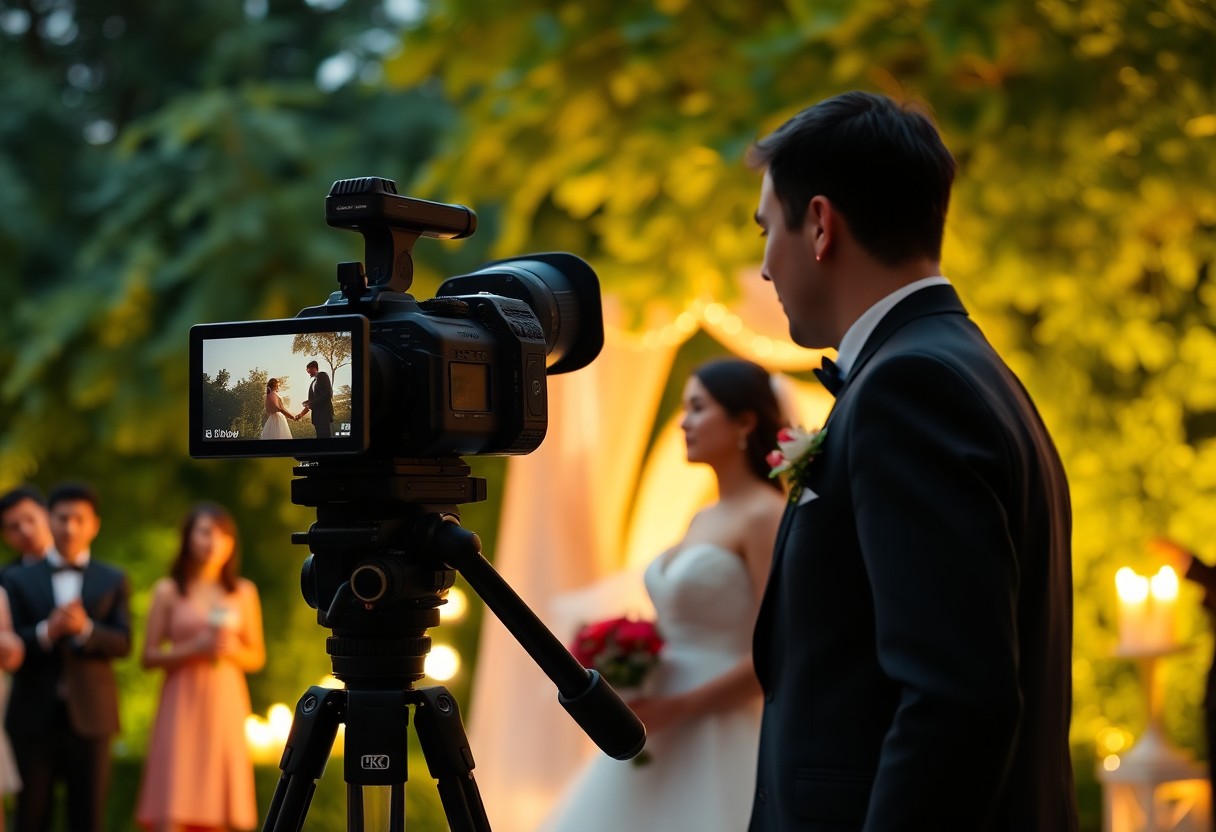
Visual storytelling elicits emotions, drawing audiences into the narrative and enhancing their connection to the event. Every frame captures moments that resonate deeply, whether it’s the joy of a wedding or the intensity of a corporate gathering. Through well-crafted visual narratives, your events can transcend mere documentation—becoming a compelling story that invokes feelings of nostalgia, excitement, or inspiration. By focusing on the essence of the event, you deepen the emotional experience for those watching, creating memories that linger long after the last frame has ended.
Crafting Mood Through Color and Lighting
Color and lighting serve as the palette from which emotional tones emerge, shaping perceptions and feelings. Whether casting a warm glow to evoke intimacy at a dinner or using cooler tones to create a reflective atmosphere, these elements can profoundly affect the audience’s emotional response. The strategic use of shadows and highlights further accentuates key moments, ensuring that your event’s most memorable instances resonate with those who view them.
The Power of Composition in Evoking Feelings
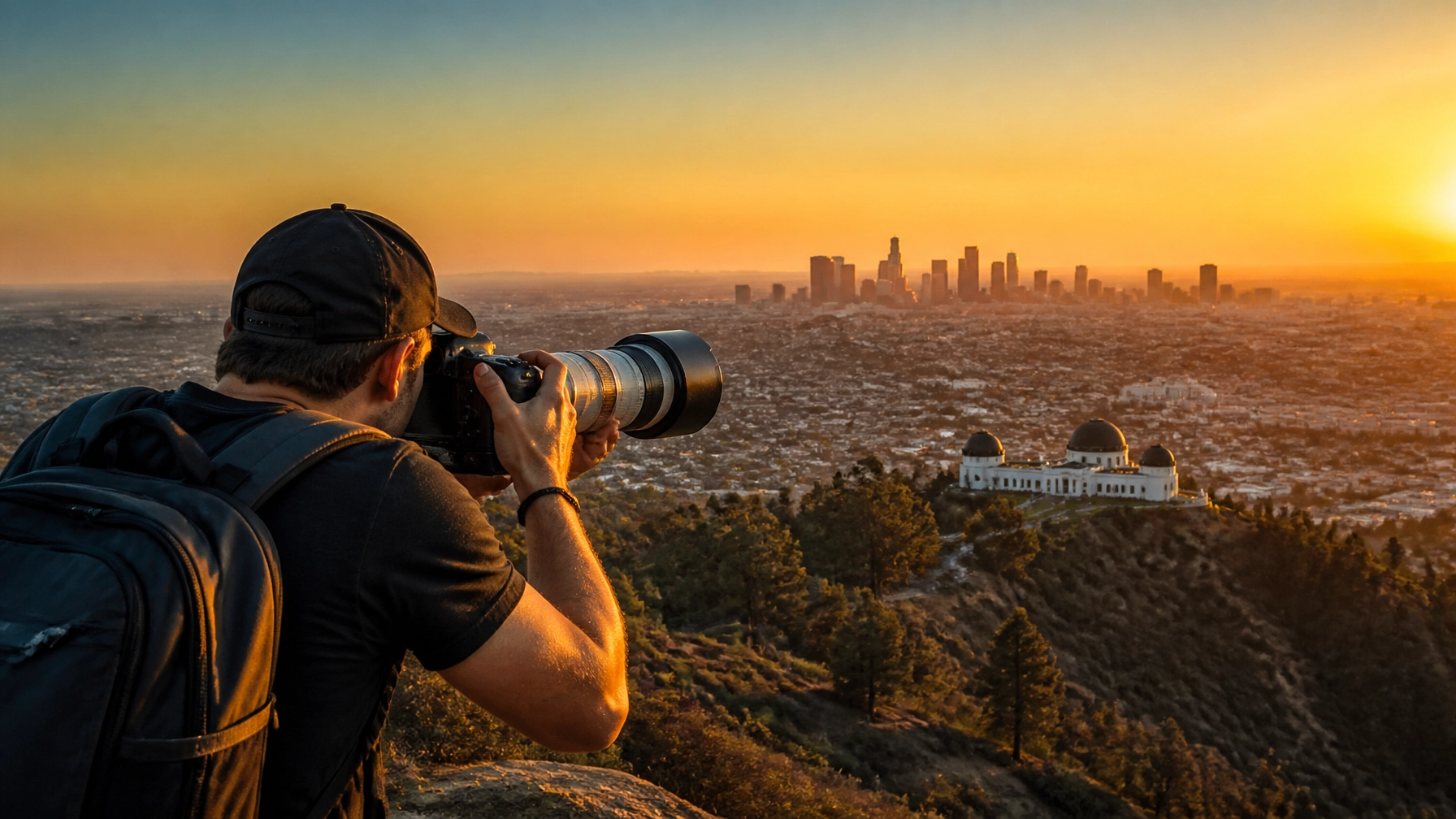
Composition acts as the backbone of your visual narrative, guiding the audience’s gaze and shaping their emotional experiences. Using techniques like the rule of thirds or leading lines helps draw attention to the most significant elements, enhancing storytelling. For example, placing a couple in the foreground against a breathtaking sunset not only creates a captivating image but also evokes feelings of love and tranquility. Thoughtfully arranged scenes allow viewers to engage with the story on a personal level, deepening their overall connection to the event.
Incorporating dynamic composition can transform fleeting moments into powerful memories. For instance, a close-up of a guest’s emotional reaction during a heartfelt speech can shift the viewer’s focus from the speaker’s words to the impact on the audience, capturing the essence of the event in an instant. The deliberate framing of shots allows you to manipulate perspectives, pull viewers into intimate moments, or convey the scale of a grand celebration. By experimenting with various angles and distances, you can evoke an array of emotions that resonate long after the event concludes.
Techniques that Engage and Captivate
Incorporating evocative cinematography techniques can significantly enhance the engagement of your event videography. Dynamic framing and visual storytelling methods can transform mundane moments into captivating art that draws in your audience, ultimately leaving a lasting impression. Utilizing the right techniques not only amplifies the emotional depth of your narrative but also allows you to highlight the essence of your event.
Dynamic Camera Movements and Their Impact
Dynamic camera movements, such as pans, tilts, and tracking shots, create an immersive experience that pulls your viewers into the action. For example, a slow tracking shot as guests interact can showcase their reactions, while a swift pan can build excitement during pivotal moments. When executed thoughtfully, these movements can evoke energy and intensity, ensuring that your event is felt as much as it is seen.
Utilizing Slow Motion and Time-Lapse for Dramatic Effect
Incorporating slow motion and time-lapse sequences can add a profound layer to your videography. Slow motion highlights significant moments, allowing viewers to soak in the emotion and importance, while time-lapse can capture the transformation of your event venue or the buildup of excitement over time. These techniques can create a stark contrast in pacing, drawing viewers deeper into the narrative.
Utilizing slow motion can be particularly impactful during key moments—like a heartwarming toast or a couple’s first dance—providing a reflective backdrop that lets emotions resonate longer. For instance, a slow-motion capture of guests laughing at a wedding creates an enchanting atmosphere that sparks nostalgia. Time-lapse can also encapsulate the energy of an event by compressing hours into seconds, revealing the ebb and flow of the occasion in a way that standard footage cannot. This combination of techniques not only adds visual variety but also brings out the underlying emotions of your event, engaging the audience on multiple levels.
Beyond the Visual: Integrating Sound and Music
Sound and music play a fundamental role in shaping the emotional landscape of your event videography. While cinematography paints a vivid picture, the auditory elements elevate your storytelling by enhancing atmosphere and emotional engagement. Integrating these elements thoughtfully not only complements your visuals but also creates a more immersive experience for your audience. The synergy of sound and music can transform a good video into a great one, enriching memories long after the event has ended.
Creating Atmosphere with Sound Design
Sound design establishes the mood of your event video, whether through ambient noise, sound effects, or voiceovers. Carefully chosen sounds—like the soft rustle of leaves or the gentle hum of conversations—can transport viewers into the atmosphere of your event. By enhancing key moments with appropriate sound cues, you can reinforce emotional beats, captivating your audience and making them feel as if they’re experiencing the event firsthand.
The Role of Music in Enhancing Emotional Responses
Music has a profound effect on emotions, serving as a powerful tool for reinforcing the narrative of your event. Choosing the right soundtrack can evoke specific feelings, whether it’s nostalgia, excitement, or tranquility. For instance, a moving orchestral piece during a poignant moment emphasizes its significance, while upbeat tracks energize celebratory scenes. The interplay between visuals and music heightens emotional responses, ensuring your audience remains connected throughout the video.
Studies have shown that music can increase emotional engagement by up to 50%, highlighting its invaluable role in videography. Imagine capturing a heartfelt speech or a joyful dance celebration—an uplifting melody can amplify those moments, making your viewers feel deeper connections to the experiences being shared. Often, the right soundtrack lingers in memory long after viewing, reinforcing the essence of the event and encouraging viewers to revisit the moments captured on screen. By carefully curating music that resonates with your audience, you transform a simple recording into a memorable experience that truly captures the spirit of your event.
The Art of Editing: Sculpting Narrative Flow
Mastering the art of editing transforms raw footage into a cohesive narrative that resonates with your audience. Each cut, transition, and choice of shot works together to create an engaging story that captures the essence of your event. With skillful editing, the pacing can build anticipation, emphasize significant moments, and forge emotional connections that linger long after the final frame fades.
Pacing and Rhythm in Video Editing
Adjusting the pacing and rhythm of your edit enhances viewer engagement. Fast cuts can convey excitement and energy, while slower transitions allow for reflection and emotional resonance. The balance of these elements shapes how an audience experiences your event, encouraging them to relive the highlights in a way that feels both natural and immersive.
Examples of Seamless Transitions that Amplify Emotion
Employing seamless transitions can elevate the emotional weight of your video. Consider using match cuts to link scenes through visual parallels, or cross dissolves to evoke nostalgia and softness. These techniques create a natural flow, allowing viewers to experience the unfolding story in a way that feels fluid and engaging.
For instance, transitioning from a close-up of a guest laughing to a wide shot of the crowd celebrating not only captures the joy but also immerses your audience in the experience. Techniques like fade-outs during poignant moments signal reflection, offering viewers a chance to absorb the emotional depth of the scene. When executed tastefully, these transitions create a tapestry of emotions that keep audiences invested and leave a lasting impression.
Real-World Applications: Success Stories in Event Videography
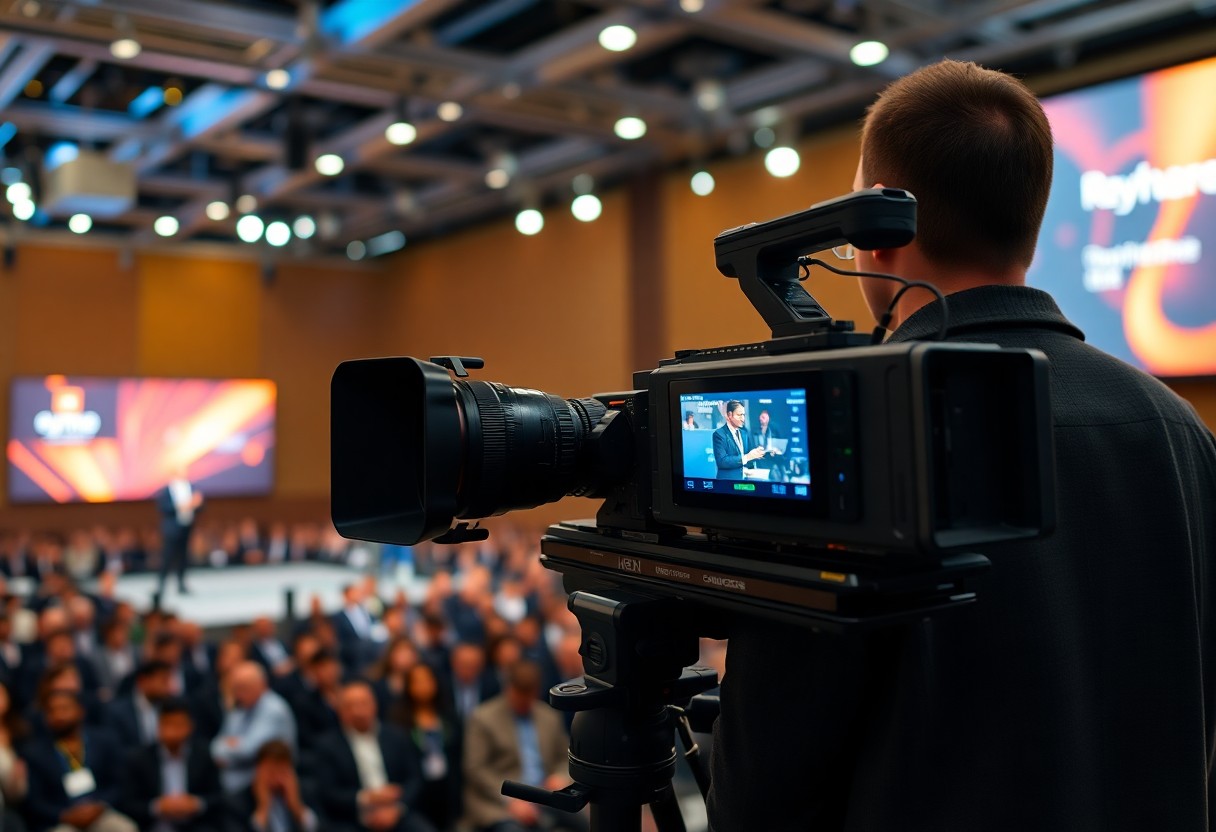
Evocative cinematography has reshaped event videography, leading to remarkable success stories across various industries. For instance, a groundbreaking tech company used enhanced cinematic techniques to capture the essence of their product launch. As a result, their video received a 300% increase in online engagement, showcasing how powerful visual storytelling can create an emotional bond with audiences and drive brand loyalty.
Client Testimonials and Their Transformative Experiences
Clients often express how evocative cinematography elevates their event video from a simple recording to a moving experience. One recent client shared that their wedding video felt like a cinematic masterpiece, enabling them to relive emotional moments. This personal touch helped transform their memories into a visual narrative that resonated deeply with their friends and family.
Comparative Analysis of Traditional vs. Evocative Approaches
Understanding the differences between traditional videography and evocative techniques is imperative. Traditional approaches typically focus on basic coverage and linear storytelling, while evocative cinematography immerses viewers with artistic visuals that enhance emotional depth. This comparison not only highlights the advantages of innovative techniques but also illustrates how your storytelling can significantly impact audience perception.
| Traditional Approaches | Evocative Approaches |
| Standard composition and framing | Dynamic angles and creative framing |
| Basic editing and transitions | Artistic editing with seamless transitions |
| Linear storytelling | Emotional narrative arcs and themes |
| Lack of immersive experience | Engaging visuals that evoke strong feelings |
Examining the two styles reveals significant differences in viewer engagement. Traditional approaches often prioritize functionality, which can lead to a flat and uninspiring product. In contrast, evocative techniques utilize dramatic angles, creative editing, and layered storytelling, creating a multi-dimensional experience that not only captures the event but also resonates with your audience, inviting them to connect on a deeper emotional level.
To wrap up
Hence, you can significantly elevate your event videography by incorporating evocative cinematography techniques. By thoughtfully using lighting, framing, and movement, you can create compelling narratives that resonate with your audience. This ensures that your video not only captures the essence of the event but also evokes emotions, bringing your memories to life. Tailoring these cinematic elements to align with your vision will leave a lasting impact, turning ordinary footage into a captivating story that you and your viewers will cherish for years to come.
FAQ
Q: What is evocative cinematography in the context of event videography?
A: Evocative cinematography refers to the art of using camera work, lighting, and composition to capture emotions and tell a story during an event. It goes beyond typical footage by focusing on the nuances of moments, highlighting interactions, and evoking feelings that resonate with viewers. This approach ensures that the final video not only documents the event but also transports the audience back to the experience, making them feel as if they were part of it.
Q: How does evocative cinematography enhance the storytelling aspect of an event video?
A: By employing techniques like close-ups, dynamic angles, and thoughtful framing, evocative cinematography enriches the narrative of an event video. Instead of merely showing what happened, it captures the emotions behind those moments. For instance, a close-up of a bride’s tears during her vows not only tells the audience what occurred but also conveys the depth of her feelings. This layered storytelling creates a more engaging and immersive viewer experience.
Q: Can evocative cinematography significantly affect audience engagement with the final video?
A: Absolutely! When viewers connect emotionally with a video, it leaves a lasting impression. Evocative cinematography engages audiences by appealing to their senses and feelings. By capturing heartfelt moments and key interactions, the video encourages viewers to relate to the story on a personal level. This deep connection often results in increased sharing and discussion among viewers, extending the reach and impact of the event’s memories.
Q: What specific techniques are used in evocative cinematography to create emotional impact?
A: Several techniques contribute to the emotional impact of evocative cinematography, including the use of natural lighting, slow motion, and varied shot compositions. For instance, using soft, diffused lighting can create a warm and intimate atmosphere, while slow-motion shots can emphasize significant moments, allowing audiences to savor the emotions involved. Additionally, incorporating different perspectives—aerial shots to showcase the venue and close-ups for intense interactions—can enhance storytelling by providing a fuller picture of the event.
Q: How can event planners collaborate with videographers to achieve evocative cinematography?
A: Effective collaboration between event planners and videographers is key to achieving evocative cinematography. Event planners should share their vision, highlighting the emotions and moments they want to be captured. A pre-event meeting can help establish the desired style and tone, while ongoing communication throughout the event ensures that key moments are not missed. Additionally, planners may consider creating a shot list that outlines specific scenes and emotional highlights, allowing videographers to focus their efforts on those elements that matter most to the overall narrative.


Leave a Reply
You must be logged in to post a comment.