

Perspectives on light are not just confined to basic exposure and composition; they can dramatically alter how you perceive and capture the world around you. By exploring unconventional approaches and delving deeper into the interplay between light and shadow, you can elevate your photography skills to new heights. In this post, you will uncover innovative ways to manipulate and interpret light that will enhance your visual storytelling and provide fresh insights into your photographic journey.
The Intersection of Art and Science: Reframing Light in Photography
Bridging the realms of art and science allows you to unlock a deeper understanding of how light influences your photographic endeavors. By grasping the scientific principles of light, such as refraction, diffraction, and the behavior of shadows, your creative decisions become more informed. Integrating this knowledge elevates your artistry, turning functional lighting techniques into expressive narratives that resonate with viewers.
The Physics of Light and Its Creative Application
Understanding the physics of light empowers you to manipulate it to serve your artistic vision. Concepts like color temperature, spectrum, and intensity are not just scientific jargon; they are necessary tools that help you control mood and atmosphere in your images. Grasping how light behaves—both naturally and artificially—enables you to create photographs that evoke emotion and capture the imagination.
Exploring Light as a Brushstroke in Visual Storytelling
Light transforms your photographs from mere depictions to immersive experiences, acting as a vital brushstroke in your storytelling arsenal. How you use light shapes the narrative, enhances texture, and guides the viewer’s eye through your composition. By experimenting with various lighting techniques, such as backlighting or chiaroscuro, you can convey emotions, create depth, and emphasize key elements within the frame.
Each moment of light has the potential to tell a different story, shifting perceptions and feelings based on its intensity and direction. For instance, diffuse, soft light can create intimacy and warmth, while harsh shadows may invoke tension or mystery. Think of light as your paint—every choice you make alters the resulting masterpiece and resonates with the viewer on an emotional level. By actively experimenting with these variables, you can articulate complex narratives through your images, enriching the viewer’s experience and deepening their engagement with your work.
Beyond the Visible Spectrum: Expanding Perceptual Boundaries
Exploring beyond the visible light opens new avenues for creativity in photography. By tapping into infrared and ultraviolet spectrums, you can capture scenes with uncharted details, transforming the ordinary into the extraordinary. This expansion of perceptual boundaries not only broadens your technical skills but also enhances your thematic storytelling in photographs, inviting your audience to experience the unseen.
Infrared and Ultraviolet: New Frontiers in Photography
Infrared photography reveals the hidden warmth of the world, allowing you to capture ethereal landscapes where foliage glows and skies become dramatic. Conversely, ultraviolet photography showcases subjects in unique ways by revealing patterns and textures invisible to the naked eye. These techniques challenge conventional perceptions and push your artistic boundaries, adding depth and intrigue to your photographic portfolio.
The Role of Color Temperature in Mood and Composition
Color temperature profoundly influences the atmosphere and emotional impact of your images. Warmer tones evoke feelings of comfort and intimacy, while cooler hues generate a sense of calm or detachment. By skillfully manipulating color temperature in your photography, you can guide your viewers’ emotional responses and create compelling visual narratives tailored to resonate with their experiences.
Color Temperature Impact
| Warm Light | Cool Light |
|---|---|
| Creates a cozy, inviting atmosphere | Imparts a sense of tranquility or detachment |
| Commonly used during golden hour | Often seen in shadows or shade |
| Enhances warmth in skin tones | Brings out details in cooler colors |
By adapting color temperature, you can shift the emotional weight of your compositions significantly. For instance, a portrait shot in warmer tones may convey joy and warmth, while the same image with cooler tones could evoke solitude or introspection. This technique allows you to construct layered narratives within your images, making the viewer feel an emotional connection to your work while showcasing your creative intent.
Emotional Response Influencers
| Common Warm Tones | Common Cool Tones |
|---|---|
| Red, Orange, Yellow | Blue, Green, Violet |
| Associated with passion and excitement | Linked to calmness and serenity |
| Often used in lifestyle and travel photography | Frequent in nature and architectural shots |
Natural vs. Artificial Light: Convergence of Techniques
In the world of photography, blending natural and artificial light opens up a treasure trove of creative possibilities. The synergy between these two light sources allows you to sculpt your images in unique ways, enhancing mood and texture. By harnessing the ambient warmth of the sun while strategically employing flash or studio lighting, your photos can achieve a richness that speaks volumes about the scene captured. Experimenting with this convergence enables you to create dynamic contrasts and layers, ultimately transforming the story each photograph tells.
Harnessing the Power of Golden Hour
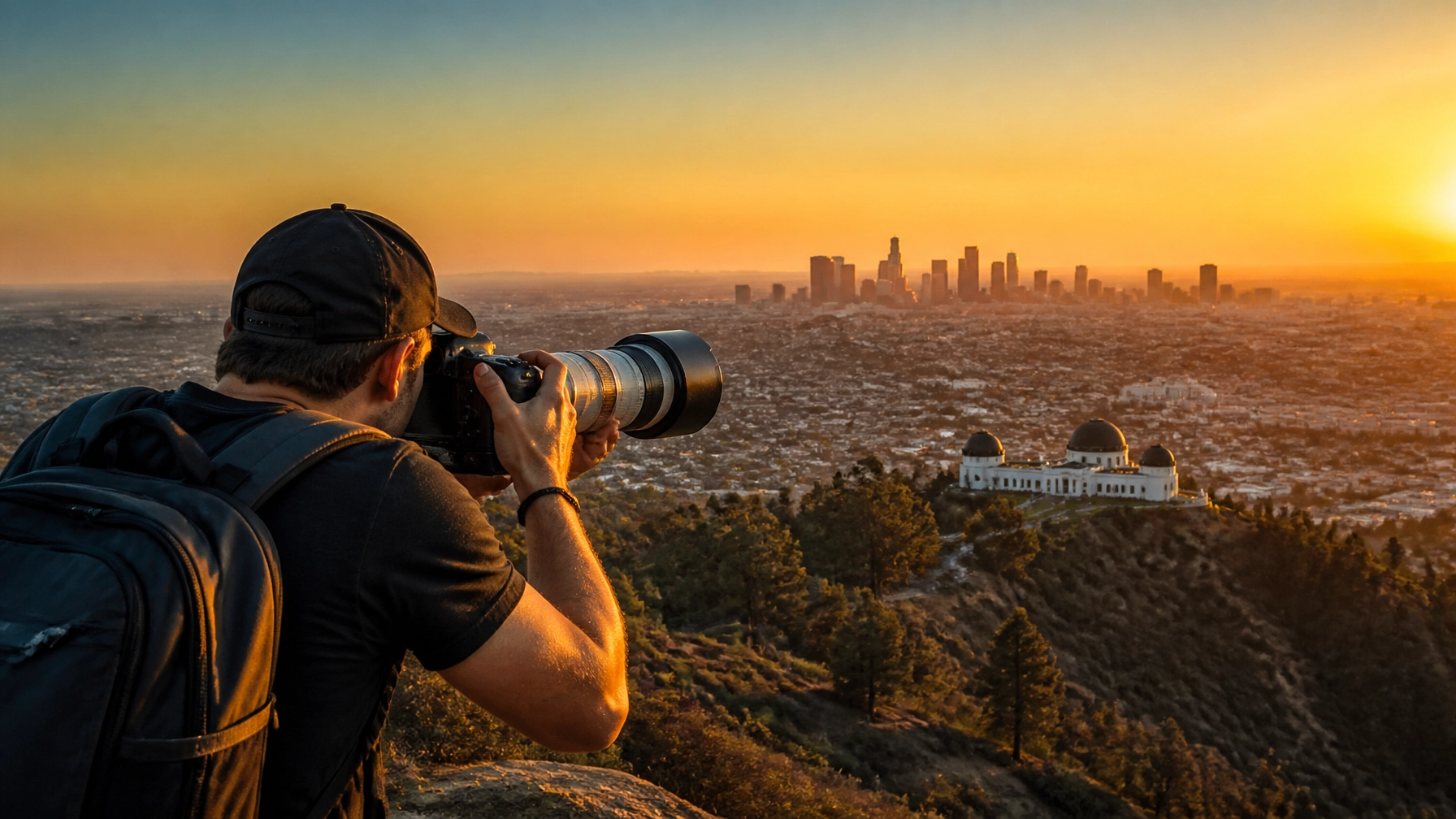
Golden hour, the fleeting moments just before sunrise and after sunset, provides unparalleled opportunities to capture ethereal images bathed in soft, warm light. During this period, the sun’s low angle casts gentle shadows and highlights that can dramatically enhance textures and tones. You can effortlessly achieve stunning portraits, landscapes, or cityscapes that evoke emotion and captivate your audience, ensuring your shots stand out in an ever-competitive landscape.
The Impact of Studio Lighting Versus Natural Elements
The difference between studio lighting and natural elements can’t be understated; each has its own personality and emotional resonance. Studio lighting grants you consistent control, allowing precise setups and repeatable results regardless of environmental factors. In contrast, natural elements provide a sense of spontaneity and unpredictability, capturing life’s fleeting moments in their raw form. Deciding which to utilize hinges on your artistic intent and desired outcome, as each offers distinct advantages that can shape your photographic narrative.
For instance, studio lighting excels in controlled environments where you can manipulate shadows, color temperature, and diffusion to create striking images tailored to your vision. Techniques like using softboxes or reflectors can produce beautiful portraits that emphasize detail without harsh contrasts. On the other hand, natural elements challenge you to respond to conditions—cloud coverage, time of day, and location—all of which can introduce unforeseen excitement into your work. Striking a balance between these two approaches will ultimately enrich your portfolio, enhancing your storytelling and expanding artistic expression.
Emotional Resonance: Capturing Intangibles Through Lighting
Utilizing lighting to convey emotions can elevate your photography from mere representation to profound storytelling. Emotional resonance emerges when the interplay of light creates a mood that not only reflects the subject but also invokes feelings within the viewer. A well-placed beam of light can evoke nostalgia, joy, or even melancholy, transforming a simple scene into a visceral experience. By embracing the emotional potential of light, you can create images that resonate on a deeper, more personal level.
The Psychological Influence of Light on Viewer Perception
Light influences your emotional response to images in profound ways. Different colors and intensities can trigger specific feelings; for instance, warm tones often evoke comfort and happiness, while cooler tones may suggest sadness or tranquility. The psychological effects of lighting can sway how viewers interpret what they experience, making them feel certain emotions or even altering their perception of time and space in your photographs.
Techniques for Evoking Emotion with Different Lighting Styles
Exploring various lighting styles can dramatically shift the emotional landscape of your photographs. Soft, diffused lighting fosters intimacy, ideal for portraits that capture vulnerability, while harsh, directional light can introduce tension and drama. Backlighting offers a way to highlight subjects against striking silhouettes that suggest mystery or allure. You’ll find that the angle, quality, and color of light play pivotal roles in shaping emotional narratives within your images.
Experimenting with lighting styles invites dynamic emotional storytelling in your photography. For instance, using golden hour sunlight can infuse warmth and serenity into your images, making them feel inviting. Conversely, employing stark shadows during high-contrast lighting can create unease or emphasize conflicts. Consider the placement of your light sources: a low-lit setting can conjure feelings of nostalgia, while an overhead light may evoke sterility or vigilance. The crucial aspect is to orchestrate your lighting choices intentionally, guiding viewers through an emotional journey and inviting them to connect with your subjects on a personal level.
Emerging Technologies and Their Transformative Potential
Advancements in technology continuously reshape your understanding and approach to photography, especially in light manipulation. Tools like mirrorless cameras, high dynamic range imaging, and computational photography enable you to capture unique perspectives that were once unattainable. As these technologies evolve, they open new avenues for creative expression and challenge traditional notions of photography, inspiring you to explore and redefine how you perceive light in your compositions.
The Role of AI in Photography: Enhancements and Limitations
Artificial intelligence is increasingly integrated into photography, enhancing capabilities such as image editing, autofocus, and scene recognition. You can now leverage AI to streamline post-processing tasks and even generate unique art pieces through algorithms. However, limitations remain; reliance on AI can detract from your personal touch and creativity, risking a homogenization of photographic styles. Understanding where AI can assist without overpowering your artistic vision is important for maintaining that personal connection to your work.
Virtual and Augmented Reality: The Next Frontier of Light Exploration
Virtual and augmented reality are transforming how you engage with light in photography. These technologies allow for immersive experiences that expand beyond the traditional two-dimensional frame, enabling you to visualize and manipulate light in real-time. By utilizing VR and AR, you can simulate various lighting conditions and experiment with different compositions interactively, which can significantly enhance your understanding of light dynamics and spatial relationships in photography.
Exploring virtual and augmented reality brings the concept of light manipulation to life in unparalleled ways. For instance, tools like Tilt Brush let you paint light within a 3D space, guiding your understanding of how light interacts with different materials and subjects. You can virtually set up scenes in an immersive environment, experimenting with shadows, highlights, and reflections that respond to your movements. This hands-on learning process lets you intuitively grasp complex principles of light, ultimately leading to more intriguing photographic work that challenges the conventional boundaries of your artistry.
Final Words
Conclusively, exploring untapped perspectives can significantly enhance your understanding of light in photography. By embracing unconventional angles, experimenting with different natural and artificial light sources, and considering the emotional impact of light on your subjects, you elevate your creative potential. You can transform ordinary scenes into compelling visual stories that resonate with your audience. Engaging in this exploration not only enriches your skillset but also deepens your connection with the art of photography itself, allowing you to develop a unique style that stands out in a crowded field.



Leave a Reply
You must be logged in to post a comment.