

There’s a profound power in photography that transcends time, capturing moments that resonate across generations. In this post, you will explore the lives and contributions of some of the greatest photographers in history, each of whom has shaped the art form in their unique way. From iconic pioneers to contemporary visionaries, these artists have left an indelible mark on the world, inviting you to appreciate their remarkable work and understand the impact of their visual storytelling. Join us as you investigate into the rich legacy of photography and the creative minds behind it.
The Evolution of Photography
Your journey through the history of photography unveils a fascinating evolution shaped by creativity and innovation. From its roots in the 19th century to today’s digital marvels, photography has transformed our ability to capture and interpret the world around us. As you explore this timeline, you’ll discover how each era brought unique contributions that enhanced visual storytelling.
Early Pioneers
To appreciate the evolution of photography, one must first acknowledge the early pioneers who laid the groundwork. Innovators like Joseph Nicéphore Niépce and Louis Daguerre pushed the boundaries of visual art, experimenting with light-sensitive materials and the first practical cameras. Their dedication ignited a passion for capturing reality that would inspire generations of photographers to come.
Technological Advancements
Advancements in technology have continuously reshaped the landscape of photography, introducing new techniques and tools that expand your creative possibilities. From film to digital cameras, and now smartphones, each leap in technology has made photography more accessible and versatile, allowing you to express your vision with unparalleled precision.
A significant turning point in photography was the transition from film to digital technology. The advent of digital sensors replaced traditional films, enabling you to instantly review and edit your images. Additionally, advancements like autofocus, image stabilization, and high dynamic range imaging have enhanced the quality of photographs. With software now available for editing, you can manipulate images like never before, making it an exciting time to be a photographer.
Iconic Photographers and Their Contributions
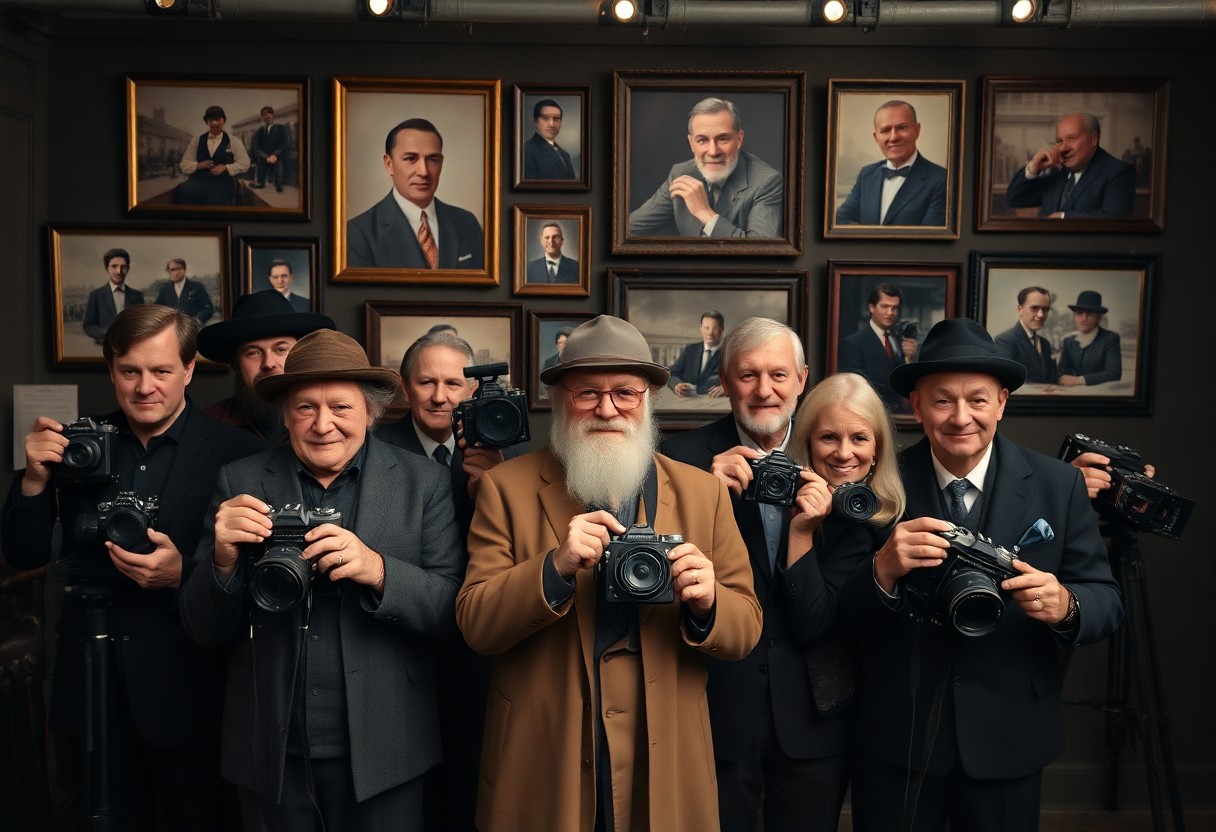
You will discover how iconic photographers have shaped the art of photography through their unique styles and perspectives. Their contributions not only capture moments in time but also challenge societal narratives and evoke emotional responses. Each lens offered a different view of the world, allowing you to see beyond mere imagery into deeper meanings and reflections of life.
Ansel Adams: Master of Landscape
Behind every breathtaking landscape photograph by Ansel Adams lies a profound appreciation for nature’s beauty. As a pioneer of environmental photography, he mastered the use of light and shadow, transforming how landscapes are perceived. Your appreciation for the natural world deepens as you explore Adams’ work, which not only showcases the majesty of the American wilderness but also advocates for conservation efforts.
Dorothea Lange: The Human Experience
To understand the profound impact of Dorothea Lange’s photography is to grasp the essence of the human experience during times of hardship. Her powerful images, particularly those from the Great Depression, brought the struggles of ordinary people into public consciousness, humanizing statistics and evoking empathy in viewers. Your knowledge of history would be incomplete without recognizing how her art became a catalyst for social change.
Iconic in her ability to communicate the raw realities of life, Lange’s photography transcends mere documentation. Through her lens, you witness the resilience and dignity of those affected by economic turmoil. Her most famous work, “Migrant Mother,” encapsulates the hope and despair of a generation, making you reflect on the power of photography as a tool for advocacy. Lange’s contributions remind you that behind every photograph lies a story worth telling.

The Role of Photojournalism
If you appreciate the power of storytelling through images, then photojournalism deserves your attention. It serves as a vital medium that informs the public and documents significant events, allowing you to grasp the human experience in real-time. By capturing life as it unfolds, photojournalists evoke empathy, spark dialogue, and often inspire change through their compelling narratives and striking visuals.
Capturing History
The ability of photojournalism to capture history in the making is unparalleled. With a click of a shutter, photojournalists immortalize pivotal moments, whether they are political protests, natural disasters, or iconic cultural events. Through these dynamic images, you can relive important historical narratives and comprehend their impact on society, often fostering a deeper understanding of the world around you.
Influential Photojournalists
An impressive array of influential photojournalists has shaped the landscape of visual media. Their work transcends mere documentation and endeavors to provoke thought and emotion within you. Names like Henri Cartier-Bresson and Dorothea Lange stand out in history, known for their unique perspectives that captured pivotal social issues and human experiences.
Due to their relentless pursuit of truth, these influential photojournalists have left an indelible mark on the field. Their photographs not only depict events but also convey powerful stories that resonate with you, often leading to social change or heightened awareness of crucial issues. As you explore their work, you’ll discover that photojournalism can serve as a mirror reflecting humanity’s struggles and triumphs, making it an invaluable part of history.
Artistic Movements in Photography
Once again, photography emerges as a dynamic medium influenced by various artistic movements throughout history. These movements have shaped how you perceive the world through a lens, bringing forth new styles, techniques, and philosophies that push the boundaries of visual expression. By understanding these movements, you can appreciate the profound impact they have on both photographic practice and the broader art landscape.
Surrealism
Across Surrealism, photographers embraced the dreamlike and the bizarre to explore the subconscious mind. This movement challenges your perceptions of reality, often presenting juxtapositions and fantastical scenes that provoke thought and evoke emotion. By incorporating elements of surprise and irrationality, surrealist photography allows you to examine deeper into your imagination, inviting a unique experience with every image.
Modernism
Beside Surrealism, Modernism brought a new lens through which you can view reality. This movement emphasized abstraction, simplicity, and experimental techniques, focusing on form and composition over narrative. Modernist photographers broke away from traditional aesthetics, pioneering innovative approaches that helped redefine the art of photography.
Plus, you can see how Modernism influenced a multitude of photographers who experimented with new materials, perspectives, and subjects. This era challenged you to rethink what photography could be, leading to the exploration of sharp contrasts, geometric patterns, and candid moments. You’ll find that this movement not only changed the visual language of photography but also encouraged a more abstract understanding of the world, which continues to inspire contemporary practitioners today.
The Impact of Digital Photography
Unlike traditional photography, digital photography has transformed the way you capture and share images. With the advent of digital cameras and smartphones, you now have the ability to take countless photos at little to no cost. This shift has not only changed the techniques of photography but also how images are consumed and appreciated across the globe.
Transformation of Techniques
Along with increased accessibility, digital photography has revolutionized your approach to techniques and styles. Advanced editing software and digital manipulation allow you to experiment with various effects, enabling you to transform your vision into reality with ease.
Accessibility and Global Reach
About the accessibility of digital photography, you now have the power to capture moments anytime, anywhere. Digital platforms facilitate the sharing of your work, allowing it to reach a global audience instantaneously.
Global advancements in technology mean that you can connect with fellow photographers and enthusiasts from around the world, share your unique perspective, and even discover diverse styles. With social media and various online galleries, your work can gain visibility like never before, allowing you to engage with a broader community of creators and viewers. This democratization of photography has not only expanded your creative network but has also enriched the art form itself, giving rise to new trends and movements that inspire and unite photographers worldwide.
Celebrating Diverse Perspectives
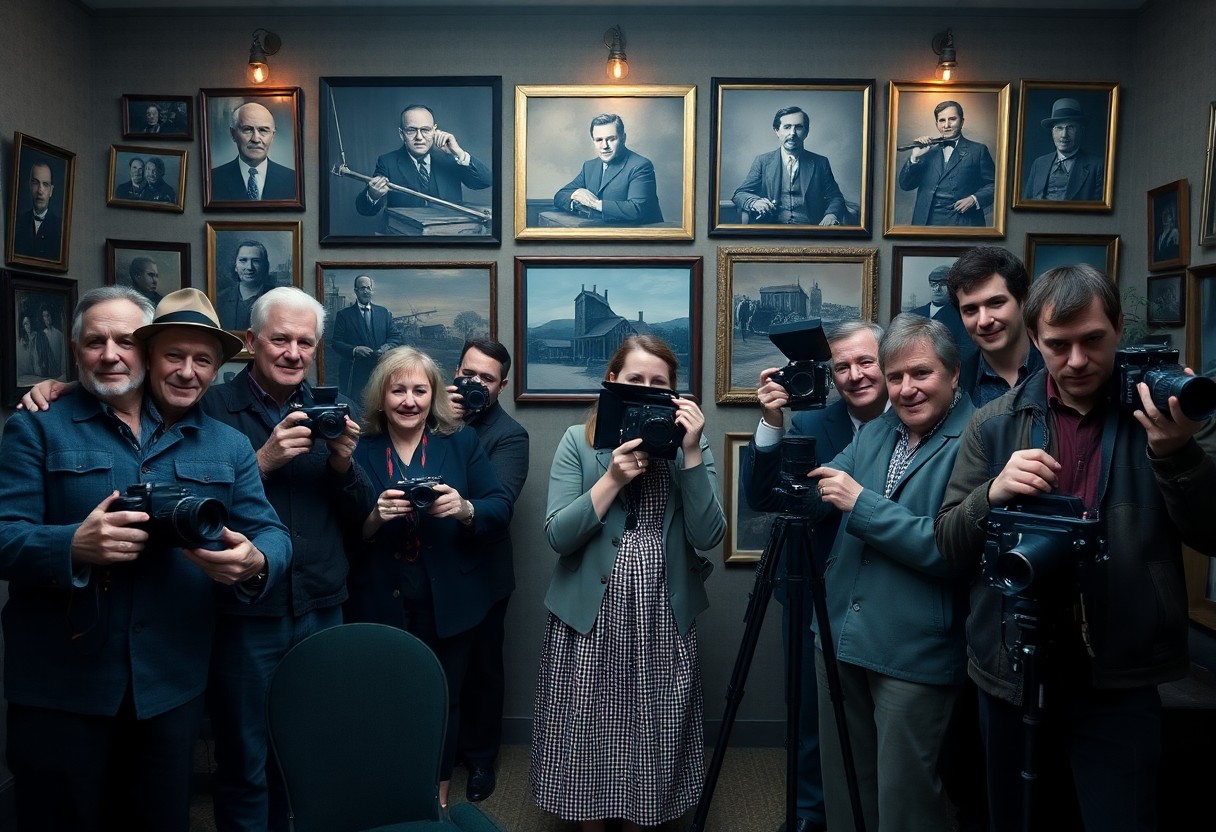
After exploring the milestone moments in photography’s evolution, it’s important to acknowledge the rich tapestry of perspectives that contribute to the art form. Diversity in photography leads to a broader understanding of cultures, experiences, and narratives, allowing you to appreciate the myriad ways in which artists capture the human experience. This chapter invites you to examine into the contributions of a variety of photographers whose unique visions have reshaped the landscape of this powerful medium.
Underrepresented Voices
An increasing focus on underrepresented voices in photography opens up new avenues for storytelling. By highlighting the work of photographers from marginalized communities, you’re invited to engage with perspectives that challenge dominant narratives, enriching your appreciation for the history of the medium. These artists often share personal and collective stories, providing insights that you may not encounter within mainstream photography.
International Influences
Across the globe, photography is influenced by cultural nuances and local traditions, shaping the way stories are told. The unique perspectives brought by international photographers allow you to see how context influences technique, subject matter, and artistic intent, expanding your understanding of the medium’s versatility and impact.
Plus, international influences introduce you to a wealth of styles and techniques, from the vibrant street photography of Latin America to the serene landscapes of Scandinavian countries. These varied backgrounds foster innovations that push boundaries and invite you to collaborate with diverse cultures, enriching your artistic experience. Exploring global photography allows you to appreciate the universal themes of light, shadow, and emotion, further connecting you with a worldwide community of visual storytellers.
To wrap up
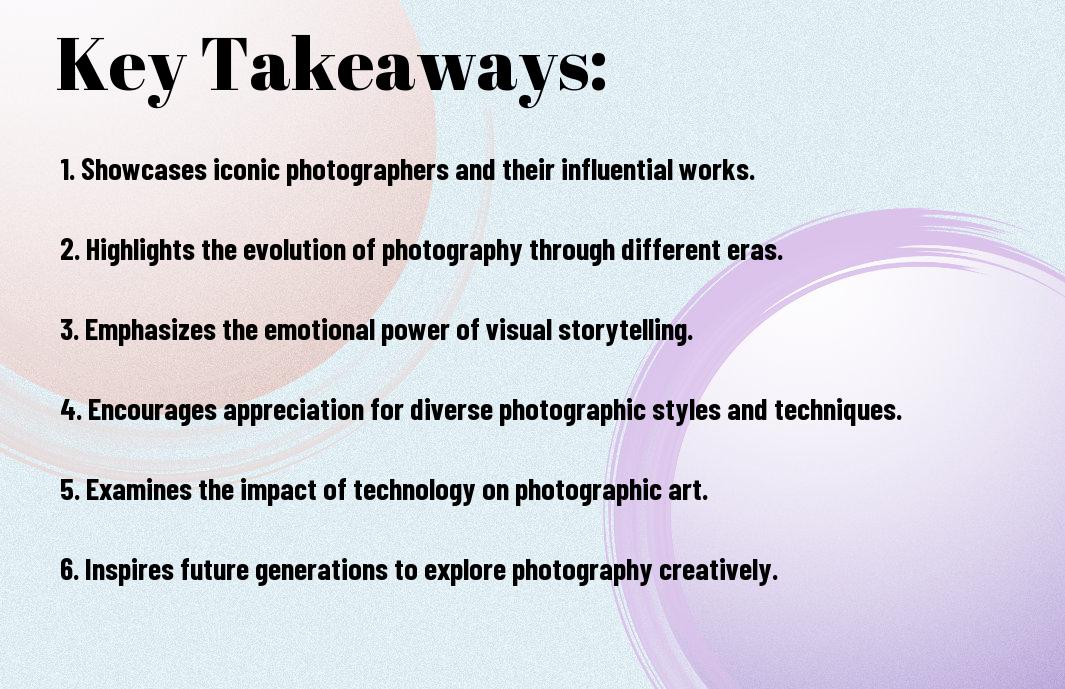
Summing up, exploring ‘Timeless Vision – Celebrating The Best Photographers In History’ allows you to appreciate the artistry and impact that legendary photographers have had on visual culture. Their unique perspectives and innovative techniques inspire you to deepen your understanding of photography as an art form. By recognizing their contributions, you not only enrich your own appreciation for photography but also encourage the pursuit of excellence in your creative endeavors. Embrace the stories behind the lens and let them fuel your passion for capturing the world around you.




Leave a Reply
You must be logged in to post a comment.