

There’s a profound impact that ambient soundplay can have on your event videography. When you incorporate rich, layered soundscapes into your footage, you create a more immersive experience that engages your audience on multiple levels. Your viewers are more likely to feel the energy and emotion of the event, making the video not just a visual representation but a captivating narrative. Understanding how to effectively use ambient sounds can elevate your work, allowing it to resonate more deeply with your audience.
Key Takeaways:
- Ambient soundplay adds depth and authenticity to event videography, creating a more immersive experience for viewers.
- Utilizing natural sound elements helps to convey the atmosphere of the event, enhancing emotional connection and engagement.
- Careful selection of ambient sounds can guide the viewer’s focus, highlighting important moments and interactions throughout the footage.
- Background sounds serve to establish context, making it easier for audiences to feel present at the event, even through a screen.
- Combining ambient soundplay with music and voiceovers allows for greater storytelling flexibility and variety in editing.
- Editing techniques can manipulate ambient sounds to create desired effects, such as emphasizing excitement or setting a calmer tone.
- High-quality audio recording equipment is crucial for capturing ambient sounds effectively, ensuring clarity and richness in the final product.
Crafting Atmosphere: The Psychological Impact of Ambient Sound
The use of ambient sound in videography actively shapes the atmosphere, influencing how your audience perceives and interacts with the content. From the gentle rustling of leaves to the distant hum of urban life, soundscapes create a unique backdrop that enhances the visual elements of your event. This subtler approach anchors emotions, often invoking nostalgia or excitement, and plays a pivotal role in storytelling. Your choice of ambient audio can subconsciously guide your audience’s feelings, helping them to connect on a deeper level with the moments you’re capturing.
Creating Emotional Resonance through Soundscapes
Soundscapes allow you to evoke specific emotions by curating auditory environments that resonate with viewers. For instance, a serene nature soundscape can enhance feelings of peace and reflection, as evidenced by studies showing that participants exposed to natural sounds felt significantly calmer than those who weren’t. By integrating sounds that align with the event’s theme, you empower your audience to absorb the emotional weight of the narrative, prompting a personal connection that visual elements alone may not achieve.
Enhancing Viewer Engagement and Memory Retention
The strategic incorporation of ambient sounds can effectively boost engagement and aid memory retention. Research indicates that auditory stimuli significantly influence how information is encoded in our memories. Elements like background chatter at a wedding or the tick-tock of a clock can anchor your audience’s experience, creating a multisensory association that is easier to recall later. When viewers remember the sound of laughter or the soft music accompanying heartfelt speeches, it reinforces the overall experience and makes your videography more impactful.
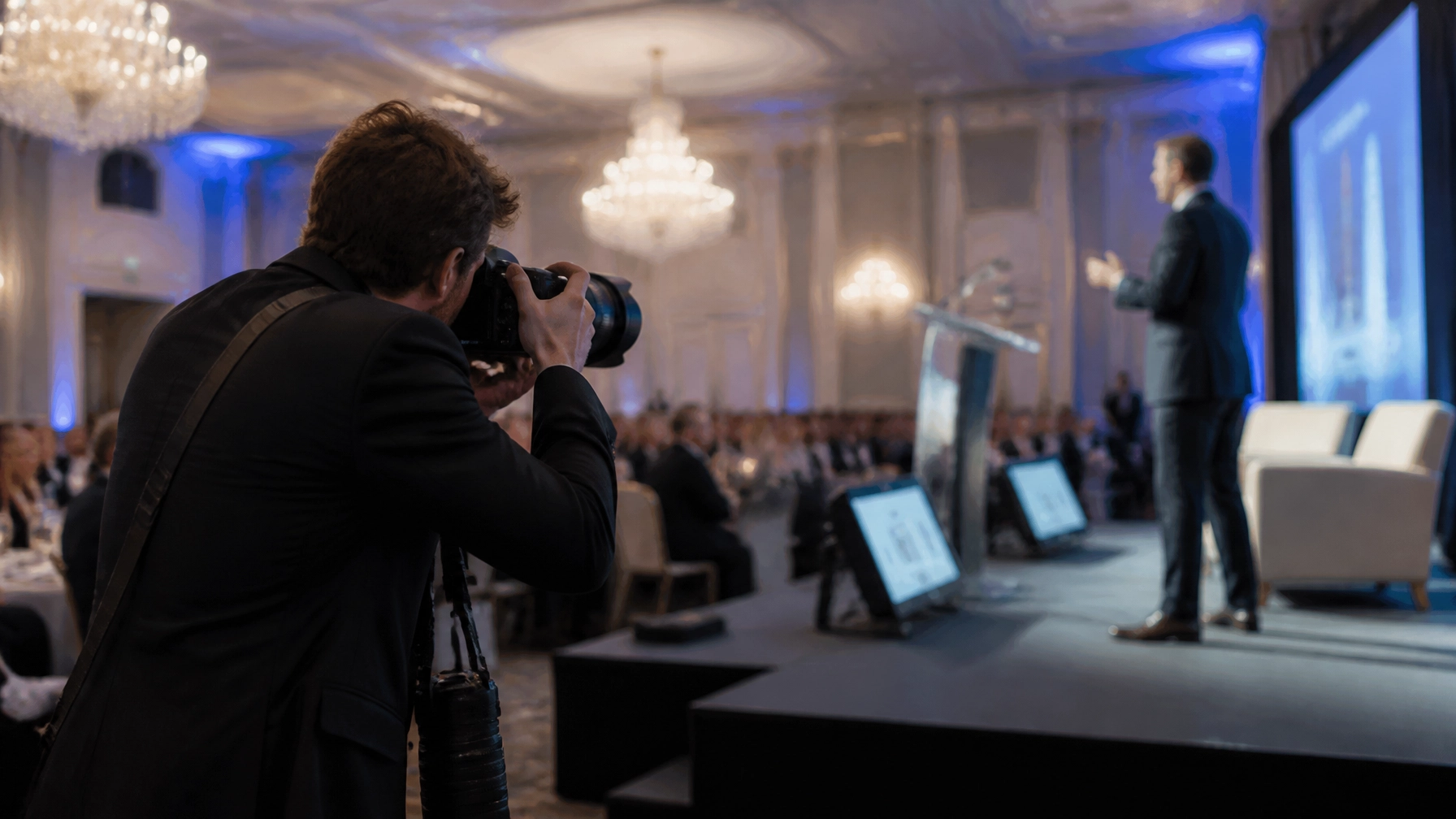
Employing ambient sound strategically can elevate your storytelling by drawing in viewers’ attention and solidifying their recollections. For instance, at a corporate event, integrating subtle sounds of typing or the rustling of papers can create a sense of authenticity that viewers resonate with, making your video feel more immersive. Studies show that adding thoughtfully composed soundscapes can lead to a 30% increase in memory recall associated with the event. This combination of visual and auditory elements amplifies the significance of the moments you showcase, ensuring that your audience engages more meaningfully with your narrative.
Technical Mastery: Integrating Ambient Sound into Videography
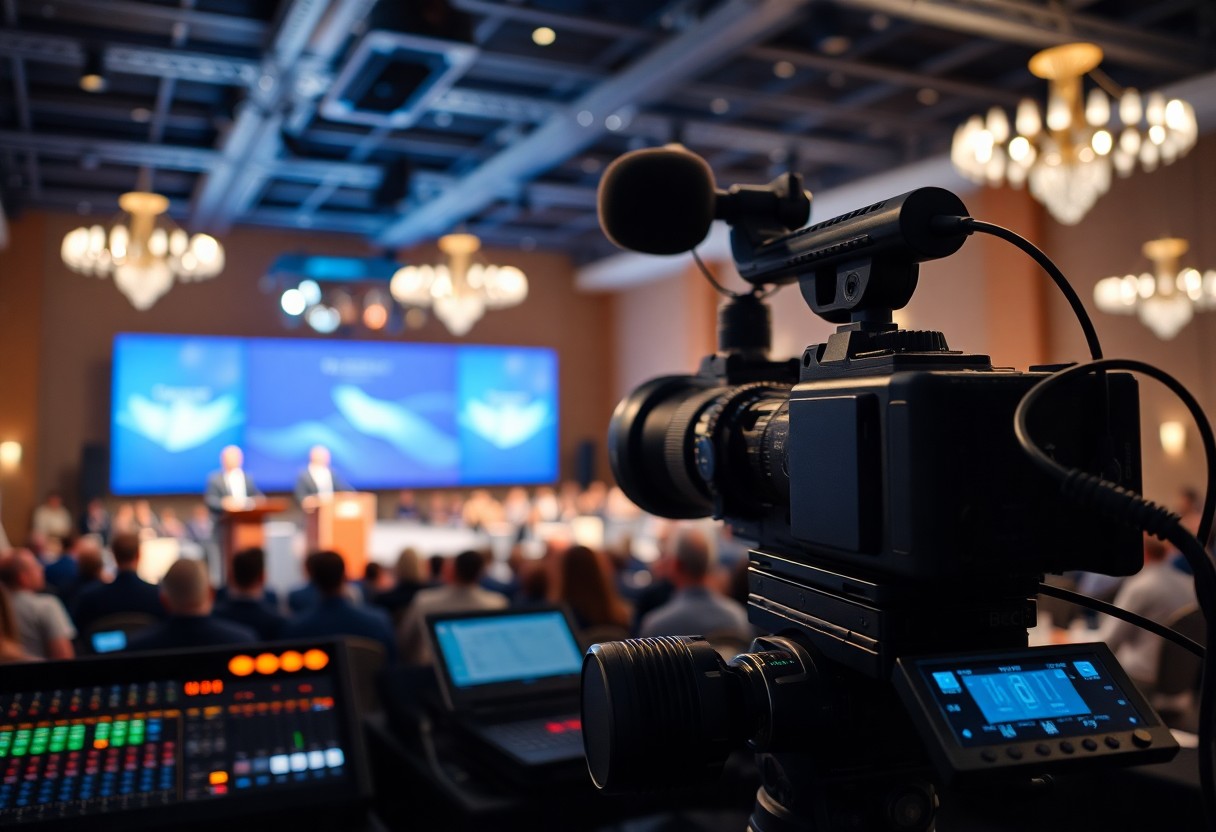
Mastering the art of incorporating ambient sound into your videography elevates your projects to a new level. To fully engage your audience, being mindful of how natural sounds blend with visuals creates a more holistic storytelling experience. This involves understanding the nuances of on-location sound capture as well as post-production techniques. A well-rounded approach ensures that your videos not only look stunning but also resonate deeply with viewers through carefully curated soundscapes.
Equipment Essentials for Capturing Ambient Sound
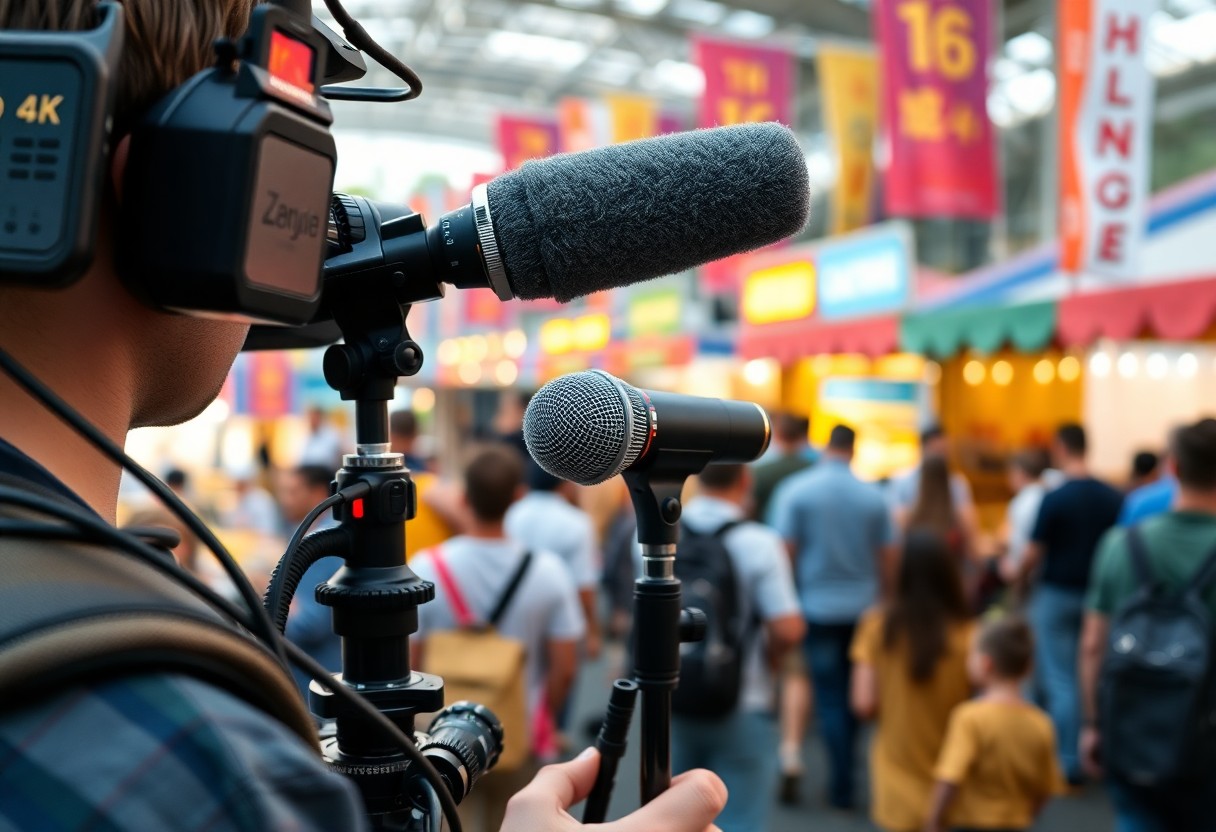
Investing in the right equipment is vital for capturing high-quality ambient sound. Use a directional microphone to isolate specific sounds, and a portable audio recorder for flexibility in various environments. Employ windshields for outdoor recordings to minimize wind noise, and consider high-quality headphones to monitor sound accurately. Selecting the appropriate gear enhances your ability to pick up subtle nuances that add depth to your event videography.
Seamless sound layering transforms your ambient audio into an immersive experience. Start by recording a base layer of background sounds during your event. While editing, introduce additional layers, such as music or effects, ensuring you maintain a balanced volume. Utilizing audio editing software, adjust the equalization and spatial effects to create depth. By skillfully blending these elements, you heighten emotional engagement and transport your audience into the heart of the event.
A well-executed sound layering process begins with capturing diverse audio elements, such as chatter, laughter, or nature sounds, which form a rich backdrop. In post-production, these layers should be meticulously mixed; for instance, using fades or adjusting levels so that the ambiance does not overpower vital dialogue. Effective use of stereo placement can enhance the spatial feel, making viewers feel as if they are part of the scene. This balance creates a captivating audio-visual harmony that enriches the storytelling experience and leaves a lasting impression on your audience.
Narrative Enhancement: Ambient Sound as a Storytelling Tool
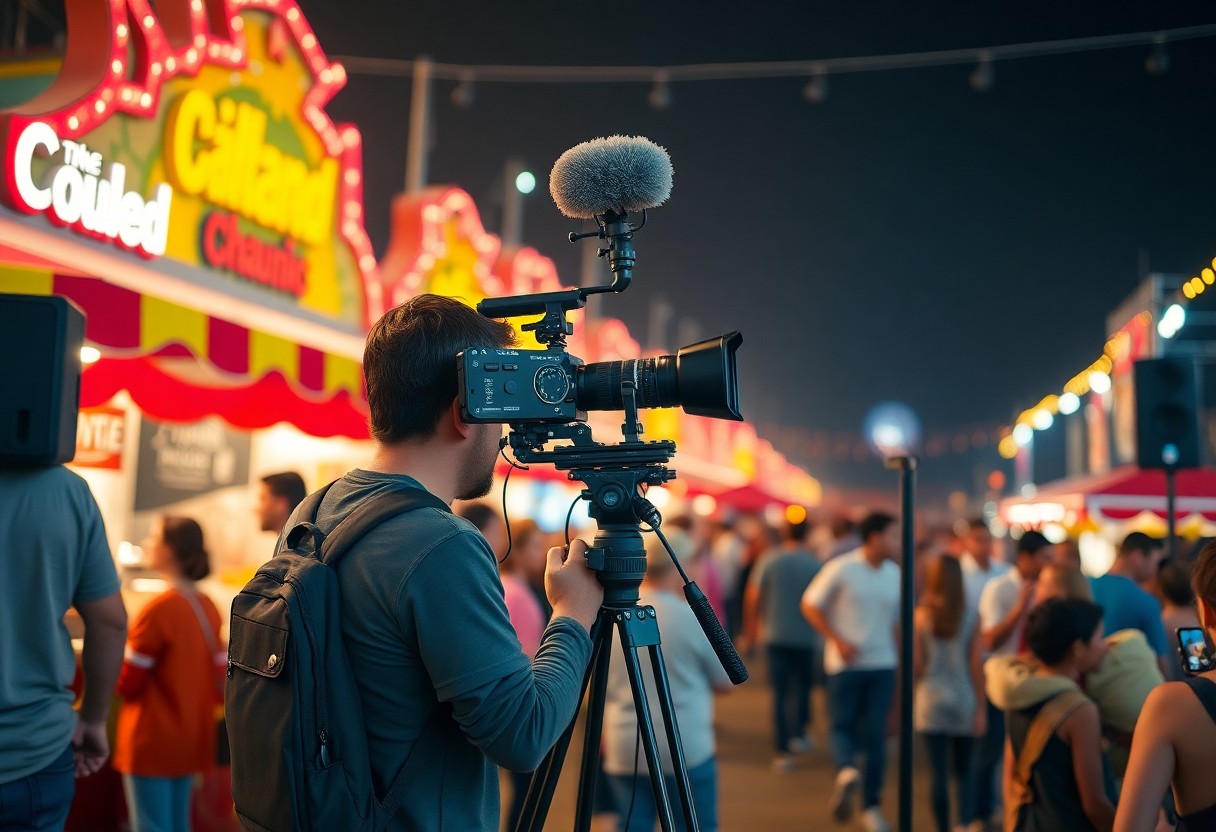
Ambient sound serves as a powerful storytelling tool in event videography, drawing viewers deeper into the experience. By integrating soundscapes that reflect the environment, like distant chatter at a wedding or the gentle rustle of leaves at an outdoor event, you enhance the emotional connection with the audience. These sonic details not only add richness to your visuals but also foster an immersive atmosphere that invites your viewers to engage with the narrative on a visceral level.
How Ambient Sound Complements Visual Storytelling
Visual storytelling flourishes when harmonized with ambient sound, transforming a simple montage of clips into a cohesive narrative. By intertwining sound elements that resonate with your visuals, such as the soft clinking of glasses during a toast or the gentle sound of waves at a beach event, your footage becomes a multisensory experience. These sound cues guide viewer emotions, heightening tension, joy, or nostalgia, effectively turning fleeting moments into lasting memories.
Building a Cohesive Narrative Arc with Sound Elements
A cohesive narrative arc thrives on the integration of sound elements that thread through your visual story. Using ambient sounds strategically can establish a deep connection between scenes, helping you maintain a consistent mood throughout. For instance, starting with lively soundscapes at the beginning of an event that gradually blend into softer tones as the evening progresses creates a powerful emotional journey.
As you build your narrative arc with sound elements, think of how each sound can act as a cue, marking transitions or underscoring emotional peaks. For example, integrating the sound of laughter and cheers in celebratory moments can enhance viewer engagement and reflect the joy of the occasion. Let the sounds inform your visuals, creating parallel progressions where the crescendo of ambient music matches the energy of the visuals. This intentional arrangement not only creates continuity but also crafts a sophisticated narrative that resonates with viewers long after the event is over.
Real-World Applications: Case Examples from Diverse Events
Numerous events have successfully integrated ambient soundplay to elevate their video productions. From corporate conferences where the buzz of networking enhances the experience, to dreamy wedding videos that capture the gentle rustle of leaves or the laughter of guests, the right sound choices can convey emotion and energy. For instance, the use of soft background music and nature sounds during a yoga retreat video can evoke relaxation, making viewers feel as if they are part of the serene environment. These case examples illustrate how diverse events benefit from strategic sound design.
Success Stories: Memorable Events Amplified by Sound
At a major music festival, incorporating ambient sounds from the environment—like cheering crowds, engaging performances, and even quiet moments between sets—transformed promotional videos into engaging narratives. Viewers could feel the pulse of the festival, helping increase ticket sales by over 30%. Similarly, for a community arts fair, blending live interviews with local artists and background laughter created a genuine atmosphere that resonated with online audiences and drove social media sharing. These examples underscore how expertly crafted ambient sound can amplify storytelling in event videography.
Lessons Learned: Common Challenges and Solutions
Though the integration of ambient soundplay can dramatically enhance videography, several challenges often arise. You may encounter issues such as background noise overshadowing important audio, capturing an accurate representation of the environment, or coordinating sound design with visual storytelling. Addressing these hurdles involves pre-event planning: scouting venues to understand the acoustic dynamics, employing quality microphones to isolate sound, and collaborating closely with videographers to ensure cohesive storytelling throughout the project.
Future Trends: The Evolving Role of Ambient Sound in Videography
As event videography continues to innovate, the role of ambient sound will undoubtedly evolve, shaping future storytelling techniques. Enhanced audio technologies are making it easier to capture realistic, immersive soundscapes that can transport viewers directly into the event. You should expect to see greater integration of sound into the overall narrative arc, allowing for layers of auditory experiences that complement visuals and create emotional resonance.
Innovations in Technology Impacting Sound Capture
Recent advancements in audio technology significantly impact how sound is captured during events. Portable multi-channel recorders, directional microphones, and surround sound systems are becoming more accessible, enabling you to achieve professional-grade audio quality. Innovations like AI-driven sound editing are streamlining post-production, allowing for more intricate blending of ambient sounds with other audio elements, enhancing the overall experience.
Emerging Styles and Techniques in Ambient Soundplay
New styles and techniques in ambient soundplay are shaping the future of videography, integrating innovative audio strategies that engage viewers more profoundly. Techniques like immersive soundscapes, dynamic sound layering, and binaural recording are gaining traction, allowing you to create multi-dimensional auditory environments. As you experiment with these methods, you’ll find that they can elevate your storytelling, immersing your audience and making them feel as if they are part of the event itself.
Using immersive soundscapes invites viewers to experience the ambiance of an event in real-time, while dynamic sound layering helps create a narrative flow that matches visual transitions. Binaural recording captures the spatial nuances of sound, allowing you to deliver a three-dimensional audio experience through standard headphones. By blending these techniques, you can craft scenes that evoke emotion and retain viewer engagement, pushing the boundaries of traditional event videography.
Summing up
Considering all points, ambient soundplay significantly elevates your event videography by adding depth and context to your visuals. Incorporating natural sounds enhances the emotional impact, allowing viewers to feel more immersed in the experience. By carefully selecting and balancing ambient audio, you can create a richer narrative that engages your audience on multiple levels. Ultimately, utilizing ambient sound effectively transforms your videography from mere documentation into a compelling storytelling tool.
FAQ
Q: What is ambient soundplay and why is it important in event videography?
A: Ambient soundplay refers to the background sounds that capture the natural environment of an event. These sounds are vital in event videography as they help to create an immersive experience for viewers. By incorporating the ambient noise from the venue—such as conversations, music, and even natural sounds—filmmakers can offer a sense of presence and authenticity that enhances the overall narrative of the video.
Q: How does ambient soundplay affect the storytelling aspect of event videography?
A: Ambient soundplay significantly enriches the storytelling by providing context and setting for the visual elements. It allows audiences to grasp the atmosphere of an event, whether it’s the excitement of a wedding, the energy at a corporate gathering, or the serenity of a nature retreat. This auditory backdrop complements the visuals, ensuring that the emotional undertones and nuances of the experience are conveyed effectively, making the story more relatable and engaging.
Q: Can poor ambient soundplay negatively impact the final video product?
A: Yes, inadequate ambient soundplay can detract from the viewer’s experience. If ambient sounds are poorly captured or absent, the video may appear flat and disconnected, lacking the vibrancy and authenticity of the actual event. Viewers may struggle to connect emotionally with the footage if it doesn’t reflect the genuine environment and sentiment of the occasion. Therefore, effective sound capture is vital to maintaining viewer engagement and delivering a quality video.
Q: What techniques can videographers use to capture high-quality ambient sounds during events?
A: Videographers can employ several techniques for capturing high-quality ambient sounds. Using external microphones, such as shotgun mics or lavalier mics, can improve sound clarity. Placing mics strategically around the venue helps to collect a broader range of audio. Additionally, recording in quieter moments or during low-traffic times can minimize unwanted noise interference. It’s also beneficial to conduct sound checks before the event begins to ensure all equipment is functioning optimally.
Q: How can ambient soundplay be edited to enhance the final video?
A: During the editing process, ambient soundplay can be enhanced by balancing audio levels, removing any disruptive noises, and layering different sound sources to create a cohesive soundscape. Sound designers might add subtle background music or sound effects that complement the ambient sounds, enhancing the emotional tempo of the video. Additionally, sound fades can be used to transition smoothly between scenes, maintaining the ambiance while ensuring the viewer is engaged throughout the video.



Leave a Reply
You must be logged in to post a comment.