

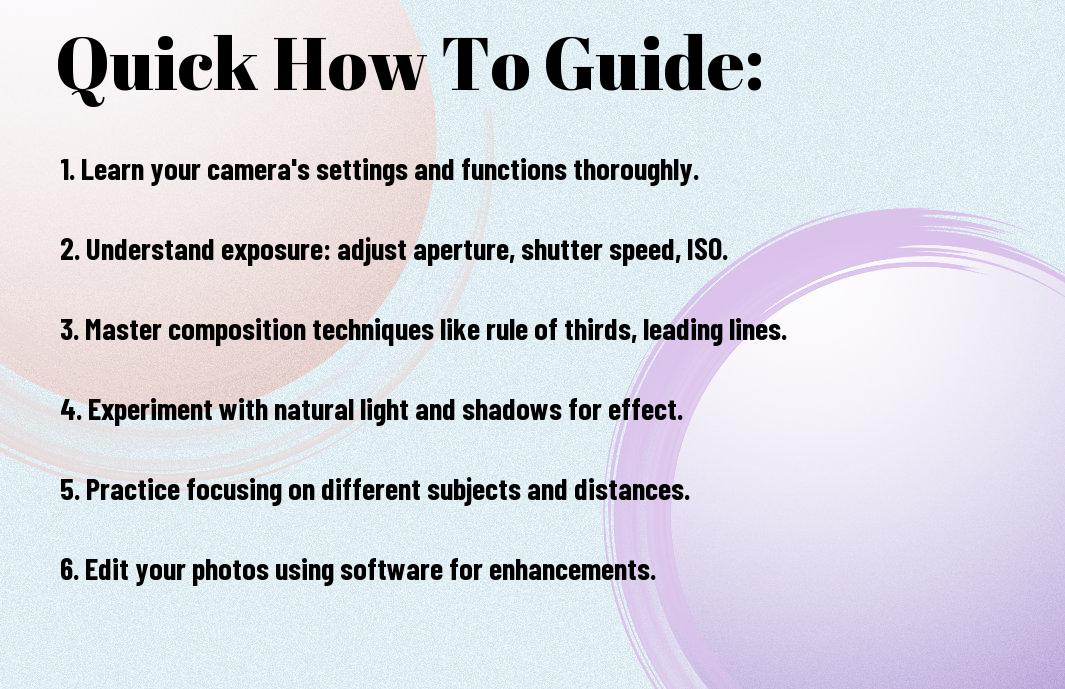
Just starting your journey in photography can feel overwhelming with all the technical jargon and equipment options available. This guide will break down important photography basics into simple, manageable steps that you can easily follow. By understanding key concepts such as composition, exposure, and lighting, you will gain the confidence needed to capture stunning images. Whether you’re using a smartphone or a professional camera, these foundational skills will elevate your photography and help you express your unique vision.
Understanding Camera Types
Your choice of camera can greatly impact your photography experience and results. Different types of cameras cater to various needs and skill levels. Below is a brief overview of the most common camera types:
| Camera Type | Description |
| DSLR | Versatile and great for various photography styles. |
| Mirrorless | Compact, offers high-quality images with interchangeable lenses. |
| Point-and-Shoot | User-friendly, ideal for beginners and casual shooting. |
| Medium Format | Produces high-resolution images, often used in professional photography. |
| Smartphone | Convenient for everyday photography with built-in editing features. |
Any type of camera can effectively capture beautiful moments, so choose one that aligns with your photography goals.
Digital vs. Film
Understanding the difference between digital and film photography is necessary for selecting the best medium for your style. Digital cameras utilize electronic sensors to capture images and provide instant results, while film cameras rely on light-sensitive film to produce photographs. Digital photography allows for easier editing and a more immediate shooting experience, while film can provide a unique aesthetic often favored by enthusiasts.
Choosing the Right Lens
Some lenses are designed for specific purposes, making your choice important in achieving your desired results. Understanding the focal length and aperture of lenses helps you select one that complements your style, whether you’re capturing landscapes, portraits, or close-ups.
Right lens choice can significantly enhance your photography. A wide-angle lens is ideal for landscapes, while a telephoto lens is perfect for capturing distant subjects. Prime lenses often offer superior image quality and larger apertures, making them great for low-light situations. Experimenting with different lenses will help you discover your photographic preferences and widen your creative possibilities.
Essential Camera Settings
If you want to take your photography skills to the next level, understanding vital camera settings is vital. Mastering these settings will help you capture sharper, more dynamic images suited to your creative vision. You’ll learn how to balance exposure and seize stunning moments while feeling more in control of your camera.
Aperture: The Eye of the Lens
Settings like aperture determine how much light enters your camera and influence the depth of field. A wide aperture (small f-number) creates a blurred background, isolating your subject, while a narrow aperture (large f-number) keeps more of the scene in focus. By adjusting the aperture, you have the power to change how your photographs feel and look.
Shutter Speed: Capturing Motion
Capturing motion effectively relies on understanding shutter speed, which controls the length of time your camera’s sensor is exposed to light. A fast shutter speed freezes action, making it ideal for sports or wildlife photography, while a slow shutter speed can create beautiful motion blur, perfect for flowing water or light trails.
It’s important to choose the right shutter speed to match your subject and desired effect. Generally, a speed of 1/500 seconds or faster can freeze most actions, while slower speeds, such as 1/30 seconds or below, introduce motion blur. Experimenting with shutter speed allows you to creatively express movement, enabling you to capture energy and dynamism in your photos.
Composition Techniques
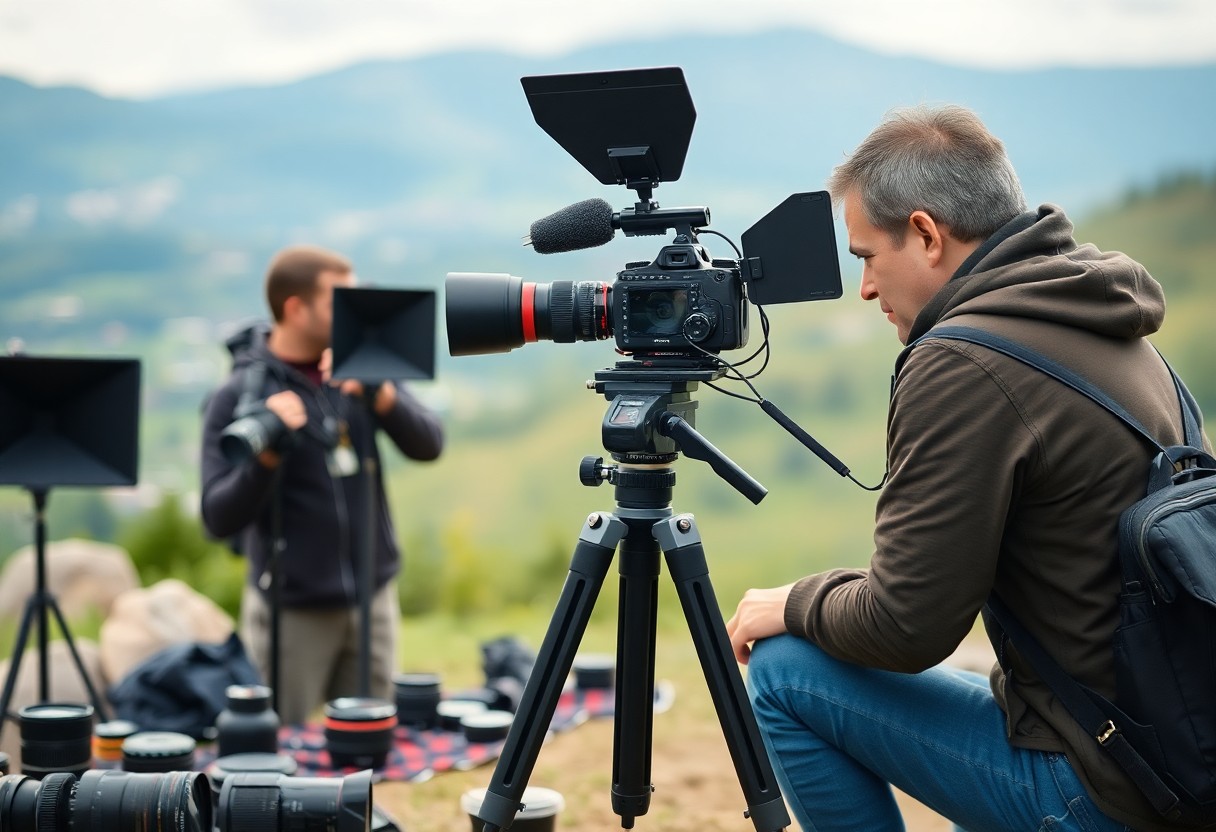
To create visually appealing photographs, mastering composition techniques is vital. These techniques help you arrange elements within your frame, guiding the viewer’s eye and enhancing your image’s overall impact. By understanding various compositional methods, you can significantly elevate your photography skills and produce stunning visuals that resonate with your audience.
Rule of Thirds
Rule of Thirds is a fundamental principle in photography that suggests dividing your frame into three equal horizontal and vertical sections, creating a grid. By positioning your subject along these lines or at their intersections, you establish balance and draw attention to important elements within your scene.
Leading Lines and Framing
While capturing your images, incorporating leading lines and framing techniques can guide the viewer’s eye toward your subject and create depth. Leading lines, such as roads, paths, or fences, direct attention and can evoke a sense of movement. Framing utilizes natural or architectural elements to enclose your subject, enhancing focus and adding context to your composition.
The use of leading lines and framing not only adds interest to your photographs but also helps establish a connection between the viewer and the scene. By strategically positioning these elements, you can create a sense of depth and perspective, making your images feel more dynamic. Experiment with various lines and frames in your environment to discover unique compositions that convey your intended story or emotion.
Lighting Fundamentals
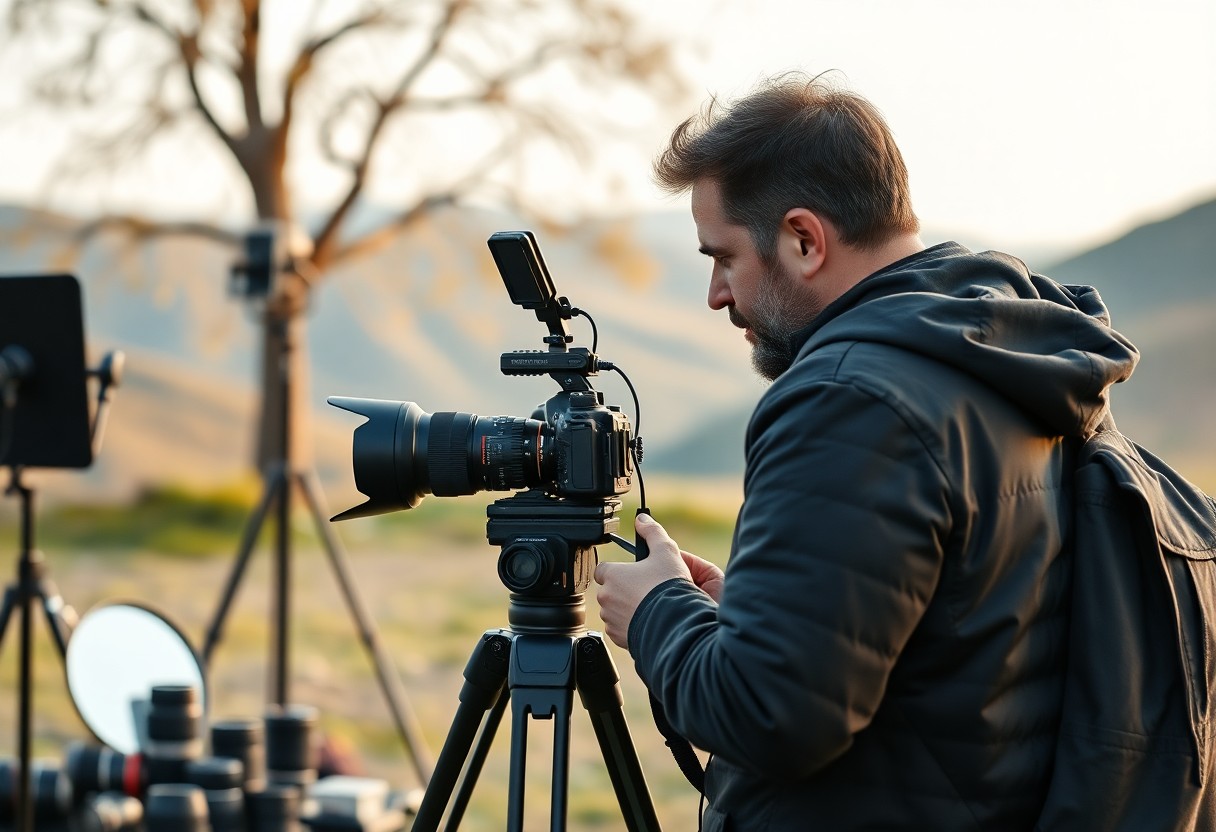
After mastering your camera settings, understanding lighting fundamentals will elevate your photography. Good lighting can make or break an image, so recognizing how to manipulate natural and artificial light is imperative. Whether you prefer indoor shots or outdoor scenes, knowing how to effectively use available light will enhance your composition and emotional impact.
Natural Light vs. Artificial Light
Assuming you’re exploring lighting options, it’s vital to grasp the differences between natural and artificial light. Natural light changes throughout the day and helps create a softer, more dynamic look, while artificial light provides you with greater control, allowing you to craft specific moods and effects. Understanding these will help you choose the best lighting for your shots.
Golden Hour: The Best Time to Shoot
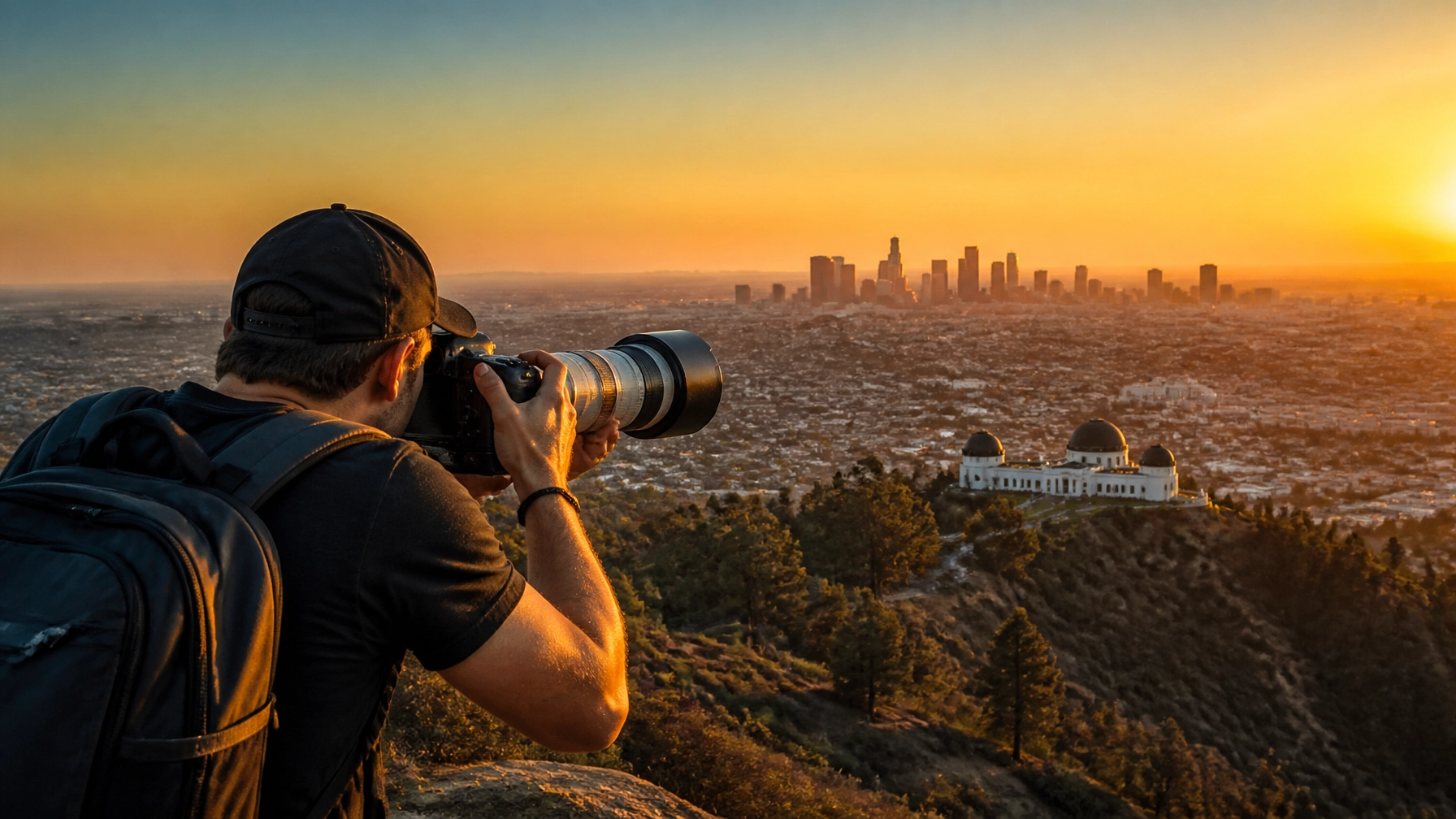
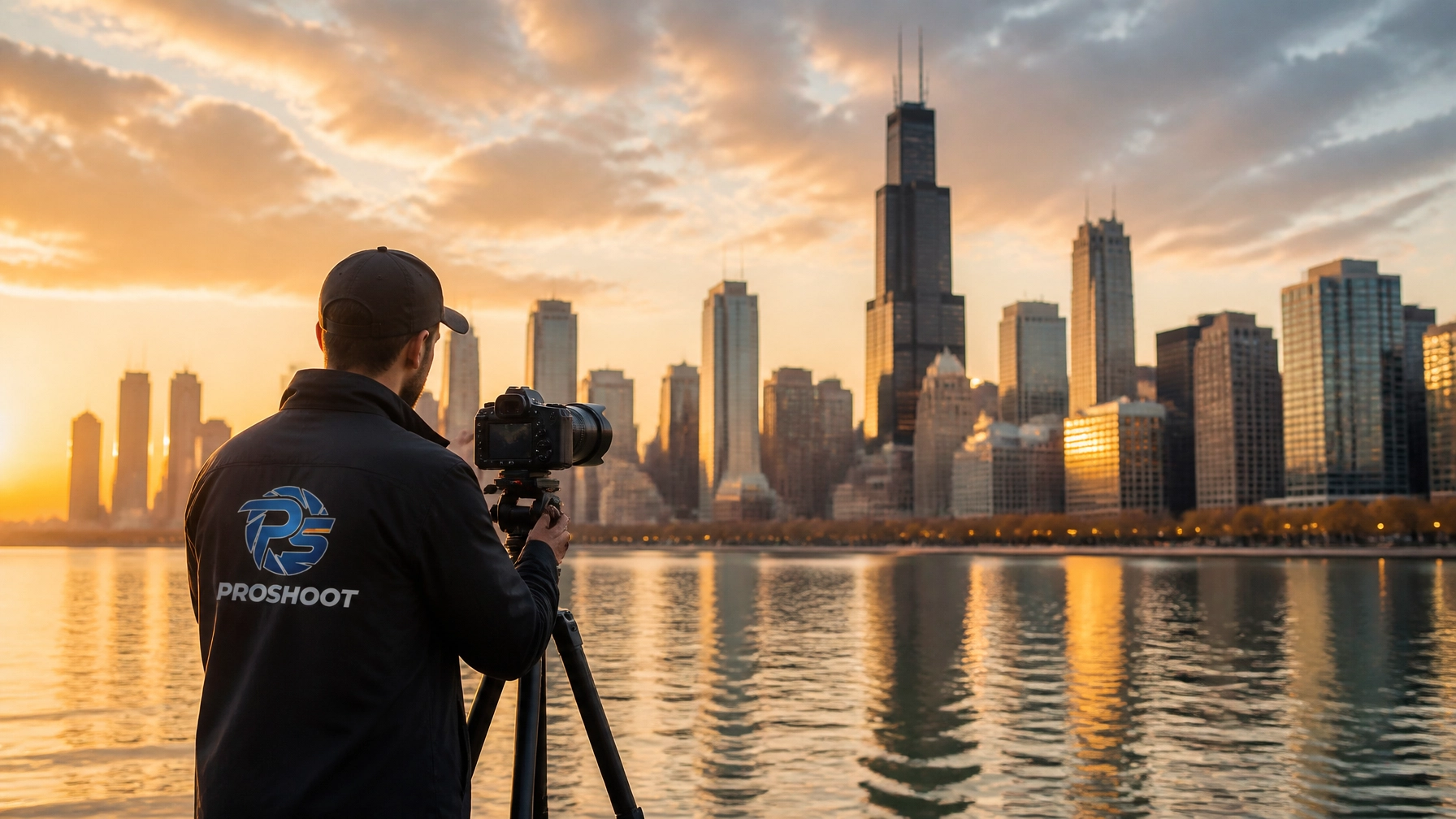
Even though great light can be found at any time, golden hour is often hailed as the ideal moment for photography. Occurring shortly after sunrise and before sunset, this period offers warm, soft light that beautifully enhances skin tones and landscapes, adding a magical quality to your images.
Hour after hour of bright midday sun can produce harsh shadows and overexposed highlights, making it challenging for you to capture stunning photographs. During golden hour, however, the sun’s low angle creates longer shadows and a more flattering light, allowing for richer colors and a captivating atmosphere. Make it a priority to plan your shoots around this magical time to maximize your creative potential.

Tips for Post-Processing
All photographers benefit from honing their post-processing skills, as it’s an vital step in bringing your vision to life. Here are some quick tips to enhance your workflow:
- Start with RAW files for better editing flexibility.
- Adjust exposure and white balance early in your editing process.
- Use layers to isolate adjustments and maintain control.
- Regularly use histograms to check your image quality.
- Don’t overdo it; subtle adjustments can have a big impact.
The more you practice post-processing, the more your images will reflect your artistic intent.
Basic Editing Techniques
There’s a fundamental set of editing techniques you should master to make the most of your photographs. Begin with cropping and straightening to enhance composition, then tweak exposure and contrast to prioritize critical details. By familiarizing yourself with these vital adjustments, you’ll create a solid foundation for more complex edits down the line.
Enhancing Color and Contrast
On your photography journey, enhancing color and contrast transforms your images, making them pop and capturing the viewer’s attention. Adjusting saturation and vibrance can breathe life into flat photos, while contrast adjustments help to define the relationship between light and dark areas. Fine-tuning these elements enables you to create striking images that resonate with your audience.
Tips for enhancing color and contrast include using selective color adjustments to target specific hues, which can add depth and drama to your work. Consider utilizing contrast sliders found in most editing software to find the sweet spot for your images. Additionally, tools like curves can help fine-tune tonal ranges, ensuring your photographs achieve that professional-quality look. Balancing colors and contrast effectively is a skill that will elevate your photography.
Factors to Consider for Different Subjects
Despite the many variables in photography, understanding the factors that influence different subjects will greatly enhance your skills. Consider the following aspects:
- Lighting conditions
- Depth of field
- Composition techniques
- Subject movement
- Camera settings
Thou must observe each subject’s unique characteristics to capture their essence effectively.
Portrait Photography
Little attention to detail in portrait photography can make a significant difference in your results. You should focus on the subject’s expression, eye contact, and posture, ensuring that the background does not distract from the person. Experimenting with angles and lighting will enhance the overall mood of your image.
Landscape Photography
Little changes in perspective and composition can transform your landscape photographs. Be mindful of the time of day and weather conditions, as these elements can dramatically alter the mood and colors in your shots. Using leading lines and a strong foreground can also help create impactful images.
It’s important to explore various techniques, like using a tripod for stability and taking multiple exposures to capture the dynamic range of a scene. Always be aware of the golden hour, as shooting during this time provides softer, warmer light that enhances landscapes. Engaging with your surroundings will allow you to capture moments that are both breathtaking and fulfilling.
Final Words
From above, you can now approach your photography journey with a solid foundation of vital basics. By understanding key concepts such as composition, exposure, and lighting, you equip yourself with the tools needed to enhance your skills. Practice regularly, experiment with different techniques, and don’t hesitate to seek feedback. As you continue to explore this art form, you’ll find your unique style evolve, allowing you to capture moments that truly resonate. Make the most of your photography experience, and enjoy the creative process as you grow.




Leave a Reply
You must be logged in to post a comment.