
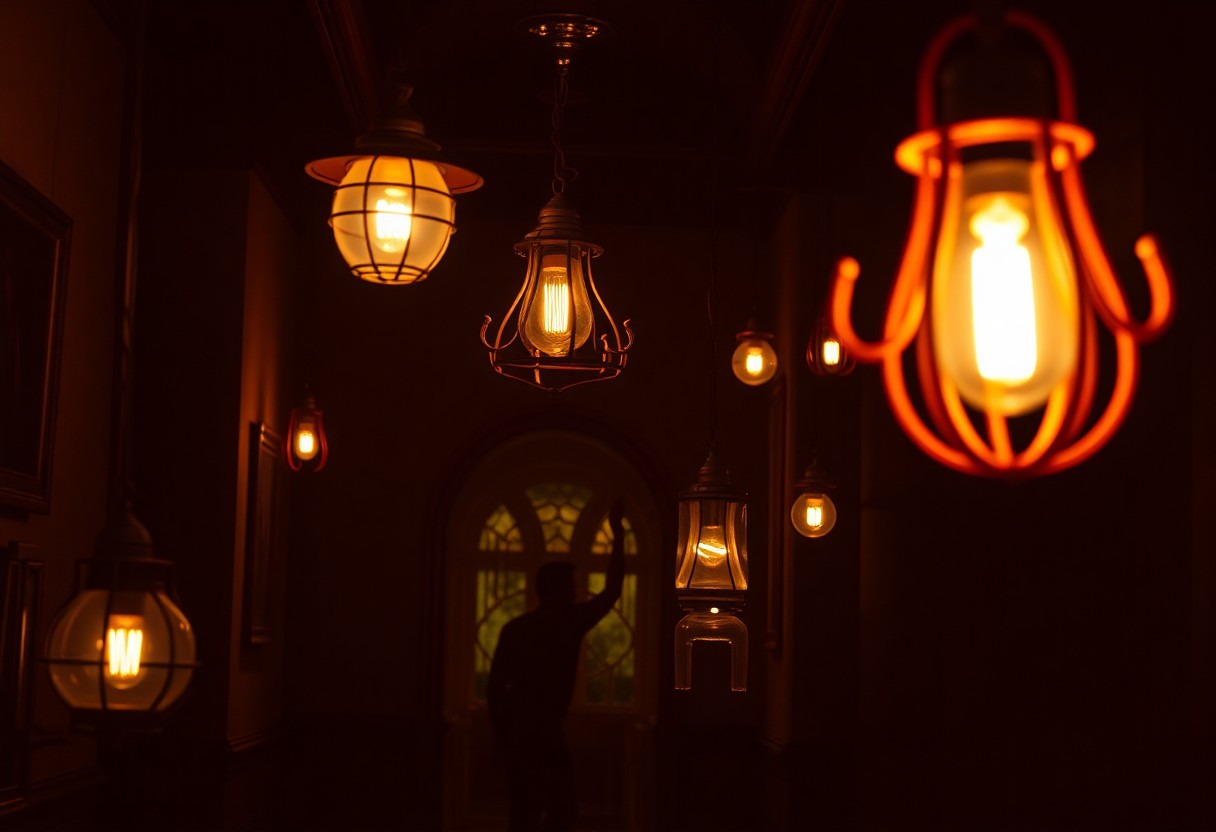
Many individuals overlook the profound impact that effective lighting techniques can have on their spaces. Understanding how light influences mood, perception, and functionality is key to transforming any environment. By mastering these techniques, you can elevate your home or workspace, creating an atmosphere that resonates with your intentions. In this article, you will uncover the hidden strategies behind effective lighting, allowing you to make informed decisions that enhance your surroundings and improve your quality of life.
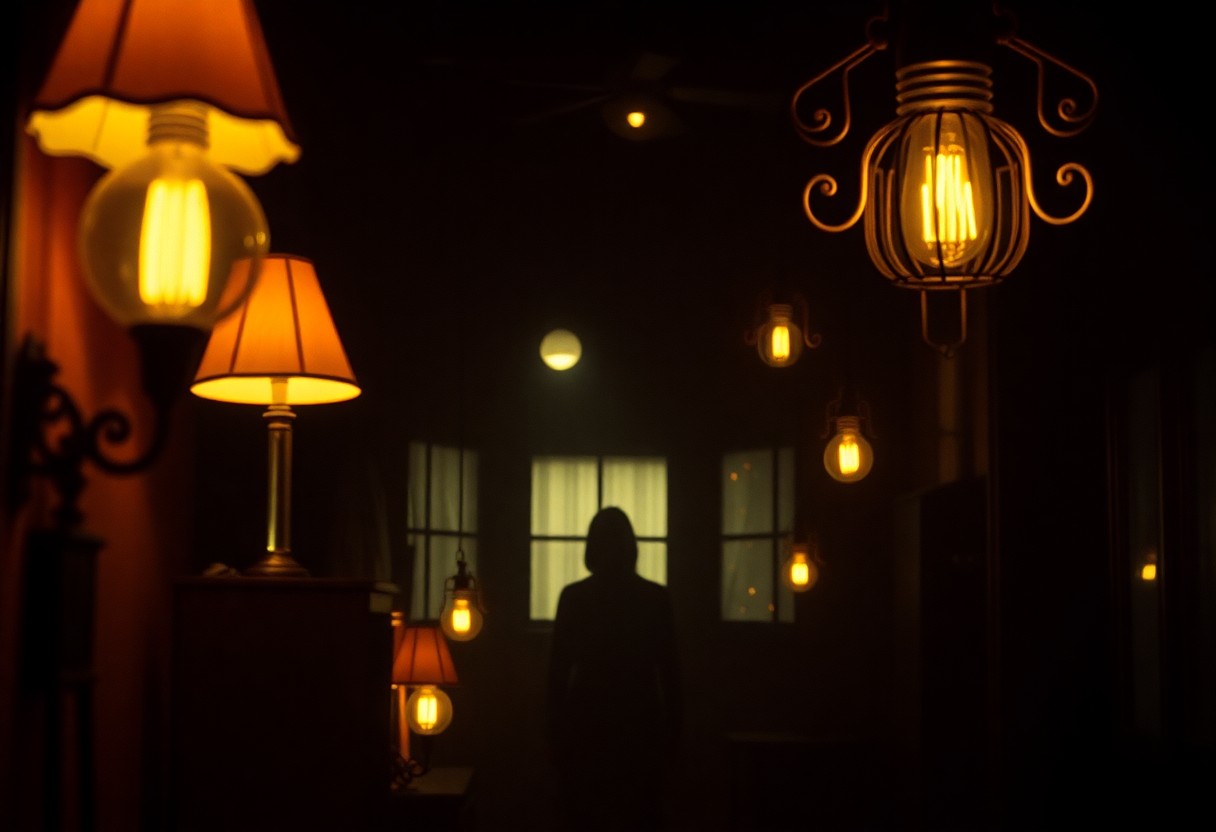
The Psychology of Lighting
Your environment largely impacts your mental state, and effective lighting techniques can enhance or diminish your mood. Understanding the psychological effects of light can empower you to create spaces that encourage productivity, relaxation, or social interaction. From bright, energetic lights to soft, warm tones, your choice in lighting plays a vital role in shaping your emotions and experiences.
How Light Influences Mood
Across various settings, different lighting intensities and colors can elicit specific emotions. Bright lights often boost energy and alertness, while dimmer settings promote tranquility and calmness. Being aware of how lighting affects your mood will enable you to design environments that suit your emotional needs, whether you’re working, unwinding, or socializing.
The Importance of Color Temperature
Importance of color temperature lies in its ability to affect both mood and productivity. The warmth or coolness of light can create different atmospheres in a space. Understanding the right balance can significantly influence how you feel and function throughout the day.
Understanding the Role of Color Temperature
| Warm Light (2700K-3000K) | Creates a cozy, inviting atmosphere ideal for relaxation and social spaces. |
| Neutral Light (3500K-4100K) | Offers a balanced ambiance suitable for multitasking environments. |
| Cool Light (5000K-6500K) | Enhances alertness and focus, making it perfect for work and study areas. |
Understanding how to utilize color temperature will enable you to create spaces tailored to your specific needs. By selecting the right shade of light, you can combat fatigue, enhance concentration, or create a relaxing environment, thereby seamlessly aligning your physical setting with your emotional state. Effective color temperature selection can be the key to unlocking your ideal lighting atmosphere.
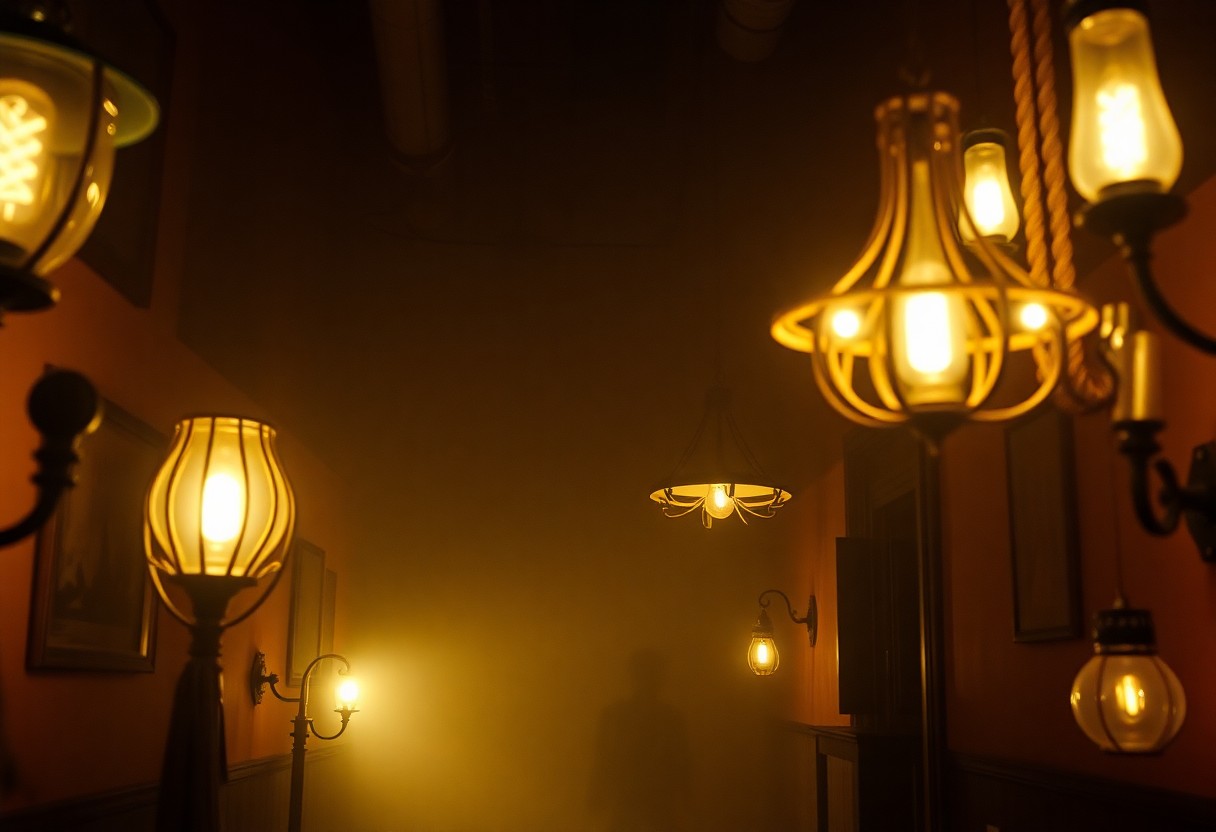
Techniques for Layered Lighting
Even the best lighting designs benefit from a layered approach, which combines various light sources to achieve a balanced and functional environment. By embracing the principles of layered lighting, you can enhance the mood, functionality, and aesthetic appeal of any space. Understanding how to effectively mix ambient, task, and accent lighting will empower you to create stunning visuals while meeting your practical needs.
Ambient Lighting
Layered ambient lighting serves as the foundation of your lighting scheme, establishing a general illumination that fills the room evenly. You want to select fixtures that provide comfortable visibility without creating harsh shadows, allowing you to engage in daily activities with ease. Consider utilizing ceiling-mounted lights, wall sconces, or floor lamps to achieve a warm, inviting glow in your spaces.
Task and Accent Lighting
With task and accent lighting, you can tailor the illumination for specific functions and highlight key design features. Task lighting focuses on areas where you perform activities, such as reading or cooking, while accent lighting draws attention to your artwork or architectural elements. By strategically placing these light sources, you will enhance the overall atmosphere while addressing your practical lighting requirements.
A well-planned mix of task and accent lighting can transform your space, making it both functional and visually intriguing. Choose adjustable fixtures like pendant lights or under-cabinet LEDs for task lighting, ensuring adequate brightness for your activities. For accent lighting, consider spotlights or picture lights to showcase artwork and architectural details, adding depth and character to your environment. By integrating these layers, you can create an inviting and multi-dimensional ambiance that reflects your personal style.
Common Mistakes in Lighting Design
There’s a fine line between effective lighting and common pitfalls that can undermine the ambiance of your space. Many designers overlook key elements, leading to inefficient use of light that can create discomfort or detract from the overall aesthetic. Understanding these common mistakes will help you achieve a well-balanced lighting design that enhances your environment.
Overly Bright Spaces
Below the surface of achieving brightness lies the risk of creating overly stimulating environments. Bright spaces can cause glare and discomfort, making it hard for you to focus or relax. Striking the right balance in illumination can foster a pleasant atmosphere while still meeting your lighting needs.
Neglecting Natural Light
The importance of natural light in your design cannot be overstated. It not only enhances your space’s visual appeal but also has psychological benefits that contribute to your well-being. When you underestimate its value, you may end up over-relying on artificial sources, leading to an uninviting environment.
At its core, harnessing natural light means recognizing its patterns throughout the day and incorporating it into your design plan. You can strategically position mirrors, use sheer window treatments, and consider open layouts to maximize sunlight exposure. Not only will this improve your indoor environment, but it will also reduce energy costs and your reliance on artificial lighting, creating a more sustainable approach to design.
Lighting for Different Spaces
All successful lighting strategies hinge on understanding the unique characteristics and needs of each space. Whether you are illuminating a cozy living room, a bustling office, or a serene outdoor area, your approach should vary accordingly. Being mindful of the purpose, aesthetic, and functionality in each environment will help you create the perfect lighting atmosphere that enhances both comfort and efficiency.
Residential Lighting Solutions
Any room in your home holds the potential to shine with the right lighting solutions. From ambient fixtures that softly illuminate your living areas to task lighting that aids in reading or cooking, each choice plays a vital role in enhancing your daily experiences. You can also incorporate accent lighting to highlight artwork or architectural features, creating a warm and inviting atmosphere throughout your home.
Commercial Lighting Considerations
About commercial spaces, lighting design is deeply tied to both functionality and branding. You need to consider how lighting affects employee productivity, customer experience, and even the overall ambiance of your establishment. Strategic placement of fixtures and the right choice of lighting color temperature can significantly influence how your space is perceived and utilized.
This involves analyzing various factors, such as the nature of your business, the demographics of your clientele, and even the time of day when your space is busiest. For instance, a retail store may benefit from bright, inviting lights that draw attention to products, whereas a cozy café could use soft, warm lighting to create an intimate atmosphere. Ultimately, thoughtful commercial lighting can enhance the overall experience, guiding your customers and employees through the desired mood and functionality of the space.
Energy Efficiency in Lighting
Despite the aesthetic and functional aspects of lighting, energy efficiency should be a top priority for anyone looking to enhance their space. By opting for energy-efficient lighting options, you not only reduce your electricity bills but also contribute to a more sustainable environment. Understanding the different choices available allows you to make better-informed decisions that benefit both your wallet and the planet.
Sustainable Choices
Behind the allure of modern lighting lies the importance of sustainable choices. Utilizing LED bulbs, for example, can significantly diminish your energy consumption while providing excellent illumination. By selecting products that last longer and use less power, you can effectively create an eco-friendly atmosphere while still enjoying your desired aesthetic.
Innovative Technologies
Behind the scenes of lighting evolution are innovative technologies that are reshaping how you illuminate your environments. Smart lighting systems can be customized to suit your lifestyle, allowing for automatic dimming, color changes, and movement detection. These advancements not only enhance your experience but also lead to further reductions in energy use.
It helps to be aware of the rapid advancements in lighting technologies. Innovations like smart grids and energy monitoring tools enable you to track your usage in real-time, giving you the power to adjust accordingly. By integrating smart technology, you not only optimize your lighting experience but also promote energy conservation, making your choices more sustainable and efficient.
The Role of Shadows in Design
After exploring the nuances of effective lighting techniques, you’ll see that shadows play a vital role in design. They add depth and interest to your space, enhancing visual appeal and creating a dynamic atmosphere. By understanding how to manipulate shadows, you can elevate your designs and evoke specific emotions, leading to a more immersive experience for your audience.
Creating Depth and Dimension
Shadows serve as powerful tools for creating depth and dimension in your designs. By casting shadows strategically, you can highlight certain features while allowing others to recede, adding a three-dimensional quality. This interplay between light and shadow helps draw the eye, guiding attention and making your designs more engaging and visually stimulating.
Utilizing Shadows for Effect
Shadows can be a dramatic element in your design toolkit. By utilizing them effectively, you can transform a simple space into one that tells a story, sparks emotion, or emphasizes certain aspects of your design. Experimenting with light sources and angles allows you to create a full range of effects, from soft, subtle shadows to stark, bold contrasts that demand your viewer’s attention.
Indeed, utilizing shadows for effect opens up endless possibilities in your design work. Consider how varying the intensity and direction of light can alter the mood and ambiance. Shadows can evoke feelings of mystery or intrigue, enhance architectural details, or guide your viewer’s focus to particular areas. Engaging with shadows thoughtfully allows you to craft narratives within your spaces, ensuring that every corner holds meaning and enhances the overall experience.
Conclusion
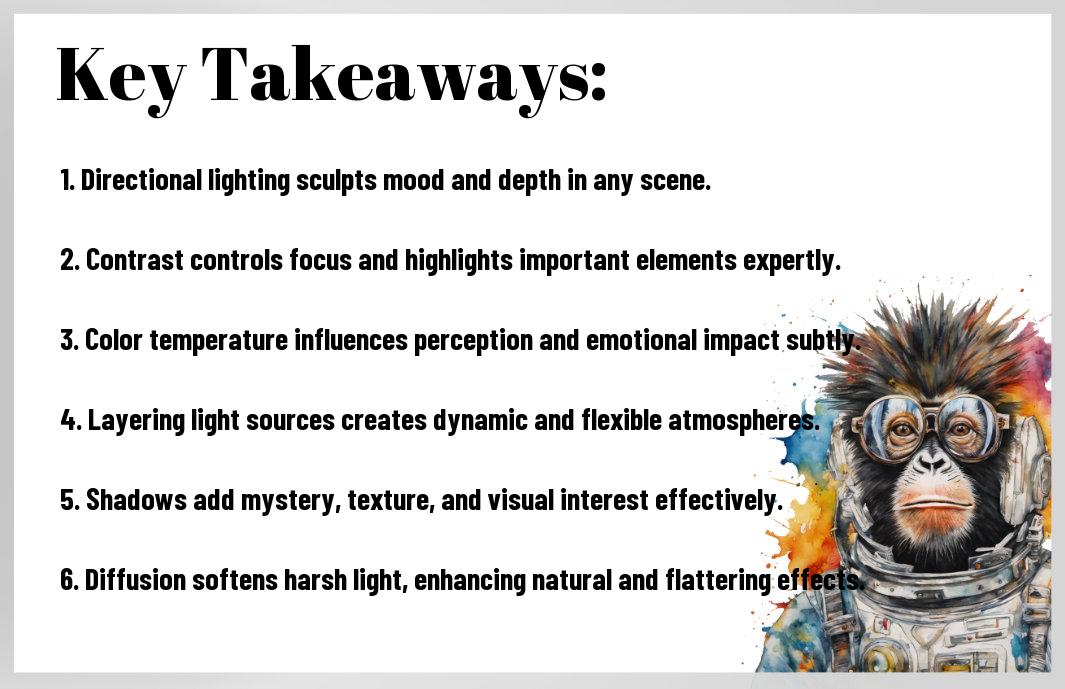
Taking this into account, you can uncover the hidden potential of effective lighting techniques that can transform your space and enhance your overall experience. By paying attention to the interplay of light and shadow, adjusting color temperatures, and strategically placing sources, you can create ambiance, highlight features, and even influence mood. Embracing these secrets not only improves aesthetics but also serves practical purposes, enriching your daily interactions within any environment. Don’t underestimate the impact of thoughtful lighting; it’s a powerful tool at your disposal.





Leave a Reply
You must be logged in to post a comment.