
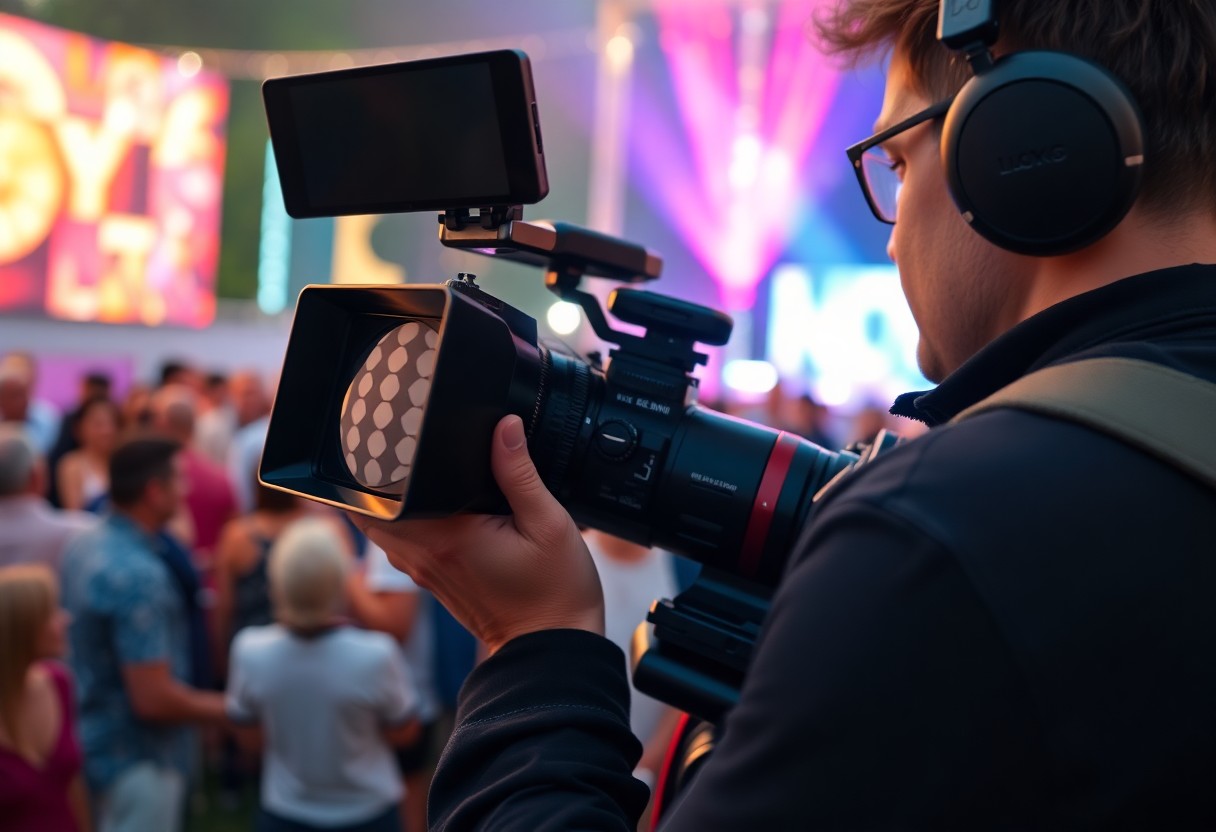
Most photographers realize that technical skills are imperative, but you might not be aware of the unique insights that can truly elevate your event photography. Understanding the importance of storytelling, timing, and emotional connection can transform ordinary shots into extraordinary memories. By exploring these rare insights, you can refine your technique, enhance your creativity, and ultimately deliver captivating images that resonate with your clients and audience. Dive into these key aspects to unlock the full potential of your event photography skills.
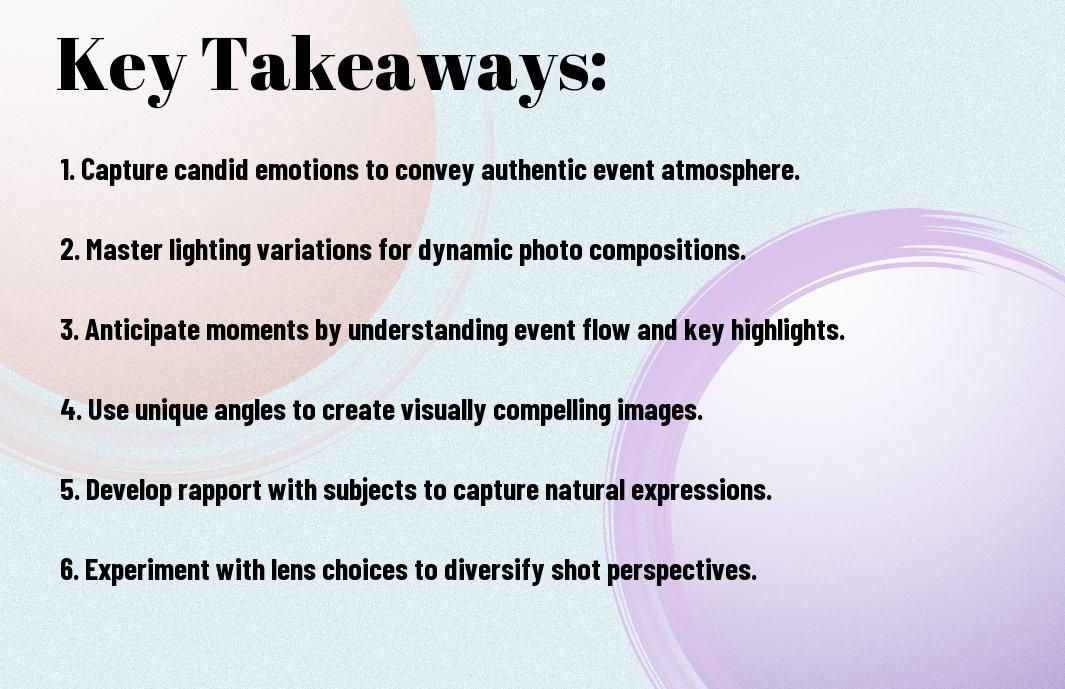
Unearthing Emotional Storytelling in Event Photography
Emotional storytelling in event photography goes beyond mere documentation; it’s about encapsulating the essence of moments that resonate deeply. Each event, whether a wedding, corporate gathering, or community festival, holds a myriad of feelings waiting to be captured. By understanding the emotional undercurrents at play—be it joy, nostalgia, or camaraderie—you can create a visual narrative that connects with your audience on a personal level, turning fleeting moments into lasting memories.
Capturing Authentic Moments
Authentic moments are the heart of compelling event photography. Strive to be a silent observer, allowing genuine interactions to unfold naturally before your lens. Candid shots often reveal the most poignant emotions—an embrace between loved ones, the laughter of friends, or the focused concentration of someone in the midst of a meaningful conversation. These unposed instances often convey more emotion than a carefully curated shot.
The Art of Visual Narratives
Mastering the art of visual narratives involves weaving together individual images to tell a cohesive story about the event. Each photograph should contribute to the larger narrative, capturing different perspectives and interactions. You can enhance this storytelling by considering the sequence of your images. For example, pairing a joyful scene of a couple dancing with a shot of a family member looking on with pride builds an emotional arc, enhancing the overall experience for viewers of your work.
To create engaging visual narratives, think about the themes and emotions that define each event. For instance, at a wedding, the transition from the nervous anticipation of the ceremony to the exuberance of the reception can illustrate a beautiful journey. Utilize a variety of compositions, from wide angles that encapsulate the venue and atmosphere to close-ups that capture intimate reactions. By thoughtfully curating a collection of images that reflects the emotional highs and lows, you tell a story that resonates with viewers and draws them into the experience.
Mastering the Elements of Lighting Dynamics
Understanding and manipulating lighting can dramatically impact your event photography. You need to recognize how different light sources shape the atmosphere of scenes and subjects. Mastering these elements allows you to create striking images that resonate with viewers. Pay close attention to color temperatures, shadows, and highlights to elevate your compositions. Explore various settings and embrace the camera settings that best exploit the available light. Familiarity with these aspects will not only enhance your skills but also enrich the narratives your photos convey.
Natural vs. Artificial Light
Natural light offers a soft, organic quality that enhances the authenticity of your photographs. Shooting outdoors during golden hour captures warm hues that can make moments feel magical. Conversely, artificial light, whether from flash or lighting setups, provides control over exposure and shadows, allowing you to create dramatic effects or ensure clarity in challenging conditions. Knowing when to harness each type of light can significantly affect the overall mood and tone of your images.
Techniques for Low-Light Situations
Low-light situations can present a challenging yet rewarding opportunity for creativity in your photography. Utilizing wider apertures, slower shutter speeds, and higher ISO settings can help you capture moments when lighting is less than ideal. Additionally, consider stabilizing your shot by employing a tripod or leaning against a solid structure to reduce blurriness from camera shake.
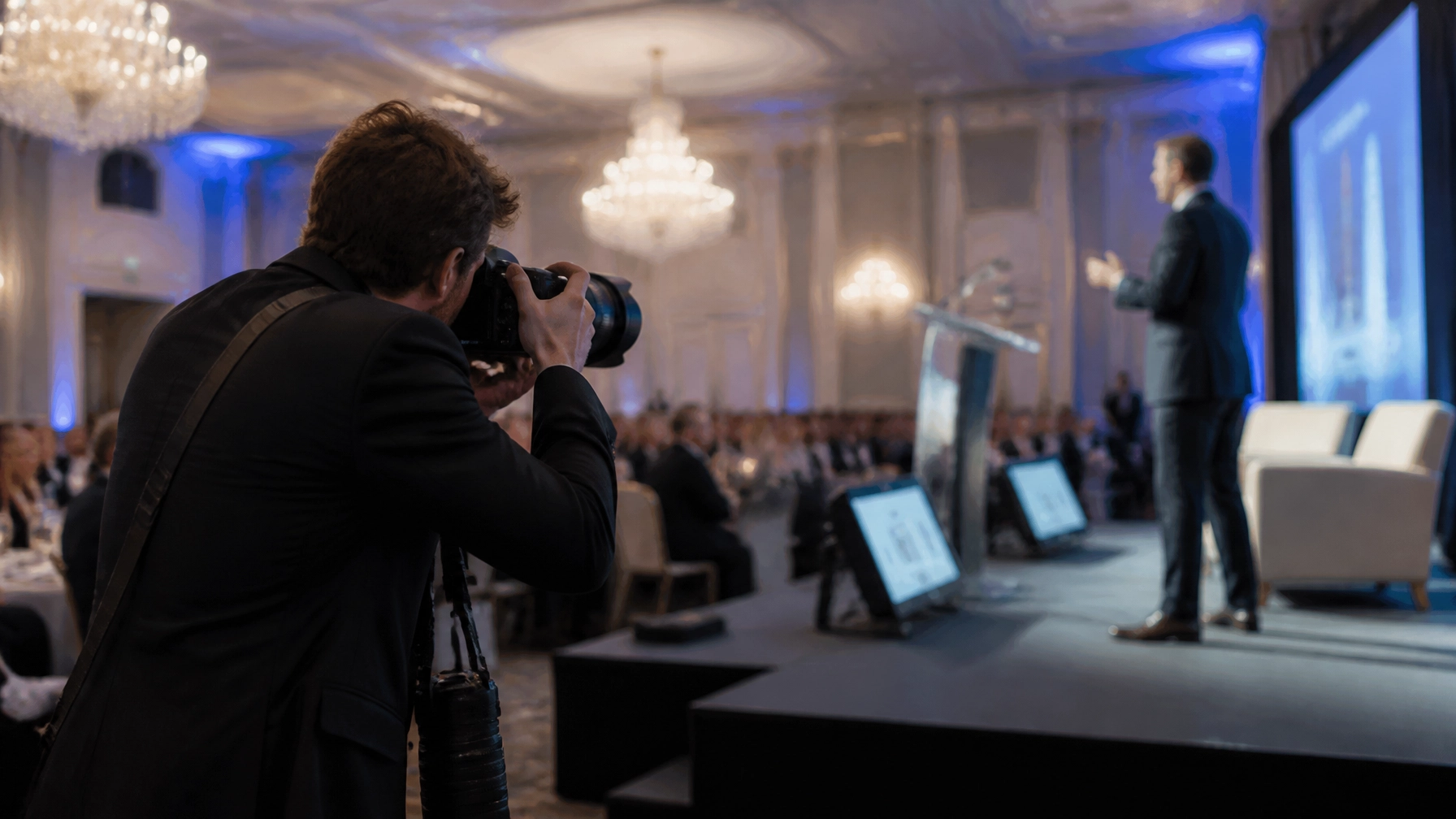
In dimly lit venues such as banquet halls or theaters, increase your ISO sensitivity to as high as 3200 or even 6400, depending on your camera’s performance. This allows you to capture well-exposed images without the need for a flash, which can be intrusive. Open up your aperture to its widest setting—often f/2.8 or wider—to let in more light and create a lovely depth of field. Along with mastering these settings, invest time in understanding your camera’s noise reduction capabilities, as high ISO settings can introduce graininess. Experimentation combined with these techniques will empower you to expertly navigate any low-light environment and produce captivating images.
The Power of Composition: Beyond the Rule of Thirds
Elevating your event photography involves mastering composition techniques that extend past the traditional rule of thirds. This framework certainly serves as a useful guideline, but true artistry emerges when you start experimenting with different compositions. Explore bold geometries, asymmetrical arrangements, and dynamic perspectives to add depth and intrigue to your photographs. Stretching your creative boundaries can lead to compelling imagery that captures the unique energy and spirit of the occasion.
Creative Framing Techniques
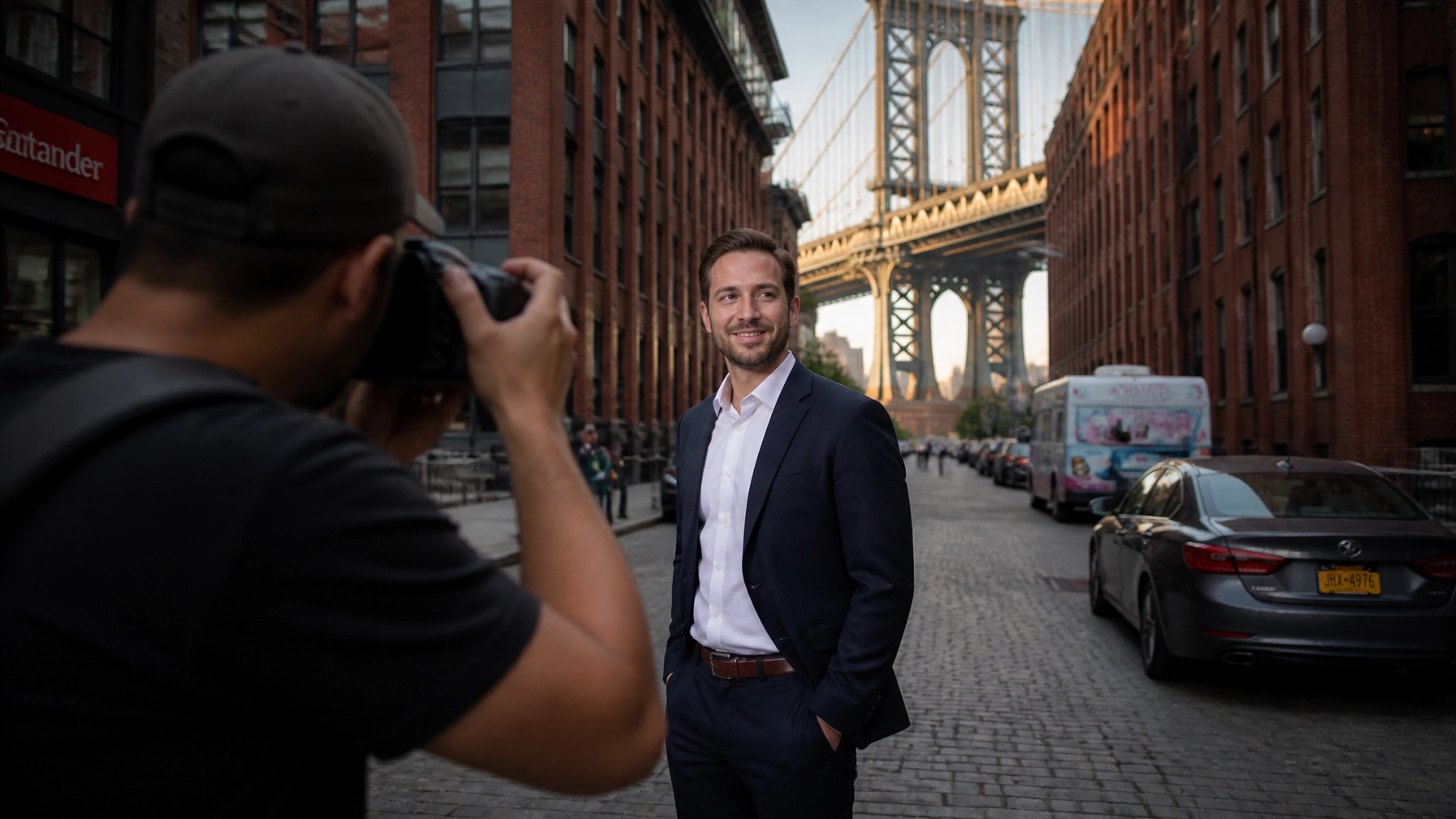
Employing creative framing techniques can dramatically enhance the storytelling aspect of your photographs. Use elements within the environment—doorways, windows, or even trees—to frame your subject, drawing the viewer’s attention to the main action. This attention to framing not only adds layers but also creates a sense of context, making your photos resonate more deeply with the audience.
Using Leading Lines and Depth
Incorporating leading lines into your compositions can significantly guide the viewer’s eye toward the subject. Whether it’s a pathway, a line of audience members, or architectural elements, leading lines create a natural flow within the frame. Furthermore, layering different elements enhances depth, making the image feel more three-dimensional. This kind of depth invites viewers to engage with your photograph, sparking curiosity about the scene.
Leading lines can be both literal and implied, creating visual pathways that draw viewers through your composition. For instance, a long table set for a banquet or stretching arms of guests in celebration can create a dynamic route for the eye. Depth can be emphasized by incorporating foreground elements, giving context to the main subject and leading the viewer into the scene. For instance, capturing a joyful moment at a wedding while including blurred floral arrangements nearby not only anchors the subject but also enriches the overall photographic experience. By thoughtfully integrating leading lines and layers, your event photographs will exhibit greater sophistication and engagement.
Building Rapport with Subjects for Authentic Shots
Establishing a connection with your subjects before and during the event can significantly improve the authenticity of your photographs. Engaging in casual conversations and showing genuine interest in their stories helps break down barriers and fosters trust. This rapport allows your subjects to feel more comfortable and at ease, leading to more natural expressions and spontaneous moments that are often the heart of compelling event photography.
Techniques for Eliciting Genuine Expressions
To capture genuine expressions, focus on techniques that promote comfort and spontaneity. Use open-ended questions related to the event or personal experiences to engage your subjects in conversation. Compliments about their attire or the event itself can also create a light-hearted atmosphere. Additionally, allowing your subjects to interact with one another, while you observe from a distance, enables you to capture those authentic reactions without feeling intrusive.
The Role of Interaction in Capturing Candid Moments
Interaction is key to capturing candid moments that tell a story. When people feel comfortable and engaged, they are less self-conscious and more likely to express their true emotions. Encourage group dynamics by prompting shared memories or inside jokes among attendees. As laughter and conversations flow, the focus shifts away from the camera, creating opportunities for you to seize those fleeting moments that reflect the essence of the event.
When you stimulate interaction between guests, you open up the possibilities for spontaneous moments that capture the spirit of the gathering. For instance, at a wedding, whispering a comment about the couple can prompt laughter or playful exchanges among guests. These dynamics create an enjoyable atmosphere and provide you with numerous candid shots filled with emotion. Additionally, observing how attendees interact can guide you to anticipate moments before they unfold, allowing you to be ready with your camera to capture that perfect shot. In essence, fostering connections among subjects enables you to document authentic experiences that resonate long after the event has concluded.
Leveraging Technology Trends to Enhance Image Quality
Integrating the latest technology trends into your workflow allows you to enhance your event photography significantly. Tools such as high-resolution sensors, advanced autofocus systems, and in-camera editing options enable you to capture and refine images with precision. Staying updated with evolving photography technology ensures your skills remain relevant and your images surpass traditional quality standards.
The Impact of Drones and 360-Degree Cameras
Drones and 360-degree cameras can transform your approach to event photography. Drones provide unique aerial perspectives that can capture the scale and ambiance of larger events, while 360-degree cameras offer immersive experiences that allow viewers to explore the scene interactively. These technologies can elevate your portfolio and appeal to clients seeking innovative documentation.
Post-Processing Tools to Elevate Your Shots
Post-processing tools can take your photography from good to exceptional. Software like Adobe Lightroom and Photoshop offers extensive editing capabilities, allowing you to adjust lighting, color balance, and overall composition. Through techniques like selective sharpening and noise reduction, you can enhance clarity and detail. Embracing color grading options helps create a distinct style, ensuring your photos reflect the desired mood and atmosphere.
Delving into advanced post-processing techniques can significantly define your images’ quality. For instance, utilizing presets in Lightroom can streamline your workflow while maintaining consistency across your shots. Layer masks in Photoshop allow you to make targeted adjustments, ensuring that your edits enhance the natural beauty of each scene. Experimenting with tools like Luminar or Capture One can offer creative enhancements and unique filters, enabling you to craft a signature look that resonates with clients and viewers alike.
Conclusion
Now that you have explored various rare insights to enhance your event photography skills, it’s time to experiment and integrate these techniques into your practice. Pay attention to lighting, composition, and the emotions of your subjects to create compelling narratives. Engaging with your audience and understanding their expectations will help you capture moments that truly resonate. By continually seeking feedback and adapting your approach, you can elevate your craft and produce stunning visuals that reflect the essence of every event.

Leave a Reply
You must be logged in to post a comment.