
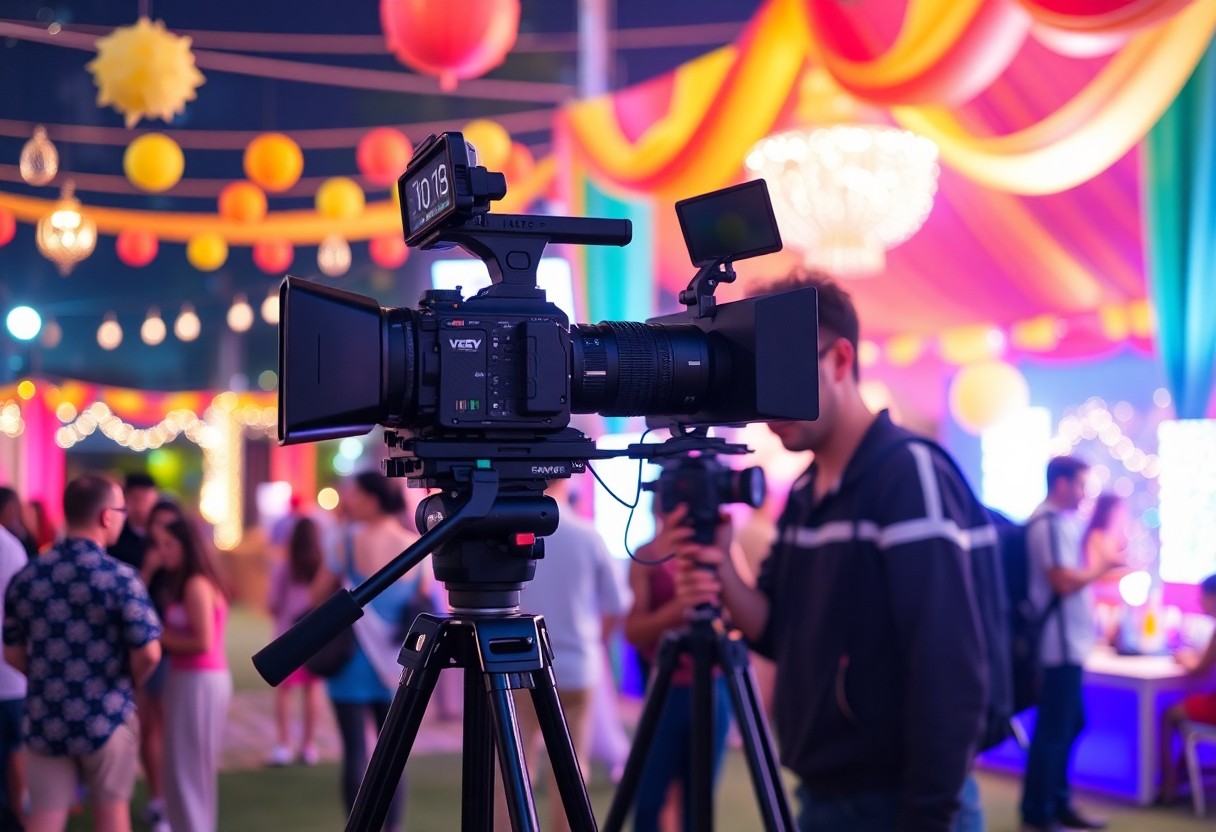
Over time, the art of event videography has evolved significantly, offering you opportunities to create captivating content that resonates with your audience. In this guide, you’ll discover necessary techniques to enhance your skills, from planning your shots to mastering camera movements. By following these quick how-to steps, you can turn ordinary events into visually stunning stories that leave a lasting impact. Get ready to elevate your videography to the next level!
Key Takeaways:
- Plan your shots in advance by creating a shot list that covers key moments of the event.
- Use multiple cameras to capture different angles and perspectives for a more dynamic final product.
- Utilize natural lighting when possible, but also bring portable lighting equipment for low-light situations.
- Engage with the audience and participants to capture authentic reactions and emotions during the event.
- Pay attention to audio quality, using external microphones to reduce background noise and enhance clarity.
- Edit footage thoughtfully, using pacing and transitions that reflect the energy of the event.
- Practice good organization by labeling and backing up your footage right after the event to streamline the editing process.
Capturing the Moment: Essential Gear for Dynamic Videography
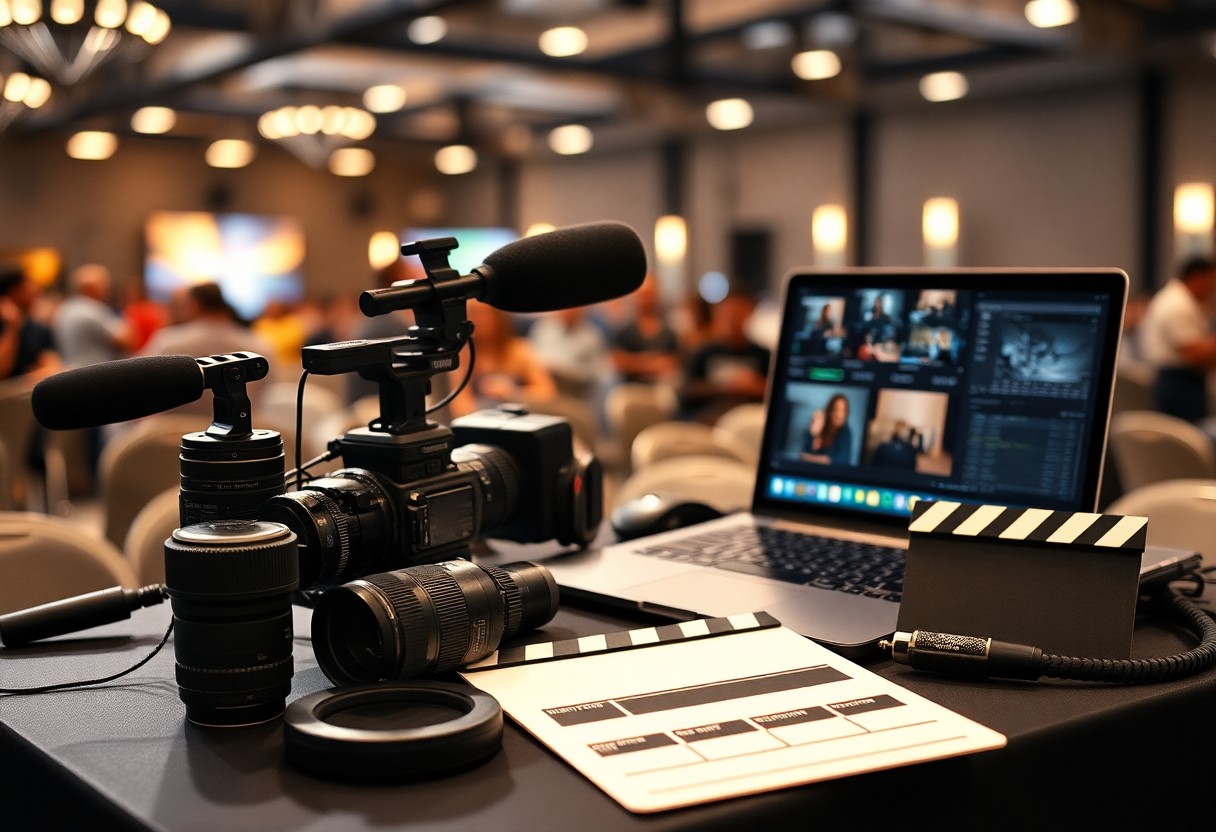
Your choice of gear plays a pivotal role in achieving stunning dynamic event videography. From cameras to lenses, the right equipment ensures you capture every critical moment with clarity and creativity. Investing in quality gear tailored to your specific needs will not only enhance your footage but also give you the flexibility to adapt to various shooting conditions during the event.
Camera Selection: Which Features Matter Most?
Selecting a camera involves considering features that enhance your shooting experience. Look for options with fast autofocus, high frame rates, and a robust low-light performance. These attributes allow you to quickly adapt to fast-paced environments, ensuring you don’t miss important moments. Additionally, a camera with interchangeable lenses can provide versatility, helping you switch perspectives easily during the event.
Accessories to Enhance Your Footage: Lenses, Stabilizers, and More
Your gear doesn’t stop at the camera; imperative accessories significantly elevate your videography. Wide-angle and telephoto lenses allow for diverse shots, while stabilizers like gimbals provide smooth, cinematic motion even in chaotic settings. Additionally, ND filters help manage exposure, perfect for shooting in bright daylight during outdoor events.
Using the right accessories can transform your footage from ordinary to extraordinary. For example, a good quality lens can make a vast difference in depth of field and sharpness, making your subject stand out beautifully against the background. Stabilizers, whether handheld or mounted, allow for fluid movement, creating professional-looking shots that are steady and visually appealing. Incorporating these elements not only enhances the quality of your video but also gives you the creative freedom to explore different angles and styles while capturing the event.
Mastering Techniques for Engaging Event Coverage
To elevate your event coverage, mastering a variety of techniques ensures your footage remains captivating and immersive. This involves understanding composition, utilizing diverse angles, and integrating movement to draw your audience in. Each element works together to create a visual narrative that resonates with viewers long after the event has ended.
The Art of Composition: Framing for Impact
Framing your shots effectively helps tell the story of your event while emphasizing key moments. Utilize the rule of thirds to create balanced and engaging compositions, placing focal points along the grid lines. Incorporate leading lines, depth, and negative space to enhance visual interest, drawing viewers’ eyes to the important elements of your footage.
Effective Use of Angles and Movement: Keep Your Audience Engaged
Experimenting with different camera angles can dramatically elevate your event footage. Use low-angle shots to depict subjects with a sense of grandeur, or high angles to provide context to the overall setting. Coupled with dynamic movement—think pans, tilts, and tracking shots—you create a visual rhythm that keeps your audience engaged throughout the entire event.
For instance, during a wedding, alternate between wide shots capturing the entire venue and close-ups of the couple exchanging vows. Incorporating movement, like following the bride as she walks down the aisle, enhances emotional impact and draws the audience closer to the experience. This technique fosters a more immersive viewing experience, making your audience feel like they are part of the action, not just passive observers. By combining angles and movement skillfully, your event coverage transforms into a compelling narrative that resonates long after the final reel rolls.
Creating Compelling Narratives: Storytelling through Video
Your videos should not just capture events, but tell stories that resonate with viewers. Integrating a narrative structure helps to guide your audience through the emotional highs and lows of the moment. Think of the key elements of storytelling: character, conflict, resolution. Exploit these components in your editing process to develop a captivating arc that engages your viewers from the opening shot to the finale, making your footage memorable and impactful.
Building a Connection: Understanding the Audience’s Journey
To truly connect with your audience, examine into their journey and experiences. Analyze who they are and what emotions they are likely to feel during the event. Use your video to encapsulate their excitement, nervousness, or joy by capturing candid moments that reflect these sentiments. This approach builds a deeper connection between the audience and the narrative you portray, leading to a more engaging viewing experience.
Transitions and Edits: Seamlessly Weaving Together Your Story
Smooth transitions and meticulous edits are imperative for maintaining the flow of your narrative. Avoid jarring cuts that may disrupt the viewer’s emotional engagement. Instead, explore creative transitions, such as fading, cross-dissolves, or match cuts, to enhance storytelling. By maintaining a consistent visual style and rhythm, you ensure the story unfolds naturally, allowing your audience to immerse themselves fully into the experience.
Investing time in refining your transitions can elevate your film from merely chronological footage to a cohesive narrative. Consider techniques like using sound bridges to link scenes—this auditory cue can seamlessly transport viewers from one moment to another without breaking the emotional continuity. Additionally, pacing your edits is vital; juxtaposing fast-paced sequences with slower moments can create a dynamic experience, making climactic moments stand out. Incorporating these techniques helps maintain audience engagement and ensures the story resonates long after the credits roll.
Post-Production Essentials: Crafting the Final Cut
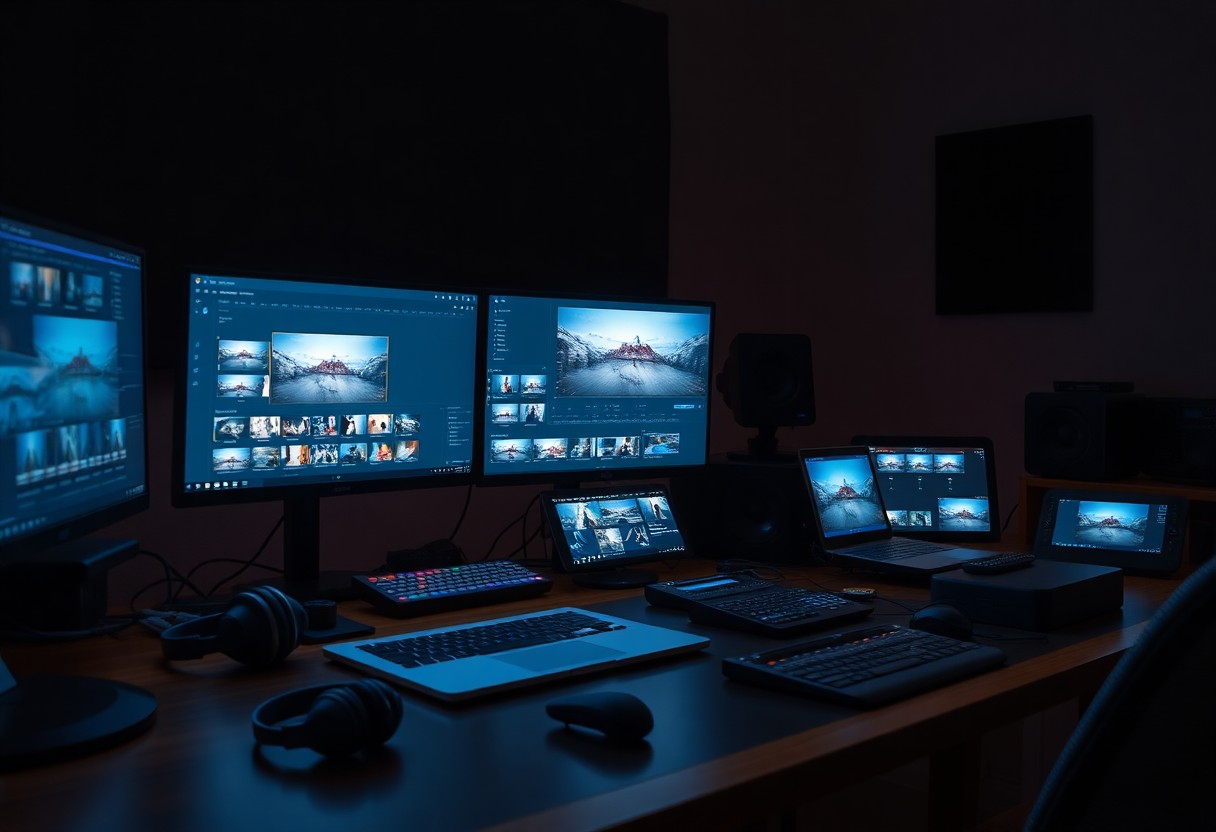
Post-production is where your dynamic event footage transforms into a polished final product. This phase allows you to select the best shots, balance color, and incorporate transitions that enhance the narrative flow. Taking the time to fine-tune your edits will not only highlight key moments but also ensure that the overall story resonates with your audience, leading to a captivating viewing experience.
Editing Software That Elevates Your Work: A Comparative Guide
| Software | Key Features |
|---|---|
| Adobe Premiere Pro | Robust editing tools, multi-camera editing, and extensive plug-in support. |
| Final Cut Pro | User-friendly interface, magnetic timeline, and excellent color grading options. |
| DaVinci Resolve | Powerful color correction capabilities, audio post-production tools, and free version available. |
Sound Design and Music: Enhancing Emotion and Impact
Integrating sound design and music into your final cut can elevate it from good to unforgettable. Choosing the right soundtrack and sound effects not only enhances the emotional undercurrent but also solidifies the pacing of your video. Create atmosphere and depth by syncing audio cues with critical visual moments. This engagement captivates viewers, drawing them deeper into the story you’re telling.
For instance, consider how a dramatic crescendo can intensify a pivotal moment, while subtle background sounds may set a reflective tone. Licensing high-quality music or exploring royalty-free tracks can provide options that fit perfectly with your narrative. By balancing audio elements—dialogue, music, and sound effects—you create a richer tapestry that enhances the viewer’s emotional experience and strengthens the impact of your storytelling.
Strategies for Delivering and Marketing Your Work
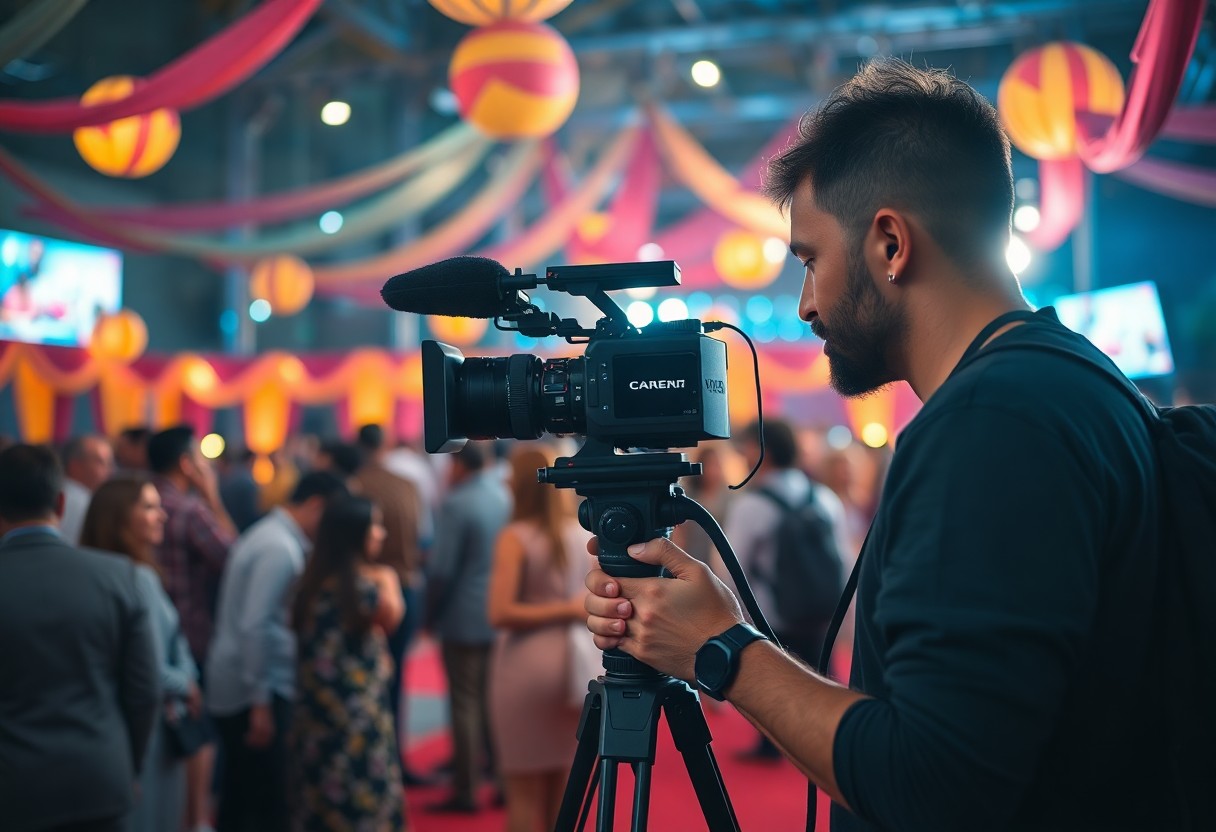
Delivering and marketing your dynamic event videography requires a strategic approach to ensure your work reaches the right audience. Focus on creating highlight reels that showcase your best footage, and tailor these previews for different platforms. Utilize engaging captions and calls-to-action to encourage potential clients to reach out for more information. Streamlined communication and efficient follow-ups can help build relationships, while a consistent online presence will establish your reputation in the industry.
Platforms for Sharing Your Video: Where to Showcase Your Talent
Identifying the right platforms to share your videos is vital for visibility and engagement. Utilize social media channels such as Instagram and Facebook for visually appealing snippets, while platforms like Vimeo and YouTube serve as excellent hosts for full-length videos. Don’t underestimate the power of niche websites or event-specific forums where your target clients seek videographers. Consistent posting and engagement will help you build an audience and establish credibility within your field.
Crafting a Personal Brand: Positioning Yourself as a Dynamic Videographer
Positioning yourself as a dynamic videographer hinges on building a strong personal brand that reflects your style and expertise. Create a cohesive visual identity across all your platforms, from your website to social media profiles. Curate a portfolio that highlights your unique perspective and skills, focusing on projects that embody your best work. Engaging storytelling in your videos, paired with a distinctive brand voice, will help you connect with potential clients and stand out in a competitive market.
Establishing a personal brand requires you to define your niche. Are you drawn to weddings, corporate events, or music festivals? Tailor your content to resonate with your target audience. Utilize testimonials and case studies from past clients to reinforce trust and reliability. Regularly update your portfolio and social media with fresh content to show your evolution and keep your audience engaged. Collaborating with other creatives or participating in community events can further increase visibility and strengthen your brand within the dynamic videography landscape.
Final Words
With this in mind, as you begin on your dynamic event videography journey, focus on planning meticulously, using quality gear, and mastering the art of storytelling through visuals. Engage with your subjects and be adaptable to the energy of the event, ensuring you capture those spontaneous moments that bring your footage to life. Lastly, devote time to thoughtful editing and sound design to elevate your work. By following these quick how-to steps, you’ll create compelling narratives that resonate with your audience and leave a lasting impression.
FAQ
Q: What equipment is crucial for dynamic event videography?
A: For dynamic event videography, you’ll need a reliable camera that offers good low-light performance, a variety of lenses for different scenarios, a tripod or gimbal for stability, and external microphones for clear audio. Additionally, having backup batteries, memory cards, and a laptop for quick editing is beneficial.
Q: How do I prepare for shooting an event?
A: Preparation begins with thorough research of the event. Familiarize yourself with the schedule, key speakers or performers, and unique aspects to focus on. Create a shot list that includes must-have moments, scout the location if possible, and ensure your equipment is in working order. Engaging with the event organizers can provide valuable insights for capturing memorable footage.
Q: What techniques can enhance the storytelling aspect of my footage?
A: To enhance storytelling, utilize a mix of wide shots, medium shots, and close-ups to establish context and convey emotions. Incorporating b-roll footage, such as audience reactions and behind-the-scenes moments, can also add depth. Using natural sound and thoughtfully chosen music during editing helps to further evoke the event’s atmosphere and narrative.
Q: How can I effectively capture audio during the event?
A: For capturing audio effectively, utilize lavalier microphones on speakers or performers to ensure clarity. Including shotgun microphones for ambient sound can enhance the overall audio experience. If feasible, consider recording audio separately with a portable recorder for extra quality, and always monitor the audio levels during the event to avoid distortion.
Q: What editing strategies can I use to create engaging final videos?
A: When editing, focus on creating a narrative flow by arranging clips to highlight key moments sequentially. Use transitions to maintain a smooth visual rhythm and incorporate music that matches the event’s tone. Color grading can enhance the mood, while graphics and text overlays can clarify context. Finally, keep the video concise to hold the viewer’s attention and deliver a memorable viewing experience.

Leave a Reply
You must be logged in to post a comment.