

Nuances in landscape photography can profoundly influence the emotional impact of your images. As you begin your journey in this captivating field, it’s imperative to pay close attention to details such as light quality, composition, and subtle changes in your environment. Observing these elements not only enhances your technical skills but also deepens your connection to the landscapes you capture. In this post, we’ll explore into the subtle nuances that can elevate your landscape photography from ordinary to extraordinary.
The Power of Light: Timing Your Shots
Mastering the timing of your shots can dramatically enhance the quality of your landscape photography. Light changes throughout the day, affecting the mood, color, and texture of your scenes. Early mornings and late afternoons offer the most favorable lighting conditions, where shadows are softer, and colors are more vibrant, creating a dynamic range that showcases the landscape at its best.
Golden Hours: Capturing Nature’s Palette
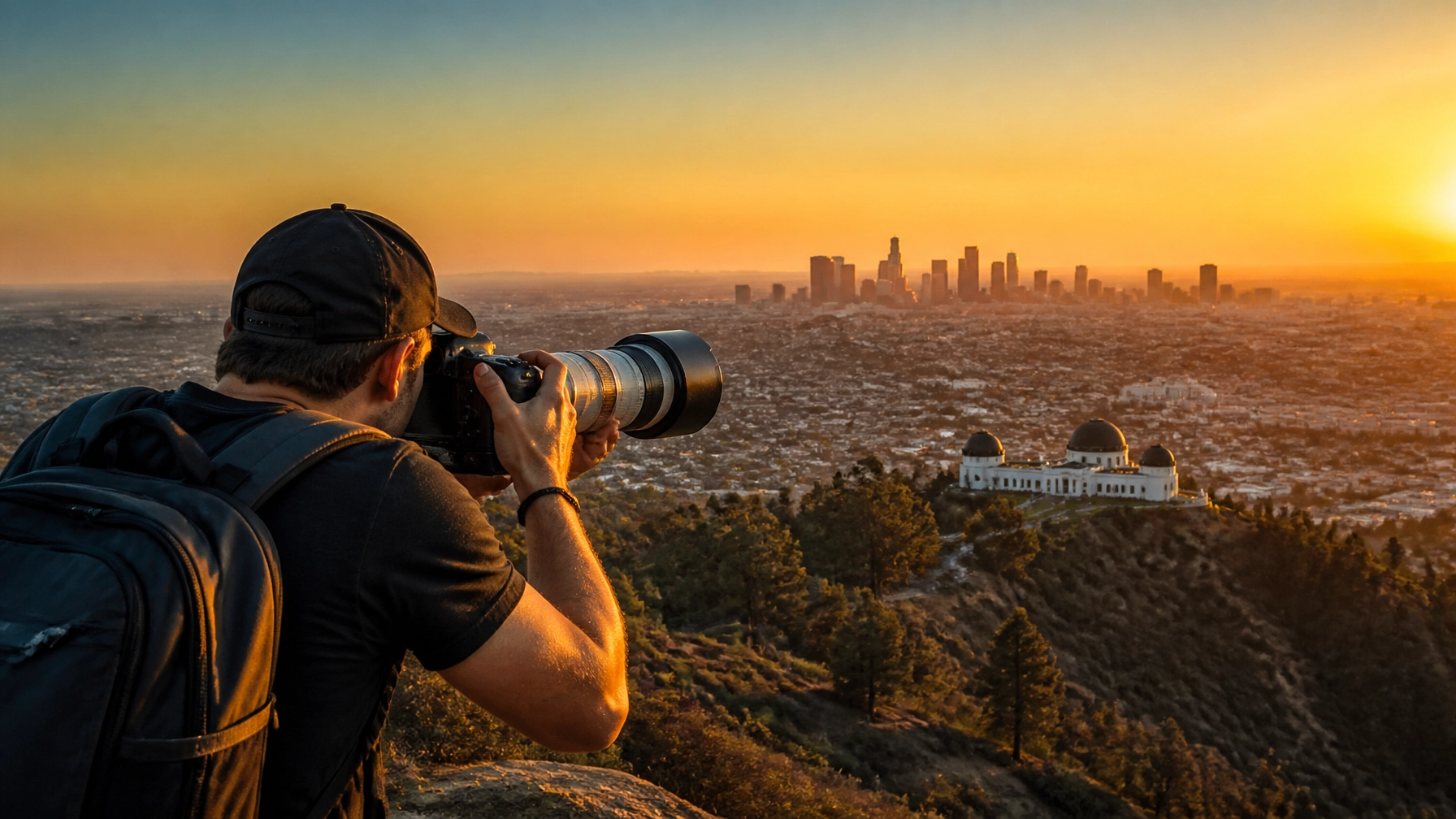
The golden hour, occurring shortly after sunrise and before sunset, bathes landscapes in a warm, rich glow. During this time, soft light accentuates details and creates compelling contrasts that draw your viewer’s eye. The Earth’s atmosphere further enriches the colors, often resulting in breathtaking skies awash with oranges, pinks, and yellows, perfect for capturing stunning natural scenes.
Understanding Weather Conditions and Their Impact
Weather can dramatically shape your landscape photography experience, influencing everything from light quality to atmospheric mood. Overcast skies softening harsh sunlight can provide diffused light ideal for capturing textures, while stormy conditions can evoke a sense of drama and intensity. Pay attention to weather patterns; for instance, fog can add an ethereal quality, turning a mundane scene into a captivating image.
Delving deeper into weather’s role, realizing how clouds can enhance depth in your photos gives you a tool for creativity. During stormy days, watch for breaks in clouds lighting up the horizon. They act both as a canvas and a filter, blending various light sources to create unique compositions. Likewise, rain can refresh landscapes, making colors appear more vivid while lending a reflective quality to surfaces. Observing changing weather conditions can lead to truly unique and evocative photographs, as nature presents endless opportunities for stunning shots depending on your readiness to adapt to the moment.
Composition Techniques: Framing Your Scene
Every element within a landscape contributes to the overall story in your photograph. Mastering composition techniques allows you to frame your scene in a way that draws the viewer in, creates interest, and communicates the essence of the landscape. By focusing on aspects such as balance, symmetry, and perspective, you can elevate your images from mere snapshots to evocative works of art.
The Rule of Thirds: A Guide to Balance
Applying the Rule of Thirds can significantly enhance the balance of your shots. Imagine dividing your frame into three equal horizontal and vertical sections. Position key elements along these lines or at their intersections to create a more dynamic composition. For example, placing the horizon on the top third rather than the center allows for a more engaging landscape, drawing the viewer’s eye naturally through the image.
Leading Lines: Directing Viewer Attention
Leading lines are powerful tools in landscape photography. By incorporating natural lines—like pathways, rivers, or mountain ridges—you create a visual journey that guides the viewer’s gaze towards the focal point of your image. This technique not only enhances depth but also establishes a connection between the foreground and background, creating a comprehensive narrative within your photograph.
Utilizing leading lines effectively requires you to be attentive to the environment around you. For instance, a winding road can create a sense of movement and draw attention to a distant mountain peak, while a river can lead the eye through a lush valley. Identify these lines before composing your shot, allowing the viewer’s gaze to flow naturally. Experiment with angles; a lower perspective might accentuate leading lines, adding depth and complexity. The goal is to keep viewers engaged, drawing them into the landscape and inviting them on an adventure through your lens.
Color Psychology: Evoking Emotion Through Palette
Your choice of color in landscape photography can greatly influence the emotional response of viewers. Warm colors can evoke feelings of energy and happiness, while cool colors often convey calmness and tranquility. Understanding the psychological impact of color allows you to intentionally create photographs that resonate on a deeper level, reflecting the mood and atmosphere of the scene you are capturing.
The Influence of Color Harmonies
Seasonal Colors: Transformations in the Landscape
Depth gives your landscape images a sense of three-dimensionality, inviting viewers to explore every layer of the scene. By effectively incorporating depth, you can transform a flat image into a visually engaging experience. Techniques such as layering and utilizing foreground, midground, and background elements allow your photographs to exhibit dimension, making them more immersive. Understanding how to manipulate perspective is key to capturing extraordinary landscapes that resonate with viewers.
Foreground, Midground, and Background Elements
Incorporating elements from the foreground, midground, and background not only adds depth but also guides the viewer’s eye through the image. Placing interesting subjects in the foreground can anchor the scene, while midground elements create additional layers. Background components—like mountains or clouds—help establish context and scale. Aim for a balanced distribution of these layers to enhance the overall composition and invite exploration within the frame.
Techniques to Enhance Perspective in Landscapes
To enhance perspective in your landscape photography, consider using leading lines, varying focal lengths, and the choice of vantage point. These techniques create a visual path that draws the viewer deeper into the image. Positioning your camera low to the ground can bring a sense of intimacy and foreground interest, while shooting from a high vantage point offers wide vistas that showcase depth. Experimenting with these methods allows for greater engagement with the subject matter.
Leading lines, like paths, rivers, or fences, effectively direct the eye toward the horizon and create an illusion of depth. A wide-angle lens can exaggerate the distance between foreground and background elements, enhancing the three-dimensionality of your landscape. Additionally, using a shallow depth of field selectively isolates subjects, while increasing sharpness throughout the frame emphasizes expansive scenes. By mastering these techniques, you will elevate your landscapes from mere snapshots to immersive visual narratives.
Equipment Choices: Understanding Your Gear
Your choice of equipment plays a significant role in capturing stunning landscape photographs. Investing in a reliable camera that suits your needs is the first step, but understanding how to utilize it will enhance your results. Familiarize yourself with settings, like aperture and shutter speed, to better control your images. Additionally, ensuring you have the right accessories can further elevate your photography experience, lending to more adaptability in varying conditions.
Lenses: The Role of Focal Length in Landscape Photography
Your choice of lens directly affects the composition and mood of your landscape shots. Wide-angle lenses, typically ranging from 16mm to 35mm, excel at capturing expansive vistas, while telephoto lenses, from 70mm and above, allow for isolating distant subjects. Choosing the appropriate focal length empowers you to convey depth and perspective, making even everyday scenes appear dramatically gorgeous.
Filters and Tripods: Tools for Optimal Results
Incorporating filters and tripods into your kit can significantly enhance your photographic outcomes, especially in challenging lighting conditions. Neutral density filters enable you to manage exposure and achieve longer shutter speeds, creating stunning effects like silky waterfalls. Tripods provide stability, ensuring sharp images, particularly during low-light scenarios or with long exposures.
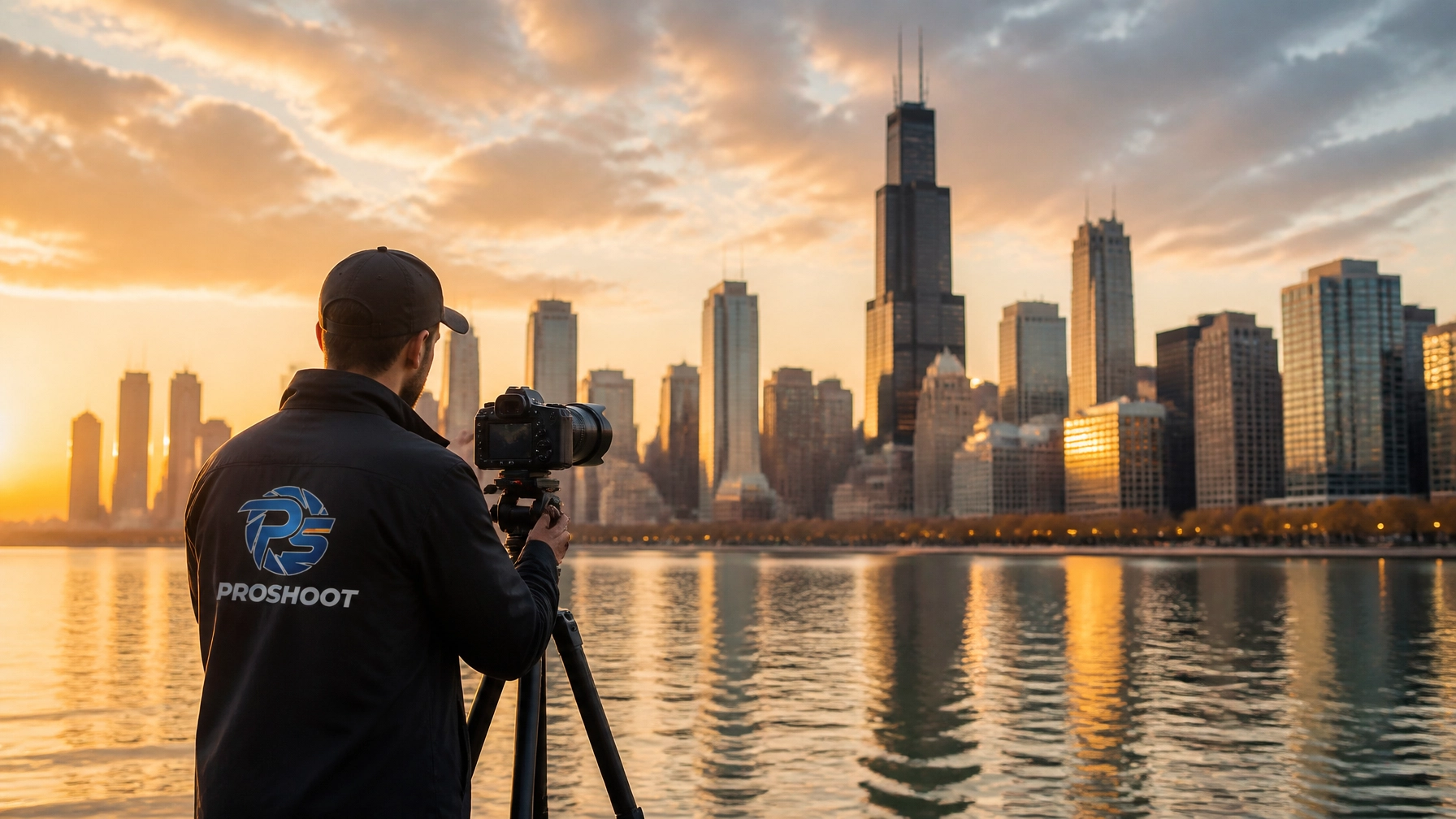
Using a tripod also allows you to compose shots more meticulously, giving you the ability to adjust framing without the worry of camera shake. A sturdy tripod becomes indispensable during golden hour when the light is softer and shadows become elongated. Additionally, polarizing filters help reduce glare on water surfaces and saturate colors, making foliage richer and skies deeper. With these tools, you’re equipped to tackle a variety of landscapes and achieve professional-quality results consistently.
Conclusion
Presently, as you begin on your landscape photography journey, focus on the subtle nuances that can greatly enhance your images. Pay attention to the changing light, the interplay between foreground and background, and the elements of composition like leading lines and framing. Embrace the mood that weather conditions can bring, and experiment with different perspectives to create depth. By honing in on these details, you will develop a keen eye for capturing landscapes that resonate and inspire.




Leave a Reply
You must be logged in to post a comment.