

Just because you’re working with a budget photographer doesn’t mean you have to compromise on your creative vision. In this guide, you will learn effective strategies to negotiate terms that keep your artistic goals intact while staying within your financial constraints. By utilizing clear communication and understanding the photographer’s perspective, you can foster a collaborative environment that meets both your needs and theirs. Get ready to turn your photography dreams into a reality without breaking the bank!
Decoding the Photographer’s Pricing Strategy
Understanding a photographer’s pricing strategy can help you navigate costs more effectively. It’s important to examine how their rates reflect the level of service and experience they offer. Pricing may vary significantly based on numerous factors, but once you identify these, negotiating becomes more straightforward.
Factors Influencing Photographer Fees
Several elements play a key role in determining a photographer’s fees. These factors include:
- Experience and reputation
- Location and travel expenses
- Type of photography (weddings, portraits, events)
- Equipment and software investment
- Post-processing time and skills
Knowing these elements can guide your conversations and help you find common ground in negotiations.
Understanding the Value of Creative Work
Creative work is often undervalued, but recognizing its true worth is important. Photographers invest significant time perfecting their craft, often taking years to develop their skills. Each photo captures a moment and tells a story, reflecting the photographer’s unique artistic vision. Moreover, the time spent in pre- and post-production significantly contributes to their overall service. A cheap photographer may cut corners in these areas, resulting in subpar outcomes that don’t align with your vision. Thus, looking beyond the price tag to assess the value a photographer brings to your project is critical.
Setting the Stage for a Successful Negotiation
Before venturing into the negotiation, creating a positive environment can significantly impact the outcome. Approach the photographer with a friendly demeanor and openness. Establish rapport by expressing genuine interest in their work, understanding their perspective, and ensuring they feel respected. This sets a collaborative tone, making it easier to find common ground in the negotiation process. A supportive atmosphere encourages both parties to work toward a mutually beneficial agreement without the stress of confrontation.
Establishing Your Vision and Priorities
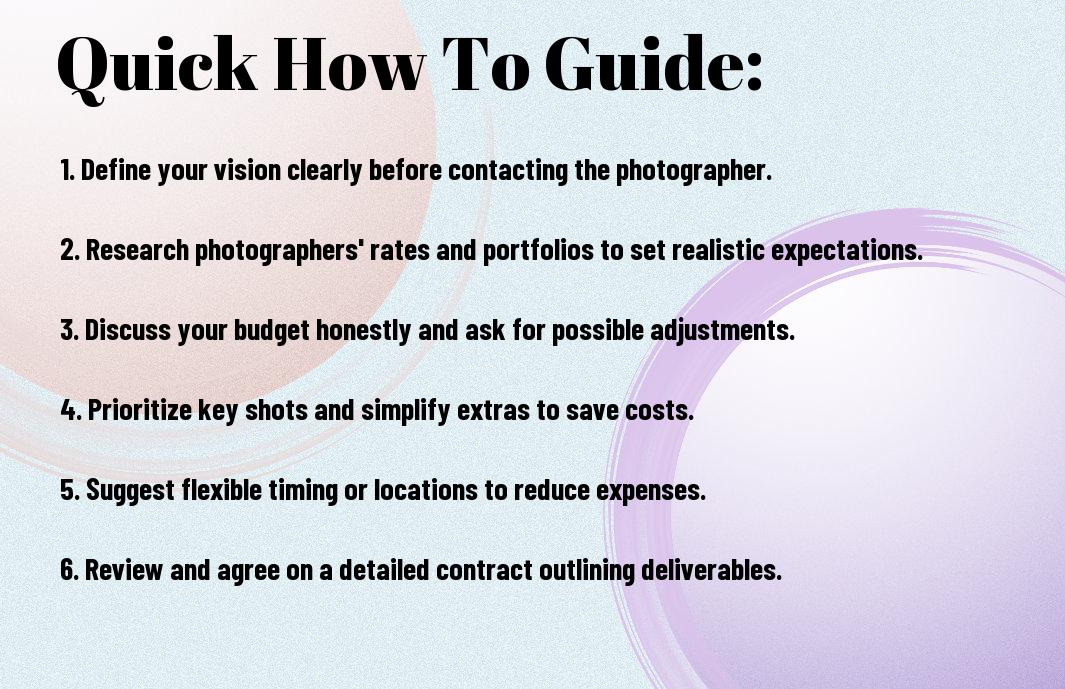
Clearly define your vision and priorities before entering negotiations. Develop a concise list of must-haves and flexible options for your project. For example, if you’re seeking unique shots that capture specific moments, prioritize those elements. By having a clear understanding of what’s imperative to your vision, you can better communicate your needs and determine where you can make concessions during discussions, streamlining the process and increasing the likelihood of a successful outcome.
Preparing a Negotiation Script
Drafting a negotiation script can be a game-changer in setting clear expectations. Outline the key points you want to discuss, including your budget, desired outcomes, and any specific styles or concepts you envision. Practicing your script helps you articulate your needs confidently and can reduce anxiety when discussing sensitive topics like price. Consider incorporating potential compromises that can benefit both you and the photographer, such as adjusting timings or offering exposure in exchange for reduced rates. This preparation will enable you to navigate the conversation smoothly, increasing the chances of aligning both your visions.
Leveraging Value Without Breaking the Bank
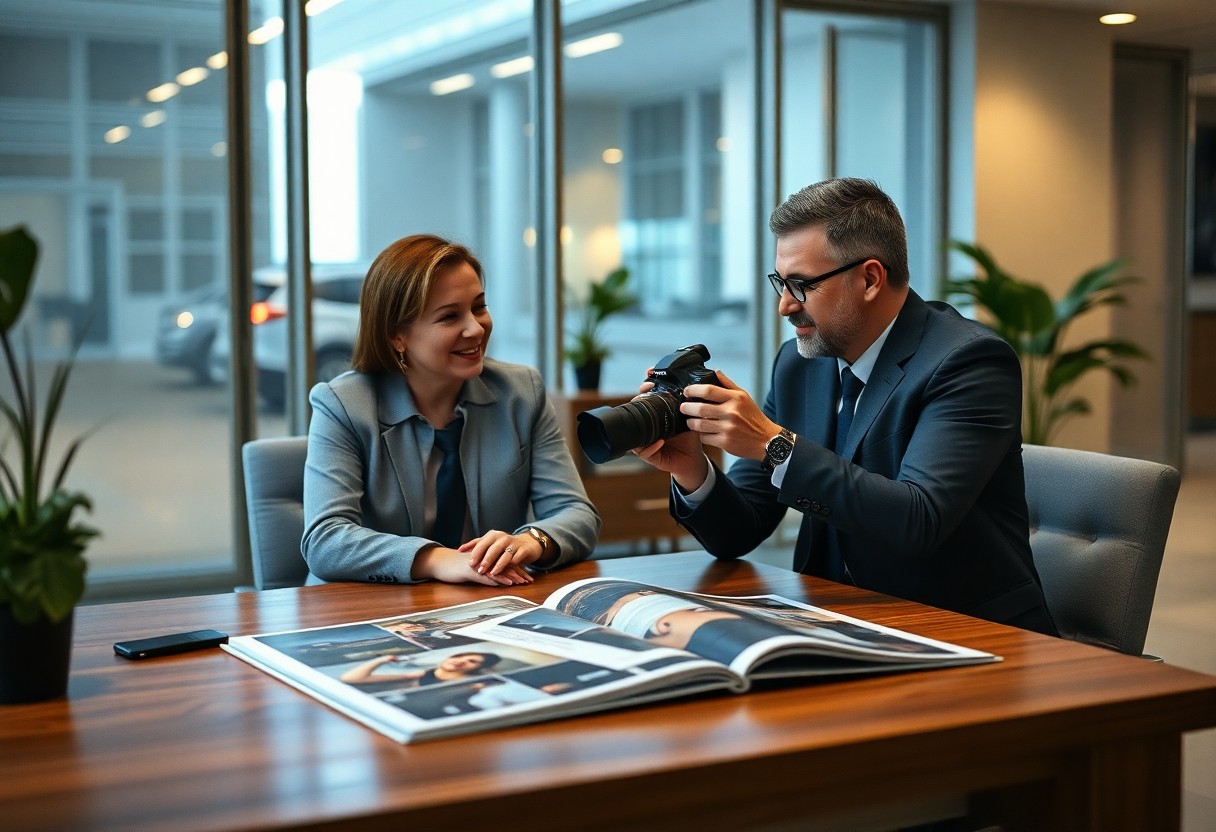
Finding ways to offer value without stretching your budget can greatly enhance your negotiation stance. Consider the benefits you can provide to the photographer in exchange for their services. This might include features like promoting their work on your social media platforms, introducing them to your network, or even providing a beautifully designed portfolio page showcasing their work—all while saving you money. This approach fosters a mutually beneficial relationship and demonstrates your commitment to promoting their craft without compromising your financial limits.
Trade-Offs: What Can You Offer Instead of Money?
Instead of relying solely on cash, explore creative trade-offs that might appeal to the photographer. You could offer social media shout-outs, referrals to potential clients, or contribute to their portfolio with unique projects. Highlighting these alternatives can relieve budget constraints while enhancing your value in the negotiation process.
Highlighting Unique Opportunities for the Photographer
Presenting unique opportunities that align with the photographer’s interests can make your proposal more appealing. For instance, if you have access to an exclusive venue or a one-of-a-kind event, emphasize how these opportunities can showcase their work to a larger audience. Also, if the project has a particular theme or concept that fits their portfolio, outline how collaborating on your vision might attract further inquiries for their services.
Offering unique opportunities strengthens your position by making the photographer realize the potential for exposure and new clientele through your collaboration. Tailor your pitch around exciting concepts such as themed shoots or collaborations with other local artists, providing leverage for both parties. This approach not only enriches their portfolio but also helps to build a lasting professional relationship that can lead to future projects—a win-win situation without the financial burden.
Navigating Budget Conversations with Confidence
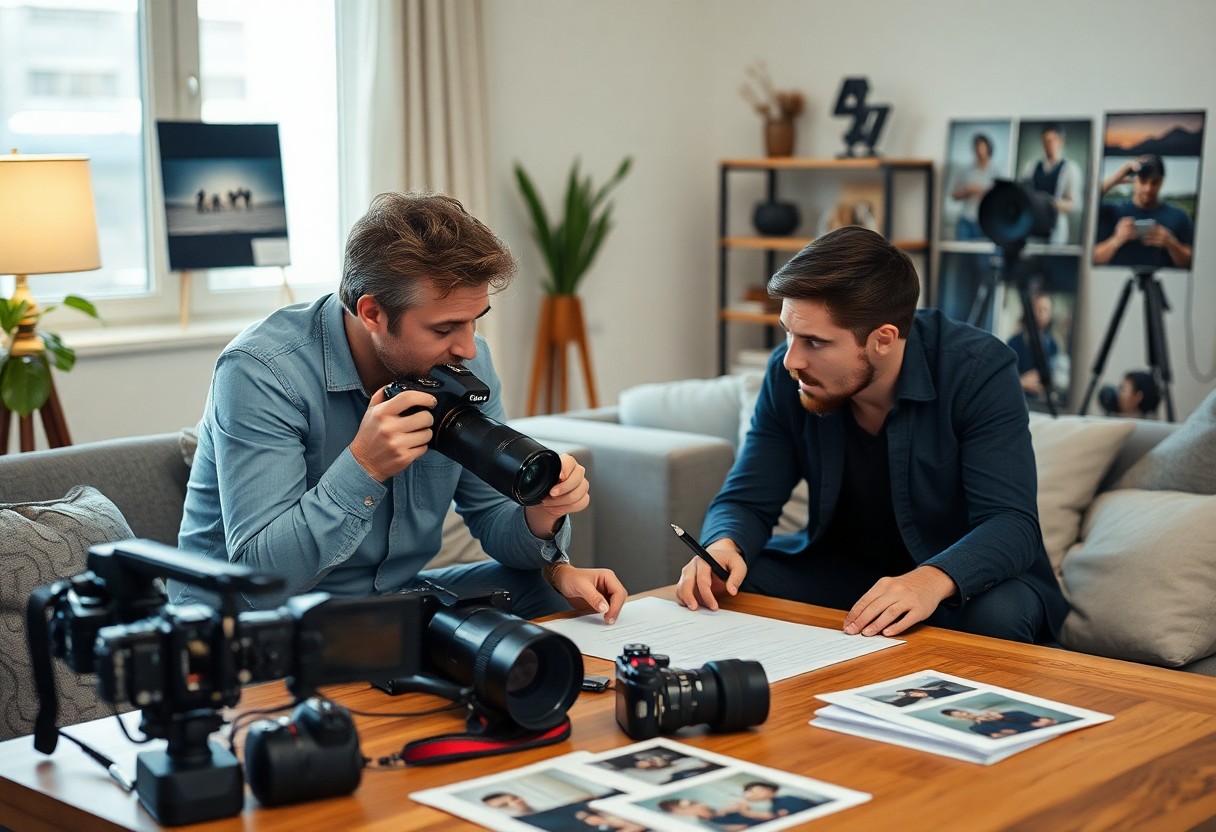
Having open conversations about budget doesn’t have to feel daunting. Approach discussions with a collaborative mindset, focusing on creating a partnership rather than an agreement set in stone. Start by clearly expressing what you envision for your project and what you’re willing to invest. This sets the stage for a productive dialogue where both parties are focused on shared goals and creative solutions that align with your vision while respecting fiscal boundaries.
Communicating Your Budget Openly and Respectfully
Being upfront about your budget helps establish trust and transparency. Share your financial constraints early in the conversation, allowing the photographer to gauge their flexibility in accommodating your needs. Articulating your budget clearly also opens the door for the photographer to offer tailored packages or alternatives that suit your requirements while respecting the limits you’ve set.
Employing Strategic Questions to Engage
Asking the right questions can guide the conversation towards mutually beneficial outcomes. Inquire about their pricing structure, what factors influence their rates, and if there are smaller packages available that fit your budget. Questions like “What options do you offer for couples on a tighter budget?” can foster a dialogue that uncovers creative solutions tailored to your needs.
Strategic questions allow you to not only understand pricing better but also to establish a collaborative atmosphere. By seeking their insights on how to optimize your budget, you invite the photographer to think creatively about your project. For instance, asking, “What adjustments to the package could enhance the overall outcome while keeping costs manageable?” can stimulate responses that align with your objectives, revealing their willingness to adapt. Such inquiries create partnerships rooted in respect and understanding, paving the way for successful negotiations without compromising on your vision.

Fine-Tuning Your Agreement to Keep Vision Intact
Finessing the details of your agreement can preserve the essence of your vision while accommodating your photographer’s budget constraints. Be transparent about your creative expectations and negotiate elements that matter most to you, such as the style of photography, specific shots you need, and the overall artistic direction. This clarity will help ensure the final product aligns with your vision while keeping costs manageable.
Clearly Defining Deliverables and Expectations
Outline precisely what you expect from your photographer, including the number of edited photos, the turnaround time, and any specific formats or image quality you require. This level of detail prevents misunderstandings and can help ensure that your artistic vision remains a priority throughout the shooting and editing process.
Ensuring Creative Control While Compromising on Costs
Maintaining creative control often involves negotiating specific aspects of the shoot, such as location or themes, that align closely with your vision. For example, suggest alternative settings that may not require expensive permits while still offering the desired aesthetic. This approach not only reduces costs but also empowers you to infuse your style into the final product.
Offering the photographer your vision board or mood board can help guide their creative decisions, while allowing you to retain significant input on the shoot’s direction. By sharing references and setting benchmarks based on successful projects that resonate with your aesthetic, you can strike a balance between their professional style and your unique needs. Establish this collaborative approach early in the negotiation to ensure you both feel invested in the process, thereby maximizing the final outcome without inflating your budget.
Final Words
Upon reflecting on your negotiation tactics with a budget-conscious photographer, it’s imperative to maintain clarity about your vision while being open to creative solutions. By setting clear expectations, being transparent about your budget, and prioritizing the most critical elements of your project, you can foster a collaborative environment that benefits both you and the photographer. Your openness can lead to innovative compromises that enhance your project without overspending. Ultimately, effective communication will empower you to achieve the desired outcome while valuing the photographer’s expertise.


Leave a Reply
You must be logged in to post a comment.