
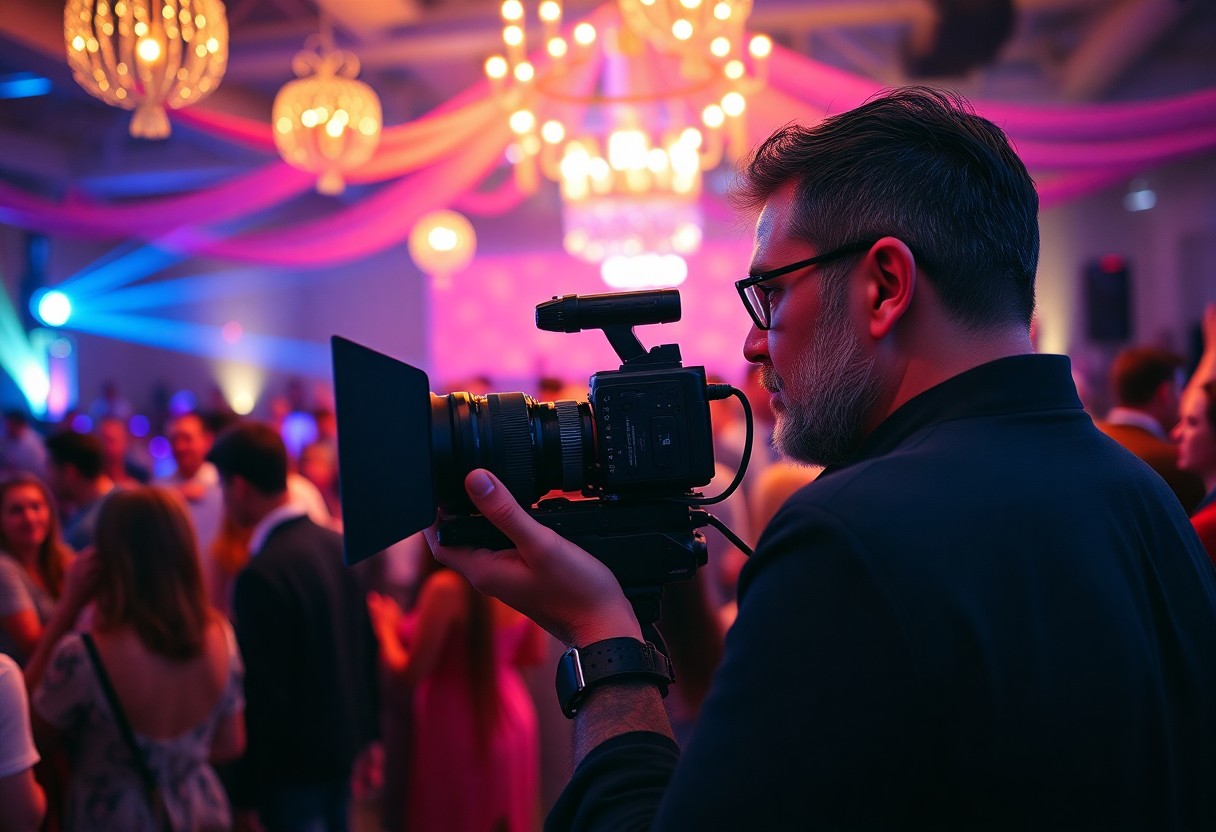
You are stepping into the dynamic world of event photography, where capturing fleeting moments requires both skill and a keen eye. Mastering this art involves understanding various aspects such as lighting, composition, and the ability to anticipate key moments. Whether it’s a wedding, corporate function, or a social gathering, your approach can make all the difference. This post will guide you through vital strategies and techniques that will elevate your event photography and ensure you capture memories that resonate with your audience.
The Art of Pre-Event Preparation
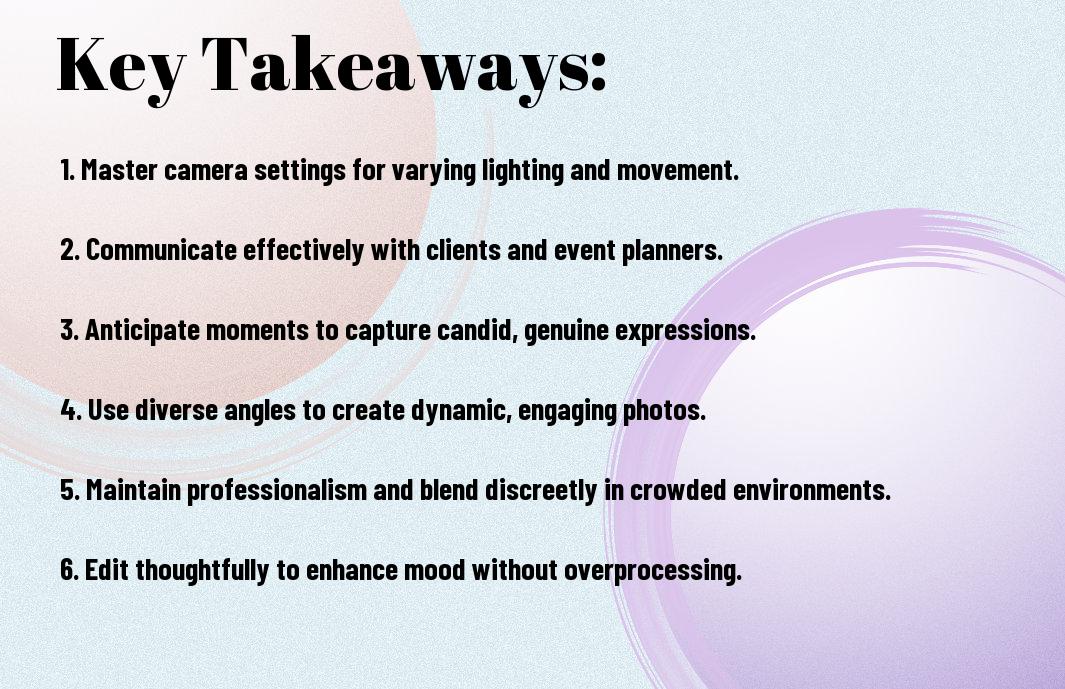
Mastering event photography begins long before the day of the event. Adequate pre-event preparation sets the stage for success, allowing you to anticipate challenges and capture key elements effortlessly. This phase encompasses understanding the event’s agenda, scouting locations, and preparing your equipment. Additionally, a clear plan for the shots you intend to capture, combined with an awareness of potential lighting conditions, will create a foundation for stunning visuals.
Researching the Event’s Context and Theme
Diving into the event’s context and theme equips you with the knowledge to tailor your photography approach. Whether it’s a corporate gala, wedding, or an arts festival, understanding the overarching narrative allows you to capture moments that resonate with the audience’s experience. Explore the event’s purpose, audience expectations, and visual elements that should be highlighted.
Establishing Clear Communication with Event Organizers
Your relationship with event organizers directly influences the quality of your work. Open communication helps clarify expectations, desired shots, and timing, which is necessary for success. Ensure you discuss the schedule, key moments, and any particular requests regarding style or content. The more aligned you are with their vision, the better you can fulfill their photographic needs.
Building a robust dialogue with the event organizers sets the groundwork for a successful collaboration. Prior to the event, schedule a meeting or a phone call to research into specifics such as key speakers, VIP guests, and potential challenges—like venue restrictions or the flow of the program. Encourage the organizers to share their vision, which can spark valuable ideas and help you design a shot list that meets expectations. This proactive approach not only solidifies your role but also positions you as a trusted partner invested in the event’s success.
Mastering the Technical Aspects of Photography
Expertise in event photography hinges on mastering technical skills that are vital for capturing high-quality images in dynamic environments. Familiarize yourself with your camera settings, including aperture, shutter speed, and ISO, as these elements allow you to adapt to different lighting conditions and fast-paced moments. Regular practice and experimentation with various settings will make you confident and proficient, ensuring you never miss a pivotal moment.
Essential Gear for Event Photographers
Your camera and lenses form the backbone of your event photography kit. A versatile zoom lens (like a 24-70mm f/2.8) ensures you can capture everything from wide venue shots to close-ups of attendees. Additionally, consider using a sturdy tripod for stability during low-light situations, along with extra batteries and memory cards to avoid interruptions during the event.
Understanding Lighting Scenarios in Diverse Settings
Each event will present a unique lighting challenge, from dimly lit banquet halls to bright outdoor celebrations. Familiarize yourself with both ambient and artificial lighting, as mixing these sources can affect your final images dramatically. Practice shooting in different scenarios to understand how natural light fluctuates throughout the day and plan your shots accordingly to make the most out of available light.
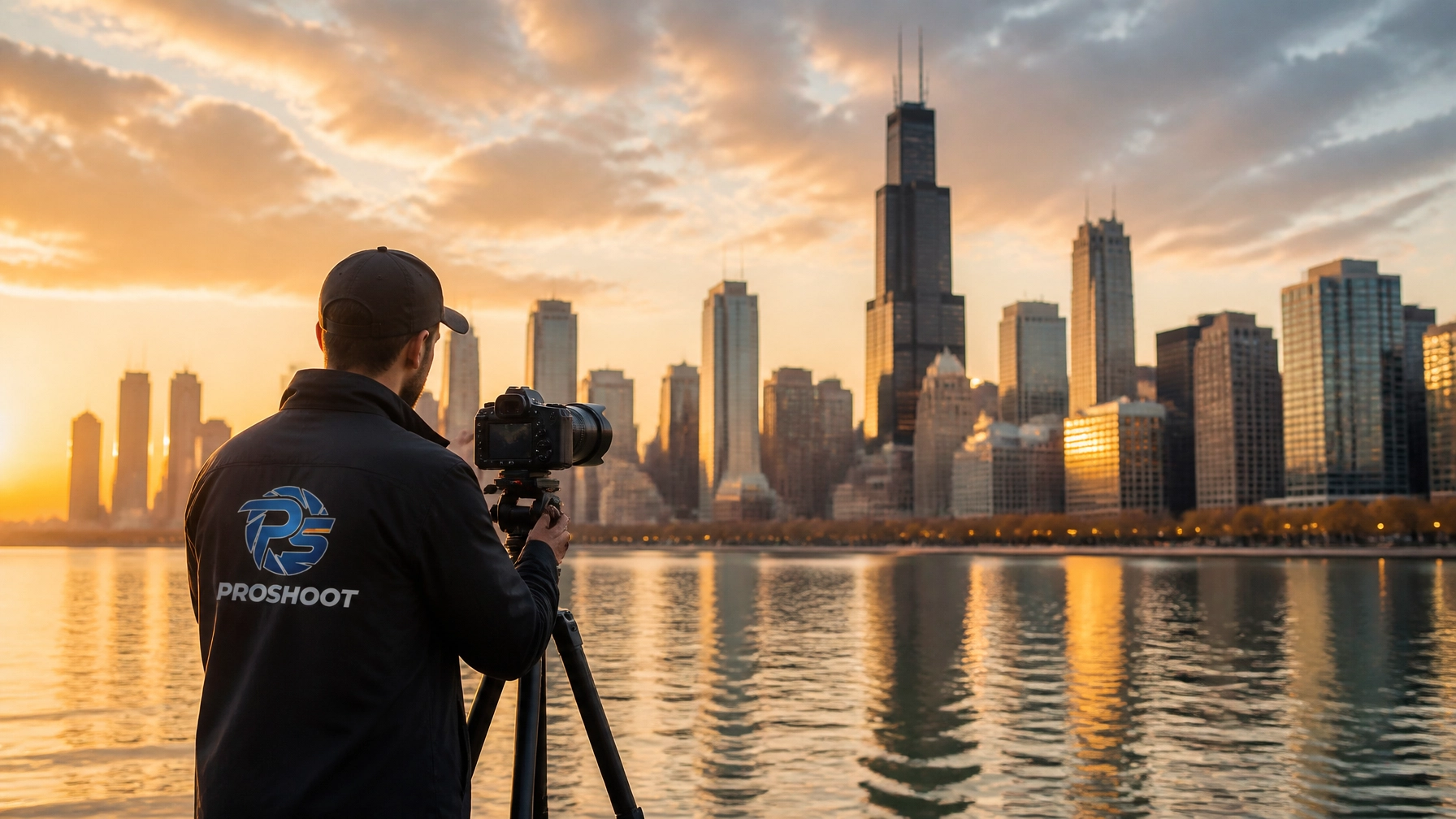
Learning to adapt to varying lighting conditions enhances your ability to capture the atmosphere of an event. For instance, during an indoor ceremony, you may find yourself contending with harsh overhead lights and shadows. Utilize your camera’s manual settings to balance exposure and prevent blown-out highlights. Outdoor events bring their own set of challenges, with changing weather conditions and the sun’s position affecting light quality. Experimenting with backlighting during sunset can yield dramatic portraits, while utilizing reflectors or flash can help balance shadows during midday events. Ultimately, knowledge of how lighting interacts with your subjects will elevate your photography, creating stunning images that evoke the essence of the event.
Capturing Authentic Moments with Skill
Authenticity in your photographs elevates the storytelling aspect of event photography. Genuine moments resonate not only with the subjects involved but also with viewers. To achieve this, you need to be present and engaged, blending into the background to catch emotional exchanges, candid smiles, and unscripted interactions. The subtlety of an unguarded moment can convey deeper narratives than posed shots, making your work more compelling and relatable.
Techniques for Candid Photography
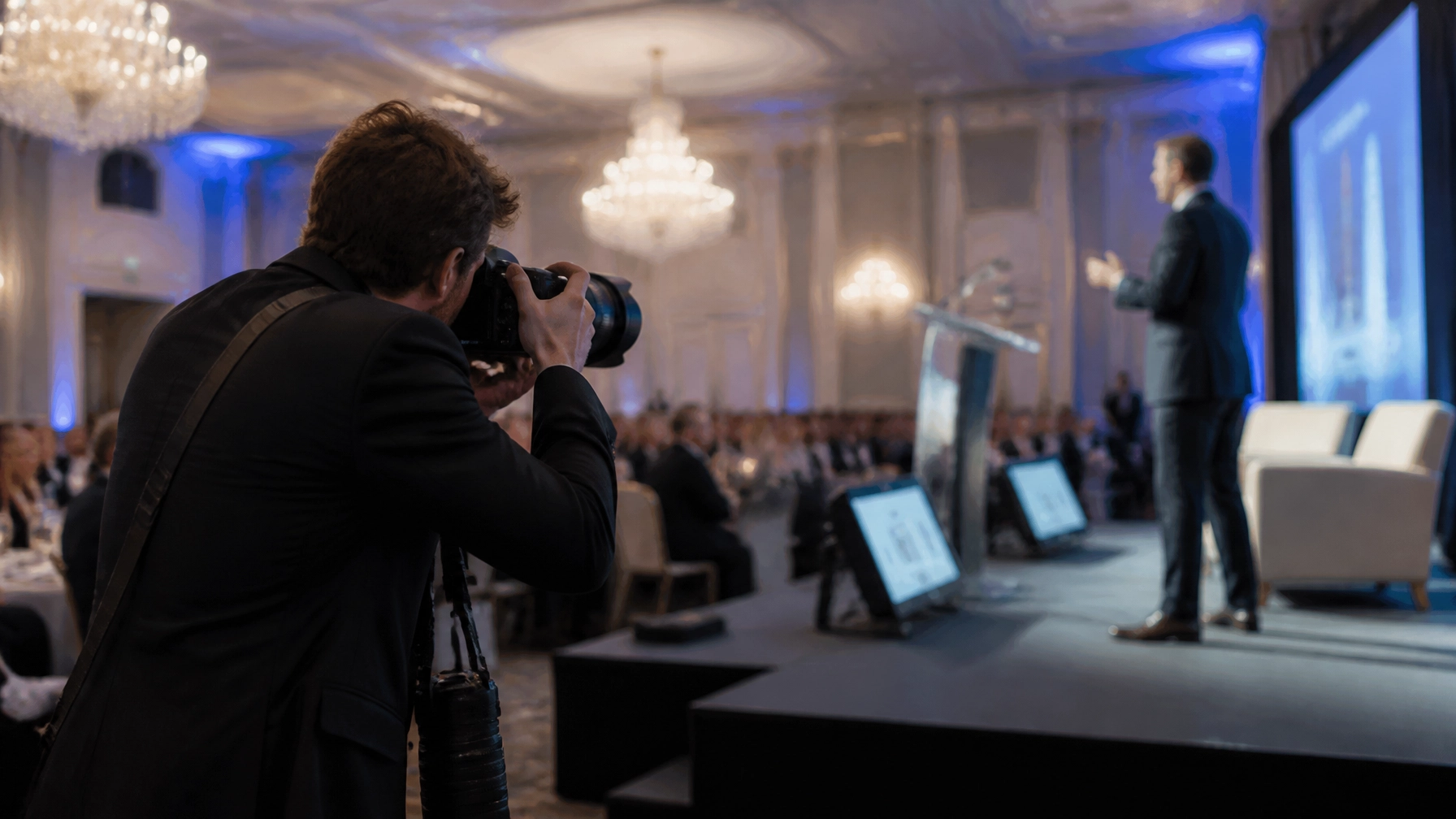
Utilizing techniques for candid photography involves several strategies designed to help you remain unobtrusive while capturing the essence of the event. Positioning yourself where the action is likely to unfold allows you to anticipate moments as they happen. Use a long lens to get tighter shots from a distance, and maintain a low profile to avoid interrupting natural interactions. Engaging with your environment—such as focusing on small details or background interactions—can also encapsulate the event atmosphere, lending authenticity to your images.
The Importance of Timing and Anticipation
Timing and anticipation serve as the backbone of successful event photography. Understanding the flow of the event allows you to anticipate pivotal moments that might otherwise go unnoticed. Keeping an eye on key subjects, such as speakers or honorees, you can better predict when emotions will peak, enabling you to capture the vital expressions and interactions that define the event’s narrative. An informed understanding of the schedule, combined with a keen sense of observation, can transform fleeting moments into lasting memories.
For instance, at a wedding, the instant a bride sees her bouquet or a groom’s reaction during the vows often encapsulates poignant emotions. By planning carefully and immersing yourself in the event, you understand when those defining moments occur. Preparing for the unexpected—whether it’s an impromptu dance or a heartfelt speech—also strengthens your ability to freeze those fleeting instances in time. Investing in this anticipatory mindset reinforces the artistry of your work while delivering a captivating collection that tells the story of the day.
Navigating Social Dynamics and Interactions
Successfully capturing candid moments at events relies significantly on your ability to navigate the social dynamics at play. Engaging with guests and attendees not only allows you to blend into the atmosphere but also opens doors to spontaneous opportunities. An intuitive understanding of group interactions and the emotional undertones of social situations will lead to more authentic representations of the event. Keep your camera ready, but also remain attuned to the conversations around you; the right shot often appears in the unanticipated exchanges between people.
Building Rapport with Guests and Attendees
Taking the time to establish rapport with guests enhances your photography experience. A friendly smile and casual conversation can go a long way in putting people at ease, making them more likely to interact naturally around you. Offering compliments about the event or asking light-hearted questions can break the ice and help you gain their trust. As they see you not just as a photographer but as a participant in the celebration, they’ll be more inclined to allow you to capture their genuine moments.
Handling Difficult Situations or Uncooperative Subjects
Facing uncooperative subjects is an inevitable aspect of event photography; however, handling these situations with poise is important. Strategies include maintaining your composure, using humor to diffuse tension, and employing a keen observation of non-verbal cues to gauge when patience is needed. Approach subjects gently, explaining your role to ease discomfort—many are simply unaware of how to act in front of a camera. By recognizing and acknowledging their hesitance, you can often turn a challenging moment into a successful shot.
In dealing with difficult situations, consider proactive approaches. For instance, when you notice someone expressing reluctance, a simple shift in your body language could communicate your intentions without words. Maintaining an open stance, giving them space, and even allowing them to pose in their own time can help alleviate discomfort. Additionally, engaging with them in a light-hearted conversation may reveal shared interests, breaking the ice and allowing for more natural photography. If all else fails, capturing candid images from a distance can still yield delightful and genuine moments, reflecting the true spirit of the event without forcing participation.
Editing and Presentation: The Final Polish
Post-processing is where your event photography transforms from raw images to visually stimulating narratives. Effective editing emphasizes key details and enhances the emotional impact of your photos. By paying attention to color correction, exposure adjustments, and sharpness, you can present a polished collection that leaves a lasting impression. This final stage allows you to refine your artistic vision, ensuring each image tells a part of the larger story woven throughout the event.
Key Editing Techniques for Event Photography
Utilizing techniques such as cropping, color grading, and selective adjustments can significantly elevate your event photographs. Cropping helps in tightening the composition, while color grading sets the mood, allowing you to enhance emotional tones or match the event’s theme. Employing a consistent style across various images also ensures that your edits are cohesive, making the entire photo set more visually appealing.
Delivering a Cohesive Story Through Your Photo Set
Integrating your images into a well-structured narrative requires thoughtful sequencing and thematic consistency. Each photograph should not just stand alone but also connect with others to weave an overarching story. By thoughtfully arranging your images—from the anticipation before the event to the culmination of festivities—you create an engaging experience for the viewer, highlighting the essence and flow of the occasion.
To effectively achieve this cohesive storytelling, identifying key themes or moments during the event is vital. For instance, if you’re photographing a wedding, you might choose to organize your photos chronologically from the preparations, ceremony, to the reception. This arrangement captures the unfolding narrative, engaging viewers and inviting them to relive the emotions experienced throughout the day. Incorporating a mix of candid shots and posed portraits further enriches this narrative, showcasing both the atmosphere and the interpersonal connections that define the event.
Conclusion
Following this guide, you can adeptly navigate the intricacies of event photography by honing your technical skills, understanding your subjects, and paying attention to detail. By preparing thoroughly, communicating effectively, and being adaptable to changing environments, you’ll elevate your photography to capture the essence of any event. Trust in your creativity and practice regularly to refine your style, ensuring that each event you photograph becomes an opportunity to tell a compelling story.


Leave a Reply
You must be logged in to post a comment.