
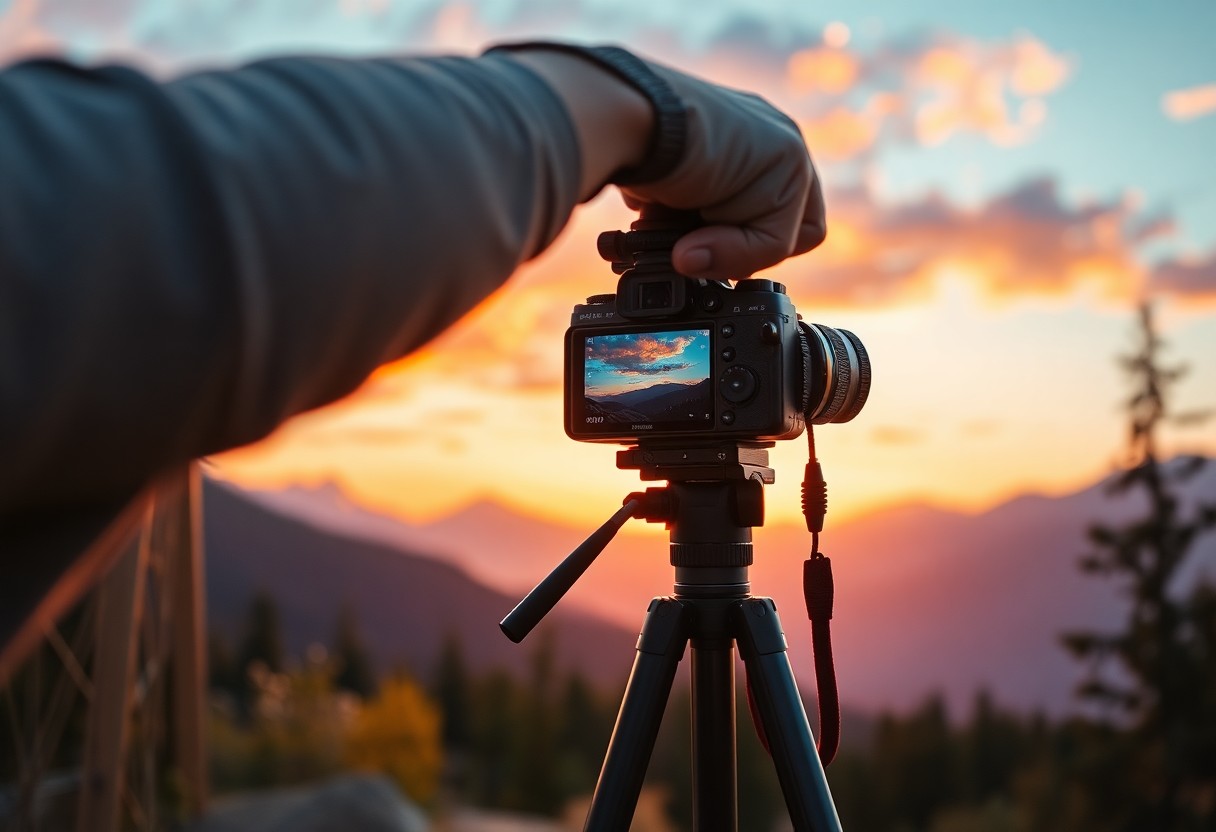
This guide will equip you with imperative tips to enhance your photographic composition skills. You’ll learn how to frame your shots effectively, utilize leading lines, and balance elements within your images to create visually stunning photographs. By understanding these techniques, you will elevate your photography and capture compelling visuals that draw viewers in. Whether you’re a beginner or looking to refine your skills, these strategies will help you transform your understanding of composition and improve your overall photographic artistry.
Understanding Composition
As a photographer, mastering composition is the foundation to creating stunning images that capture attention and convey emotion. It involves the arrangement of elements within the frame, guiding the viewer’s eye and enhancing storytelling. By understanding how to manipulate composition, you can elevate your photography, ensuring your work stands out in an increasingly visual world.
Elements of Composition
Now, let’s explore the key elements of composition that will enhance your photographic skills. These elements include line, shape, form, color, and texture. Each plays a vital role in guiding the viewer’s attention and creating a balanced image. By intentionally incorporating these elements into your shots, you can create a visually compelling scene that resonates with your audience.
Principles of Design
Any effective photograph adheres to the principles of design, such as balance, contrast, emphasis, movement, pattern, rhythm, and unity. Understanding these principles enables you to structure your images in a way that is aesthetically pleasing and meaningful. By applying these concepts, you create images that not only grab attention but also hold the viewer’s interest long enough to convey your intended message.
Understanding the principles of design is vital for every photographer looking to create impactful compositions. By mastering balance, you can create harmony within your images, while contrasting elements can guide the viewer’s focus. Emphasis allows you to highlight the most important aspects of your shot, and incorporating movement gives the impression of action. Patterns can add depth, rhythm connects visual elements, and unity ensures your composition feels cohesive. By using these principles thoughtfully, you can craft powerful photographs that resonate with viewers on multiple levels.
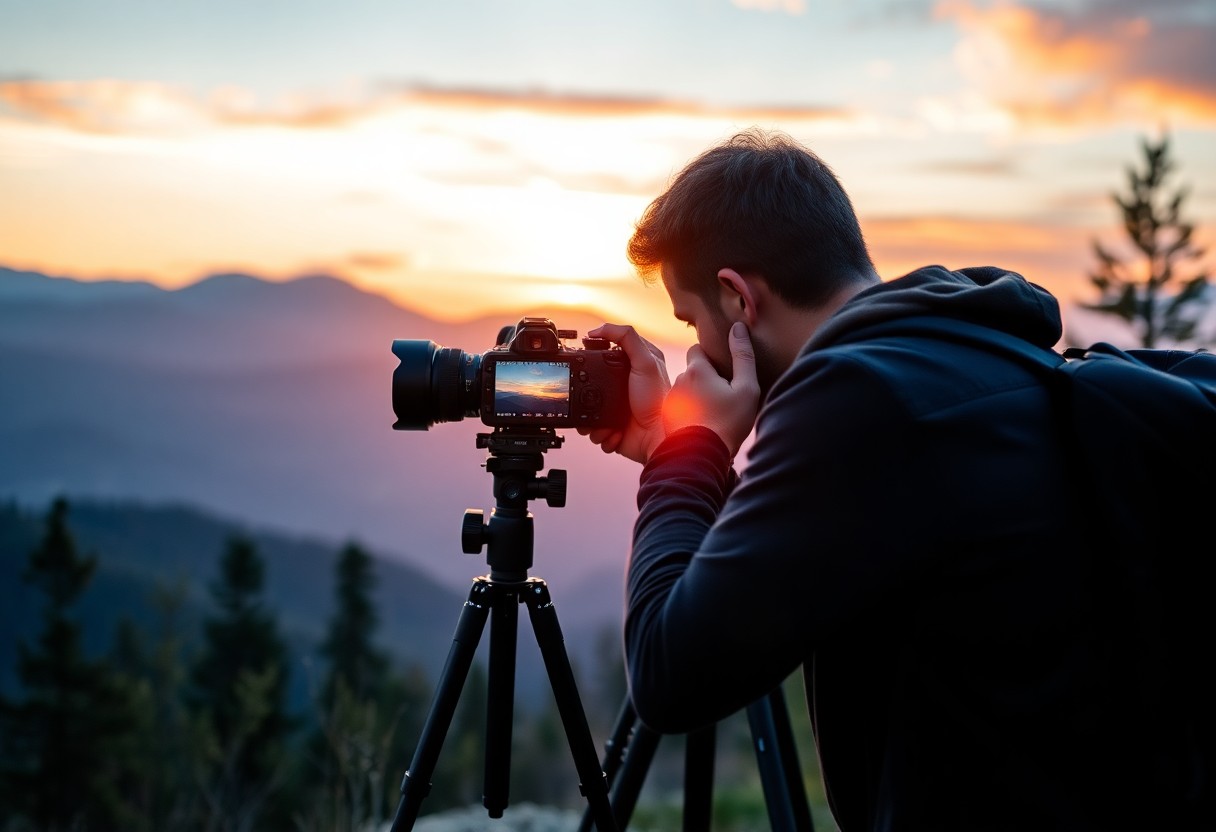
Essential Tips for Stunning Photography
Clearly, mastering composition can elevate your photography from ordinary to extraordinary. Consider these necessary tips to enhance your skills:
- Understand the Rule of Thirds.
- Utilize leading lines.
- Pay attention to framing.
- Experiment with symmetry and patterns.
- Include negative space.
Assume that applying these techniques will guide your viewer’s eye and create a more engaging image.
Rule of Thirds and Beyond
One of the foundational elements of photography is the Rule of Thirds, which suggests dividing your frame into a three-by-three grid and placing your subject at the intersections. This technique creates balance and interest in your composition while allowing for unique variations beyond the traditional method.
Leading Lines and Framing
If you want to create depth and draw attention to your subject, utilize leading lines and framing techniques. These elements naturally guide the viewer’s gaze and can provide context or tell a story within your image.
A powerful way to enhance your compositions is to cleverly use leading lines, such as roads, rivers, or architectural features, to connect different elements of the scene. Framing your subject with features like trees, windows, or doorways can add layers to your image, making it more compelling. By consciously incorporating these techniques, you can effectively lead the viewer’s eye and enhance the overall impact of your work.
Factors Influencing Composition
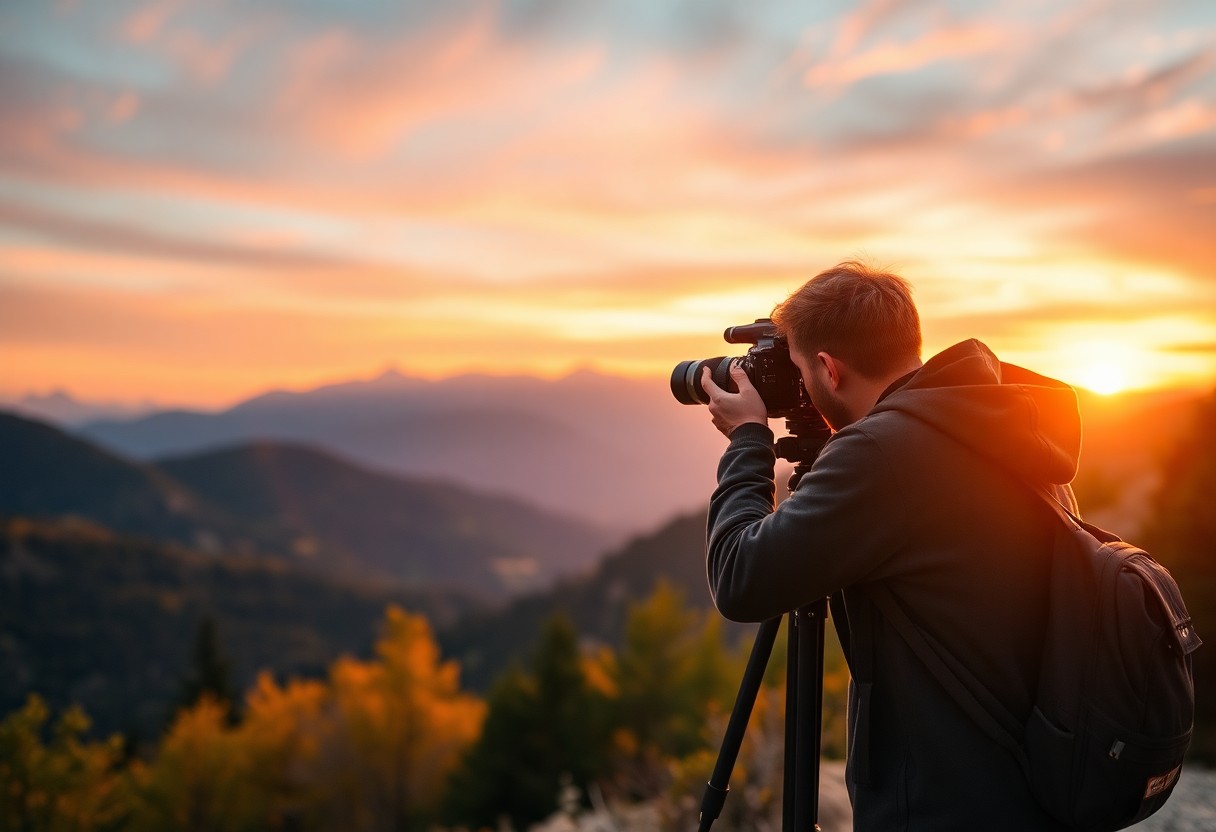
Some aspects significantly shape the composition of your photographs. Understanding these elements can enhance your visual storytelling. Key factors include:
- Subject placement
- Leading lines
- Framing
- Depth
- Balance
Knowing how to manipulate these elements will elevate your photography and allow you to craft more compelling images.
Light and Shadow
Light is one of the most powerful elements in photography, affecting mood, texture, and depth. Experiment with natural and artificial light, taking note of how shadows can enhance your subjects. Utilize the direction and quality of light to create dramatic effects and highlight details, allowing you to capture your vision effectively.
Color Theory
Even the colors you choose play a significant role in composition. Color theory can guide you in creating harmony or contrast within your images, influencing the emotional responses of your viewers. Utilize complementary or analogous colors to enhance visual appeal and draw attention to your main subject.
A solid grasp of color theory involves understanding how colors interact and impact the mood of your photograph. You can evoke specific feelings by selecting appropriate color palettes that resonate with your vision. Experimenting with color combinations can lead to striking images that effectively communicate your intended message, ultimately elevating your compositions.
Techniques for Mastery
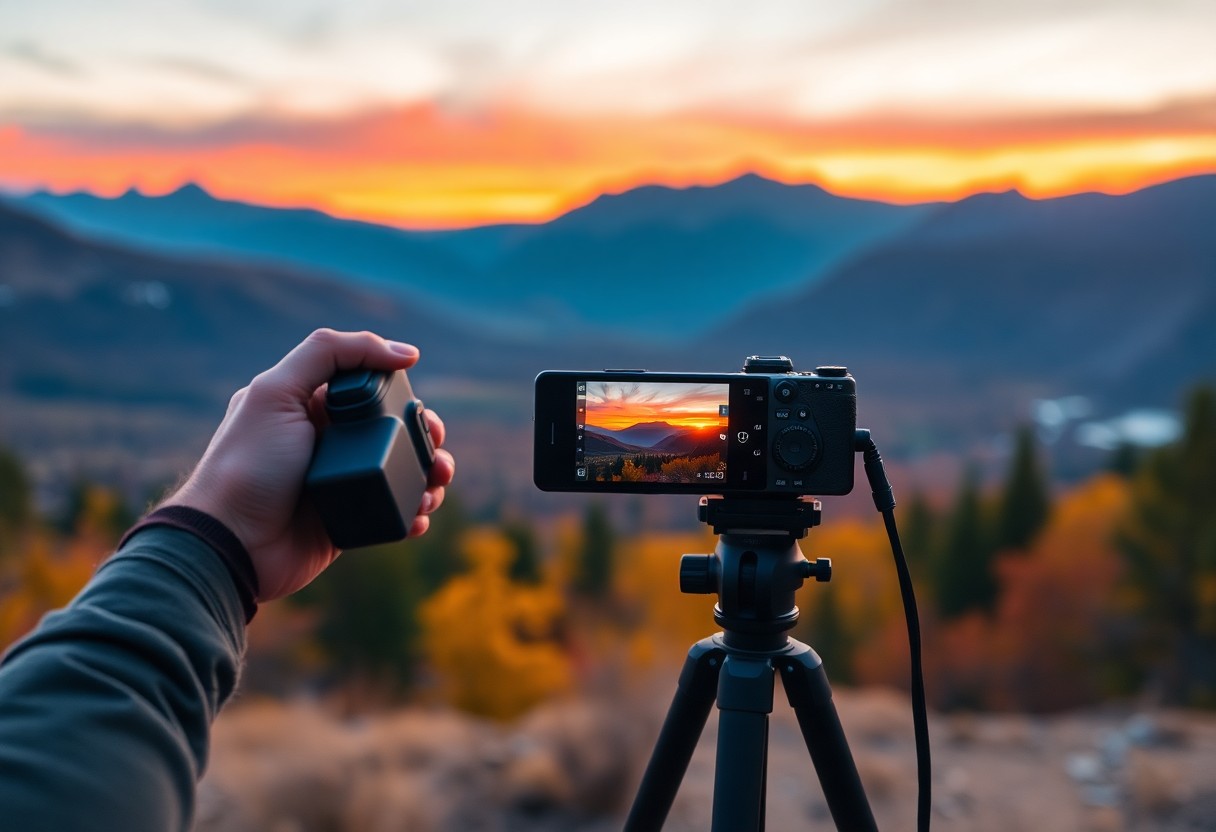
To truly master stunning composition in photography, you need to embrace a variety of techniques that challenge and enhance your creativity. Incorporate the rule of thirds, leading lines, and symmetry to guide the viewer’s eye and evoke emotion in your images. Additionally, experiment with perspectives and framing, as these can drastically transform your compositions. Consistency in practice will strengthen your skills and develop your unique photographic style.
Experimentation and Practice
To become proficient in composition, you must prioritize experimentation and practice. Push the boundaries of your creativity by trying new angles, settings, or techniques. Shoot regularly, explore diverse subjects, and take the time to review your work. Each shoot is an opportunity to learn and refine your approach, ultimately helping you develop a distinctive photographic eye.
Analyzing and Learning from Others
While you may have your own unique style, analyzing and learning from the work of others can significantly enhance your understanding of composition. Study the work of established photographers who inspire you and observe how they approach framing, color, and perspective.
Others often demonstrate innovative arrangements and techniques that can spark your creativity. By dissecting their compositions, you can gain insights into their decision-making processes and discover new ways to elevate your own photographs. Emulating these strategies in your own work will not only refine your skills but also provide a broader context for your artistic expression. Engage with photography communities and critique groups to share your insights and expand your knowledge further.
Tools and Resources
Keep in mind that mastering composition in photography isn’t solely about your skills; it’s also about the tools you use. The right equipment and resources can significantly enhance your creative process, providing you with the necessary support to bring your vision to life. From cameras to editing software, utilizing quality tools will help you elevate your photography game and achieve striking results in your compositions.
Recommended Equipment
While your skills in composition matter, having the right gear can make a significant difference. A DSLR or mirrorless camera with a variety of lenses will give you the flexibility to experiment with different perspectives. Additionally, a sturdy tripod helps stabilize your shots for clearer images, especially in low light. Investing in a lens with a wide aperture allows you to achieve beautiful depth of field, adding a professional touch to your photographs.
Useful Apps and Software
Resources like apps and software can enhance your photography workflow and composition development. Utilizing tools for image editing, organization, and planning can streamline your process and facilitate better results. With the right applications, you can improve your images, analyze your compositions, and even learn new techniques on the go.
Software like Adobe Lightroom and Photoshop are industry standards that offer extensive editing capabilities to help you fine-tune your images for optimal composition. Additionally, apps like Snapseed provide intuitive editing tools for quick adjustments, while useful composition grids can help guide your framing in real-time. Using planning apps can also enable you to scout locations and visualize your shots ahead of time, allowing for a more efficient and creative photography experience.
Common Mistakes to Avoid
After honing your skills in photography, it’s imperative to be aware of common mistakes that can undermine your composition. Simple oversights can detract from the impact of your images, leading to missed opportunities for captivating shots. By identifying and correcting these missteps, you can enhance your photography and create more powerful visual stories that resonate with your audience.
Overcrowding the Frame
Overcrowding the frame can lead to chaotic images that confuse viewers. When you cram too many elements into your shot, the main subject often gets lost, diminishing its importance. Aim for balance; isolate your subject so that it stands out against the background and is easy for your audience to focus on.
Ignoring Backgrounds and Foregrounds
With all the attention on your main subject, it’s easy to overlook the backgrounds and foregrounds in your composition. Neglecting these elements can result in distractions that draw attention away from your subject. To elevate your photography, take the time to assess the entire scene; consider how both the background and foreground interact with your subject. Clear or complementary backgrounds can enhance your image, while cluttered or distracting elements can ruin it. Always strive for environments that support your focal point and enhance the overall story you’re telling through your photography.
Final Words
From above, mastering stunning composition in photography requires a blend of techniques, creativity, and practice. By applying the crucial tips outlined in this guide, you can elevate your photography skills and capture images that resonate with viewers. Focus on the elements of balance, framing, and leading lines, and don’t hesitate to experiment with different perspectives. As you develop your unique style, trust your instincts and allow your artistic vision to shine through each shot. With dedication and attention to detail, your photographs will tell compelling stories that leave a lasting impression.






Leave a Reply
You must be logged in to post a comment.