
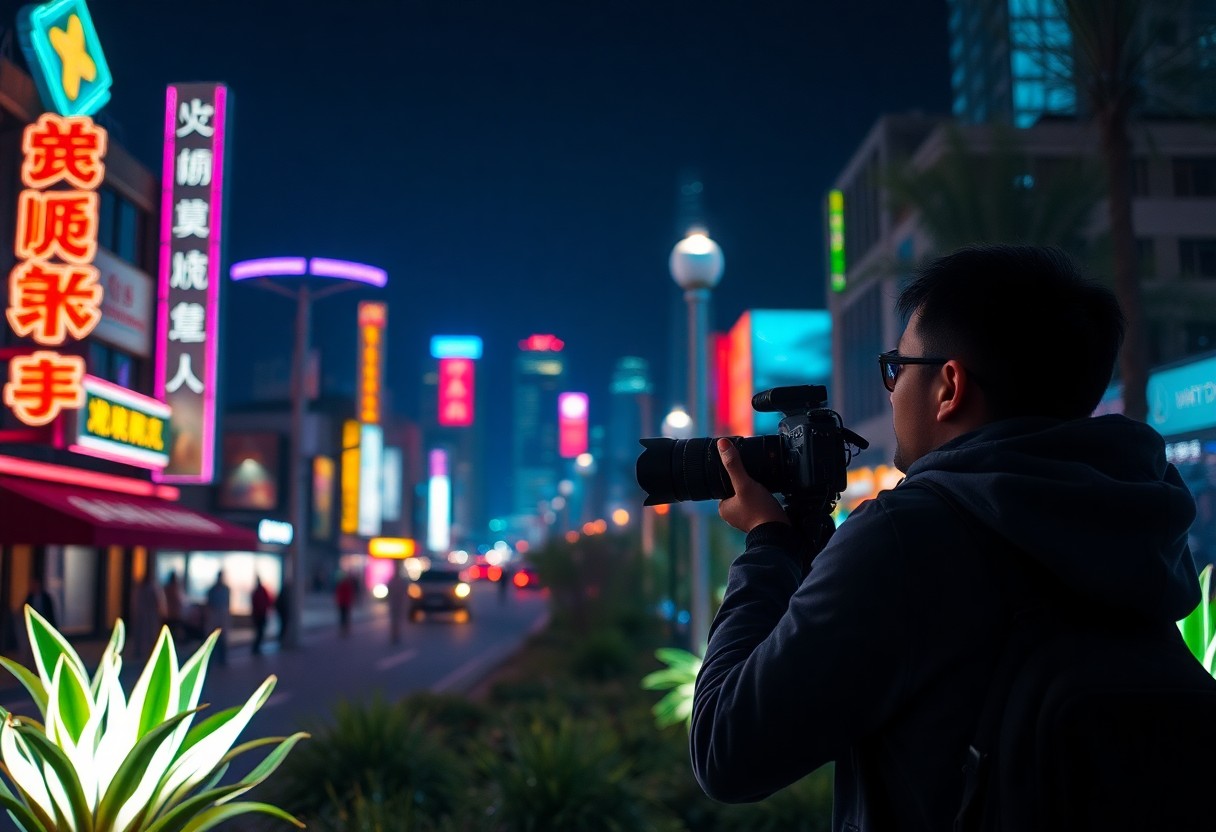
You have the opportunity to elevate your photography through the captivating use of luminescence. By harnessing the natural and artificial light sources around you, you can create stunning images that evoke emotion and wonder. Understanding how to manipulate luminescence in your compositions allows you to enhance details, create mood, and draw attention to specific elements within your frame. In this blog post, we will explore effective techniques and tips that will help you harness the power of luminescence, transforming your photographs into remarkable visual experiences.
Understanding Luminescence
For photographers, understanding luminescence opens up exciting pathways for creativity and innovation in your work. This phenomenon, which is the emission of light from a substance that has absorbed energy, can dramatically affect how your images are perceived. By mastering the principles of luminescence, you can enhance your compositions and evoke powerful emotions within your audience.
Definition of Luminescence
Definition: Luminescence is the process by which a substance emits light without the involvement of heat. This emission occurs when the energy levels of electrons change in response to external stimuli, such as UV light or chemicals. In photography, harnessing luminescent effects can dramatically alter the visual impact of your images.
Types of Luminescence in Photography
Photography allows you to explore various types of luminescence that can enhance your images. The following table outlines different types you may encounter:
| Type | Description |
|---|---|
| Photoluminescence | Emission of light caused by the absorption of photons. |
| Chemiluminescence | Light produced by a chemical reaction, often used in night photography. |
| Bioluminescence | Light emitted by living organisms, often seen in nature. |
| Electroluminescence | Light emitted from a material when an electric current passes through it. |
| Thermoluminescence | Light released from a material when it is heated and then cooled. |
- Recognizing these types can inspire you to incorporate luminescent effects into your unique photographic style.
Luminescence in photography can transform the way you create your images, allowing for experimentation with various light sources. Whether you are capturing the glow of bioluminescent organisms or the shimmering effects of photoluminescent materials, understanding the nuances of each type can enhance your skills. By exploring the different types of luminescence, you can push the boundaries of your creativity. Below is a summary of these types:
| Type | Description |
|---|---|
| Photoluminescence | Light through absorbed photons. |
| Chemiluminescence | Light from a chemical reaction. |
| Bioluminescence | Light emitted by living organisms. |
| Electroluminescence | Light from electric current. |
| Thermoluminescence | Heat-induced light emission. |
- Recognizing these luminescent types allows you to use them strategically, enhancing your photographic vision.
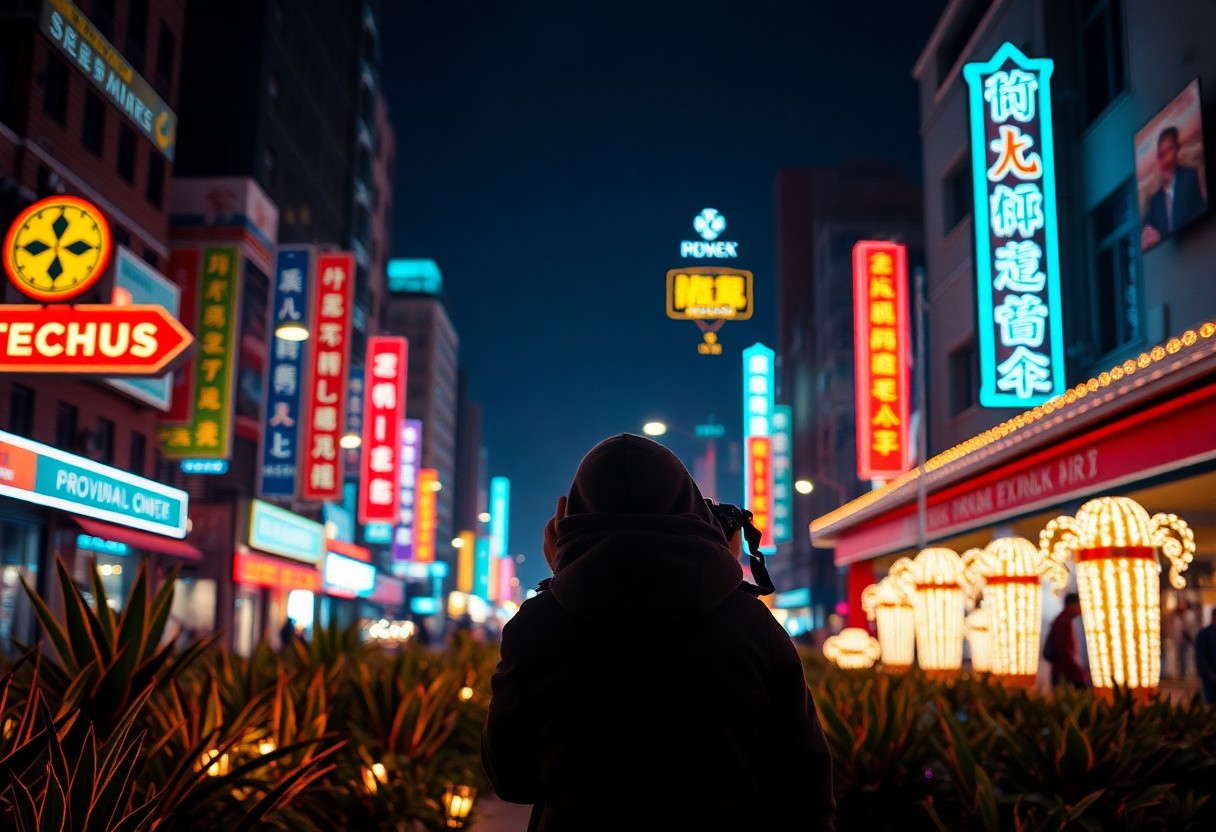
The Science Behind Luminescence
Even in photography, understanding the science behind luminescence can significantly elevate your artistic expression. Luminescence occurs when a material emits light without undergoing a significant temperature change, resulting in a captivating visual display. This phenomenon can be harnessed to create unique effects in your images, allowing you to push the boundaries of conventional photography and explore new creative possibilities.
Chemical Processes Involved
For your understanding, luminescence arises from various chemical processes, including fluorescence, phosphorescence, and chemiluminescence. Each process involves the absorption of energy by electrons, which then release light as they return to their ground state. By manipulating these chemical reactions in your photographic materials, you can enhance visual appeal and evoke emotions in your audience.
How Light Interacts with Luminescent Materials
Beside the innovative techniques, it’s important to appreciate how light interacts with luminescent materials. This interaction can create striking contrasts and illuminate your subject in unexpected ways.
Due to the unique properties of luminescent materials, you can explore various lighting conditions and angles to maximize their effects. When light strikes these materials, it excites the electrons, leading to the emission of bright colors and an ethereal glow. This interaction not only enhances the vibrancy of your images but also adds depth and complexity, allowing you to transform ordinary scenes into extraordinary visual narratives.
Incorporating Luminescence in Photography
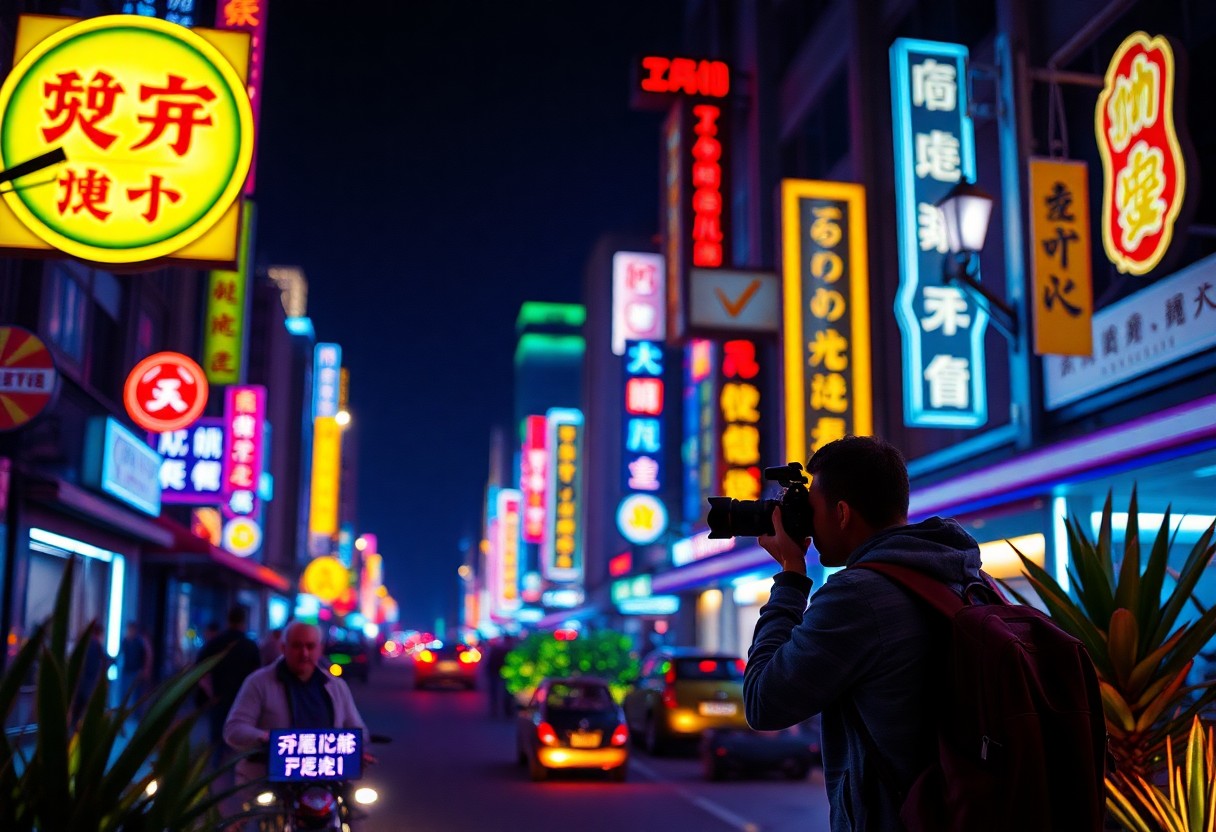
If you want to elevate your photography, incorporating luminescence can offer a captivating dimension. By utilizing natural and artificial light sources, you can highlight the beauty of your subjects in innovative ways. Techniques such as long exposures and creative lighting can help you achieve stunning effects, transforming ordinary scenes into extraordinary works of art. Embrace the magic of light to enhance the visual narrative of your images.
Techniques for Capturing Luminescent Subjects
Between extended exposures and manipulation of settings, you can effectively capture luminescent subjects. Experiment with various light sources, including candles, LED lights, or bioluminescent creatures. Each technique demands a different approach, so don’t hesitate to play with angles and distances. This experimentation can lead to unique interpretations of light, bringing a fresh perspective to your photography.
Equipment and Settings for Optimal Results
About your equipment, a sturdy tripod, and a camera capable of manual settings are imperative for capturing luminescent images effectively. Also, consider using a lens with a wide aperture to allow more light to hit the sensor. Adjusting your ISO settings can help manage noise while maintaining the image’s clarity, and utilizing a slow shutter speed can enhance the glow of luminescent subjects.
Incorporating the right equipment and settings is vital for achieving optimal results in your luminescent photography. A tripod ensures stability when shooting long exposures, while camera settings like a wide aperture and appropriate ISO can significantly affect the quality of your images. Experimenting with various shutter speeds will allow you to find the perfect balance that captures the luminosity of your subjects effectively. Understanding your tools will empower you to explore and innovate in your photographic journey.
Creative Applications of Luminescence
After exploring the fundamentals, you can harness luminescence to elevate your photographic projects. This powerful technique allows for a myriad of creative expressions, from creating glowing elements in your compositions to utilizing light in novel ways. Integrating luminescent materials or techniques can add depth, mood, and captivating intrigue to your images, pushing the boundaries of conventional photography.
Enhancing Night Photography
The enchanting allure of night photography can be significantly enhanced using luminescent elements. Incorporating glowing objects or utilizing light sources strategically can transform your nighttime images into otherworldly creations, allowing you to capture scenes that feel alive and vibrant even in the darkest hours.
Innovative Uses in Portrait and Landscape Photography
For portrait and landscape photography, luminescence offers unique opportunities to play with light and shadow, resulting in striking compositions. Whether introducing subtle glows or bold light sources, integrating luminescent elements can highlight your subject while creating an atmospheric backdrop.
Indeed, innovative applications of luminescence in portrait and landscape photography enable you to redefine your visual storytelling. By thoughtfully combining natural light with artificial luminescent sources, you can emphasize textures, create ethereal effects, and invoke emotion that resonates with your audience. Experimenting with color gels and other luminescent materials allows you to break conventional boundaries, offering fresh perspectives that breathe new life into your work and excite the viewer’s imagination.
Challenges and Limitations
Keep in mind that while luminescence can enhance your photographic creations, it also comes with specific challenges and limitations. Factors such as ambient light interference, equipment compatibility, and the need for specialized techniques can impede your results. Understanding these challenges is imperative in harnessing the full potential of luminescence in your photography.
Potential Issues with Luminescent Photography
By venturing into luminescent photography, you may encounter issues such as inconsistent results due to varying light conditions and limited access to luminescent materials. Such unpredictability can affect your creative process and hinder your ability to plan your shots effectively.
Tips for Overcoming Common Obstacles
Before you get started, consider these practical tips to navigate common obstacles in luminescent photography:
- Utilize a sturdy tripod to stabilize your shots in low-light settings.
- Experiment with different exposure times to capture the best luminescent effect.
- Invest in quality luminescent materials that offer consistent performance.
Thou can enhance your outcomes with preparation and practice.
Considering the unique challenges, you can take additional steps to overcome limitations in your luminescent photography endeavors:
- Review your equipment compatibility and upgrade if necessary for optimal results.
- Practice adjusting your camera settings in various lighting conditions.
- Join a photography group focused on luminescence for shared knowledge and resources.
Thou will likely find your skills and creativity grow within this enchanting realm of photography.
Future Trends in Luminescent Photography
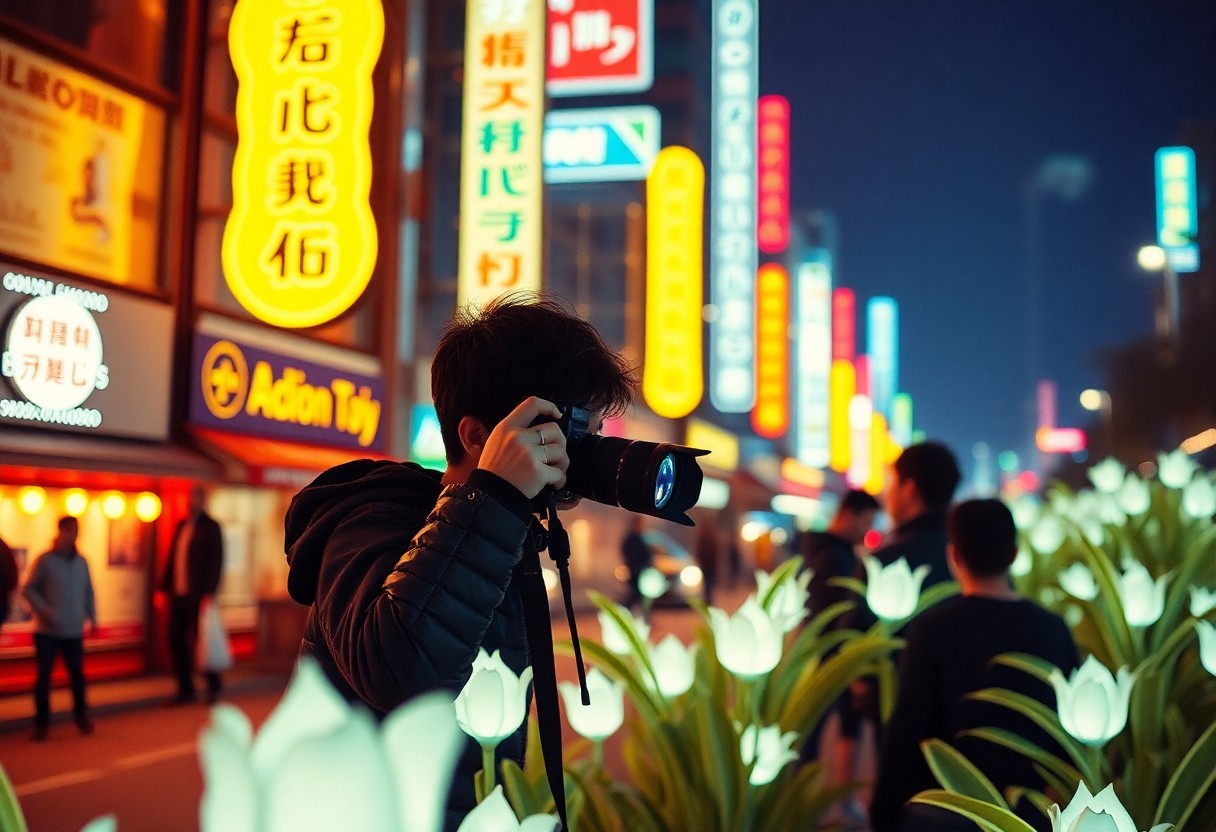
Now, as technology evolves, luminescent photography is set to experience revolutionary changes. With the rise of innovative materials and techniques, your photographic creations can harness new forms of light and color that were previously unimaginable. The future promises enhanced accessibility and unique aesthetic possibilities, enabling you to push the boundaries of conventional photography.
Emerging Technologies
Against traditional lighting methods, emerging technologies in luminescent materials are paving the way for new artistic expression. Innovations such as organic light-emitting diodes (OLEDs) and bioluminescent materials allow for dynamic interactions with your subjects, giving your work a distinctive advantage in storytelling and emotional impact.
Predictions for Photographic Innovation
Trends indicate that advancements in luminescent photography will further define your visual storytelling. With increased integration of artificial intelligence and machine learning, you can expect smarter tools that not only enhance your luminescent imagery but also streamline your creative process, enabling you to produce complex visual narratives with ease.
Another exciting prediction is the integration of augmented reality (AR) with luminescent photography. As AR technology continues to evolve, you may find ways to blend your luminescent images with interactive digital elements, creating immersive experiences for your viewers. This fusion will open up new avenues for creativity, allowing you to captivate your audience in ways that elevate the art of photography to unprecedented heights.
Summing up
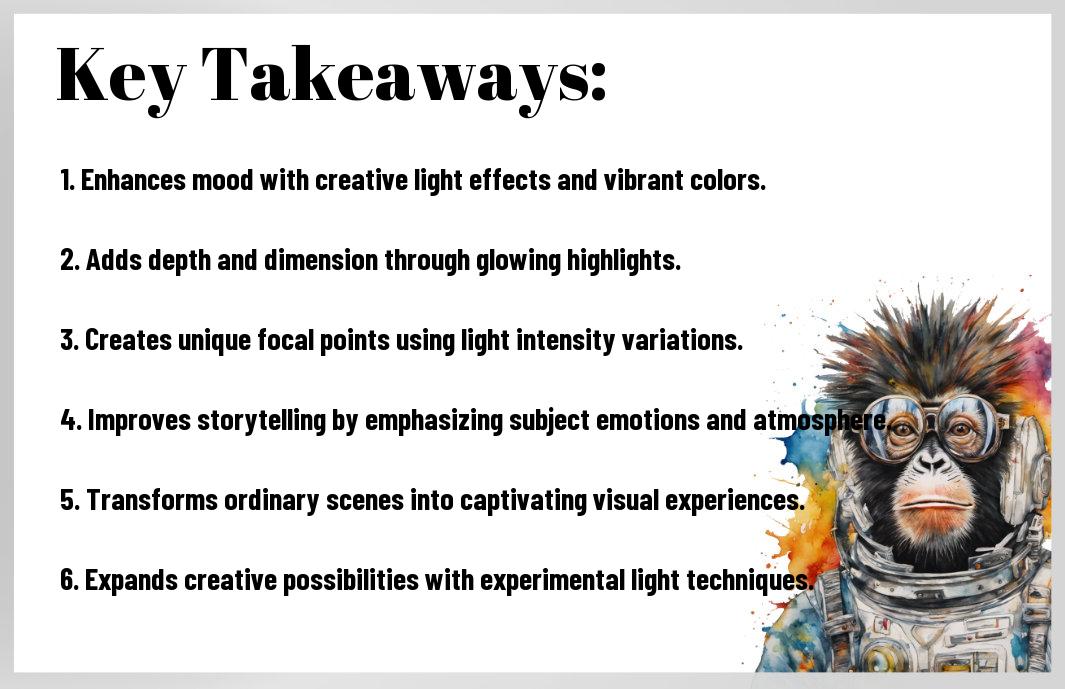
Taking this into account, harnessing luminescence can significantly enhance your photographic creations by introducing new dimensions of depth, emotion, and visual intrigue. By experimenting with various light sources, such as glow-in-the-dark materials or artificial lighting, you can elevate your imagery and create stunning contrasts that captivate viewers. This technique not only adds originality to your work but also allows you to convey your unique artistic vision more effectively. Embrace the transformative power of luminescence, and watch your photography evolve.




Leave a Reply
You must be logged in to post a comment.