
There’s a wealth of options when it comes to hiring a photographer on a budget, but finding the right one can feel overwhelming. In this guide, you’ll discover imperative tips and factors to consider that will help you navigate your choices and ensure you receive quality service without breaking the bank. From assessing portfolios to understanding pricing structures, you’ll be equipped with the knowledge you need to make an informed decision that meets your needs and expectations.
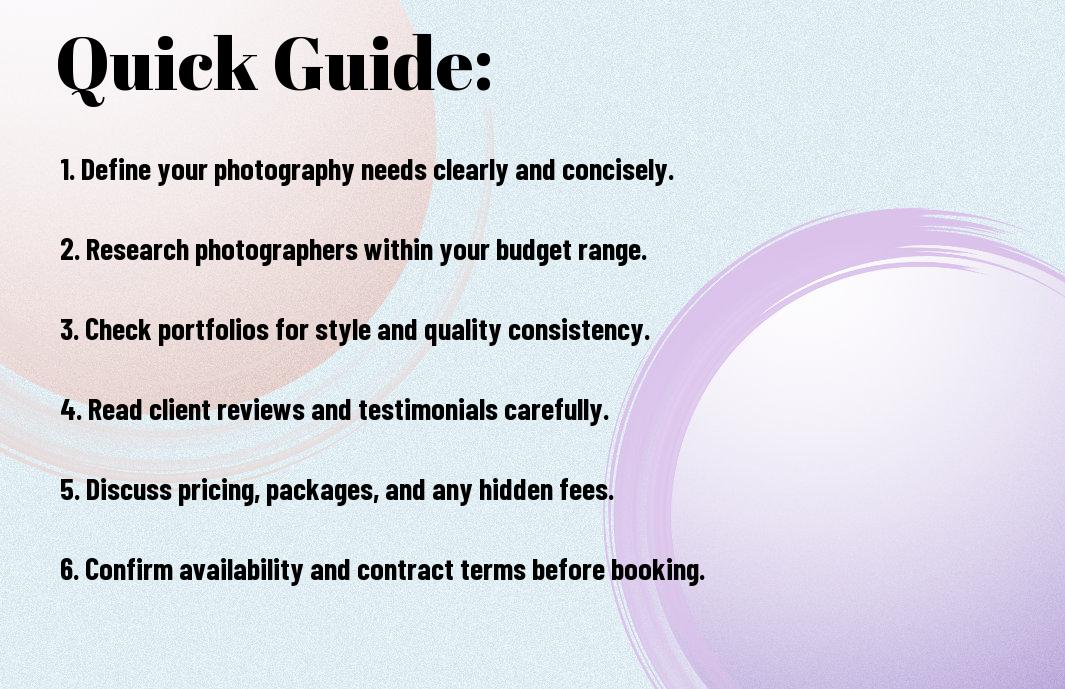
Cost-Effective Strategies for Finding Talented Photographers
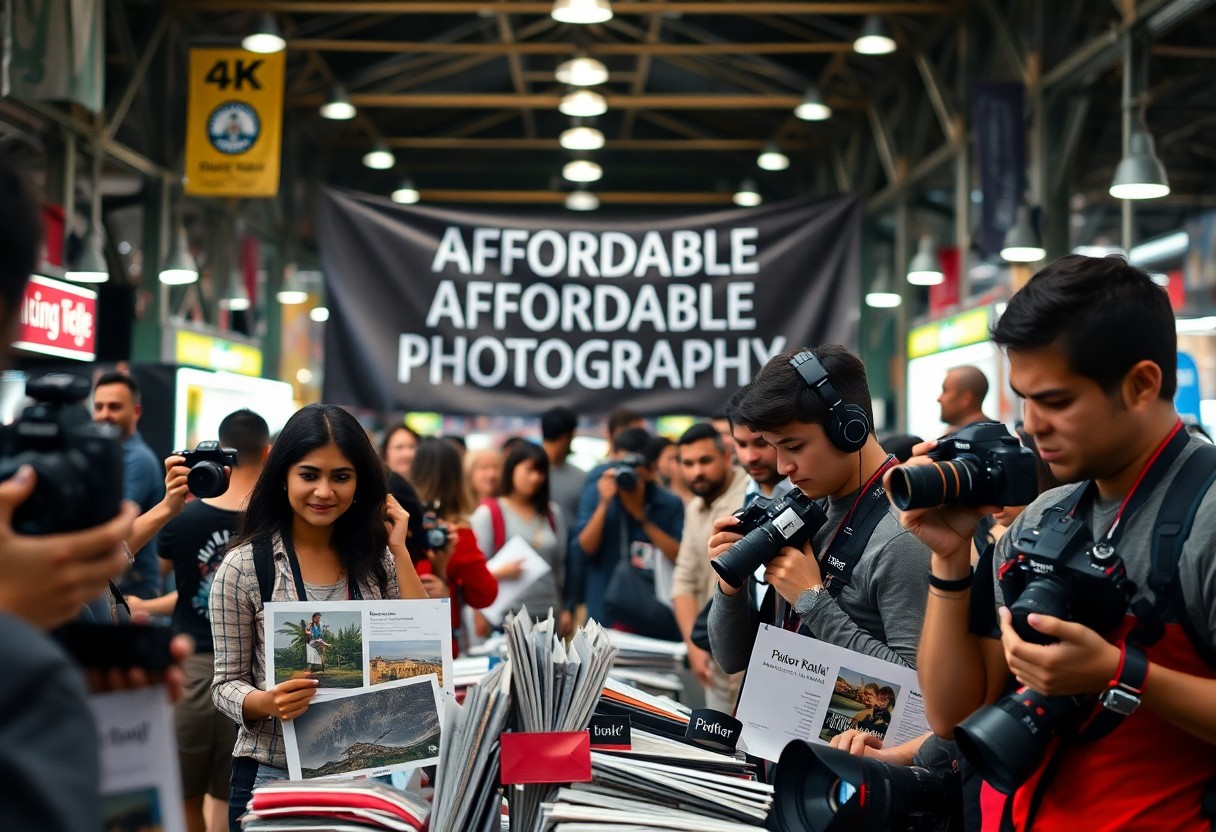
Finding a skilled photographer on a budget requires smart strategies that prioritize both cost and quality. Look for various avenues to connect with talented individuals who can meet your needs without breaking the bank. From online platforms to community initiatives, there are numerous options available that can greatly enhance your search for affordable photography services.
Leveraging Social Media and Online Platforms
Social media is a powerful tool for discovering cheap photographers. Platforms like Instagram and Facebook allow you to browse through portfolios, connect directly with artists, and often find promotions or special deals. Consider joining local photography groups or forums where members share their work and services, providing an excellent opportunity to find budget-friendly options.
Exploring Local Community Resources
Your local community can be a rich resource for affordable photography options. Many cities and towns have art schools or photography programs where students seek real-world experience and can offer professional-quality shoots at lower rates. Additionally, community events and organizations often have ties to photographers who are looking to build their portfolios, allowing you to obtain services at a fraction of the normal price.
Engaging with local community resources can unlock some fantastic hidden gems. Universities and colleges frequently feature student-run photo studios that offer packages at discounted rates, as students look to refine their skills. Local art fairs or festivals may also showcase emerging photographers eager to gain exposure, often willing to negotiate prices. Don’t hesitate to post inquiries on community bulletin boards or social media groups—they can lead you to passionate photographers who are just starting out and looking to grow their portfolios while providing you with budget-friendly options.
The Art of Evaluating a Photographer’s Portfolio
Evaluating a photographer’s portfolio is an imperative step in determining if they are the right fit for your project. Look for a diverse range of work that showcases their versatility, including varying lighting conditions, subjects, and styles. Pay attention to the overall consistency and the techniques they use to convey emotion and narrative. The quality of their images should reflect their technical skills and artistic vision. Your assessment will help you select a photographer whose style aligns with your vision and needs.
Identifying Signature Styles and Techniques
Every photographer has a unique style, often influenced by their experiences and preferences. As you review their portfolio, take note of patterns in composition, color palette, and subject matter. Signature techniques, such as the use of natural light or specific editing styles, play a significant role in defining their aesthetic. Identifying these elements can help you determine if their artistic approach aligns with your vision, which is vital for achieving the desired results for your project.
Understanding the Importance of Client Testimonials
Client testimonials are invaluable tools for gaining insight into a photographer’s work ethic and customer satisfaction. Feedback from past clients can provide a clearer picture of what you can expect regarding professionalism, communication, and overall experience. Look for detailed testimonials that address not only the quality of the photographs but also aspects like timeliness, willingness to collaborate, and adaptability to client preferences. These insights can significantly influence your decision, ensuring you choose a photographer who meets your expectations.
Client testimonials often reveal the nuances of a photographer’s approach that may not be evident in their portfolio alone. For instance, a photographer with consistently glowing reviews may excel in creating a relaxed atmosphere for clients during shoots, resulting in natural and candid images. Alternatively, testimonials can highlight challenges faced during projects, providing context for how the photographer overcame obstacles. Assessing these firsthand experiences equips you with a well-rounded understanding of the photographer’s capabilities, helping you make an informed choice.
The Price-Quality Equation: What You Need to Know
Balancing price and quality in photography can feel like a tightrope walk. While an ultra-cheap option might seem appealing, often, it reflects a lack of experience, inferior equipment, or inadequate editing skills. Investing a bit more could yield richer, more fulfilling results. Consider factors such as the photographer’s track record, peer reviews, and personal style compatibility. A fair price aligns with your budget while ensuring that you’re not compromising on the quality of your memories.
Comparing Packages: What’s Included and What’s Not
When evaluating different photography packages, it’s vital to dissect what’s offered. Below is a breakdown of common features to scrutinize:
| Features Included | What’s Typically Excluded |
| Number of edited images | Unedited raw files |
| Duration of the shoot | Travel fees |
| Online gallery access | Print costs |
| Consultation before the shoot | Additional shooting time |
Recognizing Red Flags in Pricing
Unusual pricing can often signal underlying issues. Unbelievably low rates may indicate that the photographer lacks experience or that they might cut corners in the shooting or editing processes. On the flip side, exorbitant fees don’t always equate to superior quality. Look out for extra fees that aren’t included in quoted prices, such as travel charges or hidden print costs. Understanding the full scope of what’s being offered provides clarity and avoids surprises later.
For instance, you might find a photographer advertising a sensational rate but discover later that the package lacks basic features like editing or only includes a handful of images. A savvy approach involves asking pointed questions about deposits, cancellation policies, and turnaround times for final images. Always ensure that you’re transparent and aligned with your photographer to avoid red flags that can sour your experience.
Negotiating Rates Without Compromising Quality
Negotiating rates with photographers can lead to savings without sacrificing quality. Start by clearly outlining your budget and the specific services you need. Sharing your vision can help the photographer understand your project’s scope, and in many cases, they may provide tailored packages that fit your financial constraints while still delivering excellent work. Additionally, maintaining flexibility with timelines and deliverables can open the door to better rates.
Effective Communication Skills for Bargaining
Establishing an open line of communication sets the stage for successful negotiations. Approach the discussion with respect and professionalism, ensuring both parties feel heard. By articulating your needs and expectations while being receptive to suggestions, you foster a collaborative atmosphere. This, combined with clear questions about rates and offer details, can lead to a better understanding of how to find common ground.
Understanding the Photographer’s Perspective
It’s necessary to grasp the unique challenges photographers face when discussing rates. Their pricing reflects not only time and talent but also overhead costs like equipment, software, and marketing. Many photographers operate as freelance professionals, managing unpredictable incomes and fluctuating demand. Understanding their circumstances can make negotiations more productive, allowing you to find a solution that benefits both parties.
Expanding on the photographer’s perspective reveals that many work hard to balance the demands of their craft with financial realities. Factors such as equipment maintenance costs, time spent on post-processing, and marketing expenses contribute to their pricing structure. Acknowledging these elements can help you appreciate the value they bring to the table. By fostering an empathetic dialogue regarding their operational costs and artistic commitment, you can facilitate negotiations that respect both your budget and their expertise, resulting in a mutually beneficial relationship.
Preparing for Your Shoot: Setting Expectations
Being proactive in preparing for your shoot establishes a productive foundation for the entire photography process. Start by discussing your vision, the style you are aiming for, and specific preferences, ensuring that both you and the photographer are on the same page. This alignment minimizes misunderstandings and helps generate the desired results, making your photography experience enjoyable and efficient.
Creating a Clear Shot List and Timeline
Developing a detailed shot list and timeline can alleviate potential stress on the day of your shoot. Outline the specific moments and important people you want captured, along with a rough schedule of when and where these shots should take place. This not only helps your photographer prepare but also allows everyone involved to maintain focus and efficiency throughout the shoot.
Establishing Open Lines of Communication
Establishing open lines of communication with your photographer creates a more collaborative atmosphere, enhancing your overall experience. You should share your ideas, changes, or concerns well ahead of time, ensuring that the photographer understands your expectations. Regular check-ins, whether via email or social media, keep both parties aligned and can help navigate any unforeseen issues on the day of the shoot, ensuring a smoother process and better outcomes.
Avoid waiting until the last minute to voice any apprehensions or expectations; consider having an initial consultation to discuss your vision. Use this opportunity to ask questions about logistics, camera settings, or even location scouting. By fostering a two-way dialogue, your photographer can offer valuable tips and insights that could elevate the quality of the shoot—such as suggestions for timing and lighting, which are key factors in capturing the perfect shot. This consistent communication fosters a sense of trust and allows for a more relaxed environment during the actual shoot, leading to natural, candid shots that reflect your personality and style.
Final Words
Hence, as you navigate the world of photography, ensure that you prioritize quality alongside affordability. Assess each photographer’s portfolio, communicate your needs clearly, and don’t hesitate to ask for referrals to gauge their reliability. By doing thorough research and asking the right questions, you can find a budget-friendly photographer who captures your vision beautifully without breaking the bank. Your special moments deserve to be documented, so take the time to make an informed decision that aligns with your expectations.



Leave a Reply
You must be logged in to post a comment.