
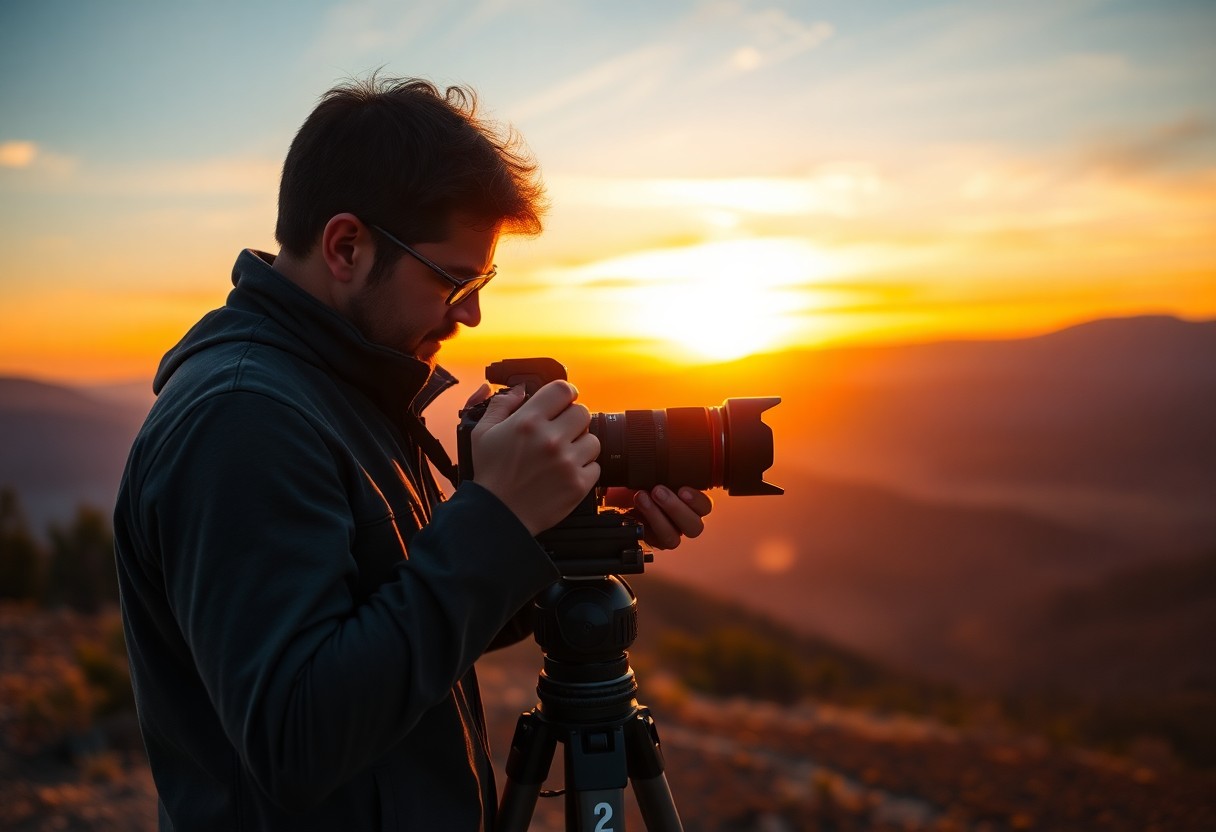
Most photographers understand that the way you frame your shots can significantly impact the overall aesthetic of your images. In this guide, you’ll discover expert composition tips that empower you to elevate your photography skills, making your shots not only visually appealing but also more engaging. By applying these techniques, you can transform ordinary scenes into extraordinary photographs that captivate your audience. Whether you’re a novice or a seasoned pro, you’ll find valuable insights that enhance your understanding of visual storytelling through composition.
Understanding Composition
As a photographer, understanding composition is important for creating visually striking images. It involves the arrangement of visual elements within your frame, guiding the viewer’s eye and establishing a narrative. By mastering composition techniques, you can elevate your photography, making it not only more aesthetically pleasing but also more impactful. Learning to frame your shots well ultimately leads to more engaging photographs that resonate with your audience.
Importance of Framing
One key aspect of photography is framing, which significantly influences how your subject is perceived. Effective framing helps draw attention to your primary subject and can evoke emotion, guiding your viewer’s experience. By choosing the right elements to include or exclude in your frame, you enhance the overall storytelling of your image.
Basic Composition Principles
On your journey to improving your photography skills, familiarizing yourself with basic composition principles is a great starting point. Techniques like the rule of thirds, leading lines, and framing within your shot can dramatically transform the allure of your pictures. These principles provide a foundational guide that can help you make intentional decisions when setting up your shots.
Composition helps you arrange elements in your frame for maximum impact. The rule of thirds, for instance, divides your image into a grid, allowing you to position your subject along the lines or intersections for a more dynamic composition. Leading lines encourage the viewer’s eye to travel through your image toward a focal point. Additionally, incorporating natural frames like doorways or tree branches can help isolate your subject and create depth. By applying these principles, your photographs will not only capture attention but also convey a clear story.
Key Factors in Framing Your Shots
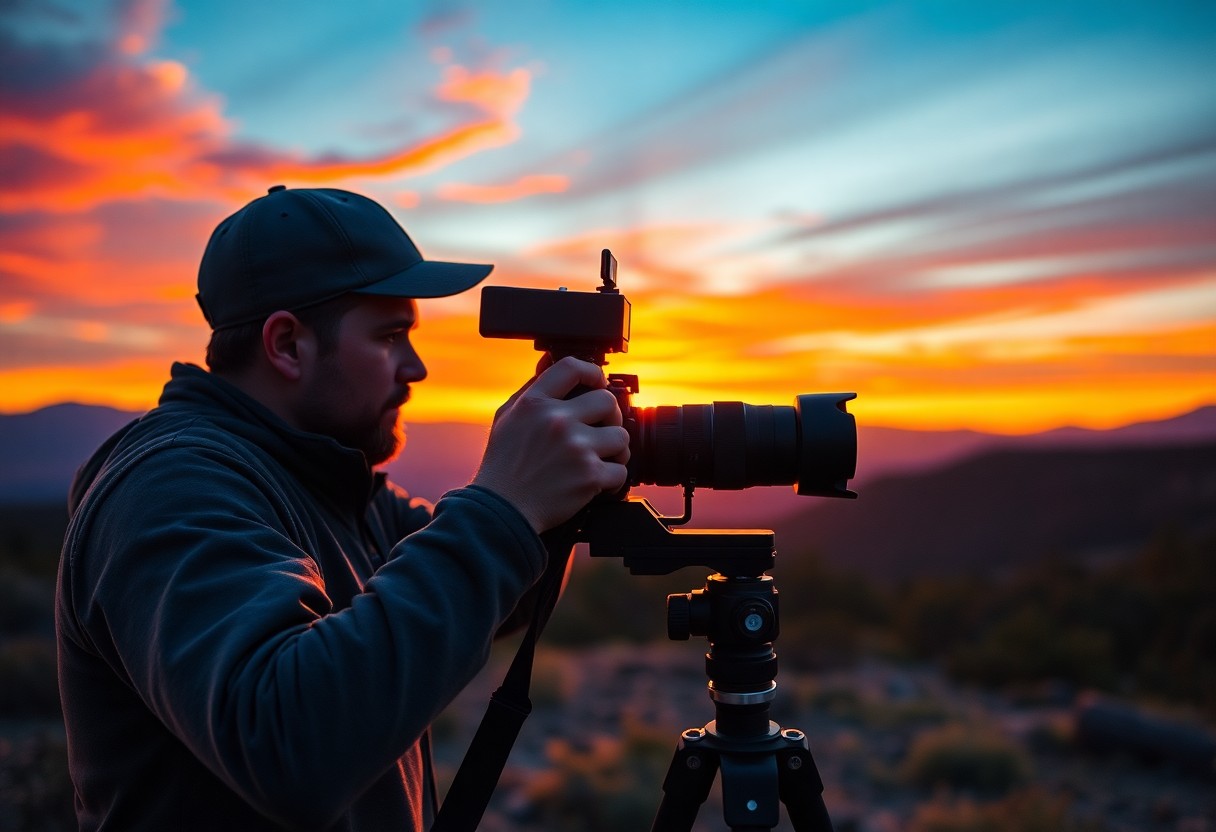
One of the crucial aspects of photography is understanding the key factors that influence shot framing. Proper composition not only draws the viewer’s eye but also conveys the story behind your image. Here are some important elements to consider:
- Subject placement
- Depth and layers
- Foreground interest
- Balance and symmetry
- Lighting and shadows
Assume that integrating these factors will elevate your photography to new heights.
Rule of Thirds
Now, utilizing the Rule of Thirds is a fundamental technique for achieving balanced and engaging compositions. By dividing your frame into a 3×3 grid, you can place key elements along these lines or at their intersections. This will guide the viewer’s focus and create a more dynamic visual experience.
Leading Lines
With leading lines, you can direct the viewer’s gaze through your image, creating depth and interest. These lines can be natural elements, like roads or rivers, or man-made structures such as fences or bridges. By thoughtfully incorporating leading lines, you enhance the narrative of your photograph.
Lines can serve as powerful tools in photography, as they guide the viewer’s eye and establish a sense of direction within your frame. Consider how different lines can influence mood and energy in your shots. Straight lines may evoke a sense of stability, while curves can create an organic feel. Take time to explore your surroundings for various elements that create lines and think strategically about how they can enhance your composition.
Utilizing Depth and Perspective
Even minor adjustments in your composition can dramatically impact the perception of depth and perspective in your photographs. By carefully layering elements within your frame, you can draw viewers into the scene, creating a more immersive experience. Experiment with various angles and focal points to showcase the dimensions of your subjects. This not only adds interest but also elevates the overall quality of your work.
Foreground, Midground, and Background
The placement of elements in your photograph can significantly influence depth. By incorporating a clear distinction among the foreground, midground, and background, you create layers that guide the viewer’s eye through the image. This layered approach adds a three-dimensional quality, making your shots more engaging and dynamic.
Wide-Angle vs. Telephoto Lenses
Clearly, the choice between wide-angle and telephoto lenses will affect how you capture depth and perspective in your photography. Wide-angle lenses allow for a broader view, making them ideal for landscapes or architectural shots, where you want to include as much of the scene as possible. On the other hand, telephoto lenses excel in isolating distant subjects, compressing space and creating stunning bokeh effects.
For instance, using a wide-angle lens, you can emphasize the foreground elements while simultaneously incorporating vast landscapes, enhancing the sense of depth. Conversely, a telephoto lens can help you focus tightly on a specific subject in the distance, minimizing distractions and creating a beautifully compressed background. Understanding how each type of lens affects your composition can empower you to make informed decisions that elevate your photography.
Lighting Considerations
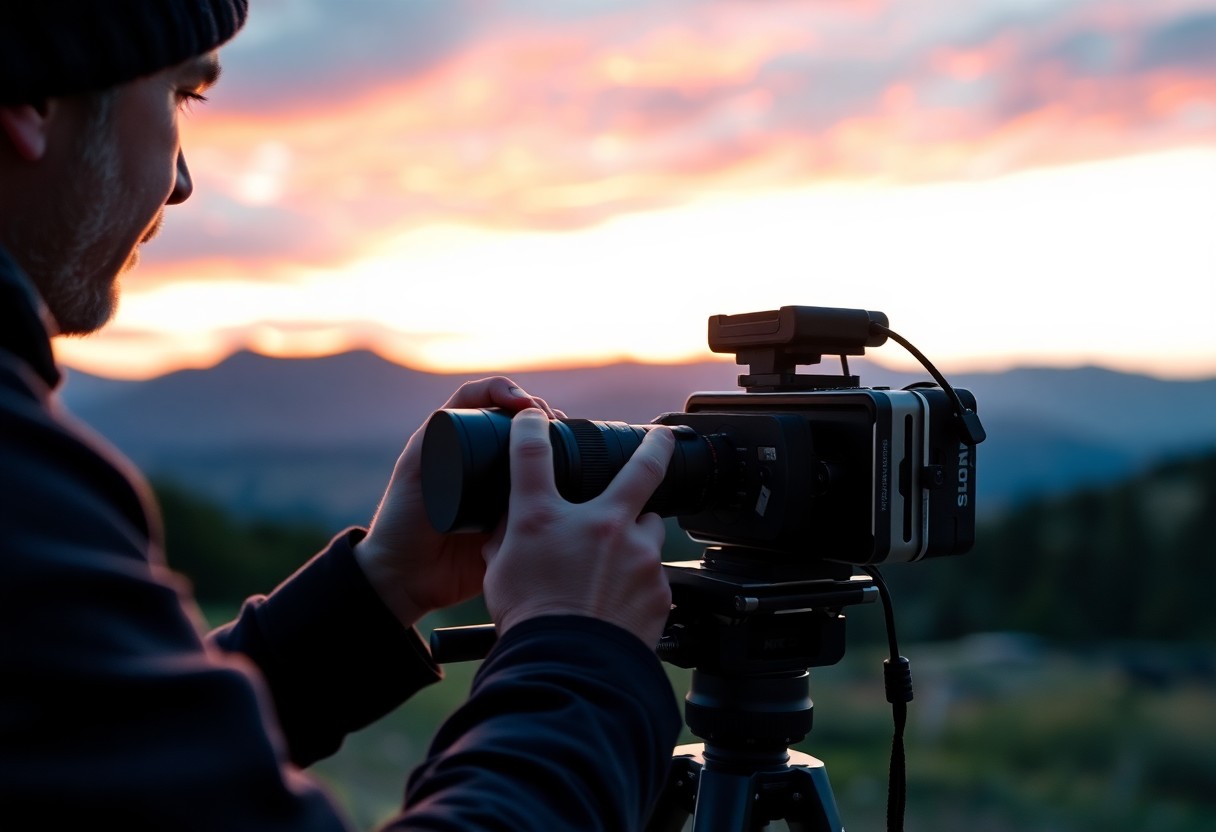
Now that you’ve established your composition, the next step is to focus on lighting. Great lighting can dramatically enhance your photographs, bringing out colors and textures in ways that can elevate even the simplest scenes. Pay attention to how light interacts with your subject and the surrounding environment. The quality, direction, and color of light can all affect the mood and impact of your images, so make lighting a key aspect of your shooting process.
Natural vs. Artificial Light
Considerations around natural and artificial light are crucial for achieving the desired effect in your photography. Natural light offers a soft, organic quality that can beautifully illuminate your scene, while artificial light gives you more control over your exposure and can create dramatic effects. Experimenting with both types of lighting will help you identify what works best for your style and the particular subject matter you are capturing.
Time of Day Impact
Any time of day can influence your photography, from the soft glow of early morning light to the rich hues of sunset. Each hour brings a unique quality of light that can transform your shots. By understanding how different times of day affect natural light, you can plan your shoots to capture the most stunning images.
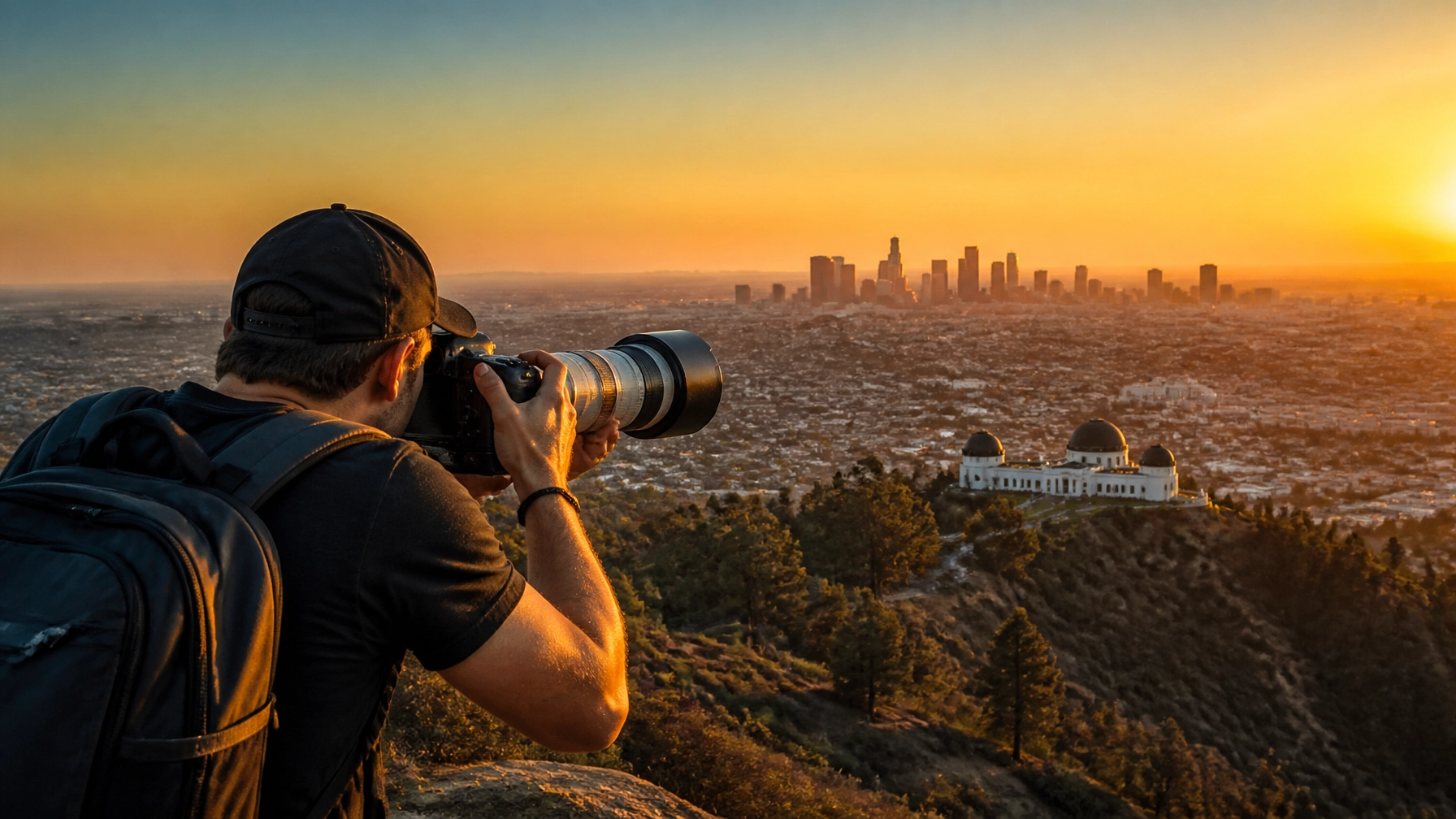
Another crucial aspect to consider is the golden hour, the brief period after sunrise and before sunset when the sunlight is warm and diffused. This time produces soft shadows and creates a flattering, almost magical quality in your photos. Conversely, midday light can be harsh and unflattering, casting strong shadows and overexposing highlights. By knowing when to shoot, you can take advantage of these natural light variations to enhance your photographic storytelling.
Creative Framing Techniques
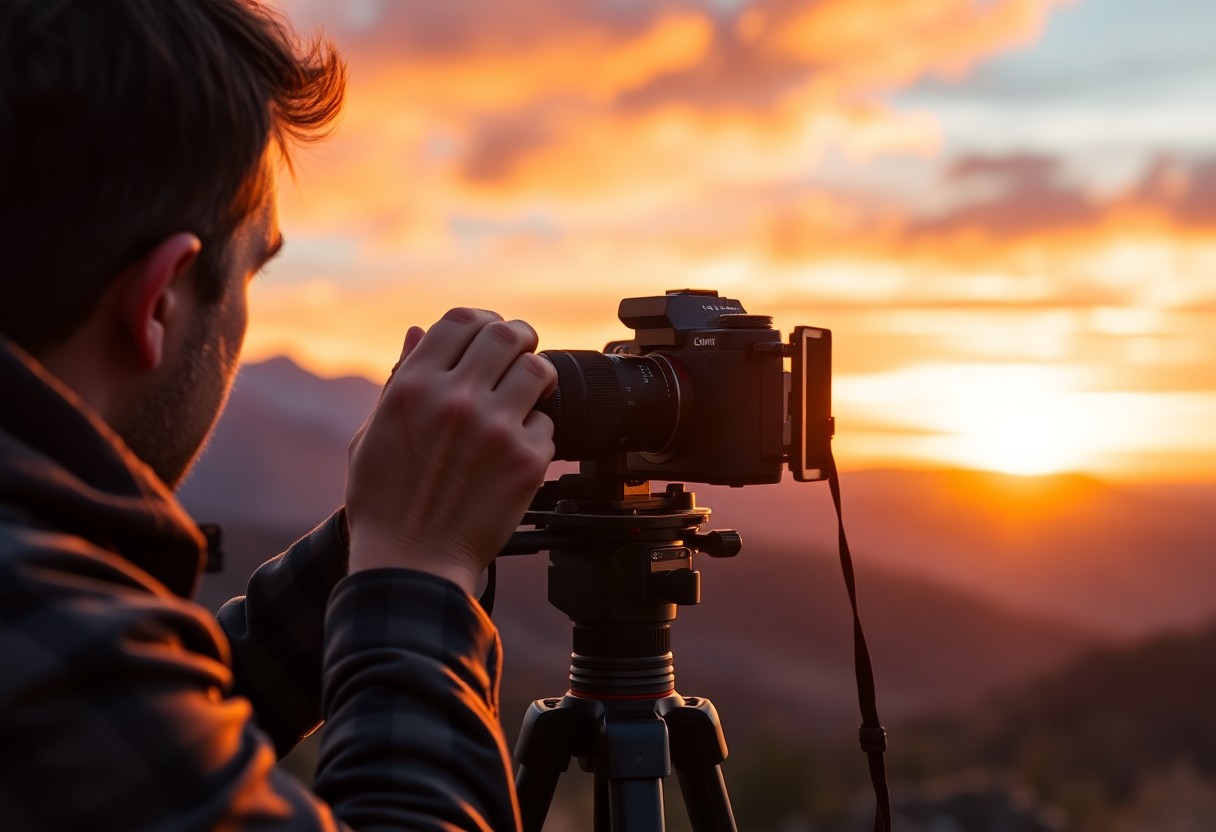
For stunning photography, employing creative framing techniques can enhance your composition significantly. By thinking outside the box, you can transform ordinary scenes into captivating images that draw in viewers. From utilizing unique subjects to exploring new perspectives, these methods will ensure your photography stands out and resonates.
Using Natural Frames
An excellent way to create depth and focus in your photos is through the use of natural frames. Look for elements like tree branches, doorways, or windows to encase your subject, directing the viewer’s attention and adding context to the scene. This technique enriches your images and invites the audience to explore the story within the frame.
Experimenting with Angles
Clearly, experimenting with angles can drastically change the perspective and impact of your shots. By shifting the way you position yourself relative to your subject, you can find unique viewpoints that reveal unexpected details, improve composition, and elevate the emotional response to your image.
The benefits of experimenting with angles go beyond mere aesthetics; it can also evoke different feelings and stories in your photography. By crouching low, shooting from above, or tilting your camera, you can create a sense of intimacy, grandeur, or even tension in your images. Don’t be afraid to move around your subject and explore various heights and perspectives to find a captivating composition that captures the essence of what you’re photographing.
Tips for Post-Processing
Once again, post-processing is your opportunity to refine your images and enhance their appeal. Use these tips to elevate your photography:
- Adjust exposure and contrast for better detail
- Correct colors to maintain natural hues
- Use sharpening tools to bring clarity
- Experiment with filters for artistic effects
Recognizing the potential of editing can transform your initial shots into eye-catching masterpieces.
Cropping for Better Composition
PostProcessing gives you the chance to reassess your image composition by cropping out distractions and improving focal points. By adjusting the framing, you can draw attention to your subject and create a more balanced photo.
Enhancing Visual Elements
Better visuals can make your photographs stand out. Utilize various editing tools to adjust brightness, saturation, and sharpness, ensuring that important elements of your image come alive.
A well-edited photo captivates the viewer by emphasizing colors and textures. Consider using tools to brighten shadows and soften highlights, creating a more cohesive look. Additionally, applying selective adjustments allows you to focus on specific areas, enhancing the overall impact of your image. This attention to detail in post-processing can define your unique photographic style.
Final Words
With these considerations in mind, you can elevate your photography by mastering composition techniques that truly make your shots stand out. By applying principles like the rule of thirds, leading lines, and careful framing, your images will resonate more deeply with viewers. Experiment with perspectives and focal points to find what best captures the essence of your subject, allowing your creativity to flourish. Ultimately, your unique style combined with these expert tips will result in stunning photographs that convey your artistic vision effectively.



Leave a Reply
You must be logged in to post a comment.