
Photography captures moments that matter, and to ensure you get the best shots at your event, preparation is key. You want to create an atmosphere that allows for natural expressions and candid interactions. This guide provides you with a comprehensive checklist to help you get ready for your event, so you don’t miss any important details. From lighting to equipment setup, you’ll learn what to consider before the big day, enabling you to showcase your event in all its glory.
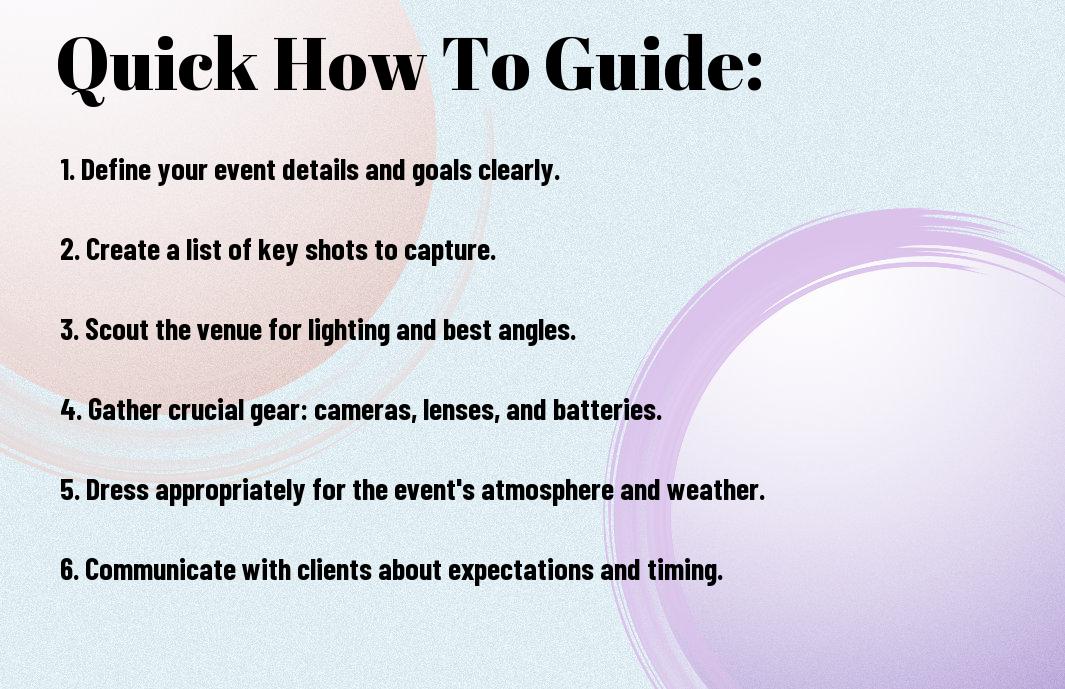
Choosing the Right Location
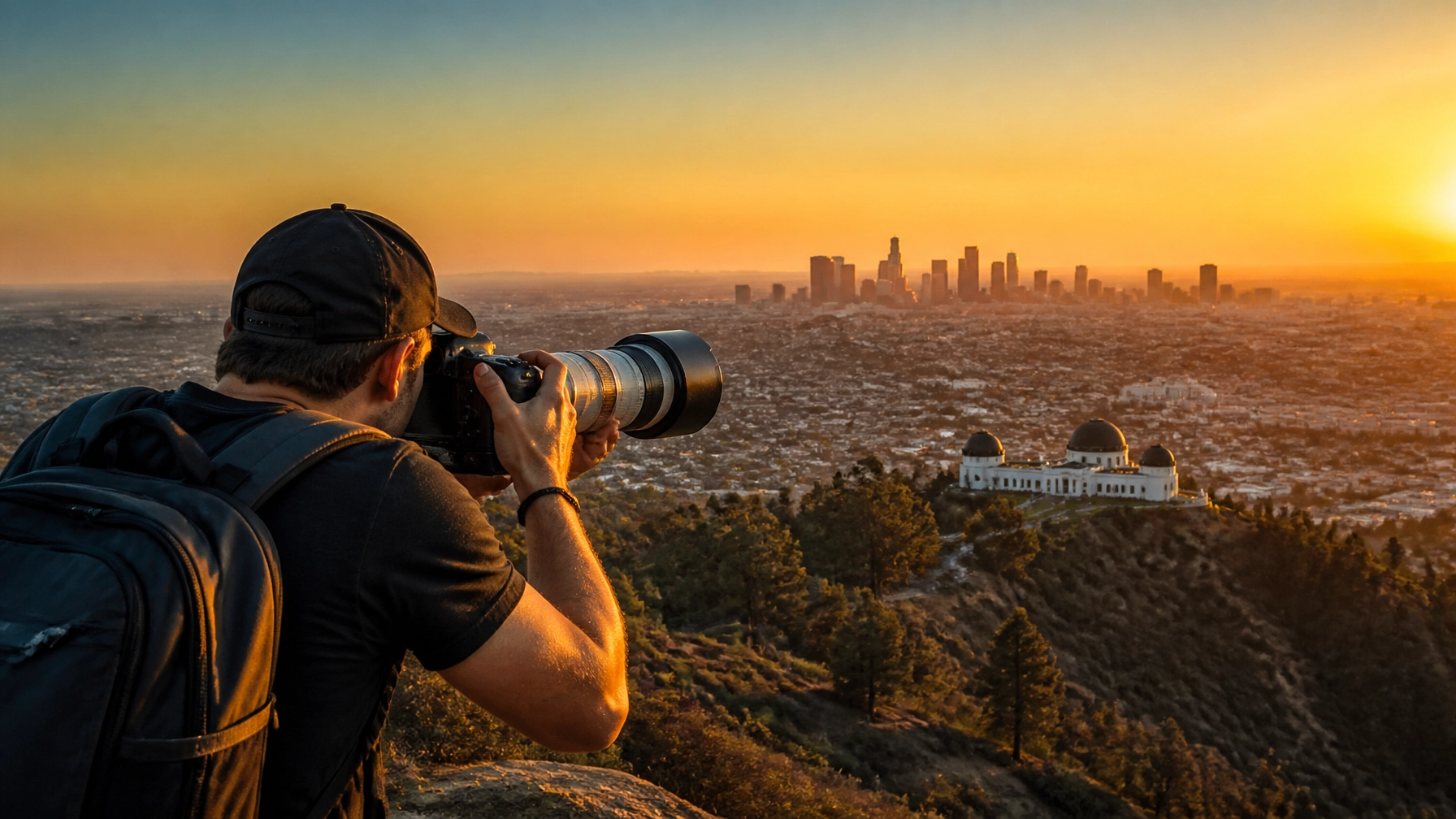
Before you probe capturing stunning visuals, consider the importance of selecting the right location for your event. Your chosen backdrop will not only set the tone but also enhance the overall aesthetics of your photos. Look for places that offer a blend of beauty, accessibility, and relevance to your event theme, ensuring you create memories that resonate with your audience.
Tips for Selecting Scenic Backgrounds
There’s no shortage of options when looking for scenic backgrounds. To narrow down your choices, consider these tips:
- Evaluate the visual appeal of the space.
- Check for accessibility for your guests and equipment.
- Think about the symbolic value of the location.
Assume that the right setting can dramatically transform your photos.
Factors That Influence Lighting Options
If you’re aiming for the best shots, understanding how various factors influence lighting options is key. The time of day, weather conditions, and location attributes can significantly affect your imagery. Research these elements beforehand to ensure your lighting complements your intended style and mood.
- Know the optimal time for natural light.
- Consider how overcast or sunny conditions impact your photos.
- Identify indoor vs. outdoor lighting features available.
Assume that adjusting your shooting schedule based on these factors will lead to more captivating images.
Plus, being mindful of lighting nuances can elevate your photography. Awareness of where the sun is located will help you avoid harsh shadows and create flattering highlights. Consider these additional factors for best results:
- Reflective surfaces, like water or walls, can bounce light.
- Time of year affects light intensity and angle.
- Indoor venues may require additional lighting gear.
Assume that varying your approach to lighting can significantly impact your overall success in capturing the essence of your event.
Planning Your Shot List
Even the best photographers need a solid plan in place before an event. Creating a shot list helps you stay organized and ensures you capture all the vital moments. Identify key scenes and interactions you want to photograph, from the grand moments to the intimate details. This preparation will not only streamline your workflow but also help you deliver a comprehensive visual story that reflects the essence of the event.
How to Prioritize Key Moments
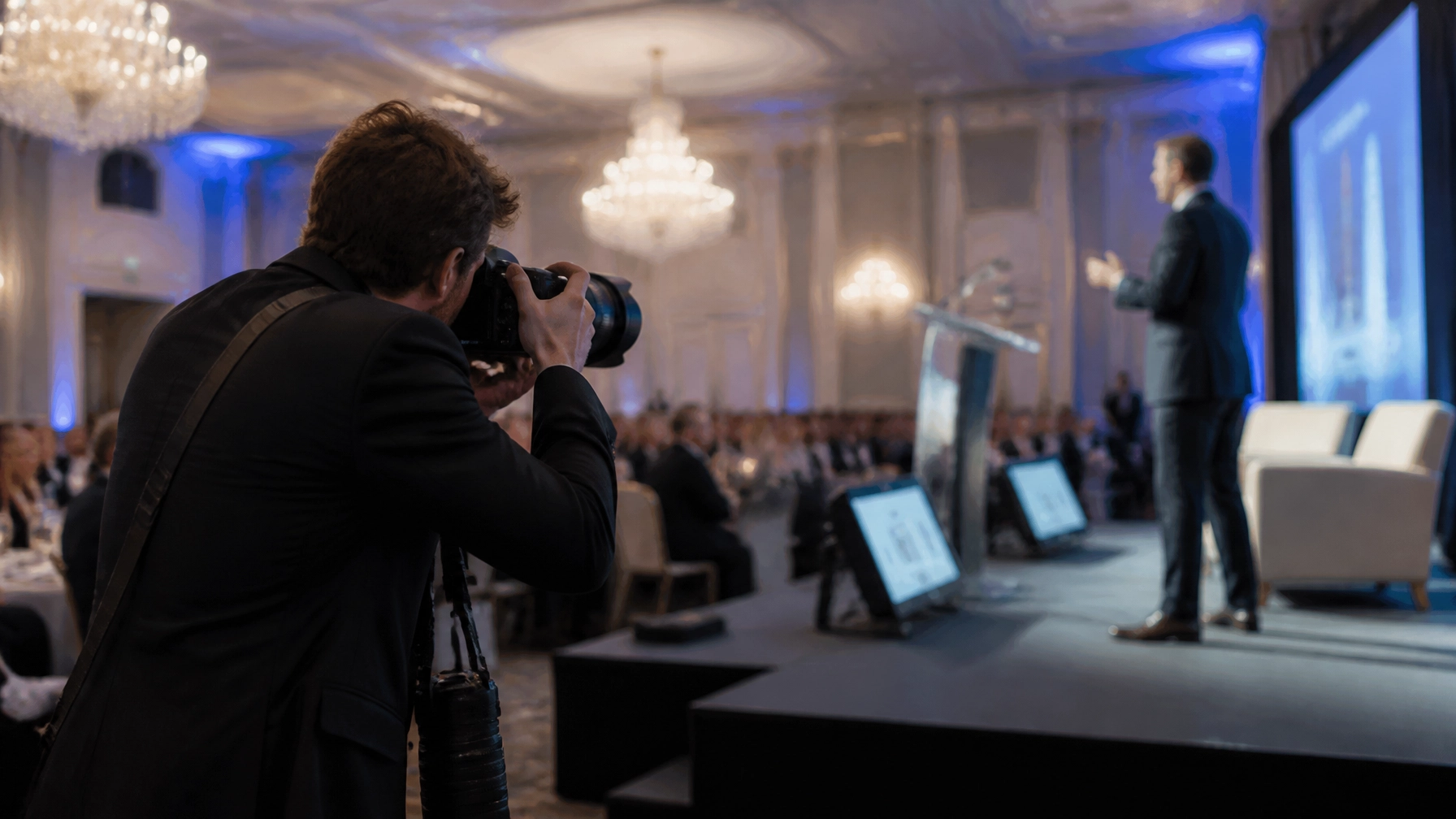
Even when you’re excited about the event, it’s important to prioritize key moments on your shot list. Focus on vital highlights such as speeches, first dances, or unique activities that define the occasion. Work closely with your client to understand their expectations and identify any must-have shots. This prioritization allows you to effectively allocate your time and ensure you are ready for those pivotal moments.
Tips for Including Candid and Posed Shots
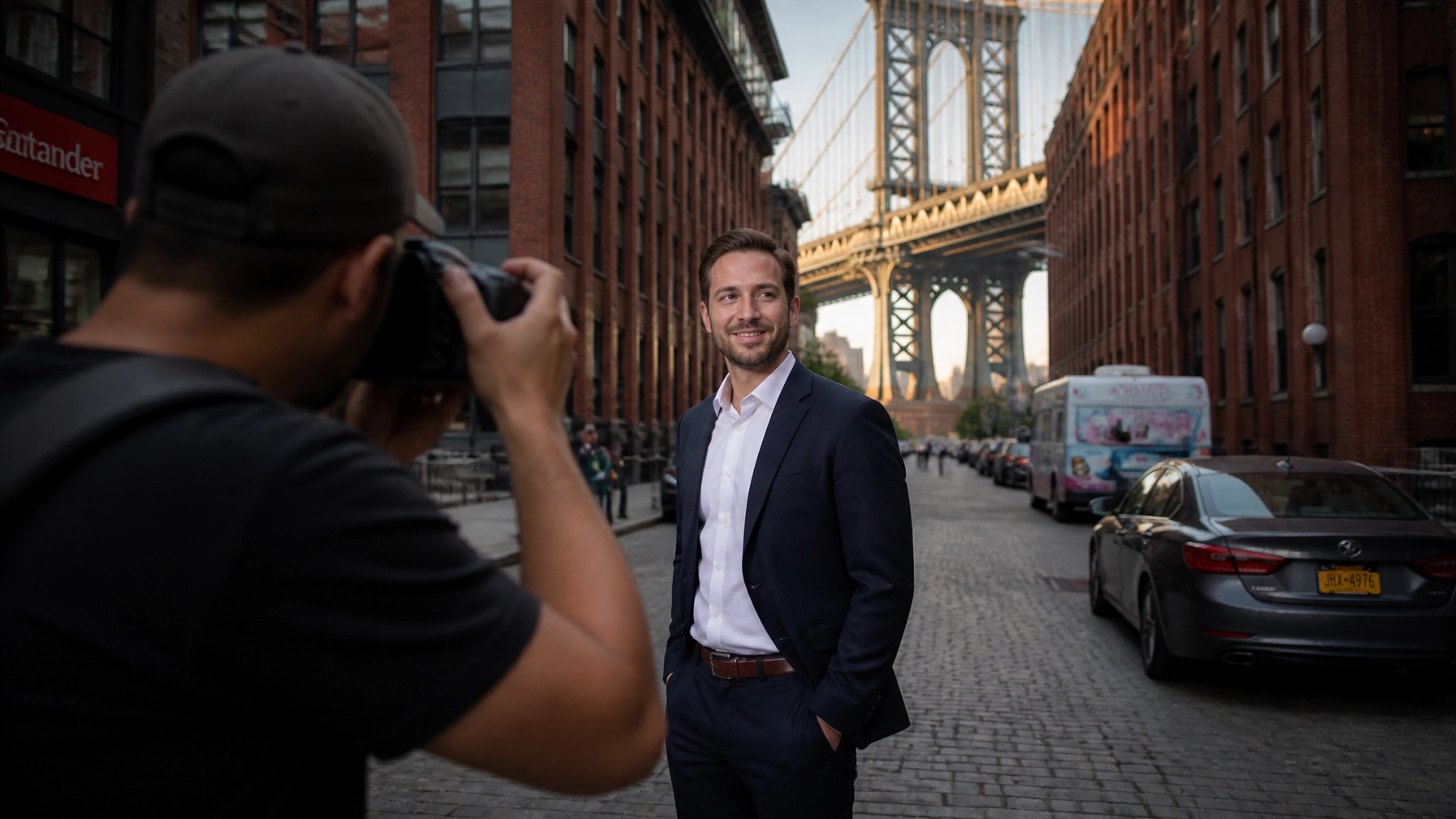
Planning a mix of candid and posed shots can elevate your event photography. Candid shots capture genuine emotions and interactions, while posed shots help to frame important people and moments. When creating your shot list, consider the following:
- Discuss with your client about key people to photograph.
- Identify moments where candid shots can naturally emerge.
- Plan specific times for posed group shots.
Assume that this blend will provide variety and depth to your final collection, making the memories more vivid and relatable.
It’s beneficial to be proactive about planning your mix of candid and posed shots. For instance, inform your clients about ideal times for gathering family members for posed photos, while also keeping your camera ready during organic interactions or surprises during the event. Consider these pointers:
- Be discreet for candid shots to capture genuine emotions.
- Set up a specific backdrop or location for posed shots.
- Engage with attendees to inspire natural moments.
Assume that a thoughtful approach will lead to a more dynamic and engaging photo story, highlighting the essence of the event.

Preparing Your Equipment
To ensure that you’re fully equipped to capture high-quality images at your event, make a habit of preparing your gear well in advance. Create a checklist of everything you’ll need, from cameras and lenses to accessories that enhance your workflow. Double-check the functionality of each piece of equipment to avoid any last-minute surprises, allowing you to focus on your creative vision during the event.
Essential Gear Checklist
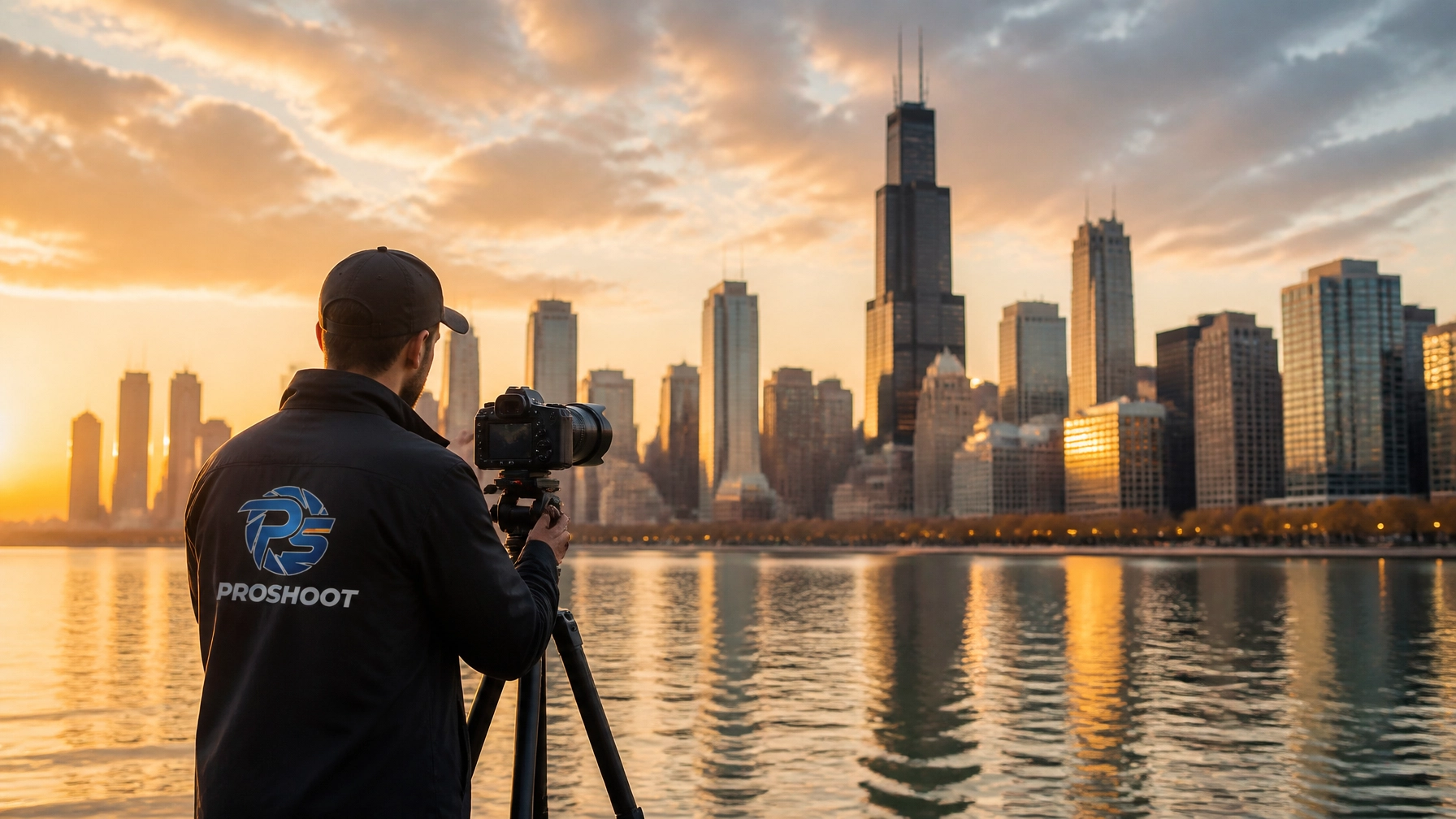
Your checklist should include key items such as your camera body, a variety of lenses, external flash, spare batteries, and memory cards. Don’t forget necessary accessories like a tripod and lens cleaning kit. Preparing these items ahead of time will ensure you have everything you need for optimal shooting.
Tips for Ensuring Backup and Safety
There’s nothing worse than losing valuable images due to equipment failure or accidents. To safeguard your work and maintain peace of mind, follow these necessary tips:
- Carry spare batteries and memory cards.
- Use protective cases for your gear when traveling.
- Keep your camera strap attached to prevent drops.
- Back up images to a cloud service or external drive after the event.
To enhance your backup and safety measures, consider these additional practices:
- Perform regular gear maintenance.
- Familiarize yourself with your equipment’s functionality.
- Create a shooting plan that includes backup locations.
- Invest in insurance for your equipment.
Thou will be thankful for the extra effort when capturing those unforgettable moments with peace of mind.
Coordinating with Event Organizers
Keep communication open with event organizers to ensure a smooth workflow. Discussing logistics and understanding their vision will help align your photography with their expectations. This coordination is necessary in capturing the event as they envision while also enabling you to provide valuable input on optimal photo opportunities.
How to Discuss Timeline and Key Moments
The key to capturing unforgettable moments lies in clear communication about the event’s timeline. Establish when important activities will take place, such as speeches, performances, or special announcements. This allows you to prepare and position yourself effectively for the best shots.
Tips for Building Rapport with Other Vendors
Organizers often work with various vendors, including catering, entertainment, and decorators. To ensure seamless collaboration, you should establish good relationships with them as well. Building rapport can help facilitate better timing and open lines of communication throughout the event. Consider the following tips:
- Introduce yourself and show interest in their work.
- Collaborate on the best locations for shots and setups.
- Share insights about your shots that may benefit their services.
Perceiving these interactions as partnerships can enhance the overall event experience.
Event coordination can greatly benefit from fostering relationships with other vendors. Each vendor has a unique perspective on the event, which can provide valuable insights for your photography. As you work together, you may find opportunities to support one another’s efforts:
- Attend pre-event meetings to get to know each other.
- Offer to share images with them in exchange for their assistance.
- Maintain a positive attitude and keep communication friendly.
Perceiving a cooperative spirit can lead to a more harmonious environment that enhances the event and your photography outcomes.
Day-of Event Preparation
All your hard work leads to this moment, and effective day-of event preparation is important for capturing stunning photographs. Arrive at the venue early to get a feel for the space, set up your equipment, and establish a rapport with key individuals. This proactive approach helps you identify the best spots for shooting as well as any potential challenges you may encounter during the event.
How to Conduct a Pre-Event Venue Walkthrough
The pre-event venue walkthrough provides an invaluable opportunity to familiarize yourself with the setting and lighting conditions. Take note of unique features, such as architectural details or scenic backdrops, and plan your shot list accordingly. Document any areas that may be overcrowded or poorly lit, as this information will be key when deciding where to focus your energy during the event.
Tips for Managing Time Effectively
Little adjustments to your schedule can significantly enhance your efficiency on the big day. To manage your time effectively, consider the following tips:
- Establish a timeline for the day’s events.
- Communicate with event organizers to stay informed about any changes.
- Prioritize key moments and ensure you allocate enough time for each.
The ability to stay organized will allow you to capture every important moment without feeling rushed.
Event dynamics can change rapidly, so flexibility is key to maintaining a smooth workflow. Use a time management tool or app to track your progress throughout the day. This will help you stay focused on your objectives while minimizing distractions. Make sure to set aside time for breaks, as this can refresh your creativity.
- Allocate time for unexpected situations.
- Check in with your team regularly to ensure alignment.
- Revisit the timeline as needed to stay on track.
The goal is to remain adaptable, allowing you to capture the essence of your event with stunning imagery.
Post-Event Follow-Up
Not only does the follow-up phase provide an opportunity for client feedback, but it also sets the tone for your future collaborations. Take the time to express gratitude for their trust in your photography services. Send a personalized message or email that highlights specific moments captured during the event, and offer to share a sneak peek of the images, creating anticipation and excitement for the final deliverables.
How to Organize and Edit Your Photos
An effective organization system is invaluable for streamlining your editing process. Start by creating folders for each event, then categorize photos by moments or themes. Use software tools to implement ratings or tags, ensuring you can easily locate the best shots. Efficient organization minimizes the time spent searching for specific images and enhances your workflow, enabling a quicker turnaround time for clients.
Tips for Delivering Results to Clients
Clearly, your delivery method can make a significant impression on your clients. Consider providing them with an online gallery where they can view and download high-resolution images. Additionally, send a physical delivery option, like a USB drive or a printed album, to elevate their experience. Always include a personalized thank you note encouraging feedback.
- Provide a clear timeline for delivery
- Include a brief description of each moment or series
- Ask for feedback on their experience
Knowing how you deliver your results shapes the client’s perception of your professionalism. A positive experience will likely lead to referrals and repeat business.
- Keep communication open and professional
- Follow up a week after delivery to ensure satisfaction
- Request testimonials or reviews for your services
A thoughtful and thorough delivery process not only showcases your work but leaves a lasting impression, making your clients feel valued and appreciated. Knowing your attention to detail will be reflected in future projects, reinforcing the importance of quality in every aspect of your photography business.
Final Words
To wrap up, preparing for your event using a comprehensive photographer’s checklist can significantly enhance your ability to capture stunning images. You should ensure that you’ve planned your shots, coordinated logistics, and selected the right equipment ahead of time. By being organized and proactive, you position yourself for success and create opportunities for memorable and expressive photography. Prioritize open communication with your clients and be adaptable during the event to seize those unexpected moments that can lead to extraordinary photographs.


Leave a Reply
You must be logged in to post a comment.