

There’s a hidden world of esoteric techniques that can significantly enhance your photography skills, even if you’re just starting out. By exploring concepts such as composition, lighting, and the emotional impact of your images, you can develop a unique style that sets your work apart. This blog post will guide you through various innovative techniques that can transform your perception of photography and help you capture stunning visuals that resonate with viewers. Get ready to take your journey as a beginner to the next level.
Captivating Light: The Secret Language of Shadows and Highlights
Understanding light transforms your photography from mere snapshots into compelling narratives. Shadows and highlights communicate emotional depth, guide the viewer’s eye, and enhance the overall composition. By mastering how to manipulate natural and artificial light, you can elevate your storytelling and create striking images that resonate on a deeper level. Your understanding of these elements will unlock new dimensions in your photography, allowing you to convey mood and atmosphere with precision.
Learning to See: Harnessing Natural Light
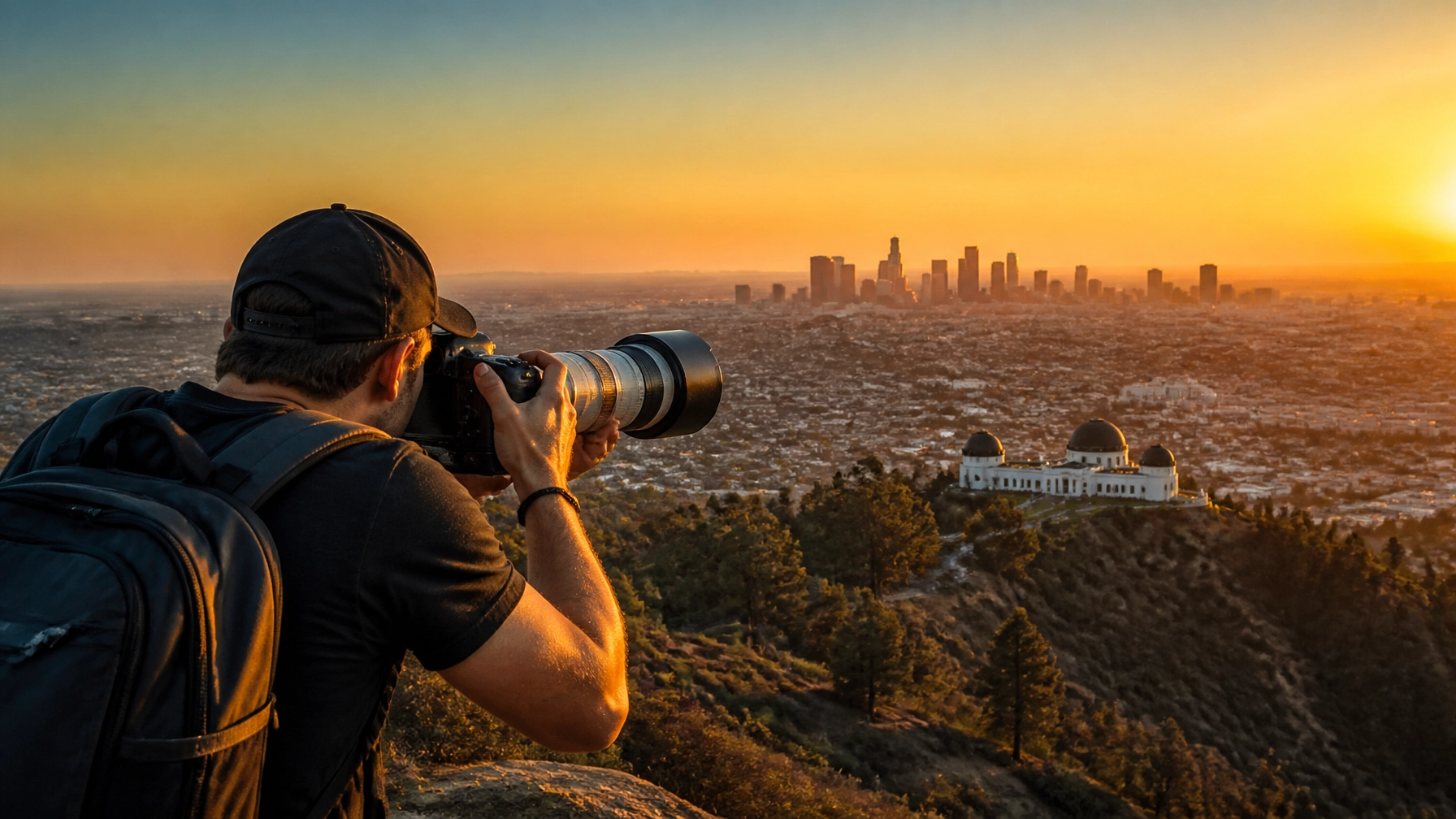
Natural light offers a dynamic range that can elevate your photos significantly. You’ll find the golden hours—shortly after sunrise and before sunset—provide a warm, diffused light that flatters subjects and enhances colors. Pay attention to how sunlight interacts with the environment, casting ethereal shadows and highlights that refresh your vision. Experimentation is key; observe how variations in clouds and atmospheric conditions alter the natural light, giving you endless opportunities to capture unique moments.
The Impact of Direction and Quality on Mood
The direction and quality of light shape the emotional tone of your photographs. Front lighting creates a flat appearance, while side lighting adds texture and depth, enhancing the three-dimensionality of your subjects. Backlighting can evoke a sense of mystery or drama, producing silhouettes or striking highlights around your subject. The soft quality of overcast light often conveys a dreamy aesthetic, while harsh midday sunlight can create intense contrasts and stark shadows, amplifying feelings of tension and urgency.
When photographing in different lighting conditions, consider how the light’s direction can influence the viewer’s emotions. For example, a portrait taken with soft afternoon light will feel warm and inviting, often evoking feelings of nostalgia. In contrast, an image captured in the stark light of midday can lead to feelings of unease or harshness. By strategically choosing your light source and its angle, you can emphasize the desired emotion, leading your audience not just to see the image but to feel it, connecting them more profoundly to your work.
Composition Alchemy: Transforming Ordinary Scenes into Visual Masterpieces
Mastering composition can elevate your photography from average to extraordinary. With just a few adjustments, you can transform mundane scenes into captivating visual experiences. Techniques such as considering the placement of elements, balancing negative space, and embracing symmetry can enhance your images, drawing the viewer’s eye to the main subject. Experimenting with various perspectives can also unveil fresh interpretations of familiar subjects, encouraging you to explore the hidden beauty of your surroundings.
Rule of Thirds vs. Breaking the Rules: Creating Dynamic Images
The Rule of Thirds offers a foundational approach to composition by dividing the frame into nine equal sections, placing key elements along the gridlines for balanced images. However, breaking this rule can lead to unexpected creativity, allowing you to challenge traditional norms and embrace asymmetry. In doing so, you can create striking compositions that elicit emotional responses and engage your audience in new ways.
Leading Lines and Framing: Directing the Viewer’s Eye
Utilizing leading lines and natural framing helps direct the viewer’s gaze towards the focal point of your image. Elements such as roads, fences, or rivers can act as pathways that guide the viewer’s eye through the photograph. Incorporating natural frames—like doorways or branches—adds depth and context, ensuring your subject stands out against the surrounding elements. By strategically positioning these components, you create a visual journey that draws the audience in and invites exploration.
Leading lines create a dynamic sense of flow, encouraging viewers to move through your composition visually. For instance, a winding path leading off into the distance evokes a sense of adventure and curiosity. Framing elements can isolate your subject, providing a clear focal point while simultaneously offering context to the scene. When you use these techniques thoughtfully, the viewer’s experience becomes immersive, making your photographs not only captivating but instantly relatable. Incorporating such strategies allows you to bend traditional composition rules, translating your unique perspective into compelling narratives within each frame.
Mindful Photography: Cultivating Presence and Intuition
Approaching photography with mindfulness opens a direct channel to creativity and clarity. By grounding yourself in the present moment, you can connect more deeply with your surroundings, allowing you to perceive the subtleties often overlooked. Training your mind to focus on the here and now fosters authentic expressions in your work. This practice cultivates intuition, guiding your eye to capture the extraordinary in the ordinary. You become more than just a photographer; you transform into an observer, noticing the interplay of light, shadow, and emotion that brings your images to life.
The Art of Patience: Waiting for the Perfect Moment
Patience is an invaluable trait in photography, enabling you to receive the most compelling imagery that unfolds in front of you. Good things often come to those who wait, and in photography, this translates to such moments as the perfect lighting or an unexpected action that brings your shot to life. By allowing yourself to observe and wait for the right conditions instead of rushing in, you significantly enhance your chances of eliciting the narrative you’re trying to tell through your work.
Engaging All Senses to Enrich Your Visual Storytelling
Engaging your senses while shooting can lead to richer storytelling in your photography. You may find that sounds, textures, and scents not only inform your creative decisions but can also influence how you capture and frame your subject. When you’re aware of the world around you—listening to the rustle of leaves or the hum of city life—you can evoke emotions and atmospheres that resonate deeply with viewers. Your photographs can communicate more than just a visual message; they can encapsulate an entire sensory experience.
By tuning into the environment around you, you can discover unique angles and compositions that enable others to feel what you felt in that moment. For example, the crispness of autumn leaves can prompt you to capture vibrant fall colors, while city sounds may lead to dynamic, candid shots of street life. Consider how sight, sound, touch, and even smell can guide your creative instincts and shape your visual narratives, making your images more immersive and evocative.
Post-Processing Wizardry: Elevating Your Images from Good to Stunning
Mastering post-processing can turn an average photograph into a breathtaking piece of art. With programs like Adobe Lightroom and Photoshop, you can adjust exposure, color balance, and sharpness, breathing new life into your images. By employing advanced tools like layers and masks, you can manipulate specific areas, creating striking contrasts and enhancing details that draw the viewer’s attention. A little bit of editing magic can make all the difference in how your work is perceived.
Essential Editing Techniques for Beginners
Start with basic adjustments such as cropping for composition, adjusting brightness and contrast, and tweaking saturation. Utilizing presets can also streamline your workflow while providing a great jumping-off point if you’re unsure where to begin. Learning how to use histograms will guide your exposure levels, ensuring you deliver well-balanced photographs without losing detail in highlights or shadows.
How to Develop Your Unique Style Through Editing
Finding your unique editing style requires exploration and experimentation with different techniques, color palettes, and effects. Analyze the works of photographers you admire but do not hesitate to put your own spin on them. Create a mood board of your favorite edits to nurture your eye for consistency in colors, tones, and themes.
Once you identify elements that resonate with you, start applying these consistently across your portfolio. Whether you gravitate towards a moody, desaturated aesthetic or a vibrant, high-contrast look, consistency will help define your brand. Regularly revisiting and refining your approach ensures that your editing evolves as you grow, allowing your style to mature organically over time. By experimenting and refining your techniques, you’ll carve out a niche that reflects your vision, making your photographs truly your own.
Connecting with the World: Building Community and Receiving Feedback
Joining a community of fellow photographers stimulates growth and inspires creativity. Whether online or in local meet-ups, surrounding yourself with others who share your passion can motivate you to push the boundaries of your abilities. Engaging with this community allows you to share your experiences, exchange knowledge, and foster invaluable connections that not only enrich your skills but also deepen your understanding of photography as an art form.
Leveraging Social Media to Grow Your Skills
Social media platforms like Instagram, Facebook, and TikTok serve as vibrant communities where you can showcase your work and draw inspiration. Following photography accounts, participating in challenges, and utilizing relevant hashtags can help you gain visibility while connecting with others. By engaging with your audience through comments and messages, you begin networking and building relationships that can lead to further opportunities, collaboration, and growth.
Finding Constructive Critique to Accelerate Development
Seeking feedback can propel your photography journey forward. By approaching peers or mentors for constructive critique, you enhance your skills significantly. Consider joining dedicated photography forums or local clubs where experienced photographers can provide insights on your work. Platforms like 500px, Flickr, and Reddit offer communal spaces for sharing images and receiving thoughtful responses that challenge your perspective and lead to breakthroughs in your creativity.
When looking for constructive critique, focus on establishing relationships with others who are open to sharing their thoughts and insights. Start by sharing specific pieces of work you want feedback on, and frame your questions to guide the critique in a valuable direction. Engaging with a variety of opinions not only sharpens your technical skills but exposes you to different styles and techniques, enriching your creative toolbox and pushing your artistic boundaries as you grow in confidence.
To wrap up
Hence, by incorporating esoteric techniques such as intentional camera movement, double exposure, and the use of light creatively, you can significantly elevate your photography skills as a beginner. Experimenting with these methods will not only enhance your artistic vision but also deepen your understanding of the photographic process. As you embrace these unconventional approaches, you will discover unique ways to express your perspective, ultimately leading to more compelling and personal images. Embrace the journey, and let your creativity flourish.




Leave a Reply
You must be logged in to post a comment.