

Just knowing how to take a photo isn’t enough; to truly elevate your work, you need to master the art of composition. Understanding various composition techniques can dramatically improve the visual impact of your images, guiding your viewers’ eyes and creating a stronger connection with your subject. In this guide, you’ll discover powerful compositional tips that will help you capture stunning photographs and enhance your storytelling ability through imagery. Get ready to transform your photography skills and make your shots stand out like never before!
Understanding Visual Composition
To enhance your photography skills, it’s crucial to grasp the concept of visual composition. This refers to the arrangement of elements within your frame and how they interact to create a strong image. By understanding how various components come together, you can convey emotions, tell stories, and capture your viewer’s attention with striking clarity.
Key Elements of Composition
Any successful photograph relies on key elements of composition such as rule of thirds, leading lines, and framing. These principles guide you in making thoughtful choices about where to place your subject, how to direct the viewer’s eye, and how to create a sense of depth and movement. Mastering these components will significantly enhance the overall impact of your images.
Importance of Balance and Harmony
If you want your photographs to resonate with viewers, achieving balance and harmony is vital. This involves distributing visual weight throughout your frame, ensuring that no single element dominates excessively. A well-balanced composition helps maintain the viewer’s interest, creating a cohesive image that feels complete and satisfying.
Balance in photography can be achieved by adjusting the placement of your subjects and using negative space effectively. By harmonizing contrasting elements, like light and shadow or different colors, you not only strengthen the visual impact of your work but also evoke a deeper emotional response from your audience. This sense of equilibrium guides the viewer’s gaze and maintains their engagement with your image.
The Rule of Thirds
Any photographer seeking to elevate their visual storytelling should become familiar with the Rule of Thirds. This compositional technique involves dividing your frame into a 3×3 grid, placing key elements along the lines or at their intersections. By breaking away from centered compositions, you create a more balanced and dynamic image that draws the viewer’s eye across the frame. Utilizing this guideline can enhance the overall impact of your photographs, making them more aesthetically pleasing and engaging.
How to Apply the Rule
On your camera, activate the grid display in your viewfinder or screen to visualize the Rule of Thirds. When composing your shot, position your main subject—whether it’s a person, landscape, or object—along one of the grid lines or at an intersection. This practice encourages a more natural flow and directs the viewer’s eye to the focal point while providing context from the surrounding elements in your frame.
Examples of Effective Use
Rule of Thirds can be effectively applied in landscapes, portraits, and street photography. Placing the horizon along the top or bottom third creates a sense of depth, while positioning subjects at intersections can make them more engaging and distinct. You can also experiment with alignments, such as leading lines converging at a third, enhancing both interest and clarity in your images.
It’s important to observe examples of the Rule of Thirds in practice to fully appreciate its impact. Consider iconic photographs where the horizon is placed on the top third, enabling the sky or foreground to dominate the scene. In portraits, when you position your subject’s eyes at the upper intersection points, the result is often arresting and allows viewers to connect with the subject more profoundly. By analyzing successful images, you can gain insights into how to apply this rule effectively in your work.
Leading Lines
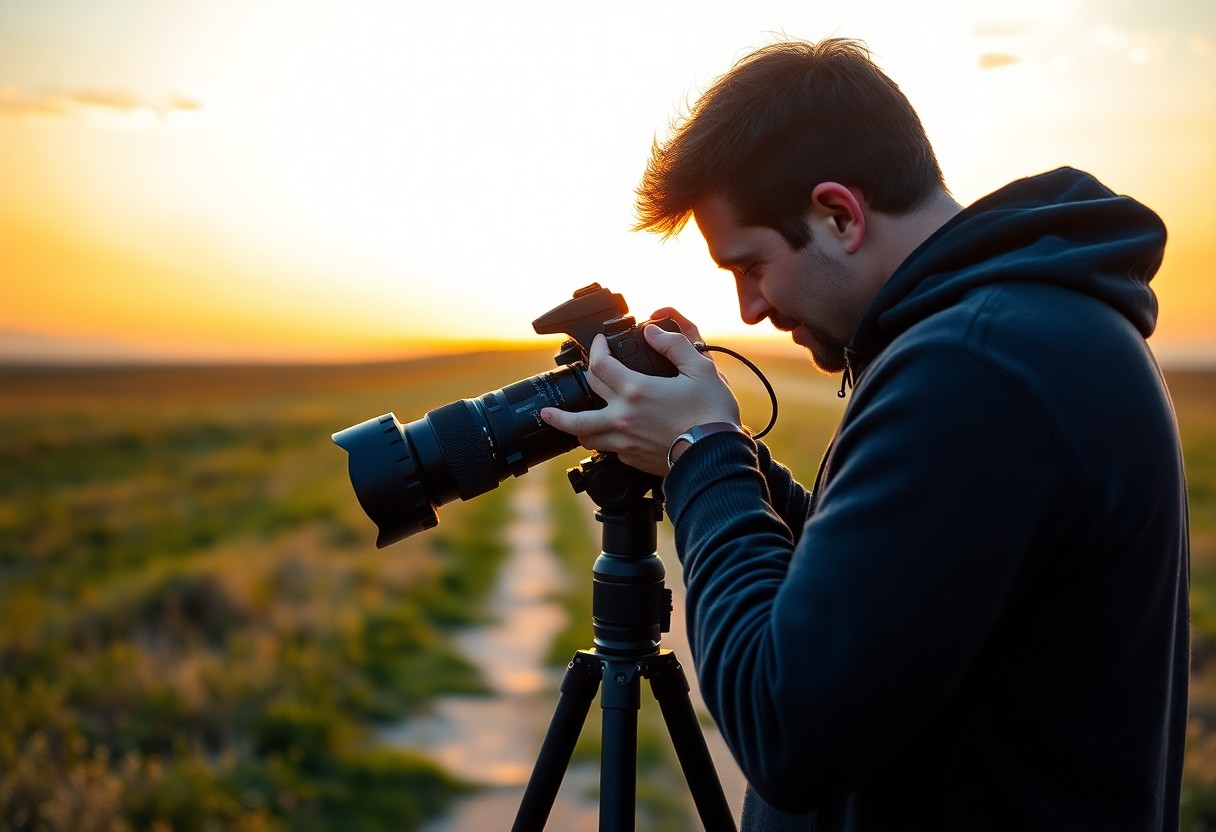
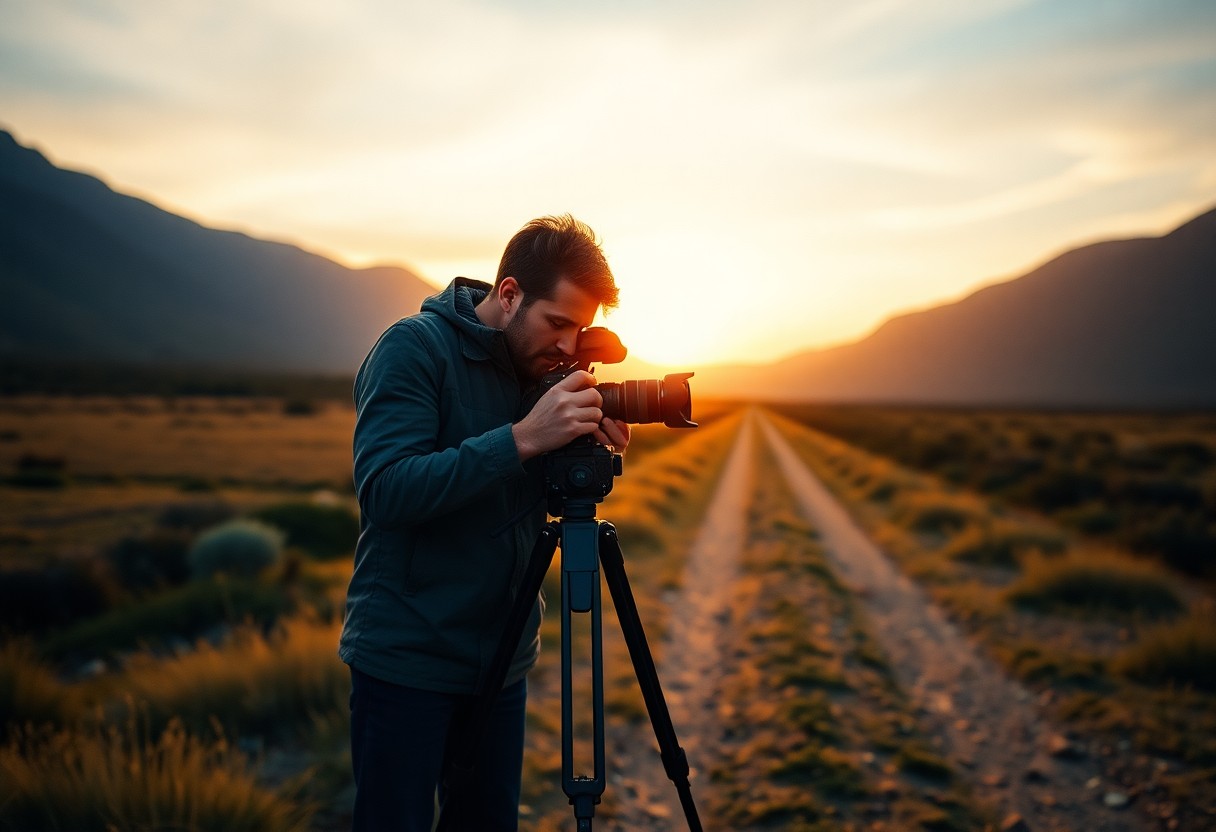
Now that you understand the importance of composition, leading lines can significantly guide your viewer’s attention within your photographs. By using natural or man-made lines, you can create a sense of depth and movement, effectively drawing the viewer into the scene. Look for paths, roads, fences, or any linear elements that can lead the eye and enhance the story you want to tell through your imagery.
Identifying Leading Lines in Your Environment
Assuming you’re exploring your surroundings, take a moment to observe how various elements interact. Look for edges and lines in architecture, roads that wind into the distance, or even fences that lead towards a focal point. Identifying these lines can help to frame your subject and create a more dynamic composition.
Techniques for Incorporating Leading Lines
Your approach to incorporating leading lines starts with positioning your camera strategically. Experiment with varying angles, so the lines truly lead the viewer’s gaze. Try to merge these lines with other compositional elements, such as the rule of thirds or framing, allowing your images to flow naturally and create visual interest.
A thoughtful application of leading lines can enhance the strength of your photography significantly. You might find that positioning your subject along the path of these lines not only draws attention but also strengthens the overall narrative of the image. Using different perspectives, such as shooting from low to high or experimenting with depth of field, can emphasize leading lines even further, making your photographs more compelling and engaging.

Framing Your Subject
After you’ve identified your subject, consider how to frame it effectively. Framing not only draws attention to your main focus but also helps provide context and depth to your composition. Utilizing frames can enhance visual storytelling, guiding the viewer’s eye to the important elements of your photograph.
Natural vs. Man-made Frames
You can choose to frame your subject with elements from nature, like trees, branches, or landscapes, or opt for man-made structures, such as windows, doorways, or archways. Each style can convey a different mood or message, so consider what best suits your photography style and intentions.
Tips for Effective Framing
If you want to create more powerful and visually appealing images, consider these tips for effective framing:
- Use elements in your surroundings as a frame.
- Pay attention to the depth and perspective.
- Keep the framing subtle to avoid distraction from the subject.
- Experiment with various angles and distances.
Perceiving the relationship between your subject and the framing elements can lead to more dynamic and interesting photographs, helping you create a stronger visual narrative.
This approach to framing not only enhances your composition but can also offer different interpretations of the subject. Test various frames in your shots and evaluate their effectiveness by considering how they complement your main subject.
- Incorporate leading lines for added direction.
- Use contrast in colors or textures for emphasis.
- Frame within the frame for layered storytelling.
- Always analyze your shot in terms of balance.
Perceiving these aspects can elevate your photography and engage your viewers more deeply.
Using Negative Space
Despite the often overlooked potential of negative space in photography, it plays a vital role in enhancing visual impact. By intentionally incorporating areas of emptiness around your subject, you can draw greater attention to it, creating a more compelling composition. This technique allows your viewer’s eye to focus solely on the subject while adding depth and context to the overall image.
Definition and Importance of Negative Space
Even if you are new to photography, understanding negative space is vital. It refers to the empty or open areas surrounding your main subject. By utilizing negative space effectively, you enhance your composition’s balance, guide the viewer’s eye, and evoke a sense of emotion or storytelling. This approach can transform an ordinary image into a powerful visual statement.
How to Create Impact with Negative Space
Space offers you an opportunity to refine your photographic style. Start by simplifying your composition—eliminate any distractions that compete with your subject. Use open areas strategically to create breathing room and highlight your focal point. By adjusting your angles and framing, you can effectively increase the surrounding negative space, reinforcing your subject’s significance.
Understanding how to harness negative space can significantly elevate your photography. Experiment with various compositions and perspectives to discover what resonates best with your style. By placing your subject off-center or highlighting expansive backgrounds, you’ll create images that evoke curiosity and focus. The goal is to balance your subject with its surroundings, leaving enough space for interpretation and emotional connection in every frame.
Color and Mood in Photography
Once again, the impact of color in your photography cannot be overstated. Understanding how different hues affect the viewer’s emotions allows you to craft a visual narrative that resonates deeply. By applying color strategically, you can elevate your images from mere snapshots to compelling storytelling pieces, inviting the audience into the mood you wish to convey.
The Psychology of Color
Clearly, colors evoke specific emotions and can significantly shape a viewer’s perception. For example, warm tones like red and orange can create feelings of warmth and excitement, while cooler hues like blue and green often promote calmness and tranquility. Knowing the psychological effects of color will empower you to choose your palette wisely in your photography.
Enhancing Mood through Color Choices
You can influence the emotional impact of your images by selecting color palettes that align with the mood you wish to convey. Bright, vibrant colors can evoke happiness and energy, while muted tones often suggest nostalgia or melancholy. Your choices in contrasting or complementary colors can also amplify the focal points in your images.
The interplay of colors within your composition not only enhances the story you want to tell but also guides the viewer’s gaze. Think about how a splash of color can emphasize an emotion or draw attention to a particular subject. Experiment with different combinations, and you’ll discover how color influences mood, allowing your photography to resonate on a deeper level.
Summing up
As a reminder, enhancing visual impact in your photography involves mastering composition techniques that draw the viewer’s eye and convey your intended message. By applying principles like the rule of thirds, leading lines, and framing, you can elevate your images and create a more compelling narrative. Experiment with angles and perspectives to discover fresh visuals, and don’t shy away from post-processing to refine your final shot. With practice, you’ll develop a unique style that resonates with your audience and captures the beauty of your subjects.



Leave a Reply
You must be logged in to post a comment.