

Over time, mastering composition can significantly enhance your photography skills and set your work apart. By understanding the principles of effective composition, you can create visually striking images that resonate with your audience. This guide will provide you with practical tips that you can easily incorporate into your shooting routine, helping you make thoughtful decisions about framing, balance, and perspective. Elevate your photography with these smart composition techniques tailored for your creative journey.

Understanding Composition
As a photographer, understanding composition is key to creating striking images. It refers to the arrangement of elements in your frame, guiding the viewer’s eye and establishing a visual narrative. Mastering fundamental principles will help you elevate your work and effectively convey your intended message through photographs.
The Rule of Thirds
Understanding the Rule of Thirds involves dividing your frame into nine equal parts by two horizontal and two vertical lines. By positioning your subject along these lines or at their intersections, you create balance and interest, making your composition more compelling. This simple technique can enhance your storytelling and invite viewers to engage more deeply with your images.
Leading Lines
On your photographic journey, incorporating leading lines can draw the viewer’s attention to specific points of interest or guide their gaze through the image. These lines can be natural, such as roads or rivers, or man-made, like fences or pathways, creating a sense of depth and perspective in your composition.
Leading lines are a powerful tool in your composition arsenal. They can direct the viewer’s eye towards the subject, enhancing the overall narrative of the photograph. Use them to create a sense of movement and depth, leading the viewer through your image. Experiment with different angles and perspectives to discover how line placement can influence the mood and impact of your shots.
Utilizing Light to Enhance Composition
While mastering composition in photography, utilizing light effectively can transform your images dramatically. Light not only shapes the subject but also influences the mood and perception of your photographs. Whether you are capturing landscapes or portraits, understanding how to manipulate and harness natural and artificial light will elevate your work and provide greater depth and dimension to your compositions.
Natural vs. Artificial Lighting
Some photographers find that natural light is often more flattering and dynamic, while others embrace the versatility of artificial lighting. The key is to understand the strengths and weaknesses of each type. Natural light varies throughout the day, creating different atmospheres, while artificial lighting allows you to have more control over your scene. Experimenting with both can give you a unique edge in your compositions.
Golden Hour Techniques
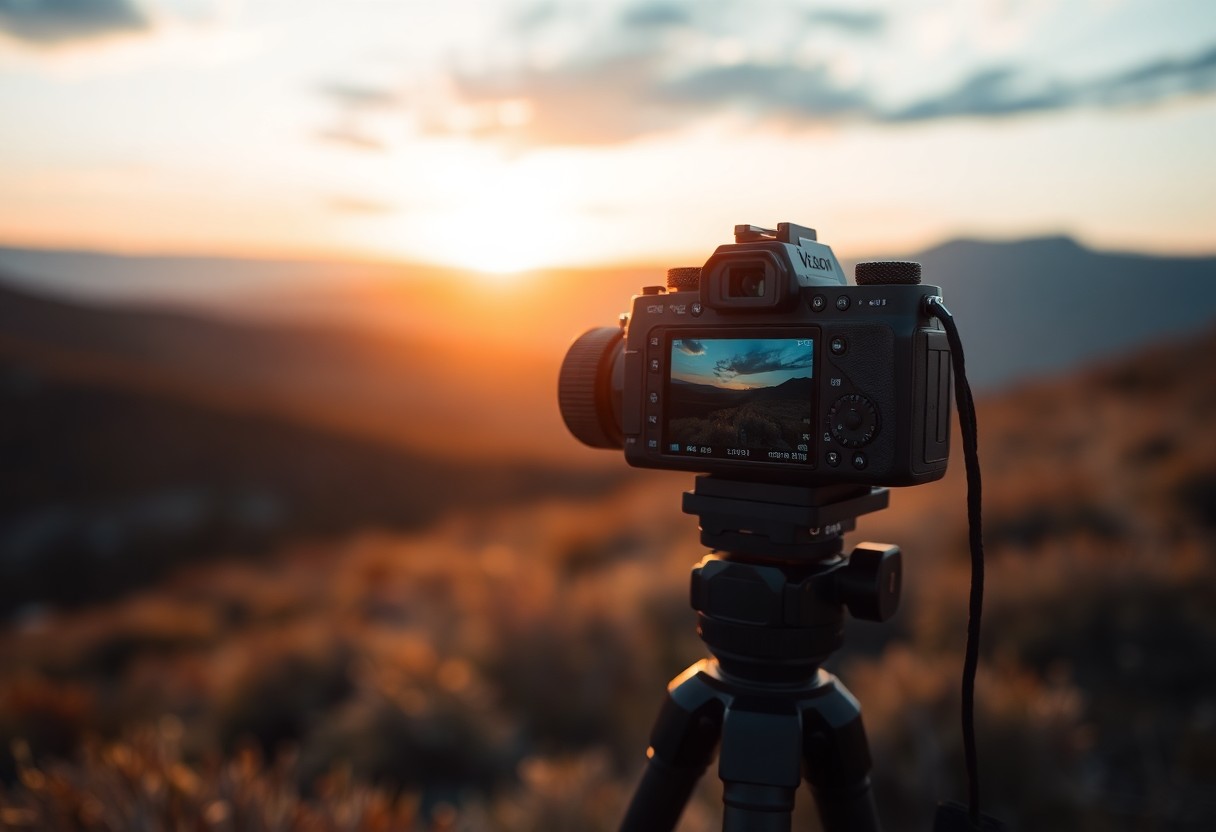
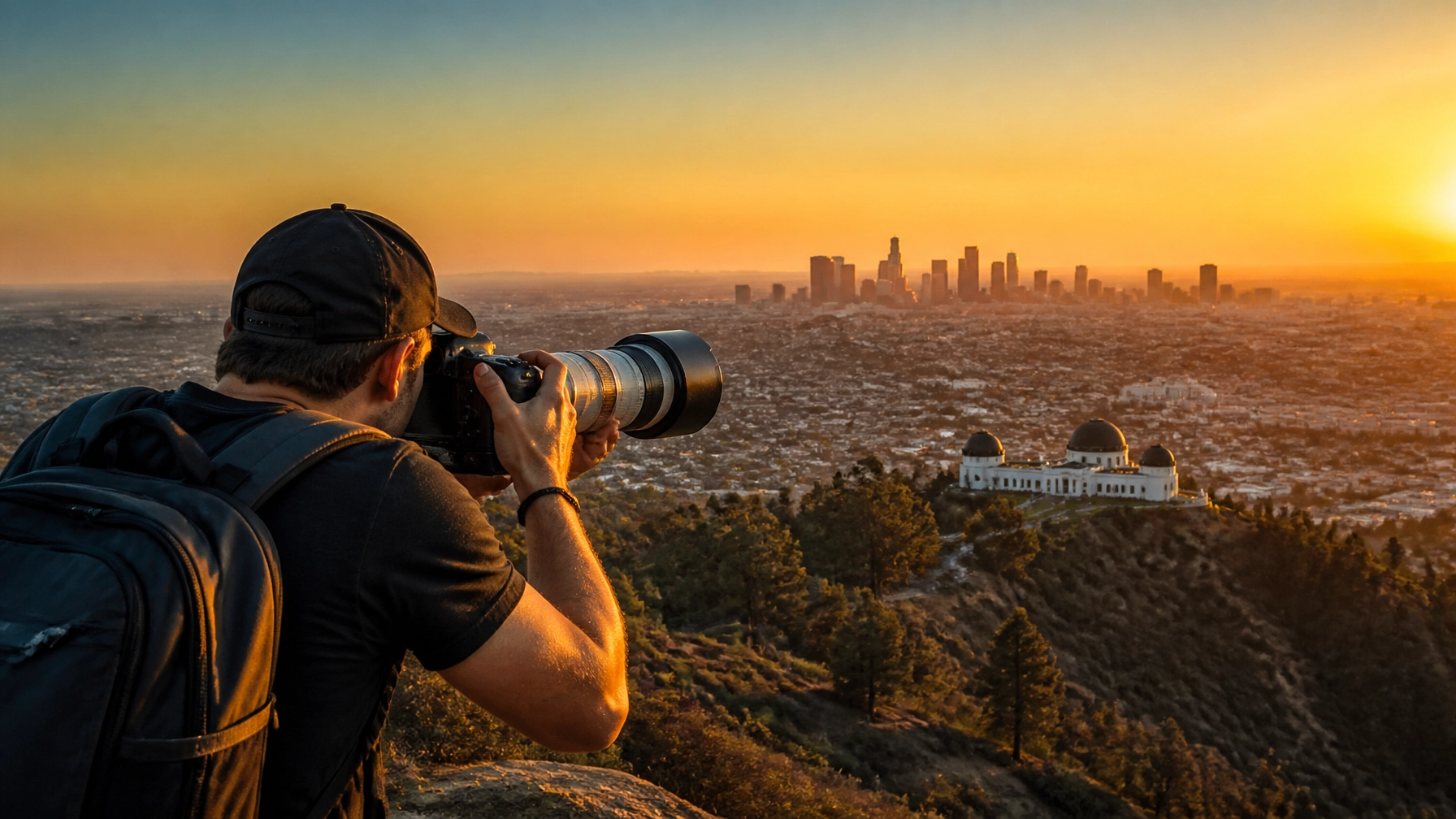
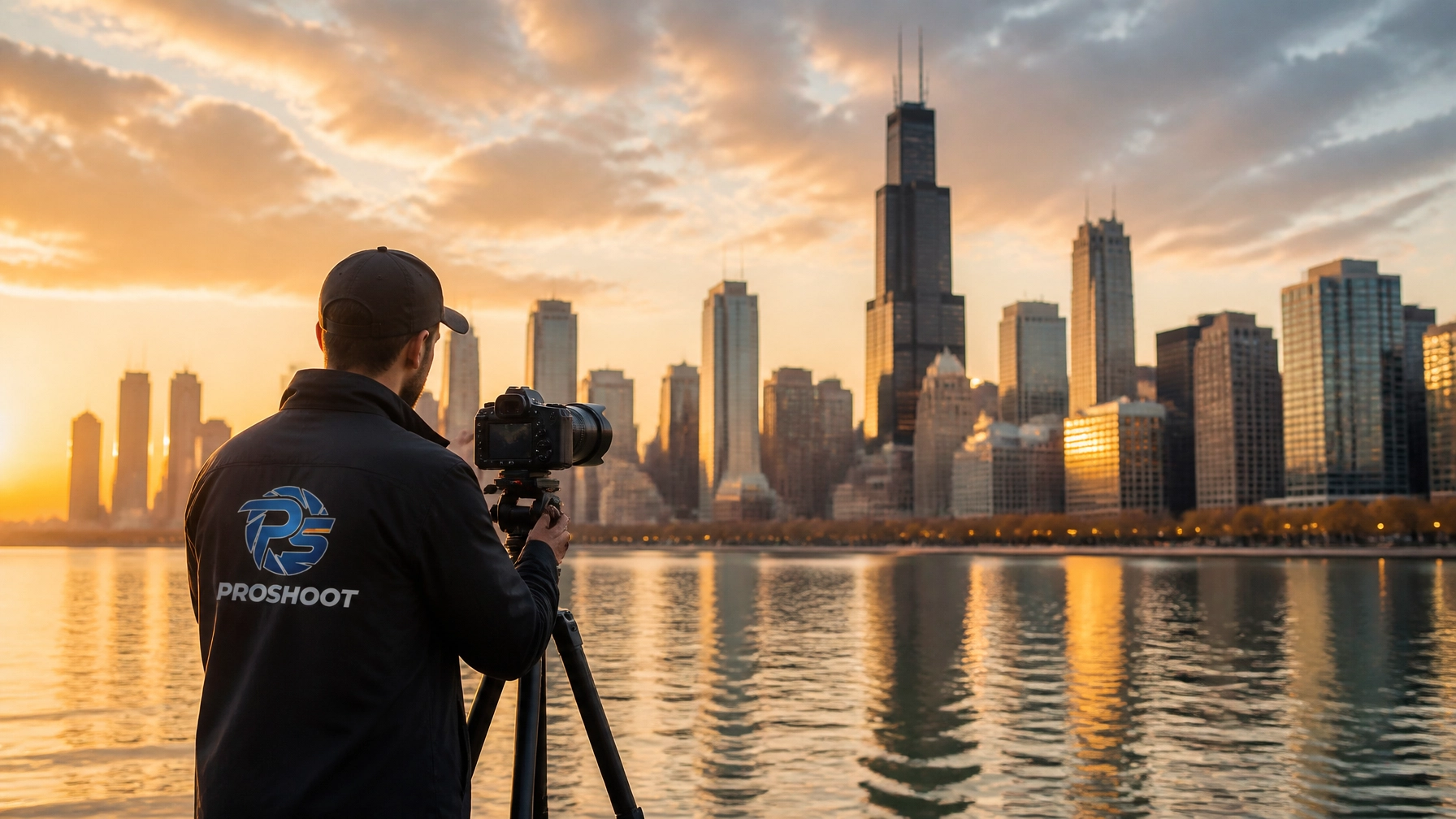
Techniques for capturing images during the golden hour can create stunning visual impact in your photography. This magical time, occurring just after sunrise or just before sunset, offers soft, warm, diffused light that enhances colors and reduces harsh shadows. By positioning your subject to utilize backlighting or sidelight, you can create captivating silhouettes and textures, adding depth to your compositions. Additionally, incorporating the landscape at these times can enhance your image, allowing you to play with reflections and contrast.
Understanding the significance of golden hour lighting enables you to plan your shoots strategically. You’ll want to arrive at your chosen location early and take advantage of the soft light that can transform ordinary scenes into extraordinary photographs. Be mindful of your composition during this time, as the dynamic interplay of light and shadow can add drama and interest. Use this fleeting moment to experiment with angles and framing, capturing the essence of your subject beautifully, enriched by the natural luminance that surrounds it.
Choosing the Right Perspective
Some of the most striking photographs emerge from a unique perspective. Altering your angle can transform a mundane scene into an extraordinary image, encouraging you to explore various heights and distances. Experimenting with different vantage points can reveal details and emotions you may have overlooked, helping to create a more engaging narrative in your photography.
High vs. Low Angles
Some shots gain dramatic impact from high angles, which can provide a sense of scale or vulnerability, while low angles often evoke power or dominance. It’s important to understand how these angles influence the viewer’s experience. Whether you’re praising a towering skyscraper or capturing an intimate moment, the angle you choose plays a significant role in conveying your message.
Framing Your Subject
Even the best subjects can fall flat without proper framing. Framing adds context and can direct the viewer’s eye to your main subject, helping it stand out in the composition. Utilizing elements in the environment such as branches, windows, or doorways can significantly enhance your images and create a cohesive visual story.
Plus, effective framing can lead to a powerful focal point, drawing the viewer’s attention immediately to what you want to highlight. By incorporating natural lines and shapes in your surroundings, you can create depth that guides the eye through the image. This technique not only emphasizes your subject but also adds layers to the composition, enriching the viewer’s experience. Don’t hesitate to play with different framing methods to discover what resonates with your style and enhances your narrative.
Mastering Depth and Layers
For photographers looking to elevate their work, mastering depth and layers in your compositions can significantly enhance visual interest. By utilizing various elements within your scene, you can create a strong sense of space and invitation, guiding the viewer’s eye through your image. Incorporating depth can transform an ordinary shot into an extraordinary one, making your photography more engaging and dynamic.
Foreground, Midground, Background
An effective composition is often structured through the careful arrangement of foreground, midground, and background elements. By placing interesting subjects in each layer, you can lead the viewer’s gaze through your image and create a more immersive experience. Ensure that each element contributes to the narrative of your photograph, adding context and richness to your work.
Creating Dimension in Your Shots
Creating dimension in your shots involves more than just layering; it requires thoughtful consideration of perspective and viewpoint. By incorporating various planes and elements at different distances, you can enhance the three-dimensional feel of your images. Employ techniques such as low-angle shots or wide apertures to blur backgrounds, drawing focus to your main subject while adding depth to the overall composition.
Mastering dimension is about experimenting with visual cues that provide depth, such as lines, textures, and contrasting colors. You can utilize leading lines to draw the eye deeper into the frame or position foreground objects to frame your main subject, enhancing interest. By playing with angles and focal lengths, you’ll open up new possibilities for complexity and depth in your photographs, ultimately creating more impactful imagery.
Tips for Effective Editing
Many photographers overlook the editing stage, yet it is key to transforming their work. To elevate your photography through effective editing, consider the following tips:
- Use adjustments sparingly for a polished look.
- Emphasize your subject through focused cropping.
- Maintain consistency across your portfolio.
- Experiment with filters but stay true to your style.
This will greatly enhance the overall impact of your images.
Cropping and Resizing for Impact
With thoughtful cropping and resizing, you can draw your viewer’s attention exactly where you want it. This process not only helps in eliminating distractions but also creates a stronger composition that enhances your subject’s presence.
Adjusting Contrast and Saturation
On the other hand, adjusting contrast and saturation can breathe life into your images. Fine-tuning these elements helps to define shapes and add vibrancy, making your work more visually striking.
This technique helps your photos stand out by ensuring that highlights are bright, shadows are deep, and colors pop. By carefully adjusting contrast, you can add depth to your images, while increasing saturation adds richness. Striking the right balance will help maintain a natural look while still making your photos impactful. Aim for enhancements that complement your style, ensuring your final images resonate with your audience.

Factors That Influence Composition
Unlike many assume, effective composition is shaped by various elements that enhance your photography. Key factors to consider include:
- Lighting conditions
- Perspective and angle
- Framing and distractions
- Line and shape
- Balance and symmetry
Recognizing these influences can significantly elevate the quality of your work.
Mood and Emotion
Clearly, the mood and emotions you want to convey through your photos play a significant role in composition. You can use lighting, colors, and subject placement to evoke specific feelings, transforming a simple snapshot into a powerful message. Pay attention to how these elements interplay to create the atmosphere you desire.
Subject Matter Considerations
Little details in your subject matter can make a world of difference in your composition. By understanding what you want to communicate, you can select subjects that resonate with your audience and enhance the overall impact of your images.
This involves more than just choosing a visually appealing subject; it’s about understanding the story behind it. You should think about the context, the relationship between elements in your frame, and how they collectively shape the narrative. Elevating the importance of your subject will lead to more engaging and thoughtful compositions in your photography.
Summing up
Presently, employing effective composition techniques can profoundly elevate your photography. By understanding principles like the rule of thirds, leading lines, and balance, you can create visually striking images that captivate your audience. Experimenting with perspective and framing will further enhance your storytelling ability through your work. Don’t hesitate to analyze and learn from the masters, as this will refine your eye for detail. Ultimately, the more you practice and apply these smart photography tips, the more your unique style will flourish, ensuring that your images stand out in a competitive landscape.



Leave a Reply
You must be logged in to post a comment.