
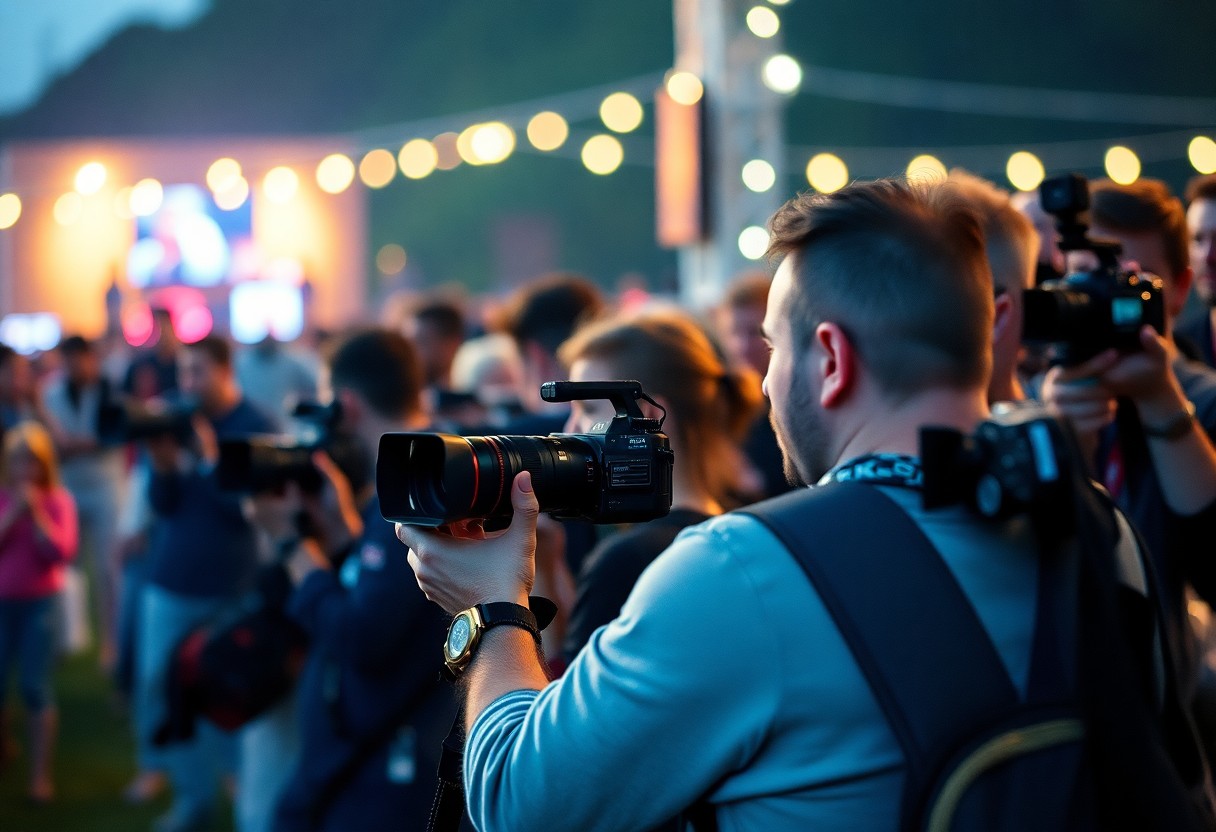
Most photographers aspire to create a unique signature style that resonates with their audience, particularly in the dynamic world of event photography. Understanding the myriad perspectives that shape your creative vision is necessary in capturing moments that not only tell a story but also reflect your individual artistic flair. This post explores the various distinctive approaches you can adopt to enhance your photography, offering insights that will empower you to develop a style that is distinctly yours. Let’s examine into the perspectives that can elevate your event photography to new heights.
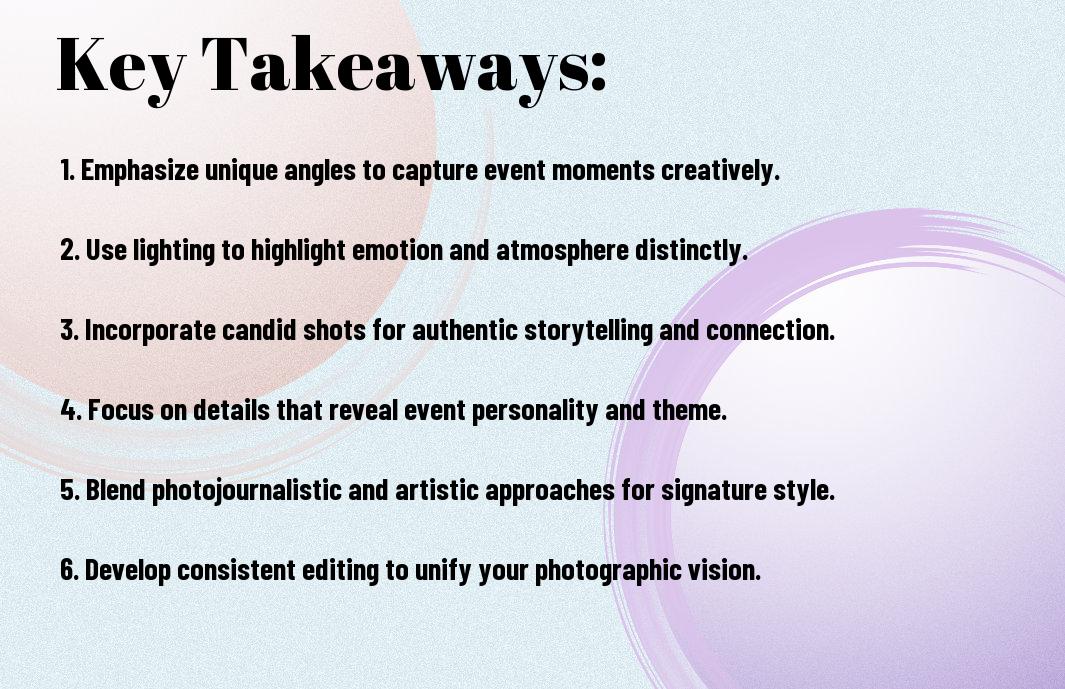
The Power of Narrative: Crafting Stories Through Lenses
Narrative in event photography extends beyond mere documentation; it’s about weaving a visual tale that resonates with viewers. Moments captured through your lens can evoke a spectrum of emotions, transforming standard images into compelling stories that people can connect with. Each photograph can reflect a chapter of experience, leaving your audience immersed in the atmosphere of the event. By thinking like a storyteller, you can guide your composition choices, framing, and timing to accentuate the unfolding narrative.
Creating Emotional Resonance
Snapshots that convey profound emotion resonate deeply with viewers. Capturing expressions of joy, surprise, or even bittersweet moments adds a layer of relatability to your work. These raw feelings foster connections, turning your images into mirrors for the viewers’ own experiences and resonating long after the event. You might focus on a parent’s proud glance during a graduation or the laughter shared among friends, each image carrying unique emotional weight.
Capturing Authentic Moments
Authenticity is at the heart of powerful storytelling in event photography. You’ll find that candid shots often hold the essence of an event, showcasing the spontaneous interactions and genuine emotions that staged photos rarely capture. Being attuned to your surroundings allows you to seize these fleeting opportunities, creating a diverse portfolio that reflects the true spirit of the event.
When aiming to capture authentic moments, anticipate human interactions and emotional exchanges that define the occasion. Instead of just snapping posed portraits, keep your camera ready to document the unguarded laughter between friends or the moment a father embraces his daughter at her wedding. By staying present and engaged, you’ll be able to anticipate and thus capture those fleeting instances that convey a narrative far richer than any posed shot could achieve. This approach not only sets you apart as a photographer but allows your audience to feel the genuine emotions and atmosphere of the event, creating a lasting impact through your images.
The Role of Lighting: Designing Your Visual Palette
Lighting serves as the foundation of your event photography, shaping the mood and aesthetics of your images. Mastering various lighting techniques allows you to enhance your storytelling, directing the viewer’s attention to the vital moments. Whether it’s the soft, romantic glow at a wedding reception or dynamic, energetic colors at a corporate event, your choice of lighting can dramatically transform your narratives, adding depth and interest to your compositions.
Natural vs. Artificial Light Techniques
Utilizing natural light can evoke a sense of authenticity, making your subjects feel more connected to their environment. Conversely, artificial light provides the flexibility to shape scenes creatively, allowing you to achieve specific moods and effects regardless of the time of day. By mastering both techniques, you can adapt to various situations, ensuring each event is captured in its best light.
Creative Use of Shadows and Highlights
Shadows and highlights add dimensionality and intrigue to your photographs, creating a balanced composition that engages viewers. By intentionally placing your subjects in varying light conditions, you amplify textures and details that would otherwise go unnoticed. Experimenting with angles and sources of light can yield stunning results, transforming ordinary moments into dramatic visual narratives.
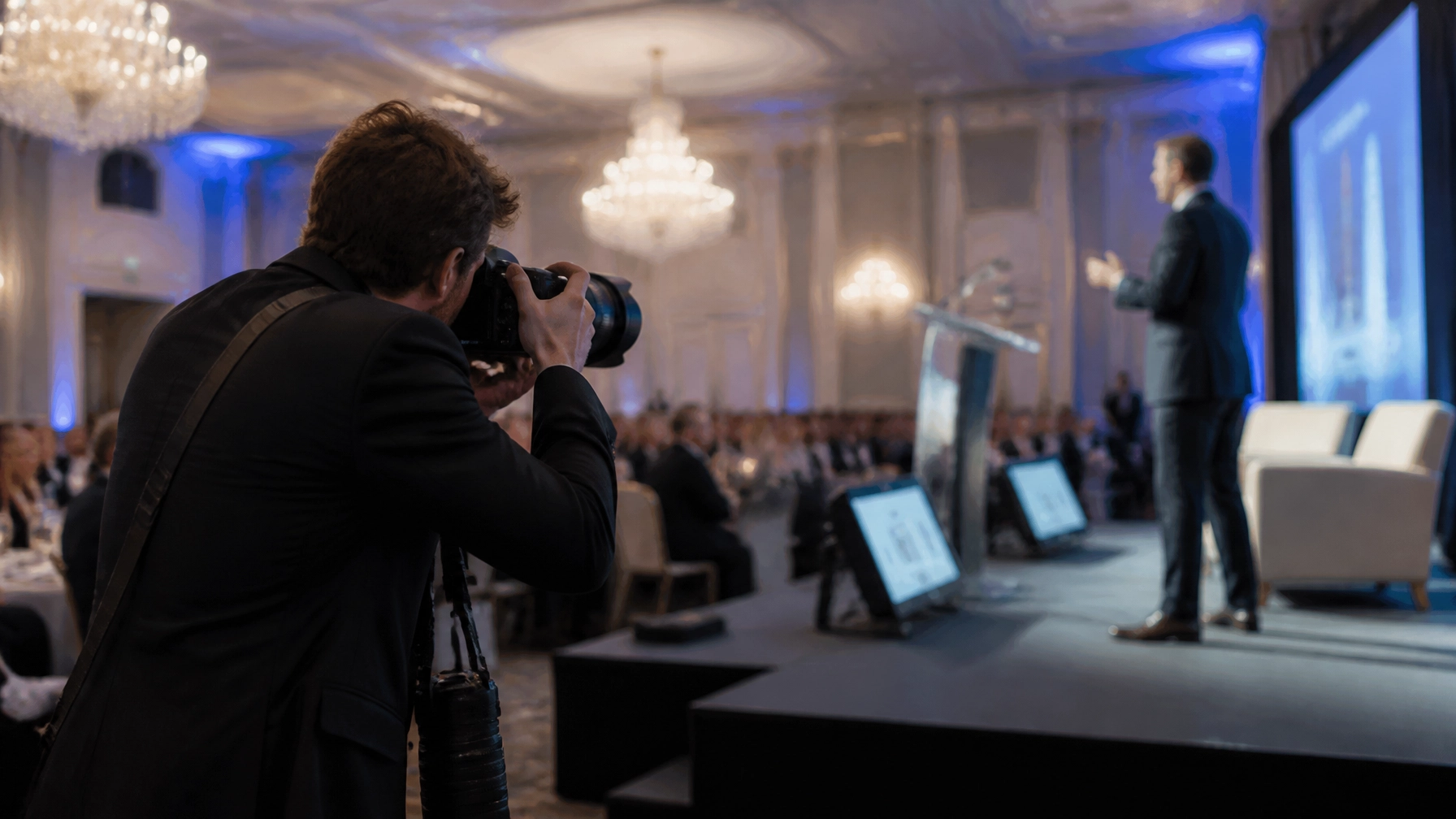
Your approach to shadows can define the emotional weight of your photographs. For example, during a gala, using shadows to silhouette subjects can create a striking contrast against vibrant event backdrops. You might capture a conference speaker illuminated solely by a spotlight, creating a powerful focal point while allowing the audience to fade into gentle obscurity. By adjusting angles and sources of light, you can highlight expressions, gestures, and intricate details that infuse life into your captures. This deliberate interplay between light and dark can elevate your work and reinforce your signature style in event photography.
Composition Mastery: Framing Your Unique Perspective
Mastering composition is key to defining your signature style in event photography. By understanding how to arrange visual elements within your frame, you can create engaging images that resonate with your audience and tell compelling stories. The way you direct the viewer’s eye can transform a simple moment into a striking narrative, highlighting the unique atmosphere and emotions of the event.
The Rule of Thirds and Beyond
The Rule of Thirds serves as a foundational guideline for composition, dividing your frame into nine equal parts with two horizontal and two vertical lines. Placing your subjects along these lines or at their intersections elevates the visual interest of your images. While this principle is effective, experimenting with unconventional compositions can lead to more dynamic and captivating photographs, allowing you to develop your style further.
Exploring Different Angles for Impact
Capturing events from various angles can significantly alter the perceived energy and emotion of your photographs. Instead of defaulting to eye-level shots, consider going low to the ground or finding elevated perspectives. Closer vantage points can heighten intimacy, while wide-angle shots can encapsulate the entire scene, showcasing the atmosphere and scale of the event. Each perspective brings a fresh narrative to the image, making your portfolio diverse and memorable.
Experimenting with angles not only enriches your photographs but also invites viewers to engage with the narrative more deeply. For instance, shooting a dance floor from above can convey the vibrant energy and chaos of the moment, while a close-up of a couple’s hands during an emotional exchange will evoke a sense of intimacy and connection. By varying your approaches—with a keen eye on the interaction between subjects and their environment—you elevate your storytelling while establishing a distinctive style.
Personal Aesthetic: Infusing Your Style Into Every Shot
Your personal aesthetic is a crucial aspect of event photography that enables your unique style to shine through. By incorporating elements such as your preferred composition techniques, subject focus, and emotional tones, you create a signature look that resonates with both you and your audience. Whether you lean towards a candid, photojournalistic approach or a more posed and editorial style, your aesthetic should reflect your artistic vision and storytelling ability, ultimately turning each shot into a representation of your creative identity.
Color Theory and Its Influence on Mood
The use of color in your photography can dramatically alter the mood and atmosphere of an event. Different colors evoke various emotions; for instance, warm colors like red and orange can generate feelings of excitement and energy, while cooler shades like blue and green may impart a sense of calmness and serenity. By consciously selecting color palettes that align with the event’s theme and ambiance, you enhance the emotional narrative, making your images more engaging and evocative.
Consistency vs. Variety in Image Styling
Striking a balance between consistency and variety in your image styling is vital for creating a cohesive yet dynamic portfolio. Consistency in editing style, color treatment, and composition helps to solidify your identity as a photographer, allowing viewers to instantly recognize your work. Meanwhile, introducing varieties such as different angles or creative techniques keeps your photos fresh and intriguing, preventing monotony. For example, blending traditional framing with innovative perspectives can showcase your adaptability while reinforcing your signature style.
Building Relationships: The Human Element in Event Photography
In event photography, human connections often become the heart of your storytelling. Establishing rapport with your subjects allows you to capture authentic moments that resonate deeply with viewers. Emphasizing candid expressions and genuine interactions transforms ordinary shots into memorable narratives, strengthening your distinctive style while conveying emotional depth.
Engaging with Subjects for Genuine Interactions
Engagement transforms staged photographs into organic memories. Taking the time to talk with attendees not only breaks the ice but also makes them feel comfortable and valued. When subjects sense your presence as a friendly observer rather than an intrusive lens, their natural emotions shine through, helping you seize those fleeting, impactful moments.
Networking and Collaborating with Event Planners
Building a strong connection with event planners is an important part of establishing your photography business. By understanding their vision, you create a seamless experience for both them and the clients. Collaboration may involve discussing themes, timelines, and key moments that should be highlighted, ensuring your photography aligns perfectly with the event’s goals.
Partnering with event planners can lead to countless opportunities. A well-connected planner may introduce you to high-profile clients, expand your network, and even recommend your services to future clients within the industry. Attending planning meetings and sharing insights about photography can not only inspire trust but also foster long-term relationships, leading to repeat business and referrals, thereby enabling you to grow your portfolio while refining your signature style.
Summing up
Hence, your signature style in event photography can be defined by blending unique perspectives, such as capturing candid moments, incorporating creative compositions, and utilizing varying lighting techniques. By understanding your audience, embracing your artistic voice, and consistently honing your skill set, you can create a distinctive visual narrative that resonates with those who view your work. Focus on what sets you apart and let that propel your passion for photography into captivating storytelling that reflects your personal brand.


Leave a Reply
You must be logged in to post a comment.