
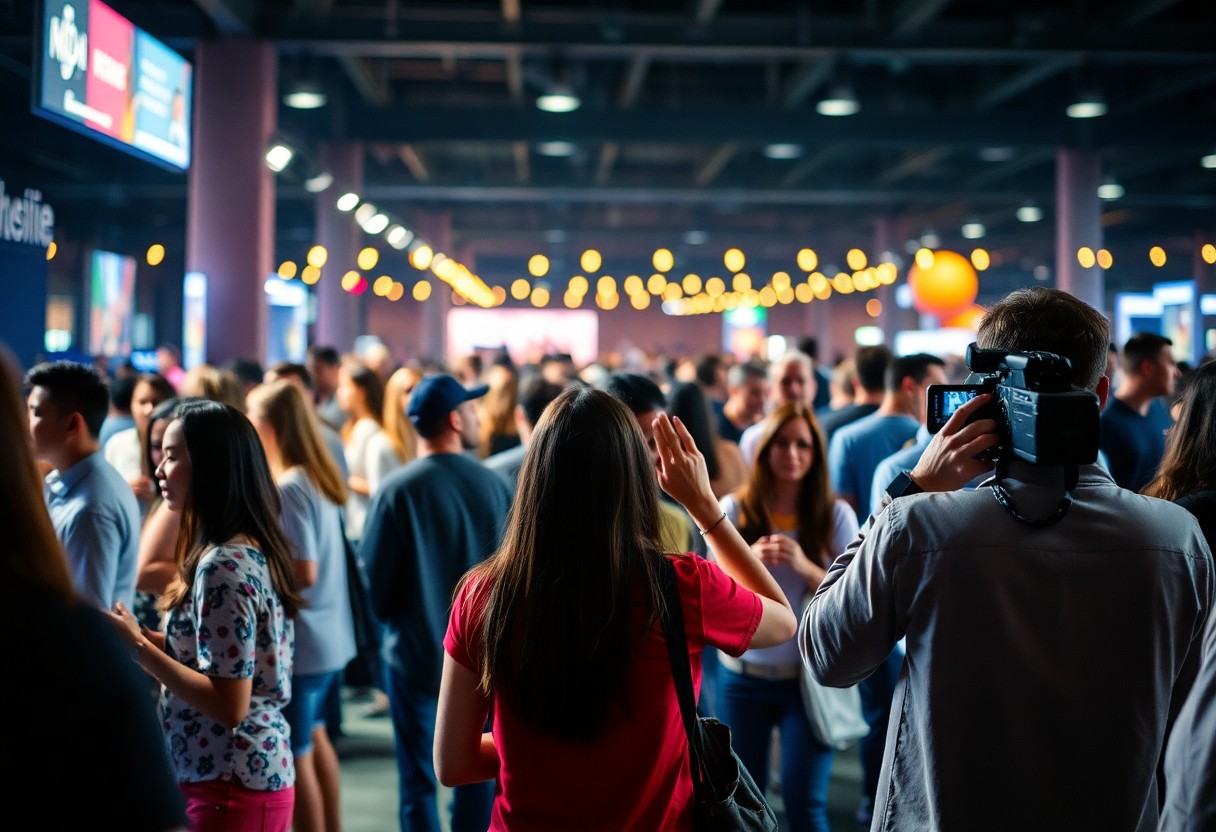
With the right approach, curated compositions of event photography can transform ordinary moments into compelling narratives that resonate with your audience. By thoughtfully selecting and arranging images, you can highlight emotions, capture atmosphere, and showcase key interactions that tell a story beyond mere documentation. This post will explore techniques and insights that empower you to create engaging visual tales from your event photography, allowing viewers to connect with the experience on a deeper level.
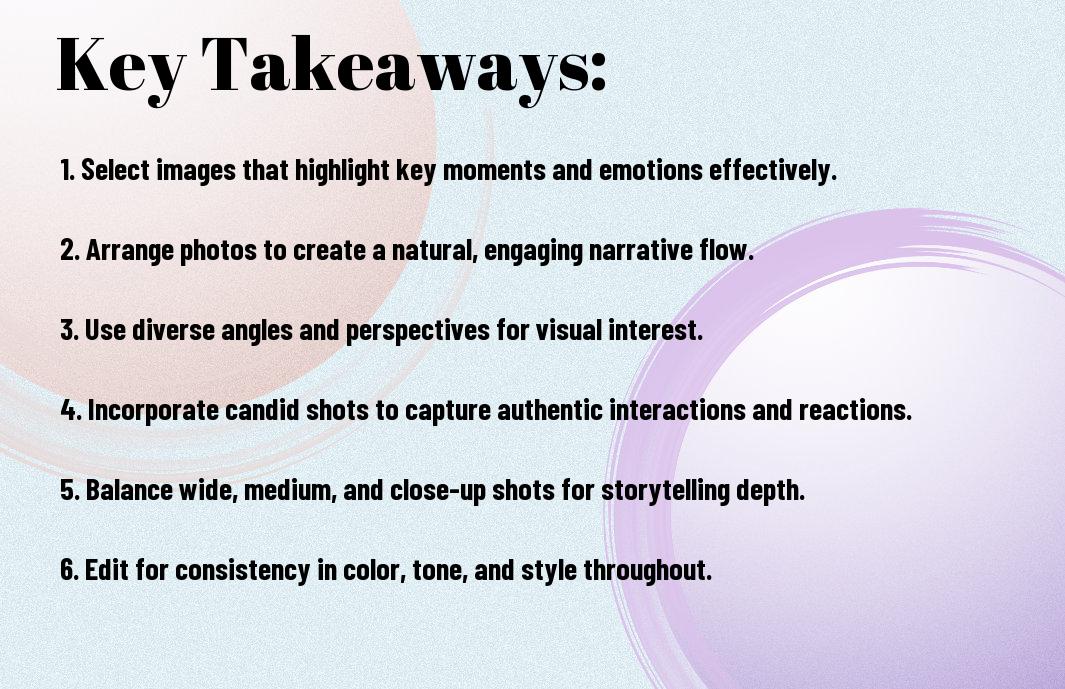
The Art of Photographic Storytelling
Mastering the art of photographic storytelling allows you to transcend mere documentation, transforming your images into powerful narratives that evoke emotion and connection. Each click of the shutter captures not just a moment, but a fragment of a larger story, waiting to be uncovered. By thoughtfully curating your shots and considering elements like light, subject, and context, you create a cohesive and enticing story that captures your audience’s attention. Engaging storytelling through photography invites viewers to immerse themselves in the experiences you present.
Connecting Emotion through Visual Narratives
Visual narratives thrive on the emotional connections you establish through your photographs. By choosing subjects, settings, and moments that resonate with shared human experiences, you invite viewers to feel the weight of the stories each image conveys. Candid expressions, fleeting glances, and intimate interactions serve as pivotal moments that draw you into the scene, allowing you to connect with the emotions portrayed and cultivate a deeper understanding of the event.
The Role of Composition in Evoking Responses
Your composition options significantly influence how an image is perceived and the emotions it elicits. Techniques like the rule of thirds, leading lines, and framing guide the viewer’s eye and shape the narrative. For example, placing your subject off-center not only creates visual interest but also emphasizes the surrounding context, enriching the storytelling experience. Tight close-ups can capture raw emotion, while wide shots can establish setting and atmosphere—both approaches play vital roles in crafting a memorable visual tale.
Consider how different compositional elements can direct focus and provoke thought. Utilizing negative space allows for breathing room in your images, encouraging a viewer to reflect on the relationship between the subject and its environment. Experimenting with angles can also heighten drama or intimacy; shooting from above can evoke vulnerability, while low-angle shots can amplify power. By thoughtfully constructing each frame, you establish a stronger emotional response and narrative coherence, allowing viewers to engage deeply with your photography.
Selecting the Right Moments
Effective event photography relies heavily on the selection of pivotal moments that encapsulate the emotions and atmosphere of the occasion. By honing in on actions, reactions, and key interactions, you can craft a narrative that unfolds naturally. Selecting moments that resonate with the audience not only enhances the storytelling aspect but also draws them into the experience, as they relate to the shared human emotions depicted through your images.
Capturing Authenticity in Action
Authenticity shines through candid shots that capture real-time emotions and reactions, offering a raw perspective of the event. By focusing on interactions between guests, spontaneous laughter, or moments of contemplation, your images become powerful narratives. You convey the essence of the event when you allow real emotions to take center stage, showcasing the unpolished beauty of genuine experiences.
The Importance of Context in Event Photography
Context in event photography shapes how your audience interprets the captured moments. Providing visual cues relating to your subject matter—like venue details, attire, or specific activities—creates a richer narrative. Context does not merely set the stage; it informs the viewer of the underlying significance behind each moment, allowing them to appreciate the story with more depth and connection.
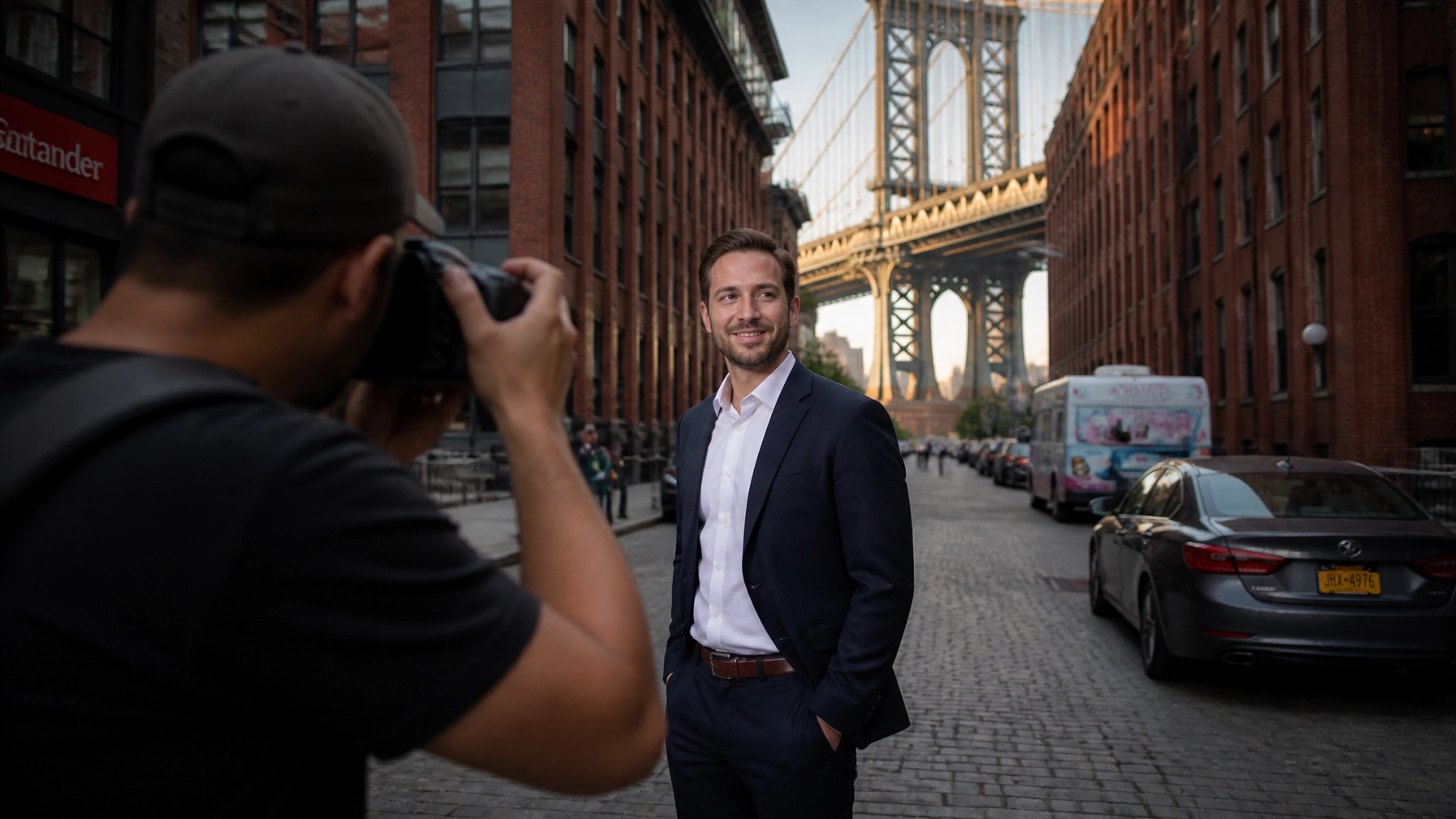
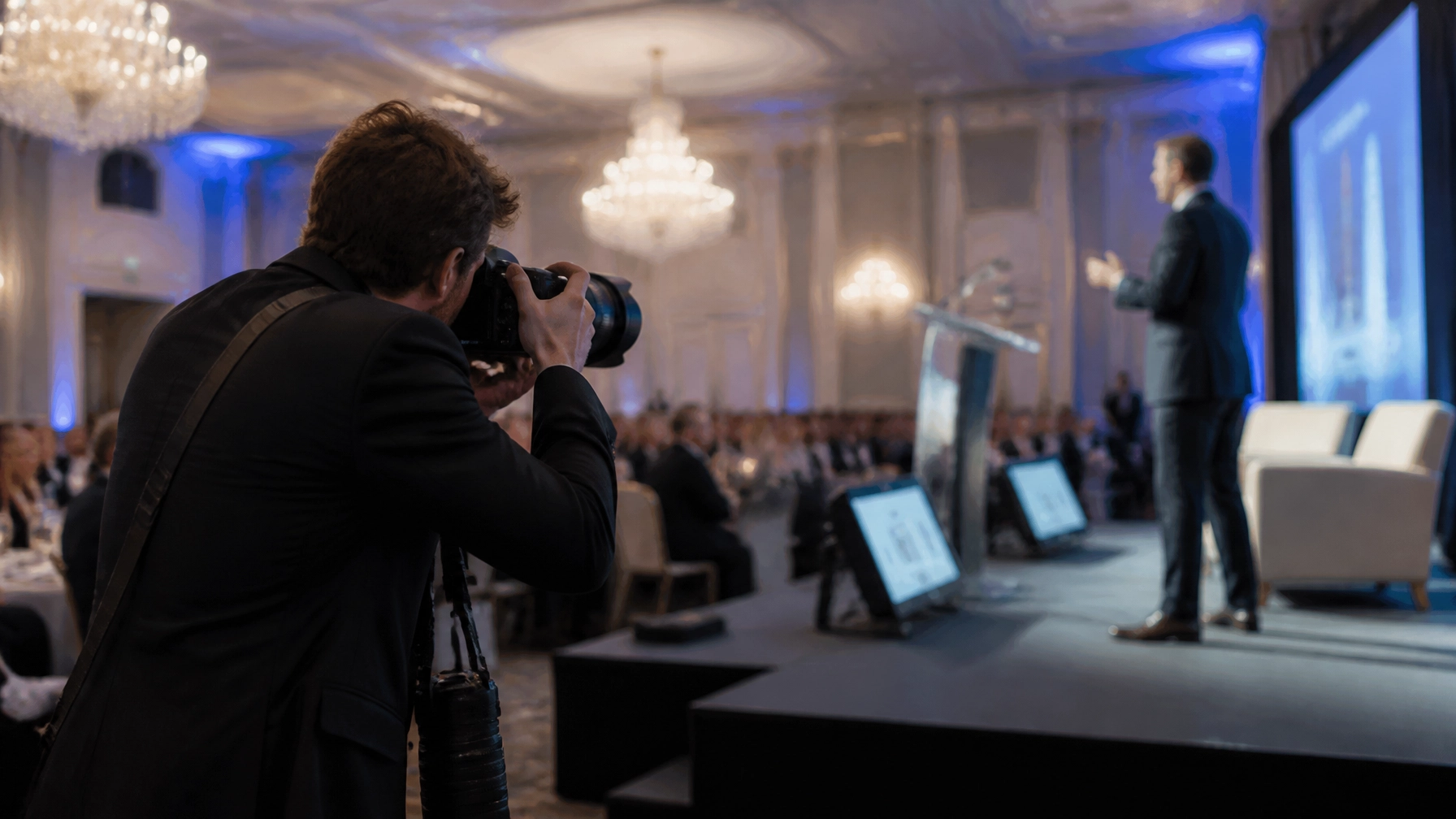
Incorporating context within your photography can be achieved through strategic framing, careful composition, and attention to the setting. For example, if you’re photographing a corporate event, including elements of branding or showcasing the venue’s unique characteristics adds layers to the story. This narrative depth fosters a stronger connection with your audience, as they are not just passive observers but actively engage with the context and meaning behind the images. Elements such as signage, decorations, and even the interactions that take place in different areas can lead the viewer to understand the overall ambiance and intention of the event better.
Weaving Multiple Perspectives
Incorporating multiple perspectives into your event photography allows you to craft a narrative that resonates on different emotional levels. Each angle provides a unique insight into the experience, showcasing not only the main subjects but also the surrounding environment, reactions from attendees, and the overall ambiance. By piecing together these diverse perspectives, you can create a richer, more dynamic storytelling experience that captivates your audience and draws them into the moment as if they were right there alongside the participants.
The Impact of Diverse Angles on Narrative Cohesion
When you utilize different angles in your photography, each shot adds layers to the story being told. Diverse perspectives highlight not only the central characters but also the interplay of emotions shared within the crowd. This multifaceted approach ensures that the event’s atmosphere is palpable, giving viewers a sense of connection that enhances their overall experience. Your choice to include various angles transforms a single narrative into a collective experience, fostering a deeper understanding of the event.
Balancing Wide Shots and Close-Ups for Depth
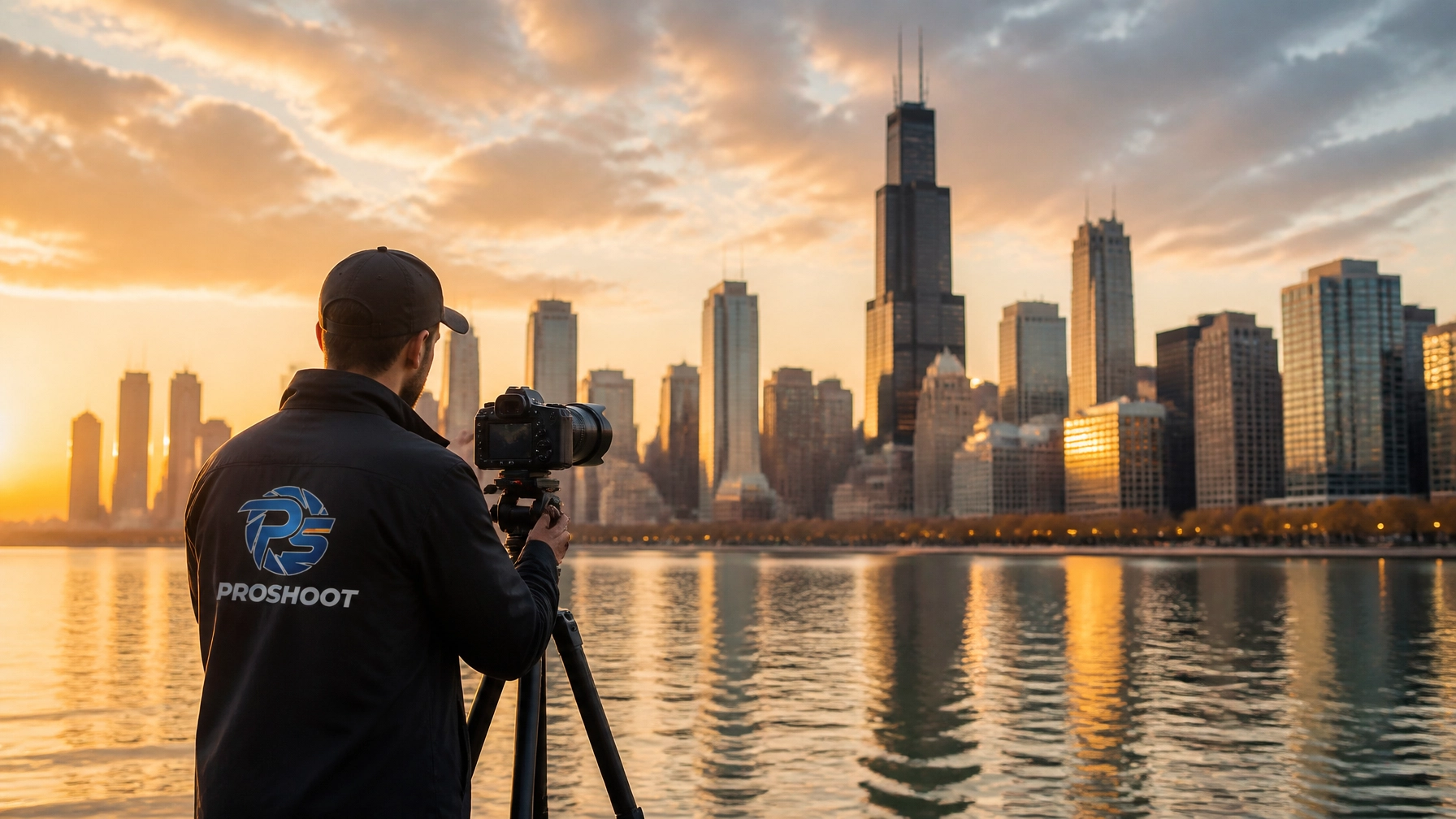
Effective storytelling in event photography hinges on the strategic balance of wide shots and close-ups. Wide shots set the context, showcasing the scope and scale of the event, while close-ups capture intimate moments that reveal the emotions behind the scenes. By alternating between these two styles, you create a visual rhythm that draws the viewer in. Wide shots place the action within the larger narrative context, while close-ups lend insight into individual experiences, ensuring that every facet of the event is thoughtfully represented.
This balance is crucial because it guides the viewer’s attention, allowing them to appreciate both the grandeur of the event and the subtle nuances of personal interactions. For instance, capturing a wide shot of a bustling festival atmosphere can effectively showcase the excitement and energy, but zooming in on a child’s amazed expression or a couple sharing a laugh adds a layer of vulnerability and connection. By thoughtfully blending both wide shots and close-ups throughout your composition, you create a visually engaging narrative that encapsulates the entire event experience in a compelling way.
Editing for Impact: From Snapshots to Stories
Capturing a moment in time through event photography only marks the beginning of storytelling. Editing allows you to refine your visuals, transforming simple snapshots into narratives that resonate with your audience. Every edit has the potential to evoke emotion or highlight key themes, ensuring your selection not only showcases raw moments but also conveys the atmosphere, joy, or tension of the event. By choosing the right images to complement each other, you guide viewers through a visual journey that deepens their understanding and connection to the story.
The Power of Curated Selections in Communicating Themes
Your choices in photo curation can significantly amplify the themes of your event. Strategically selecting images that complement one another allows you to emphasize particular messages or emotions. For example, showing a sequence of guests laughing can highlight a theme of joy, while juxtaposing candid reactions with more formal moments can depict the contrast between celebration and solemnity. These curated selections offer a concise narrative that brings clarity and insight to your audience.
Techniques for Enhancing Visual Flow in Collections
Establishing visual flow within your collection enhances the narrative you aim to convey. A seamless transition from one image to another guides viewers through the story you wish to tell. Pay attention to elements like color harmony, composition, and the emotional tone of each photograph. You might group images by themes, such as showcasing preparation followed by the climax of the event, or use leading lines and natural frames within the images to draw attention and maintain viewer engagement. By creating a rhythm between positive moments and reflective pauses, you construct a more immersive experience.
Techniques for enhancing visual flow can involve a strategic arrangement of images based on exposure and perspectives. For instance, placing a well-lit close-up followed by a wider shot can draw attention to intricate details before providing context. Additionally, consider using color grading or filters consistently across images to unify the collection visually. Incorporate varying angles and viewpoints—shifting from a high, wide shot to intimate close-ups creates depth and engages viewers more fully. Such intentional editing elevates your event photography from mere documentation to a storytelling masterpiece that resonates long after the event concludes.
Lessons from Iconic Event Photography Campaigns
Examining successful event photography campaigns reveals how storytelling can elevate brand connection. Celebrated campaigns, like Coca-Cola’s “Share a Coke,” utilized personal stories from fans interacting with the product. The vibrant photos captured candid moments that resonated widely, engaging audiences on a personal level. Analyzing these iconic works sheds light on techniques and approaches that make event photography not just an observation of events, but a dynamic narrative that speaks to viewers in ways they connect with deeply.
Analyzing Successful Examples that Resonate
By looking at campaigns such as National Geographic’s immersive storytelling, you can see how they leverage photography to create a narrative arc. Each photograph captures a moment that resonates emotionally, providing insight into unique cultures or vital issues. The cohesive thread of storytelling, woven through stunning visuals, demands viewer attention and fosters lasting engagement.
Insights into Audience Engagement and Emotional Connection
Successful event photography not only captures moments but also forges an emotional bond with your audience. Pictures that evoke feelings of joy, nostalgia, or empathy engage viewers beyond surface level, prompting them to share and connect with the content. Elements like candid interactions, authentic expressions, and highlighting human connections help achieve this deep engagement.
Consider the viral success of Humans of New York; each featured story comes alive through powerful photography that captures raw emotion. It’s not just about showing an event; it’s about sparking discussions around deeper themes. Inviting your audience to feel a part of the narrative encourages them to engage, share, and reflect, thus amplifying the reach and significance of your work. By intentionally selecting what emotions to convey, your curated compositions can transform an ordinary event into a memorable story that your audience actively participates in.
Conclusion
Taking this into account, your ability to curate compositions of event photography can significantly enhance the storytelling aspect of your work. By thoughtfully selecting moments, angles, and themes, you can engage your audience and evoke emotions that resonate deeply. This practice allows you to convey the atmosphere, connections, and experiences of the event more vividly, transforming individual images into a cohesive narrative. Ultimately, mastering this art will elevate your photography, making it not just about capturing moments but about telling powerful stories that leave a lasting impression.

Leave a Reply
You must be logged in to post a comment.