
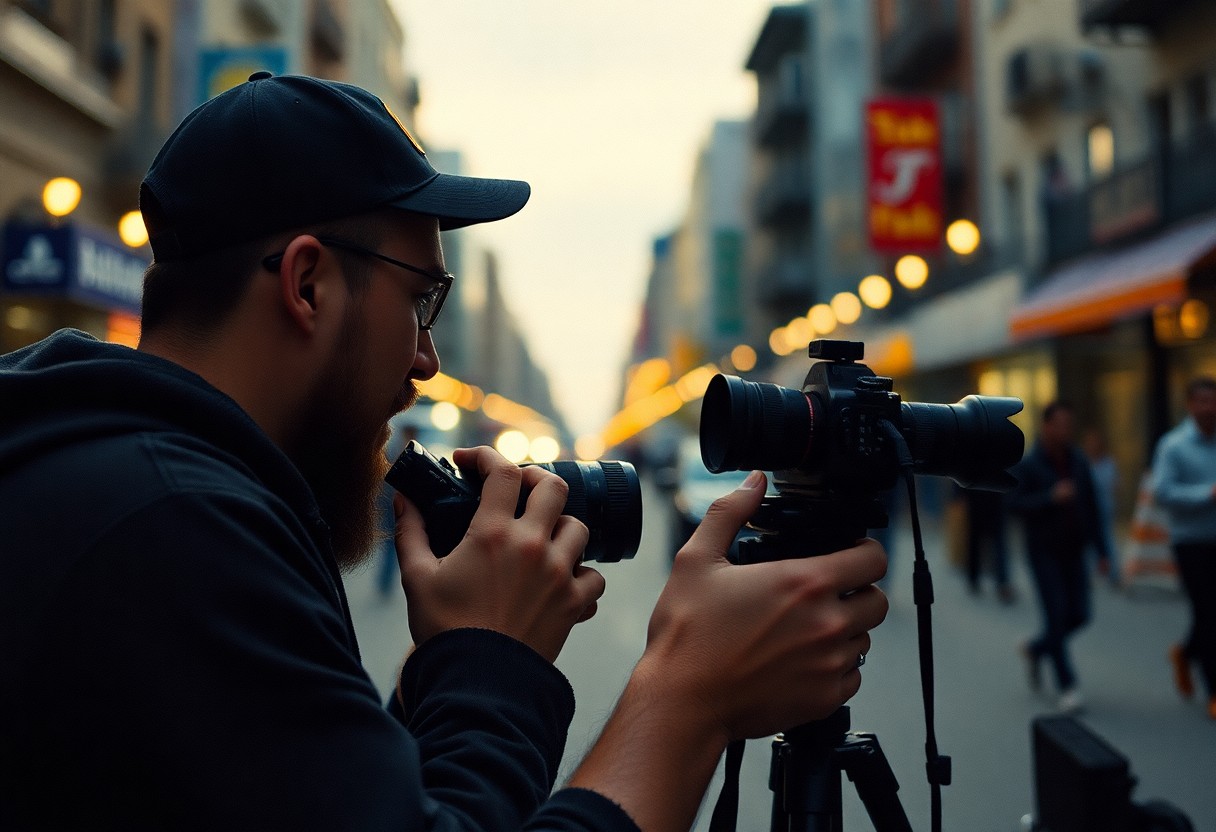
Many aspiring photographers find that the key to developing a deep passion for their craft lies in experimentation. By stepping outside your comfort zone and embracing new techniques, styles, and subjects, you can discover what truly excites you about photography. This hands-on approach not only enhances your skills but also helps you unlock your creative potential. In this blog post, you’ll learn practical ways to explore various aspects of photography, allowing you to cultivate an enduring love for capturing life’s moments through your lens.
Embrace a Beginner’s Mindset
Adopting a beginner’s mindset allows you to approach photography with fresh eyes and an open heart. This perspective encourages exploration without the weight of judgment or fear of failure. When you view the world through the lens of curiosity, you unveil opportunities that may have otherwise gone unnoticed, leading to unique compositions and storytelling that reflect your individual vision.
The Value of Curiosity in Photography
Curiosity drives you to experiment, explore diverse methods, and uncover hidden gems in your surroundings. By questioning the norms and techniques often taken for granted, your willingness to learn from every shot—successful or not—cultivates your growth. Curiosity can lead to unexpected discoveries, whether it’s a different perspective of a familiar landscape or experimenting with lighting techniques that transform your images.
Letting Go of Perfectionism to Fuel Creativity
Shifting your focus away from perfectionism opens doors to creative freedom. Each photograph becomes an opportunity for self-expression rather than a critique based on rigid standards. Instead of striving for flawlessness, you learn to appreciate the beauty of imperfection, which can breathe life into your work and inspire you to try new techniques and styles, resulting in captivating imagery.
Embracing imperfection means allowing yourself to make mistakes, which can ultimately lead to significant breakthroughs in your photography practice. For instance, an accidental overexposure might create an ethereal effect, transforming an ordinary shot into something unforgettable. By relinquishing the desire for every shot to be flawless, you can develop a unique style that reflects your authentic self. Challenge yourself to view each snap as a stepping stone rather than a final destination, and this mindset will pave the way for a deeper connection with your craft.
Experimentation as a Creative Catalyst
Growing your photography skills often begins with experimentation, which serves as a creative catalyst. By pushing the boundaries of your comfort zone, you allow yourself to explore new perspectives and techniques that can invigorate your portfolio. Each unique approach you take not only fosters a deeper understanding of your gear but also opens your mind to the countless possibilities that photography holds. Even minor adjustments to your techniques, such as shooting in different lighting conditions or using various focal lengths, can lead to strikingly different outcomes that fuel your passion.
The Power of Unconventional Techniques
Embracing unconventional techniques can lead to unexpected, captivating images that stand out. Techniques like double exposure, light painting, or shooting with low-quality equipment can create artistic and thought-provoking results. These methods challenge traditional norms, encouraging you to break free from standard practices and think outside the box. A simple switch in your shooting style, such as exploring long exposures or intentional camera movement, can yield unique results and inspire fresh ideas.
Exploring Different Genres and Styles
Diving into various genres of photography broadens your creative horizons and helps you discover what truly resonates with you. From portrait to landscape, street to macro, each genre has its own set of rules, challenges, and artistic opportunities. You might find joy in capturing fleeting moments in street photography or prefer the serenity of landscapes at dawn. Experimentation in different styles enables you to refine your voice and develop a deeper connection to your work, allowing your distinct vision to shine through.
Taking the time to explore different genres can also improve your overall skill set. For example, venturing into portrait photography can enhance your understanding of lighting, while macro photography can fine-tune your compositional skills. As you experiment with these diverse styles, you open yourself up to new influences, techniques, and creative approaches that you may not have otherwise encountered. Curiosity will drive your inspiration, ultimately leading to a well-rounded photographer who can fluidly adapt their skillset across various disciplines.
Learning from Failure: The Hidden Benefits
Failures in photography are often viewed as setbacks, but they hold immense value. Embracing those moments can unlock deeper understanding and drive a more profound passion for the craft. Each misstep teaches invaluable lessons, reshaping your approach to capture the images you envision. This process not only sharpens your technical skills but also cultivates resilience, making you more adaptable and creative in future endeavors.
Analyzing Mistakes to Foster Growth
Diving into your mistakes reveals patterns and areas for improvement. By closely examining your photos that didn’t meet your expectations, you can identify specific issues like poor lighting, composition flaws, or misguided focus. This reflection fosters a deeper understanding of your tools and encourages you to experiment further, turning those early disappointments into stepping stones toward mastery.
Turning Setbacks into Learning Opportunities
Setbacks can be powerful catalysts for growth in photography. Instead of viewing a failed shoot as an end, use it as an opportunity to explore new techniques or styles. For instance, if your portraits didn’t capture the essence of your subject, consider experimenting with different lighting or angles on your next attempt. Engaging with these challenges not only enhances your skills but also encourages a mindset of lifelong learning that will serve you throughout your photographic journey.
For example, a photographer might struggle with capturing motion, leading to blurry images during a fast-paced event. Instead of feeling discouraged, that same photographer can take this opportunity to research and practice using different shutter speeds and panning techniques. Each trial and error builds your confidence and expands your toolkit, ensuring that you’ll be more prepared and creative in similar situations down the road.
Building a Diverse Photographic Toolkit
Expanding your photographic toolkit is vital for refining your style and exploring new creative avenues. This involves gathering various equipment and learning how different lenses, filters, and cameras can drastically alter your approach. Try working with both natural light and artificial lighting sources, explore different focal lengths, and experiment with capturing subjects in motion. Each piece of gear adds a new dimension to your photography, inspiring fresh perspectives and techniques that challenge and enhance your artistic vision.
Understanding Equipment and Settings Experimentation
Diving into the technical aspects of your camera equips you with the confidence to experiment. You can play with shutter speed, aperture, and ISO settings to see how they impact your final image. Slowly adjusting these settings based on lighting conditions transforms your understanding of exposure and depth of field. Shooting in manual mode and trying out different combinations fosters a better grasp of how each element interacts, ultimately enriching your photography skills.
The Role of Editing Software in Shaping Vision
Editing software is a powerful ally in bringing your creative vision to life. Tools like Adobe Lightroom and Photoshop allow you to manipulate colors, contrast, and sharpness, ensuring your images reflect your unique perspective. With access to various filters and editing techniques, you can transform even the simplest photos into striking visual narratives. Embracing editing not only refines your skills but also expands your ability to express your artistic ideas through photography.
Editing software enables you to explore creativity in ways that extend beyond capturing images alone. By experimenting with different editing styles, you’ll discover how adjustments can dramatically alter the mood or message of your photograph. This digital canvas allows for segmentation, allowing you to combine multiple images, add text, or even manipulate reality. Engaging with this aspect of photography opens doors to storytelling through visuals, empowering you to make bold artistic choices that resonate with your audience.
Community and Feedback: The Social Aspect of Evolution
Being part of a photographic community can significantly accelerate your growth. Sharing your work and exchanging ideas with others creates an inspiring atmosphere that encourages you to explore new techniques and styles. Engaging in this social aspect of photography opens doors to collaborative projects, workshops, and even competitions that broaden your perspective and deepen your passion.
Engaging with Peers for Inspiration and Support
Joining photography clubs or online forums gives you access to a wealth of knowledge and diverse experiences. By interacting with fellow enthusiasts, you can discover new trends, gain insights into different genres, and receive valuable suggestions that spark your creativity. Supportive peers will celebrate your wins and motivate you through challenges, helping to fuel your passion.
The Importance of Constructive Criticism
Constructive criticism plays a pivotal role in honing your photography skills. Feedback allows you to identify areas for improvement and challenges you to think critically about your work. Rather than viewing criticism as a setback, consider it an opportunity to refine your artistic vision and learn from the perspectives of experienced photographers who have navigated similar paths.
When receiving constructive criticism, focus on the specific aspects that are being highlighted, such as composition, lighting, or subject choice. This feedback often emerges from a place of experience, enabling you to see your work through a new lens. Engaging openly with critiques can shift your understanding of photography and propel your development, transforming mistakes into lessons. Over time, this iterative process not only strengthens your technical abilities but also deepens your personal style, guiding you toward a more authentic and passionate photographic journey.
To wrap up
As a reminder, cultivating a passion for photography through experimentation is about pushing your creative boundaries and allowing yourself to explore different techniques, styles, and subjects. By embracing trial and error, you can discover what resonates with you and refine your unique voice as a photographer. Whether it’s adjusting your settings, using unconventional angles, or experimenting with post-processing, each attempt contributes to your growth and enjoyment of the art form. So, get out there, take risks, and let your passion flourish through the process of exploration.




Leave a Reply
You must be logged in to post a comment.