
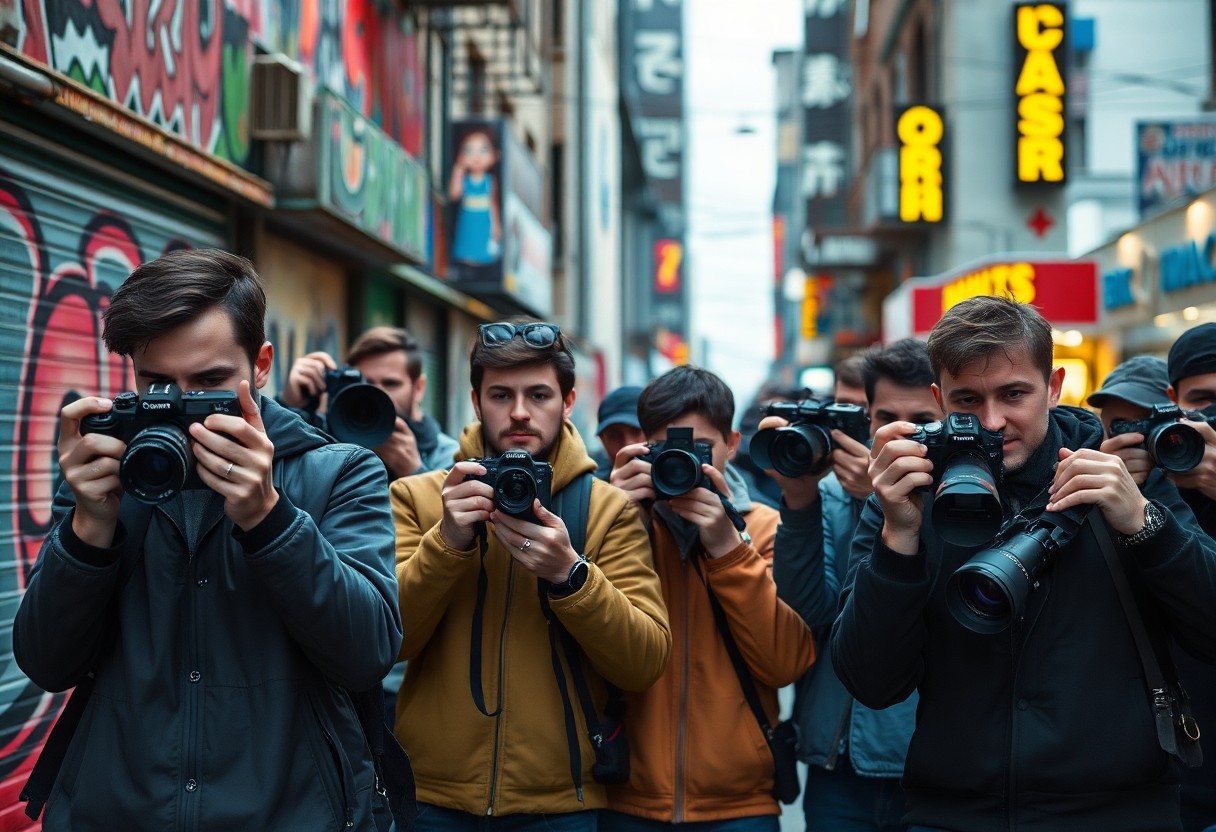
Strategies can transform your photography from ordinary to extraordinary by tapping into creative techniques and innovative approaches. In this guide, you’ll discover unique methods to elevate your basic skills, from mastering composition to experimenting with lighting and perspective. Whether you’re a beginner or looking to refresh your skills, these strategies will help you see your world through a new lens, empowering you to capture stunning images that reflect your personal style. Let’s investigate these creative how-to strategies that will inspire your photographic journey.
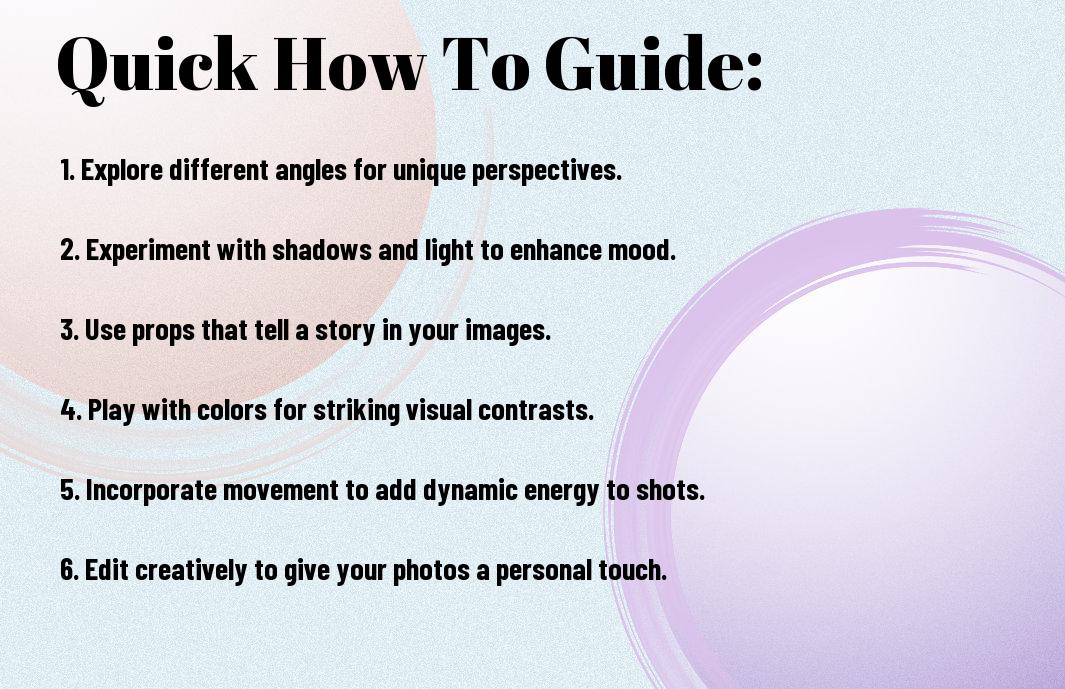
Understanding the Basics of Photography
The foundations of photography encompass various principles that allow you to capture compelling images. Mastering the basics includes understanding your camera settings, such as aperture, shutter speed, and ISO, as well as recognizing the significance of composition and lighting. With these importants, you can create visually appealing photographs that convey your artistic vision.
Key Elements of Composition
If you want to enhance your photography, pay attention to the key elements of composition. Techniques such as the rule of thirds, leading lines, and framing can guide your audience’s gaze and create balance within your images. By experimenting with these elements, you will elevate your photography, making it more engaging and impactful.
Importance of Lighting
Photography thrives on light. It shapes the mood, highlights details, and sets the overall tone of your images. Understanding natural and artificial light sources allows you to control how your subject is perceived. Whether shooting in golden hour or experimenting with shadows, the right lighting can transform a simple photograph into a powerful visual narrative.
A well-lit photograph can evoke emotions, draw attention to your subject, and create depth in the image. By exploring different lighting conditions and mastering techniques like backlighting or using reflectors, you can significantly influence your composition. Always consider how light interacts with your subject, as it can dramatically alter the final outcome of your image.
How-To Capture Unique Perspectives
Any photographer can benefit from exploring unique perspectives, which can completely transform the way your subject is viewed. By stepping out of your comfort zone and experimenting with different angles, heights, and distances, you can add depth and intrigue to your images. Whether you’re shooting landscapes, portraits, or street photography, adopting a fresh approach to composition will help you create compelling visuals that stand out from the crowd.
Techniques for Creative Angles
Little adjustments to your shooting position can yield significant results. Try crouching low to the ground for a dramatic foreground or elevating your camera for a bird’s-eye view. Moving closer to your subject can also create an intimate connection, while zooming out gives you the opportunity to capture the surrounding environment. Experimenting with these angle techniques will encourage you to think differently and find unique compositions in your photography.
Utilizing Reflections and Shadows
Now, reflections and shadows serve as powerful tools for adding depth and dimension to your photos. Exploring surfaces like glass, water, and shiny materials can help you create captivating images that entice viewers. Shadow play allows you to introduce contrast and texture, which can elevate your photographs from ordinary to extraordinary.
Perspectives taken through reflections and shadows can create a visual narrative that draws the viewer’s eye. Look for puddles, mirrors, or shiny objects that can capture and display your subject in unexpected ways. Experiment with the angles of light to produce intriguing shadows that enhance your composition. Combining these elements not only adds a layer of creativity but also invites your audience to engage with the scene on a deeper level.
Tips for Mastering Camera Settings
Once again, understanding your camera’s settings can elevate your photography. To master them, consider these necessary tips:
- Experiment with different shooting conditions to see how settings affect your images.
- Practice adjusting your ISO, aperture, and shutter speed in various lighting situations.
- Utilize exposure bracketing to enhance your understanding of light variations.
- Engage in regular reviews of your photos to analyze what worked and what didn’t.
Perceiving the interplay between settings will take your photography to new heights.
Understanding ISO, Aperture, and Shutter Speed
Even the best equipment won’t help if you don’t grasp the fundamentals. ISO, aperture, and shutter speed form the foundational triangle that dictates exposure. ISO controls your camera’s sensitivity to light, aperture affects the depth of field, and shutter speed regulates the duration light hits the sensor. Balancing these settings allows you to create images that convey your artistic vision effectively.
How to Use Manual Mode Effectively
Little by little, you can master manual mode to gain control over your photography. Manual mode allows you to adjust all three key settings—ISO, aperture, and shutter speed—simultaneously, facilitating a personalized approach to exposure. It might feel daunting at first, but practicing in controlled environments will help you build confidence in making adjustments quickly based on changing light or movement conditions.
Aperture settings will determine the depth of field in your images, giving you the power to isolate subjects or create stunning landscapes. Additionally, playing with shutter speed enables you to freeze motion for action shots or create dynamic blur for artistic effects. Adjusting ISO can help you adapt to various lighting conditions, enhancing your overall exposure. With consistent practice, you’ll find yourself becoming more intuitive in using manual mode, unlocking your creativity in capturing unique moments.
Factors Influencing Unique Photography Styles
To create a unique photography style, you should consider several key factors that can significantly influence your work:
- Your personal experiences and background
- The environment in which you are shooting
- The technological tools at your disposal
- The emotions you aim to evoke
Thou must explore these elements to refine your distinct approach.
The Role of Subject Matter
Assuming you choose subjects that resonate with you, your photography will naturally reflect your interests and passions. Each subject comes with its own story and emotion, which can deeply enhance your creative expression.
Importance of Color and Contrast
Importance of color and contrast in photography cannot be overstated; they play a pivotal role in setting the mood of your images. The right colors can evoke feelings, while contrast helps elements stand out, drawing the viewer’s eye to the focal point.
Another way to enhance your photography is by understanding how to manipulate color and contrast effectively. Experimenting with different palettes can change the vibe of a shot entirely. Use complementary colors to create harmony or bold contrasts to evoke drama and tension. By thoughtfully incorporating these visual elements, your images can become more compelling and memorable.
How-To Edit for Impact
Now that you’ve captured stunning images, it’s time to bring them to life through impactful editing. Effective editing can enhance your photos, allowing your unique style to shine while elevating the overall visual appeal. Explore various techniques and tools to make your images pop, ensuring they tell the story you envision.
Essential Editing Techniques
Edit with purpose by focusing on important techniques that transform your images. Start with adjusting exposure, contrast, and colors to achieve the desired mood. Cropping can improve composition, while sharpening enhances detail. Don’t shy away from experimenting with filters or presets that align with your creative vision.
Recommended Editing Software
Little effort can yield significant results when you use the right editing software. Depending on your skill level, options range from user-friendly programs like Adobe Lightroom and Adobe Photoshop to accessible apps such as Snapseed and VSCO. Choose software that complements your needs and enhances your editing workflow.
Plus, many of these software options come with tutorials to help you master their features, making the learning curve manageable. You can also find communities online where like-minded photographers share tips and techniques. Embrace the software that resonates with you, allowing innovation to flourish and your photography to evolve to new heights.
Tips for Building a Personal Photography Style
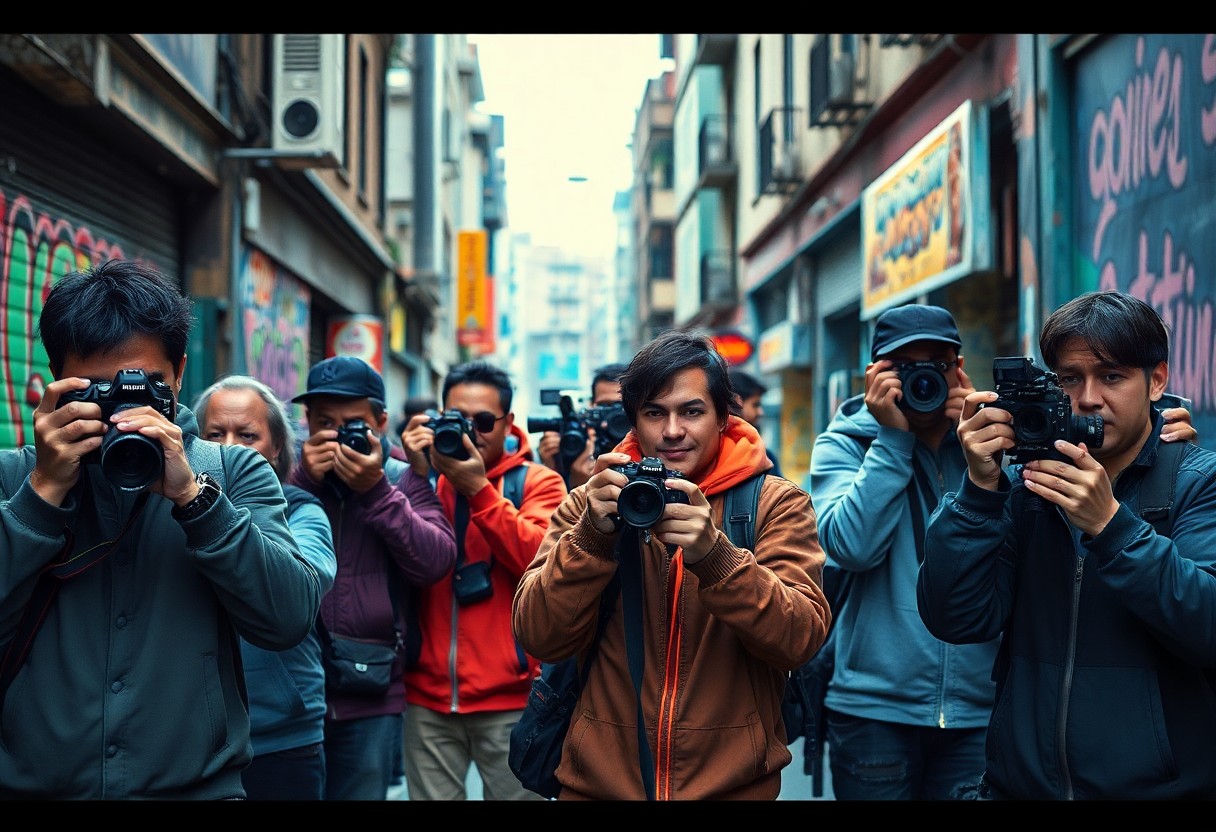
Many photographers struggle to define their unique style, but there are strategies you can employ to make your work stand out. Consider the following tips:
- Analyze the work of photographers you admire.
- Identify recurring themes in your photography.
- Incorporate elements that resonate with your personality.
- Stay consistent in your editing style.
- Join photography communities for feedback.
Thou can cultivate a distinctive voice by engaging in these practices.
Finding Your Unique Voice
You can discover your unique voice in photography by exploring various genres and subjects. Allow yourself to be influenced by different styles while ensuring that your personal feelings and perspectives shine through in your work. Try to focus on what truly inspires you, creating images that reflect your passions and beliefs.
Experimentation and Growth
For your photography journey to flourish, embrace experimentation and growth as fundamental elements. Don’t hesitate to step out of your comfort zone, whether that means trying new techniques, using unfamiliar equipment, or shooting in varying light conditions. This trial and error process is vital in discovering what resonates with you and enhances your artistic voice.
Your willingness to experiment will lead you to unexpected opportunities for growth. By pushing boundaries, you can unearth new perspectives and refine your skills. Each project, whether successful or not, will teach you invaluable lessons that shape your creative approach. Ultimately, your evolution as a photographer depends on your openness to learn and adapt, enabling you to craft a more personal and expressive photographic style.
Summing up
Drawing together the creative how-to strategies for unique photography basics, you can elevate your skills by exploring unconventional techniques and approaches. By experimenting with different perspectives, lighting, and compositional styles, you will find your unique voice within the art form. Embrace the process of learning and practicing to enhance your technical abilities, while continually seeking inspiration from a variety of sources. This journey will not only improve your photography but also deepen your appreciation for the beauty in everyday moments.




Leave a Reply
You must be logged in to post a comment.