
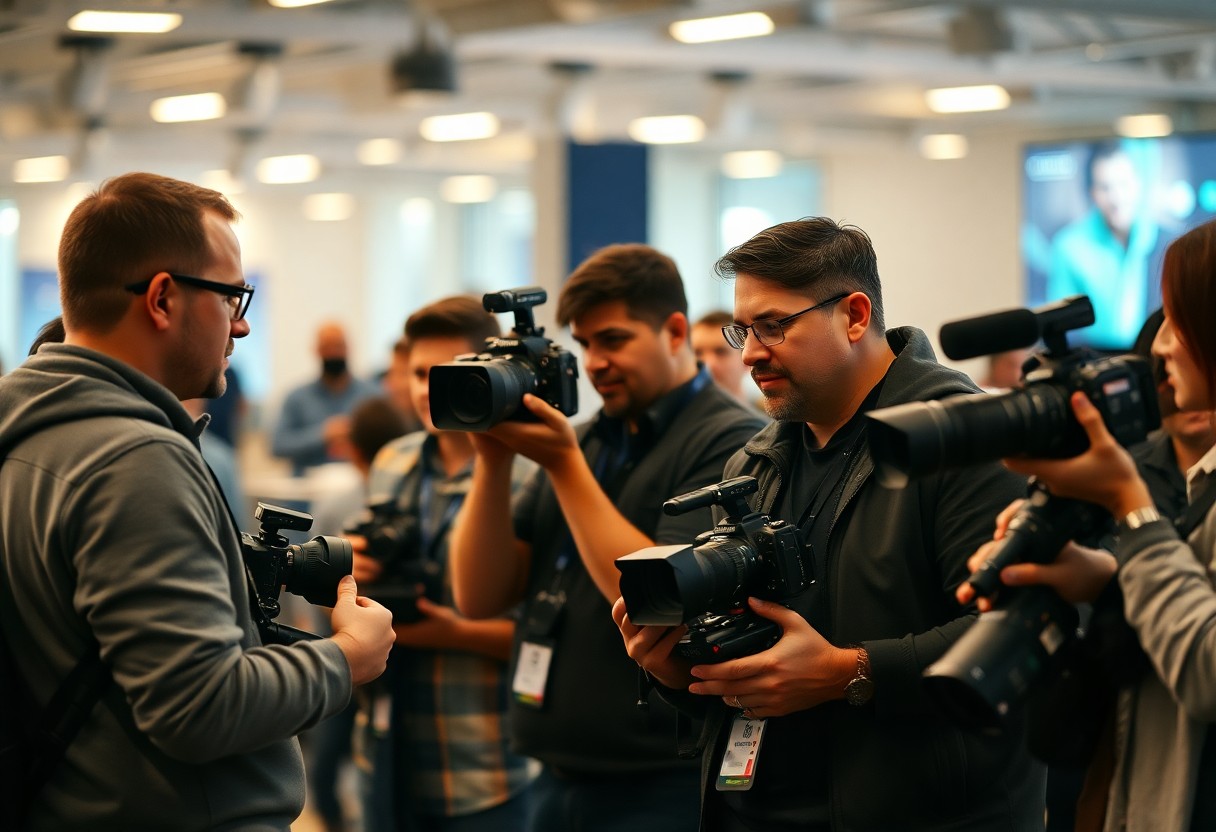
Event planning can be overwhelming, and selecting the right photographer is one of the most significant decisions you’ll make. With so many options available, it’s important to know what to look for to ensure your memories are captured beautifully. In this guide, you’ll find expert tips and insights that will help you evaluate different photographers based on your specific needs, style preferences, and budget. By the end, you’ll be well-equipped to make an informed choice and find the perfect photographer who aligns with your vision.
The Photography Landscape: Different Styles and Their Impact
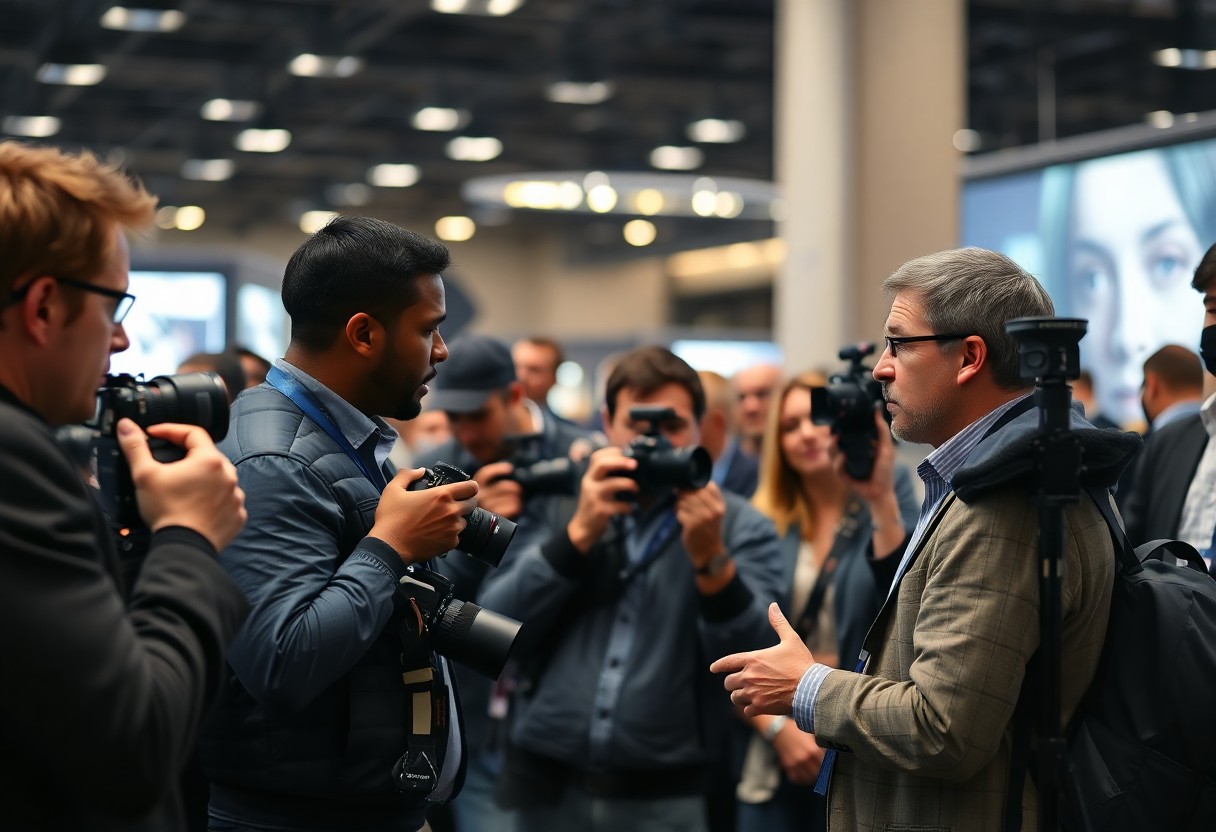
Understanding the diverse photography styles available helps you align your vision with the right approach. Each style—be it traditional, candid, or artistic—has its unique way of telling a story and influencing the atmosphere of your event. The style you prefer can transform your visuals, pouring emotion and authenticity into every shot. As you choose, consider what resonates with the essence of your gathering.
Capturing Moments: The Art of Event Photography
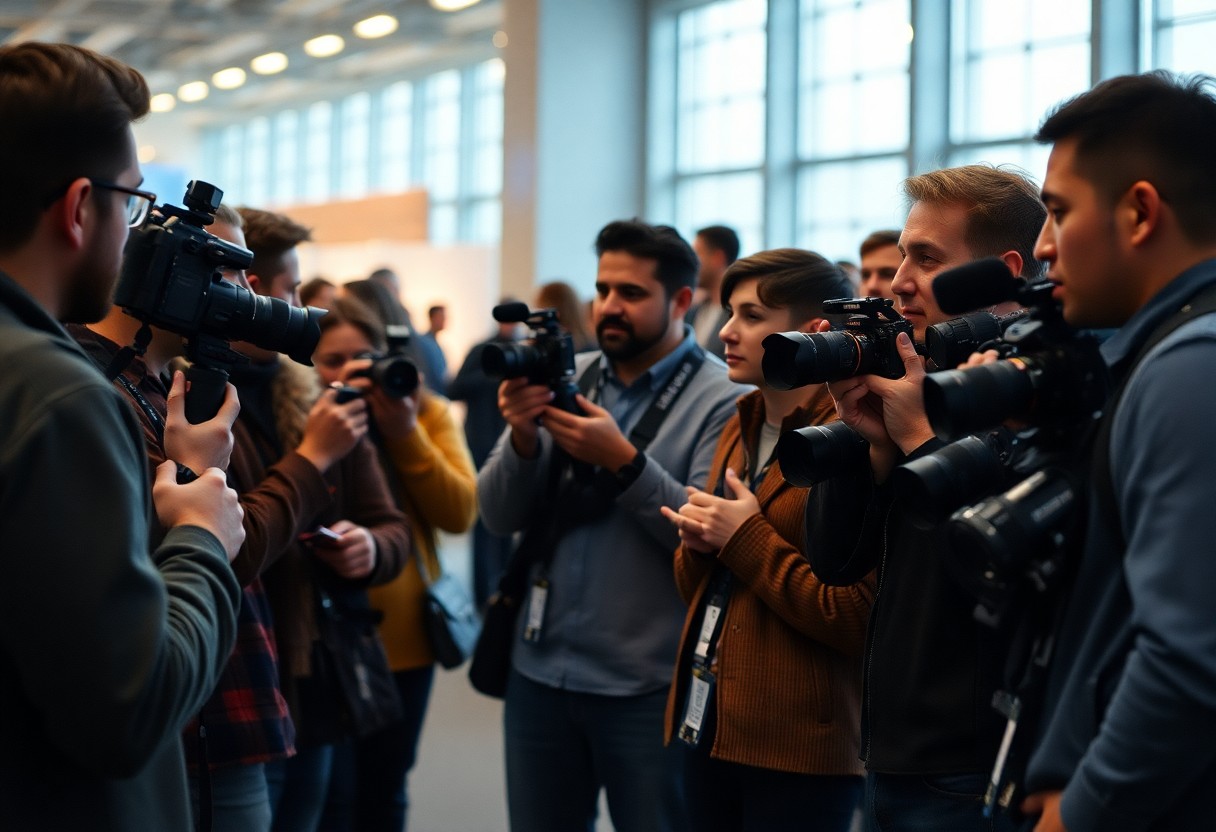
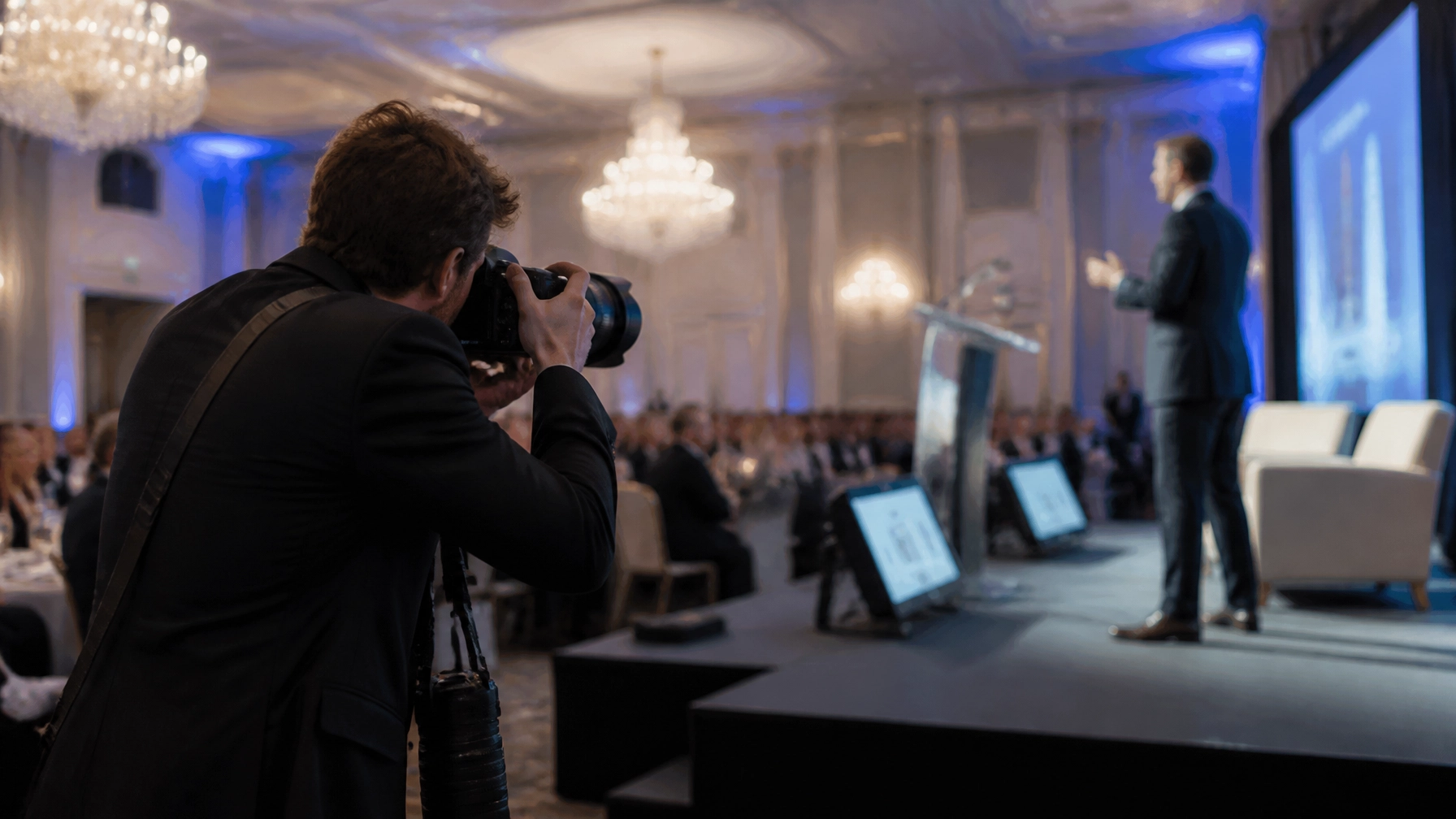
Event photography thrives on the spontaneous essence of your gathering. A skilled event photographer will instinctively know when to click the shutter, capturing laughter, surprise, and poignant interactions. This art form goes beyond posed images, focusing on the natural beauty of your event’s unfolding moments. It’s about immortalizing memories that you may not even realize are happening until they’re captured.
From Portraits to Photojournalism: What Fits Your Vision?
Your vision should dictate the photography style you choose. Portrait photography offers a polished, intimate look at your guests, while photojournalism presents a narrative, candid approach that documents the event as it unfolds. Each serves a purpose, and selecting one over the other largely depends on the story you wish to tell. Consider whether you desire classic, posed shots or a collection of genuine, unfiltered moments.
Choosing between portraits and photojournalism reflects your preferences and the atmosphere of your event. Portraits can elevate the elegance of formal gatherings, where individuals shine against a backdrop, showcasing their best selves. Alternatively, photojournalism captures the heart and soul of gatherings that prioritize experiences over aesthetics. This style shines in dynamic events like weddings, concerts, or community festivals, where energy and interactions speak volumes. Be sure to communicate your desired outcome with your photographer to ensure they can tailor their approach to your vision. By doing so, you can create a rich tapestry of memories that aligns perfectly with the spirit of your occasion.
Evaluating Your Needs: Aligning Photographer Skills with Event Goals
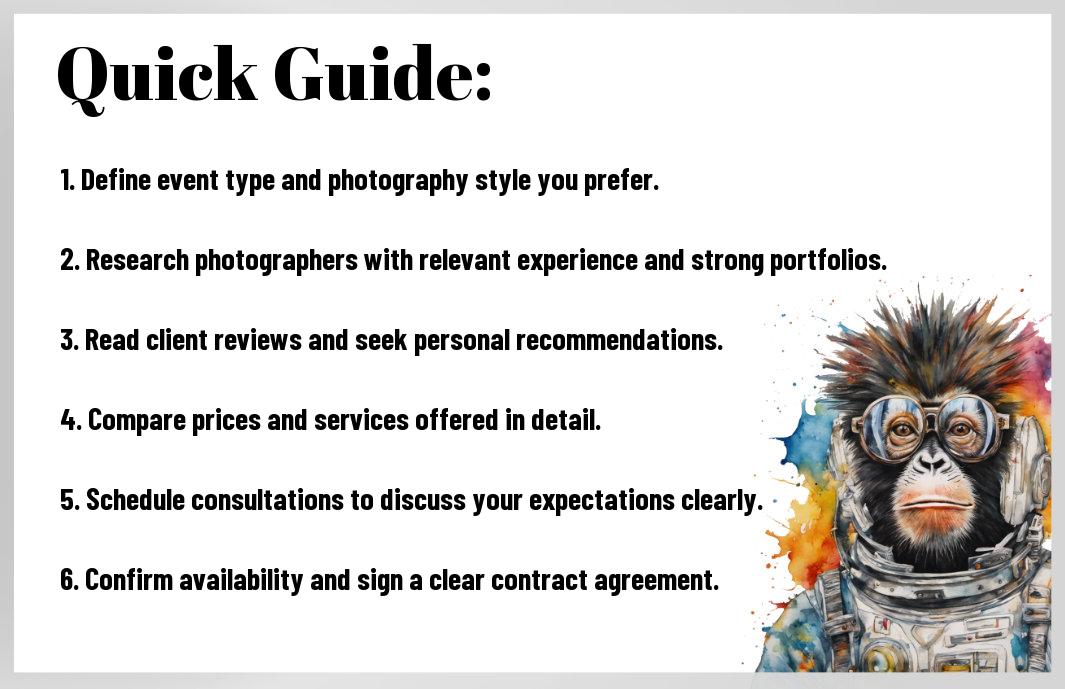
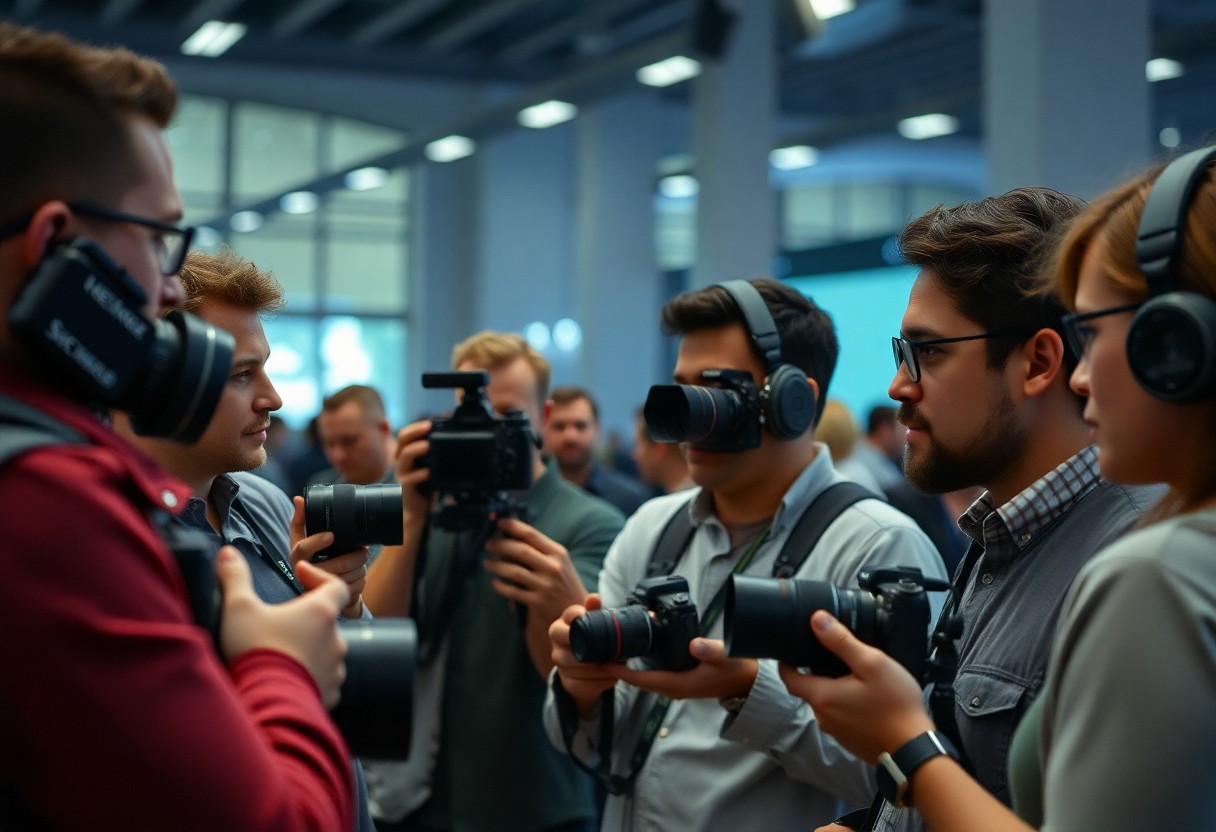
Assessing your specific needs is fundamental in matching a photographer’s expertise to your event. Consider the nature of your gathering, whether it’s a corporate event, a birthday party, or a wedding, as each requires a different approach and skill set. You’ll want to think about the desired style, such as candid versus posed shots, and the range of emotions you want captured. This ensures the photographer you choose resonates with your vision and can deliver images that meet your event’s unique goals.
Defining Your Event’s Unique Requirements
Your event’s unique requirements serve as a roadmap for what you need from a photographer. Consider elements like venue size, expected attendance, and the flow of events. A large wedding demands a photographer who can navigate through crowds, capturing intimate moments amidst the chaos, while an intimate gathering might require a photographer who excels at creating a cozy, personal atmosphere in their shots. Defining these elements will help you communicate effectively with potential photographers.
Setting a Realistic Budget: Balancing Quality and Cost
Establishing a budget helps clarify your priorities and determine who falls within your price range. Consider what elements are non-negotiable for your event and how much of your overall budget can be allocated to photography. Rates for experienced photographers vary widely, with mid-level professionals costing around $1,000 to $2,500 for a full day, while high-end photographers may start from $3,000 and can go significantly higher based on their reputation and experience.
Striking a balance between quality and cost is vital, as a lower price often means less experience or fewer services offered. Research the going rates in your area and compare packages to ensure you’re getting significant value. For instance, some photographers may offer extensive editing and a second shooter as part of their package, which could be worth the extra cost. Prioritize what elements are most important to you, such as photo albums or digital rights, and negotiate where possible to ensure you get the best quality for your investment.
Research and Recommendations: Finding the Right Match
Finding a photographer who resonates with your event’s essence requires thorough research and valuable recommendations. Start by tapping into your network; friends, family, and colleagues may have insights from their own experiences. Social media platforms are also great tools for discovering local talent, while photography forums and communities can provide invaluable leads. Don’t underestimate the power of word-of-mouth—some of the best photographers thrive on referrals from satisfied clients. A personalized match can elevate your event’s photography from simply capturing moments to truly embodying its spirit.
Exploring Portfolios: What to Look For
As you investigate photographers’ portfolios, focus on consistency and versatility in their work. Look for imagery that resonates with your desired aesthetic, whether that’s candid, posed, or highly stylized shots. Pay attention to how they utilize light, compose their subjects, and convey emotion in the photographs. The coherence in their portfolio often signifies their proficiency and understanding of the medium. Additionally, consider whether their style aligns naturally with the atmosphere you want to create during your event.
Testimonials and Reviews: Decoding Client Experiences
Client testimonials and reviews are gold mines for gauging a photographer’s reliability and quality of work. Look for feedback that highlights the photographer’s professionalism, creativity, and ability to capture special moments. In particular, reviews that discuss their communication skills and how they manage to blend into the event can provide clarity on what you might expect. Don’t hesitate to reach out to past clients for their firsthand experiences and further insights into the photographer’s working style.
Take time to analyze not just the star ratings, but also the context behind the reviews. Print out specific phrases that resonate with your values, such as “went above and beyond” or “captured the essence of the day.” Evaluating patterns in client experiences can help you uncover if a photographer frequently meets or exceeds expectations. Additionally, look for any recurring themes regarding how the photographer adapted to various scenarios and challenges, as flexibility and problem-solving skills are key during live events.
The Interview Process: Key Questions to Ask Potential Photographers
The interview process is an integral part of selecting the right photographer for your event. Engaging potential photographers in a dialogue about their practices and philosophies ensures you find someone who resonates with your expectations. Ask about their previous work, approach to the specific type of event you’re hosting, and the equipment they utilize. This conversation not only helps you gauge their personality but also their ability to adapt to various scenarios that may arise during your event.
Assessing Experience and Methodology
Delve into the photographer’s background and techniques; experience often translates into skill and adaptability. Inquire about their years in the industry, the types of events they commonly shoot, and approaches they prefer, like posed versus candid photography. A solid portfolio should provide insight into their style and consistency, so request to see examples that align closely with your vision.
Negotiating Terms: Contracts, Rights, and Deliverables
Ensure clarity on all contractual obligations, including deposit requirements, payment schedules, and cancellation policies. Discuss ownership rights of the photographs, as some photographers retain them for personal use or portfolio showcasing. Define your expectations for deliverables, such as the number of edited images you’ll receive, the timeframe for proofs, and the formats provided, to avoid any potential misunderstandings.
Pay attention to the fine print in contracts, as this is where many hidden details can emerge. Understanding your rights regarding printed copies, social media usage, and any potential fees for additional requests is imperative to avoid disputes later. If you envision a large number of edited images, clarify whether there are caps on the number included in your final package. Being transparent about expectations and understanding all terms will pave the way for a smooth working relationship with your chosen photographer.
The Final Decision: Trusting Your Instincts and Connecting
After all the research, interviews, and considerations, trust your instincts when choosing a photographer. If you feel genuinely excited about their work and the connection you’ve formed, you are likely on the right track. A successful partnership depends not only on skills and styles but also on the personal bond created during your discussions. Ultimately, your choice should leave you feeling confident and enthusiastic about the story they will capture of your event.
Signs You’ve Found the Right Photographer
The right photographer will resonate with your vision and approach your needs with genuine enthusiasm. Look for signs such as their ability to listen carefully to your ideas, their willingness to answer questions, and how comfortably they adapt their style to match your preferences. If the conversation flows easily and you feel a shared excitement about the project, it’s a strong indicator that you’ve found the right match.
Importance of Personal Rapport: Ensuring Comfort and Communication
A strong personal rapport with your photographer can significantly enhance the quality of your event shots. When you feel comfortable and at ease, you’re more likely to relax and enjoy the moment, thereby resulting in more genuine expressions and candid moments being captured. Open communication is vital for sharing your expectations, making adjustments during the event, and ensuring that the final product truly reflects your vision.
Building personal rapport doesn’t occur spontaneously; it’s cultivated through open conversation and shared understanding. When you meet with a photographer, notice the ease of communication—Are they receptive to your ideas? Do they inspire confidence in their artistic vision? A photographer who takes the time to connect with you, encourages your input, and actively engages in dialogue can create a comfortable atmosphere. This rapport will enhance your experience, allowing you to truly enjoy the occasion, and provide lasting memories through their lens without the stress of rigid formality.
Conclusion
The key to selecting the right photographer for your event lies in understanding your needs and preferences. By assessing their portfolio, discussing your vision, and ensuring good communication, you can make an informed choice. Trust your instincts, as the right photographer will not only capture the moment but also understand your style and preferences. Ultimately, the perfect photographer will ensure that your memories are preserved beautifully, allowing you to relive the essence of your event for years to come.

Leave a Reply
You must be logged in to post a comment.