
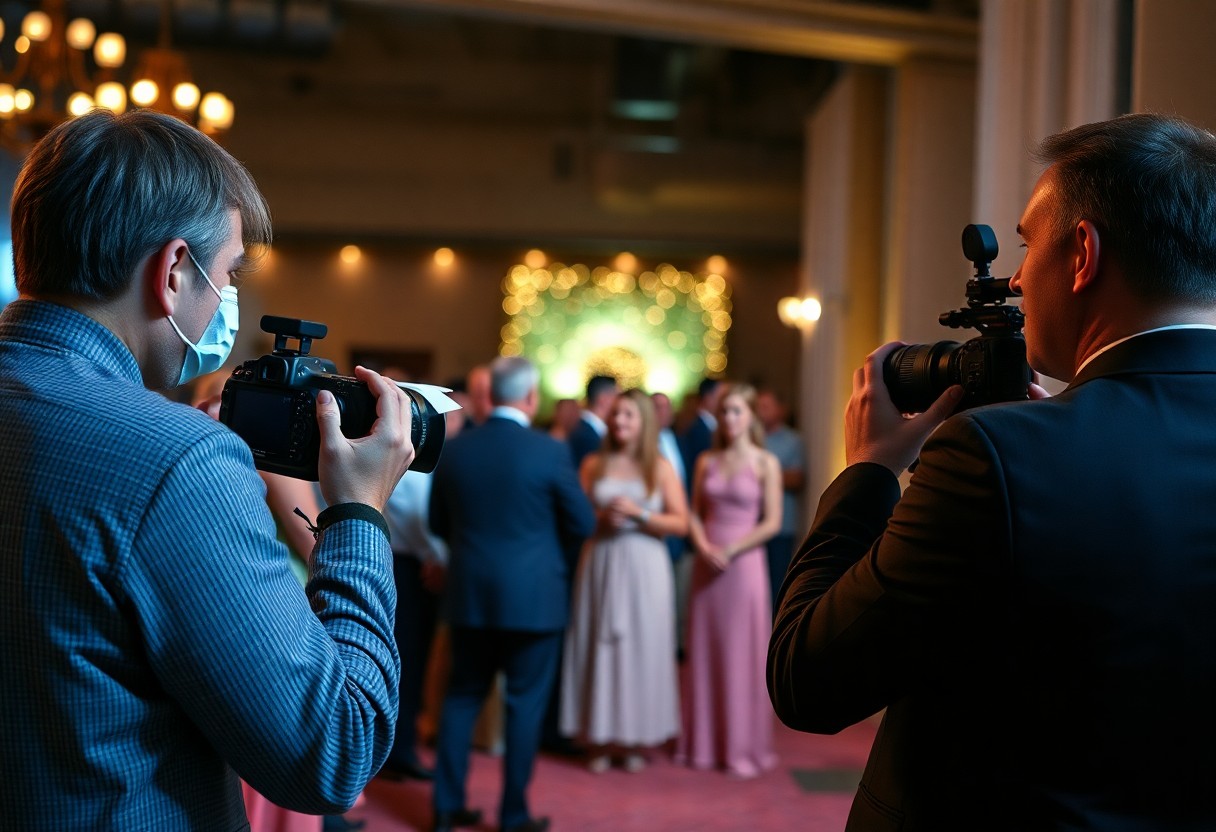
Candid moments can often showcase the true essence of your event, capturing genuine emotions and interactions. However, posed photographs play an crucial role in preserving important milestones and creating stunning memories. To elevate your event photography, it’s vital to strike the right balance between candid and posed shots. This post will guide you through effective strategies to achieve that equilibrium, ensuring that you tell a complete story with your images while maintaining your style and vision.
The Power of Candid Moments
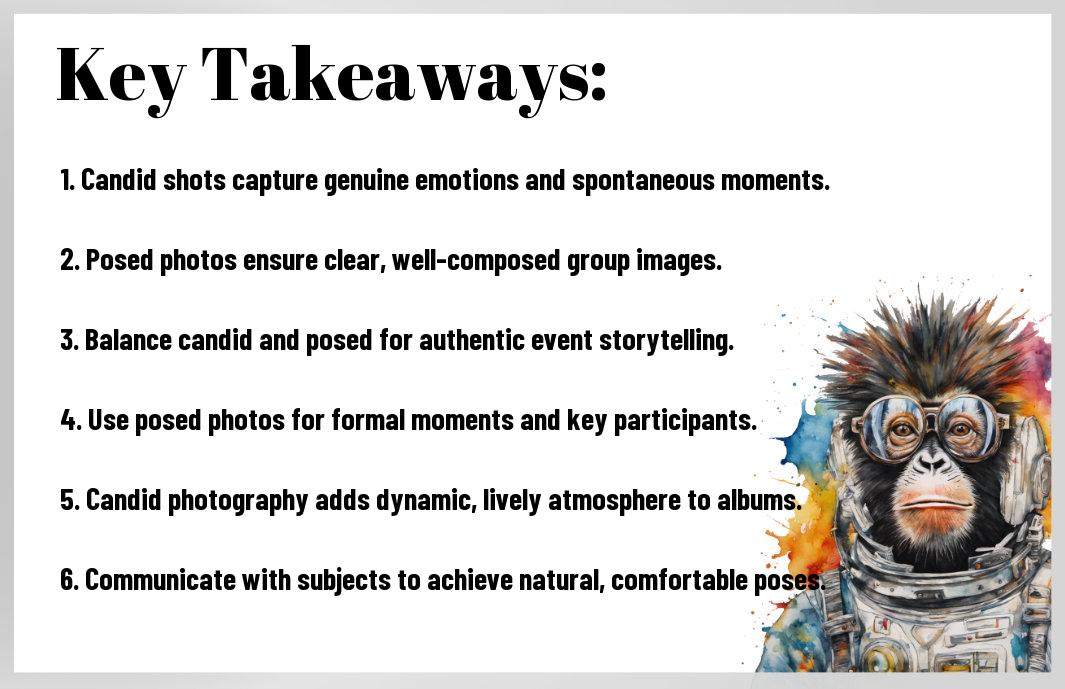
Candid moments bring an unmatched authenticity to event photography. These spontaneous shots reveal the raw emotions and genuine interactions that often go unnoticed in posed settings. They allow you to document the essence of your event, creating a narrative that resonates with viewers on a deeper level. When you capture these fleeting instances, you’re not just taking photos; you’re preserving the story of the day in its most unfiltered form.
Capturing Authentic Emotion
Authentic emotion serves as the heartbeat of your event imagery. By focusing on genuine interactions—like laughter shared between friends or the pride on a parent’s face during a graduation—you harness the power of your subjects’ feelings. You invite viewers to connect emotionally with your photography, inviting them to relive both joyous and poignant moments through your lens.
The Unscripted Narrative
Your event unfolds like a story, complete with unpredictable twists and turns. Capturing unscripted moments allows you to weave a narrative that highlights the unique experiences of your guests. Each photograph tells a chapter, revealing relationships, fun surprises, and unforgettable memories as they occur. The beauty of unscripted moments lies in their ability to present a more holistic view of the event, showcasing not just what was planned, but what happened spontaneously.
The unscripted narrative captures an array of emotions that planned shots often miss, such as the excitement of a surprise or the quiet moments of reflection during a toast. These snippets of life create a storyline that engages your audience, making them feel as if they were part of the event. For instance, a photograph of a child’s wonder during a magician’s performance can elicit nostalgia from parents who remember similar moments. Quirky interactions and unexpected occurrences brightly color your narrative, lending a vibrant energy to your collection of images.
The Art of Posed Photography
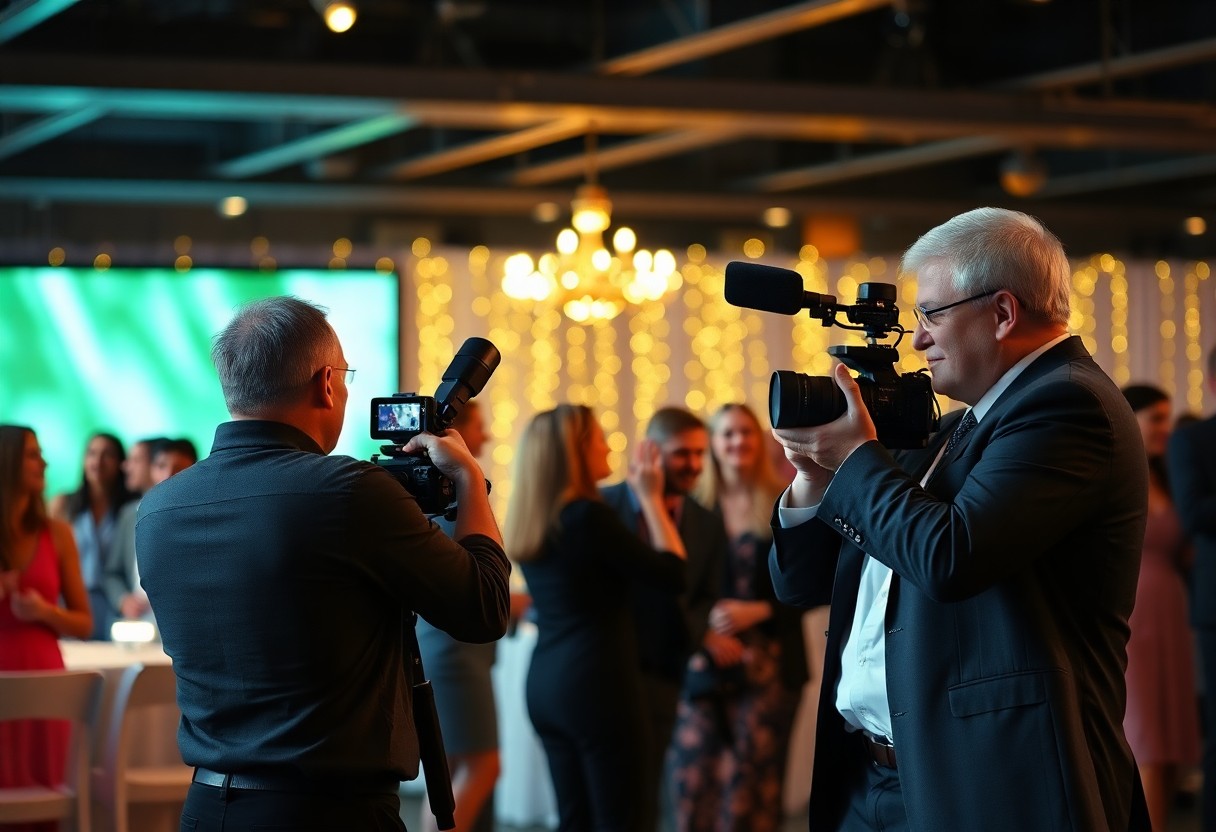
Posed photography offers a structured approach that can elevate the quality of your event images. This style emphasizes deliberate composition, allowing you to capture subjects in a way that enhances their best features while promoting a sense of cohesion throughout your photography collection. By mastering posed shots, you create timeless memories that resonate deeply with your audience.
Crafting the Perfect Composition
Achieving the perfect composition relies on strategically placing your subjects within the frame. Utilizing the rule of thirds can enhance visual interest, drawing the viewer’s eye to focal points naturally. By considering elements such as background, lighting, and angle, you can create images that are not only visually appealing but also tell a compelling story about your event.
The Role of Direction in Posed Shots
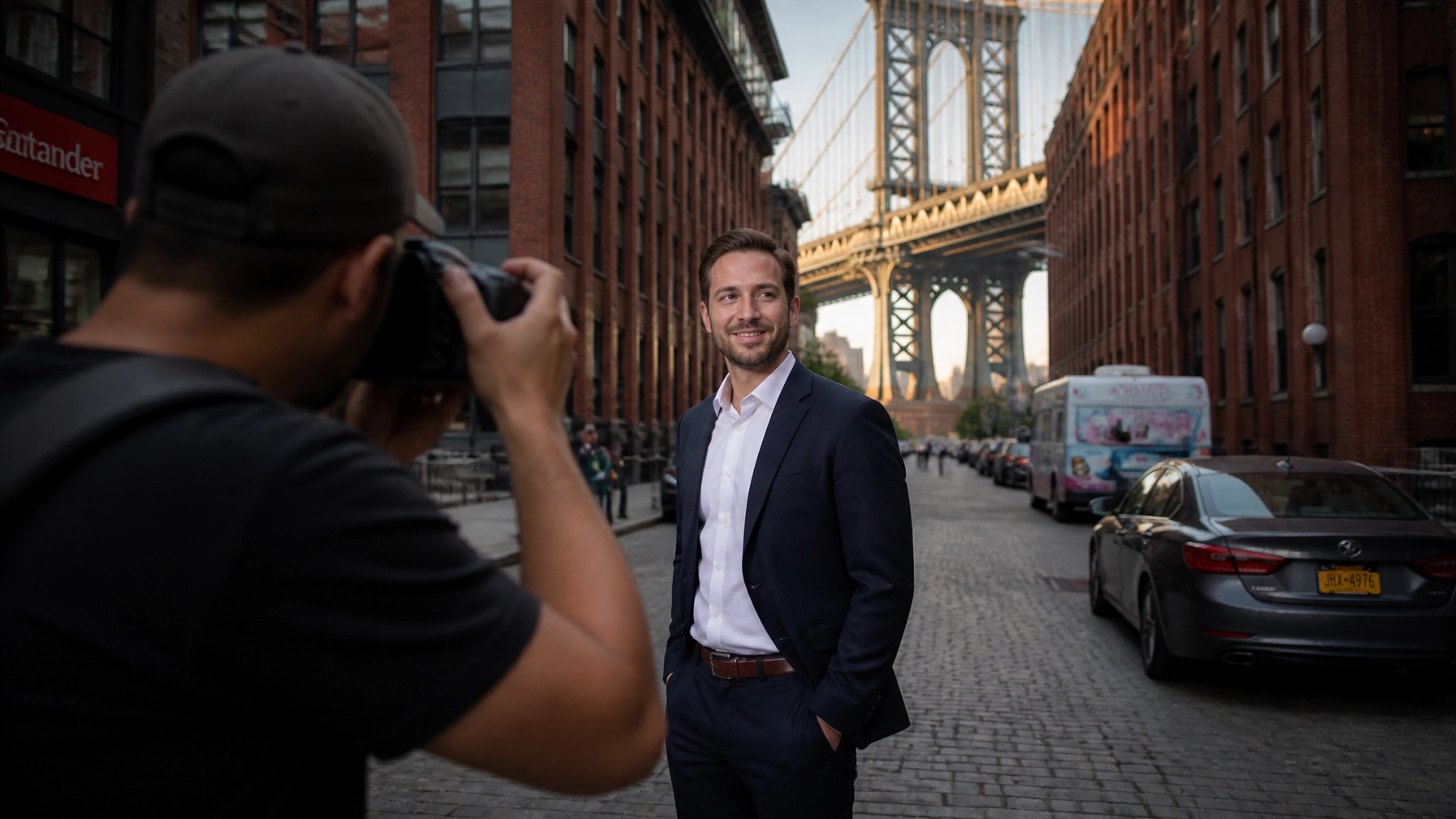
Effective direction in posed shots can drastically impact the outcome of your photography. By clearly communicating your vision and providing guidance, you instill confidence in your subjects, leading to more genuine and engaging photographs. Thoughtful direction also helps ensure that the posture and expressions align with the mood you aim to convey.
Consider providing specific prompts or scenarios when directing your subjects. Instead of just saying “smile,” encourage them to reflect on a memory related to the event, which elicits a more authentic expression. Positioning your subjects at different levels, such as seated, standing, or even leaning, adds dynamic interest to your shots. Feedback during the process can help refine images in real-time, resulting in a collection that feels both polished and personal to those captured.
Striking the Ideal Balance
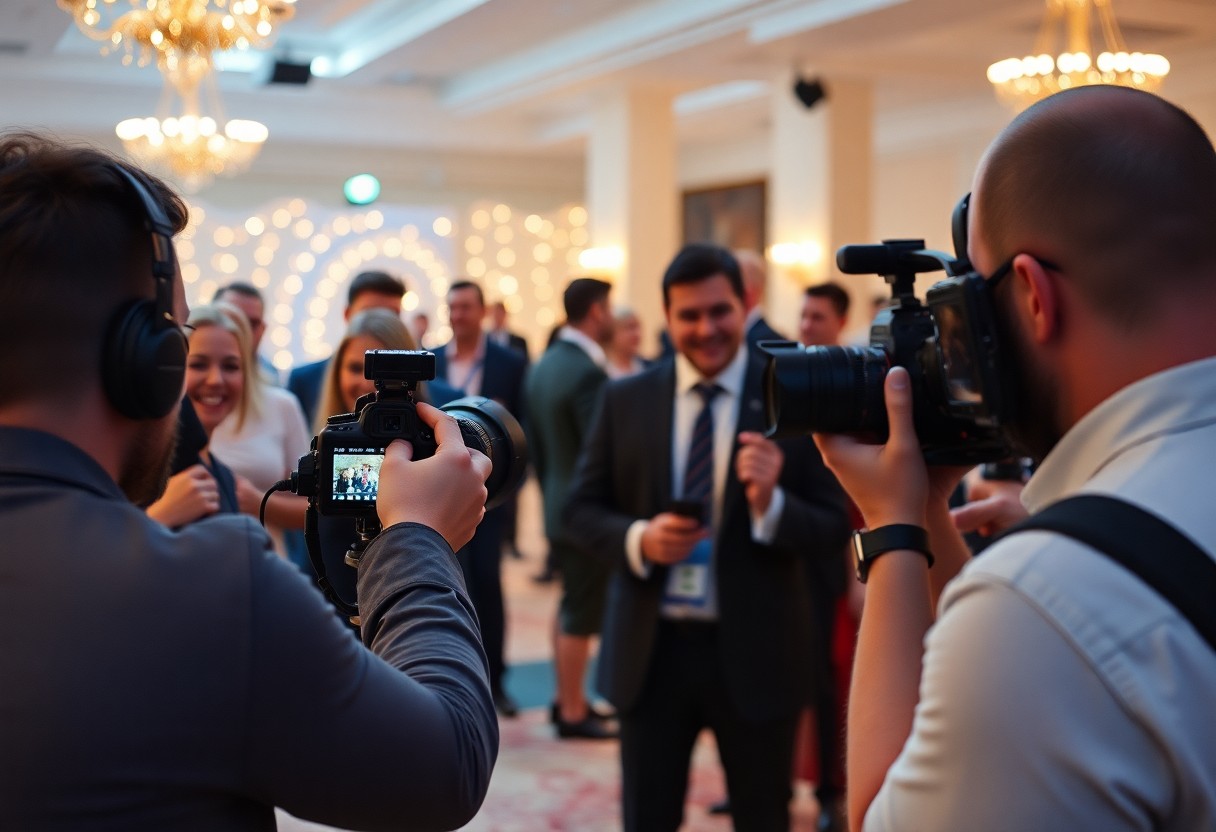
Your event photography should tell a well-rounded story that resonates with your audience. Striking the ideal balance between candid and posed shots transforms your collection into a rich tapestry, capturing not only the central theme but also the emotions, interactions, and atmosphere. Aim for about 70% candid shots layered with 30% posed ones for a dynamic look that offers the best of both worlds. This mix ensures you spotlight those heartfelt interactions while maintaining significant moments that lend structure to your storytelling.
Blending Styles for Maximum Impact
When to Prioritize Candid Over Posed
Techniques for Seamless Transition
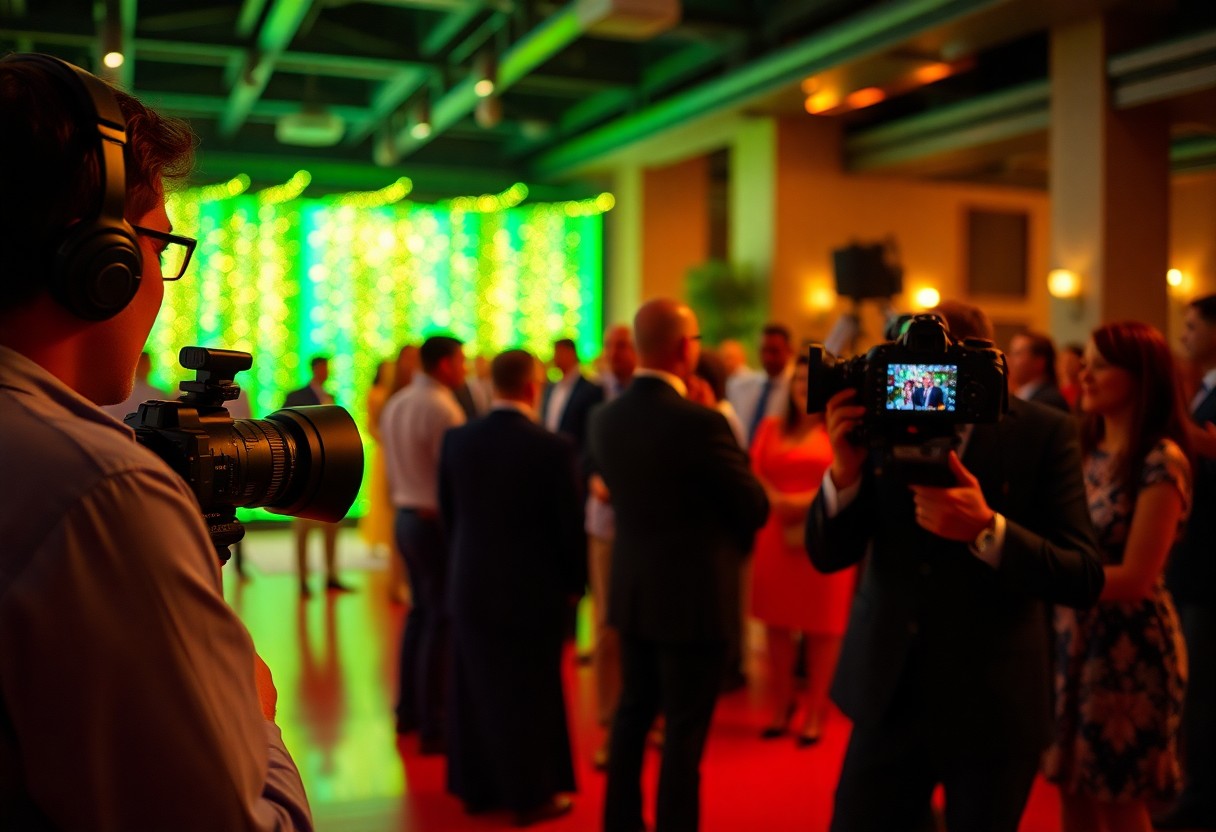
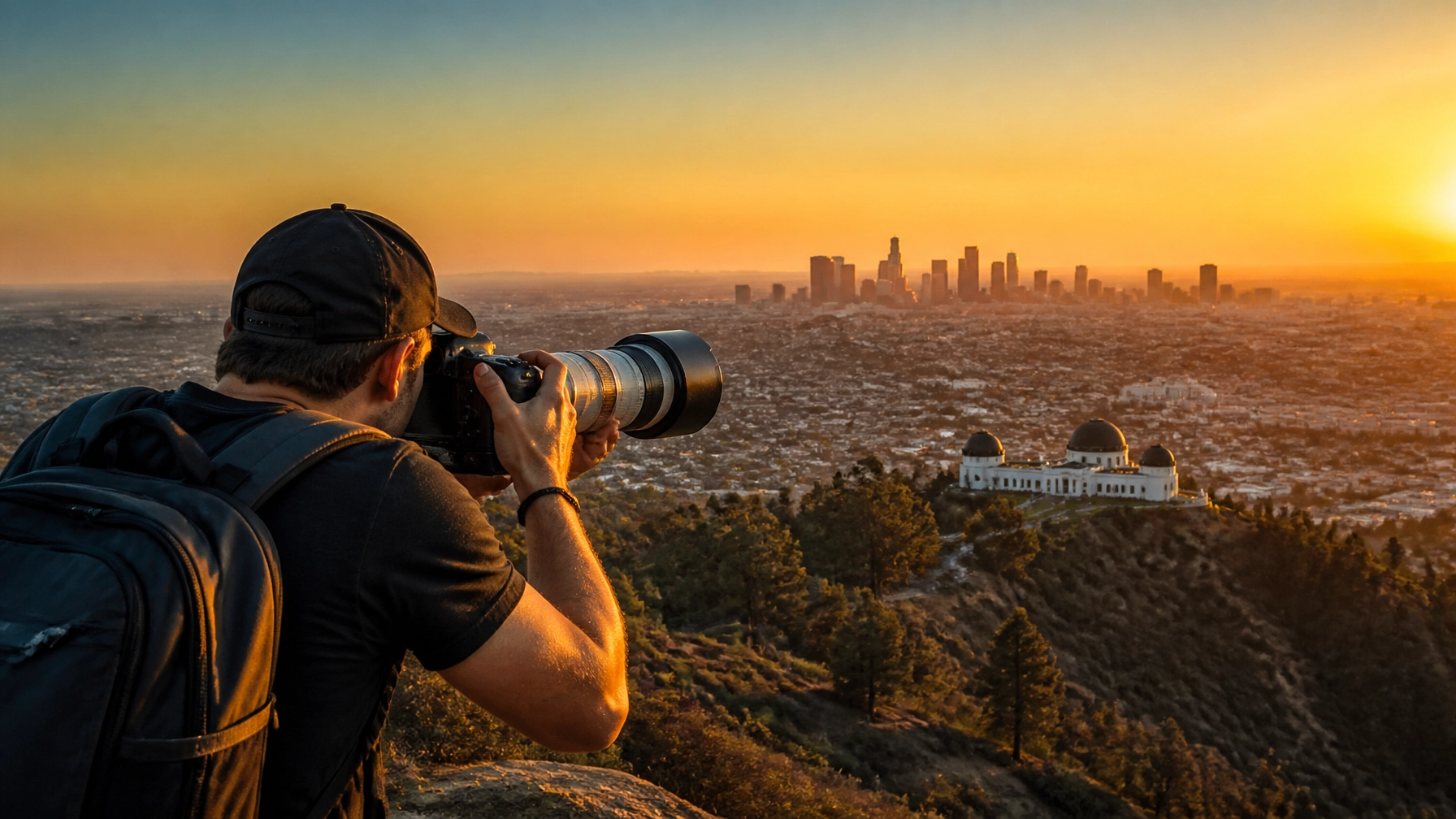
The art of blending candid and posed photography lies in mastering techniques that facilitate a seamless flow between the two styles. You should remain alert to shift your approach naturally as situations evolve. Employing zoom lenses can help you capture spontaneous moments from a distance while quickly framing a posed shot as the scene unfolds. Use your intuition to gauge the mood—if guests are relaxed and engaged, capturing them organically may yield authentic expressions, while more formal moments can be staged once the atmosphere calls for it.
Shifting Between Styles in Real Time
Transitioning between candid and posed photography in real time demands both agility and foresight. You’ll want to remain observant, ready to switch gears based on the unfolding narrative of the event. A well-timed candid shot can segue into a beautifully arranged group photo, illustrating both spontaneity and intentionality in your collection.
Timing and Anticipation in Event Photography
Timing and anticipation play pivotal roles in your ability to capture stunning images. You need to be proactive rather than reactive, foreseeing potential moments before they happen. Strong event photographers anticipate laughter during speeches or the instant a couple locks eyes, allowing you to frame these fleeting interactions beautifully.
By honing your instincts, you can develop an intuitive sense of when to press the shutter. For example, if the speaker at an event is known for engaging storytelling, positioning yourself strategically allows you to capture the audience’s flawless reactions alongside their dynamic narratives. Investing time in understanding the event and its attendees will heighten your awareness, ultimately enhancing the quality of both posed and candid shots you deliver.
Real-Life Applications and Insights
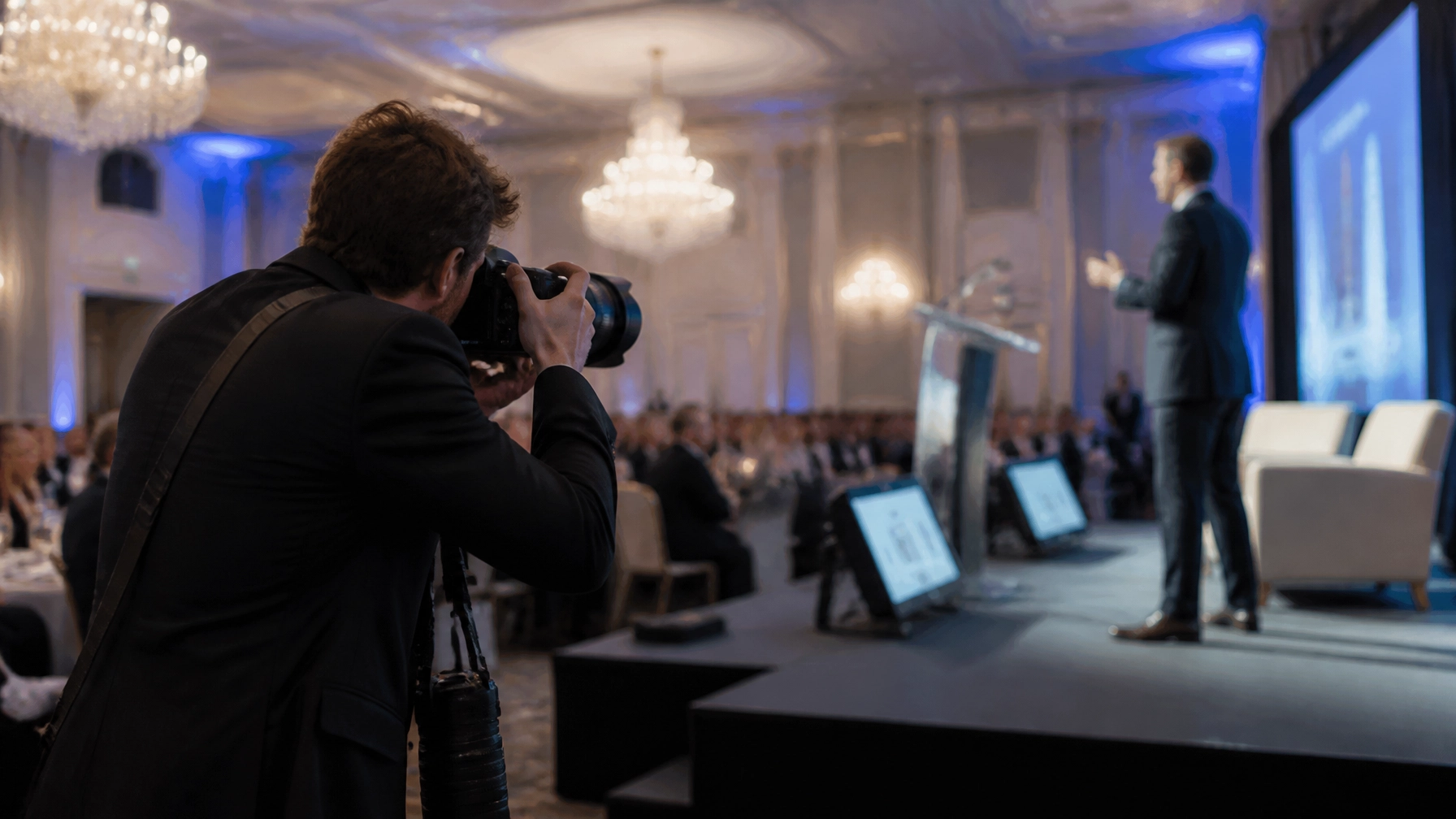
Your approach to event photography will greatly depend on the context and nature of the occasion. In corporate events, balancing posed shots of speakers with candid reactions from attendees can effectively capture both the professionalism and the energy of the day. For weddings, mixing candid captures of emotional moments with formal portraits of the couple offers a holistic narrative. Understanding the dynamics of the event helps select the right moments to immortalize, allowing you to offer a rich visual story that resonates with viewers long after the occasion is over.
Feedback from Industry Professionals
Lessons Learned from Varied Events
Final Words
Upon reflecting on the balance between candid and posed photography, you can appreciate how each style contributes to the overall narrative of your event. Understanding when to capture genuine moments and when to set up posed shots allows you to create a diverse and compelling visual story. Striking this balance ensures that your photographs not only highlight key milestones but also convey the emotions and unique atmosphere of your occasion. By being mindful of both aspects, you can enhance your event photography and leave lasting impressions for you and your guests.

Leave a Reply
You must be logged in to post a comment.