
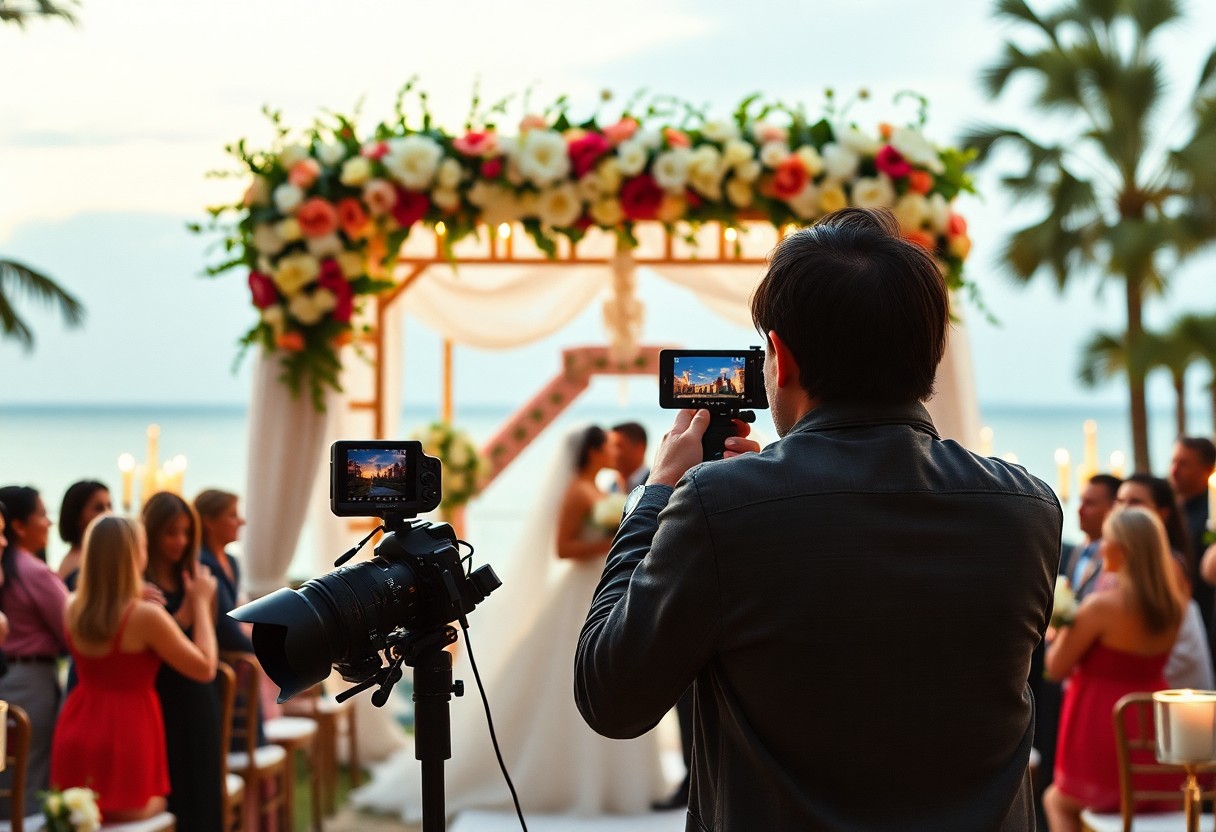
You might wonder what goes on behind the scenes of a wedding photographer’s life, and the truth is, it’s a blend of artistry, preparation, and spontaneity. From the moment you arrive at the venue, you become part of a whirlwind of emotions, vibrant moments, and intricate details that need capturing. This post will take you through a typical day in the life of a wedding photographer, showcasing the imperative skills, techniques, and experiences that make every wedding unique. Get ready to dive deep into the captivating world behind your favorite wedding images.
The Pre-Wedding Planning: Setting the Stage
Every stunning wedding album begins with meticulous pre-wedding planning, where dreams and details get woven into a cohesive vision. Armed with a detailed checklist, you’re primed to meet with the couple, dive deep into their aesthetic preferences, and establish a timeline that allows for smooth coordination on the big day. How well you set the stage will directly influence the magic you capture through your lens, ensuring that you’re perfectly aligned with their expectations.
Vision Boarding: Understanding Client Expectations
Creating a vision board is an interactive way to visualize your clients’ aspirations. You discuss colors, styles, and benchmarks they admire, facilitating an honest dialogue that helps you grasp their artistic direction. By gathering references—such as Pinterest boards or favorite photographer shots—you can harmonize your shooting style with their vision, setting the tone for the entire day.
Scout Locations: Maximizing Venue Potential
Visiting the wedding venue prior to the big day can unlock a treasure trove of creative opportunities. You notice the best natural lighting spots, unique backdrops, and even architectural elements that can enhance your compositions. Engaging in thorough location scouting allows you to visualize the day ahead, aiding in posing ideas and efficient movement during the actual event.
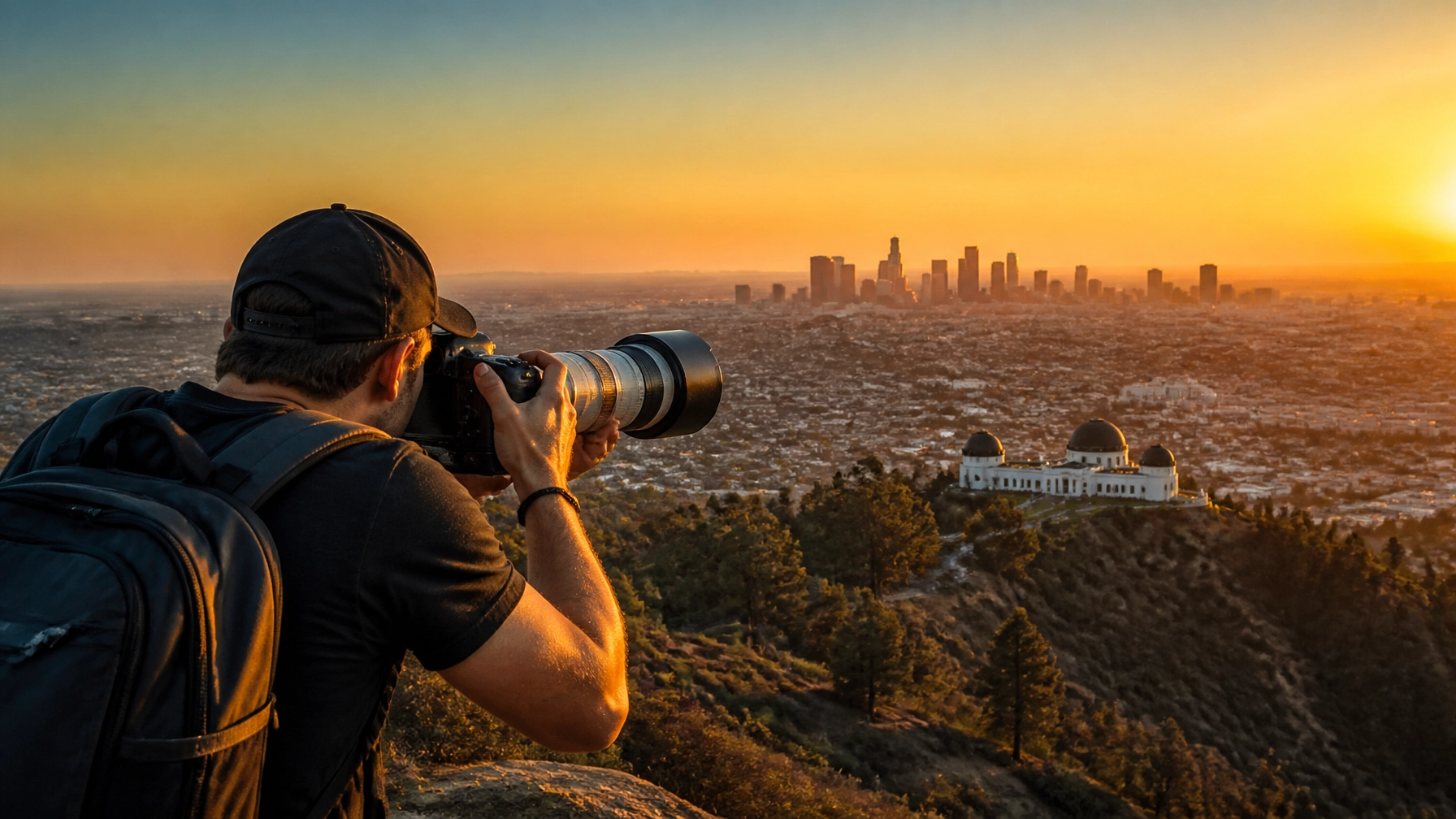
During your scouting visits, pay attention to the time of day and how it interacts with the venue’s features. Golden hour light can create breathtaking effects, especially if there are outdoor areas. You might discover hidden gems like charming corners or elevated views that the couple hadn’t considered. Additionally, understanding the layout helps streamline your workflow on the wedding day, ensuring you capture candid moments while remaining unobtrusive. The more familiar you are with the venue, the more effectively you can maximize its potential for stunning imagery that reflects your clients’ vision.
The Wedding Day Rush: Capturing Fleeting Moments
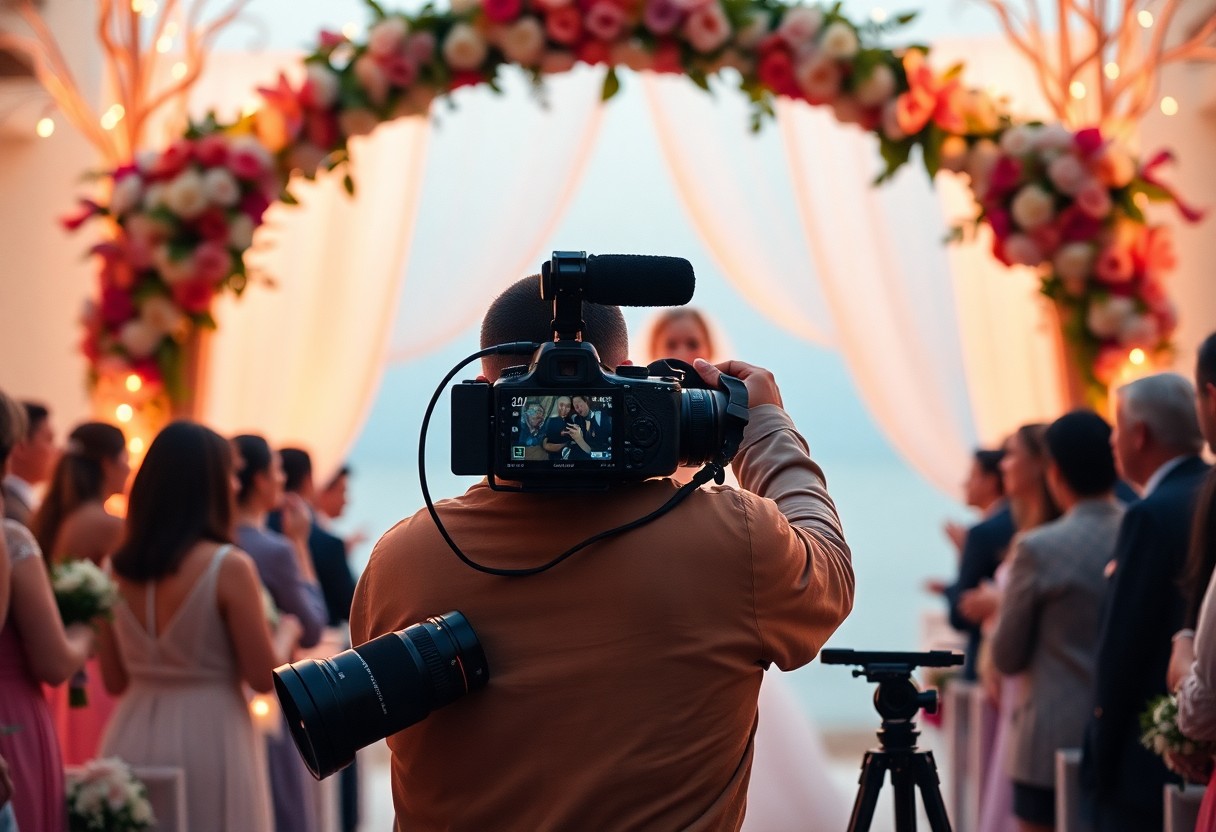
The energy on a wedding day is palpable, with emotions running high and moments unfolding in rapid succession. As a wedding photographer, your focus sharpens as you navigate the whirlwind of ceremonies, vows, and celebrations, always staying alert to capture those fleeting yet significant moments. Whether it’s a stolen glance between the couple or the joyful laughter of family during the reception, each shot holds the potential for a treasured memory that you will deliver to your clients.
Managing Time: Prioritizing Key Shots
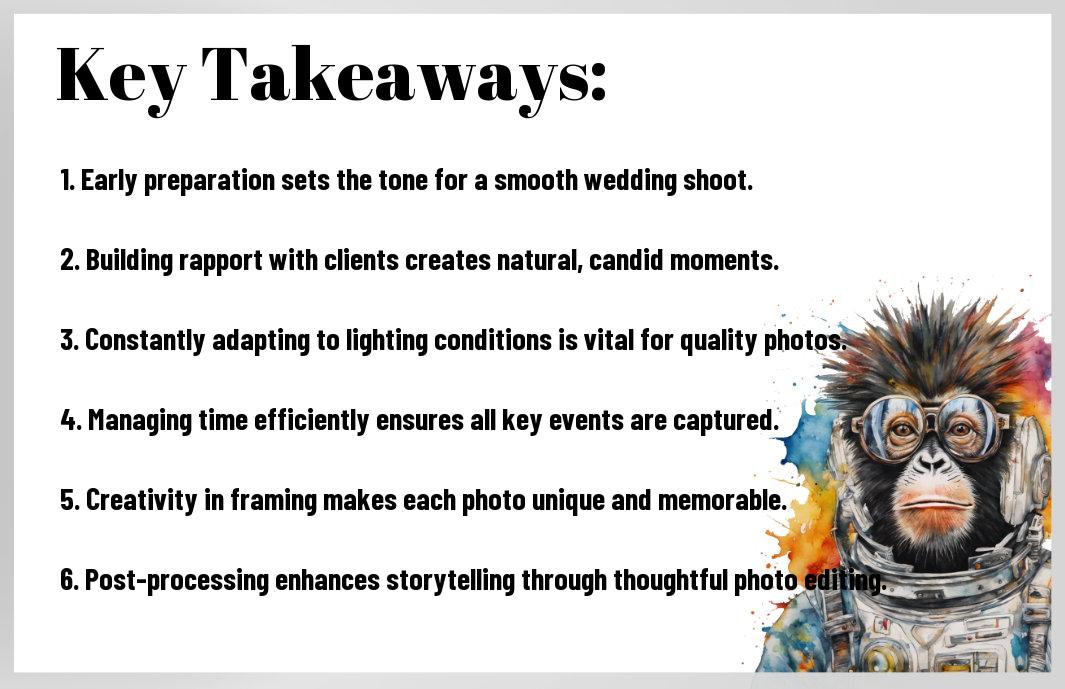
Organizing your shot list is vital for maximizing the limited time available during the wedding day. Before the big event, you collaborate with the couple to identify important moments—from getting ready to the first dance. This preparation equips you to move fluidly through each phase, ensuring that key shots are prioritized while still permitting some spontaneity for candid moments.
Staying Adaptable: Handling Unforeseen Challenges
Adapting to surprises is part of the job. From sudden weather changes to schedule adjustments, maintaining a flexible approach ensures that you capture the essence of the day, regardless of any hiccups. Keeping backup gear on hand is one way to mitigate equipment failures, while maintaining an open line of communication with the wedding planner can help you navigate time constraints and unexpected changes in the schedule.
Unexpected situations can arise at any moment, making adaptability a cornerstone of your success. For example, if the outdoor ceremony is disrupted by rain, quickly transitioning to an indoor setup might be necessary. You might also need to modify lighting techniques if the venue doesn’t offer the best illumination. Successful photographers thrive under pressure, continuously recalibrating their strategies while ensuring the couple’s vision still shines through in every frame.
Behind the Camera: The Technical Mindset
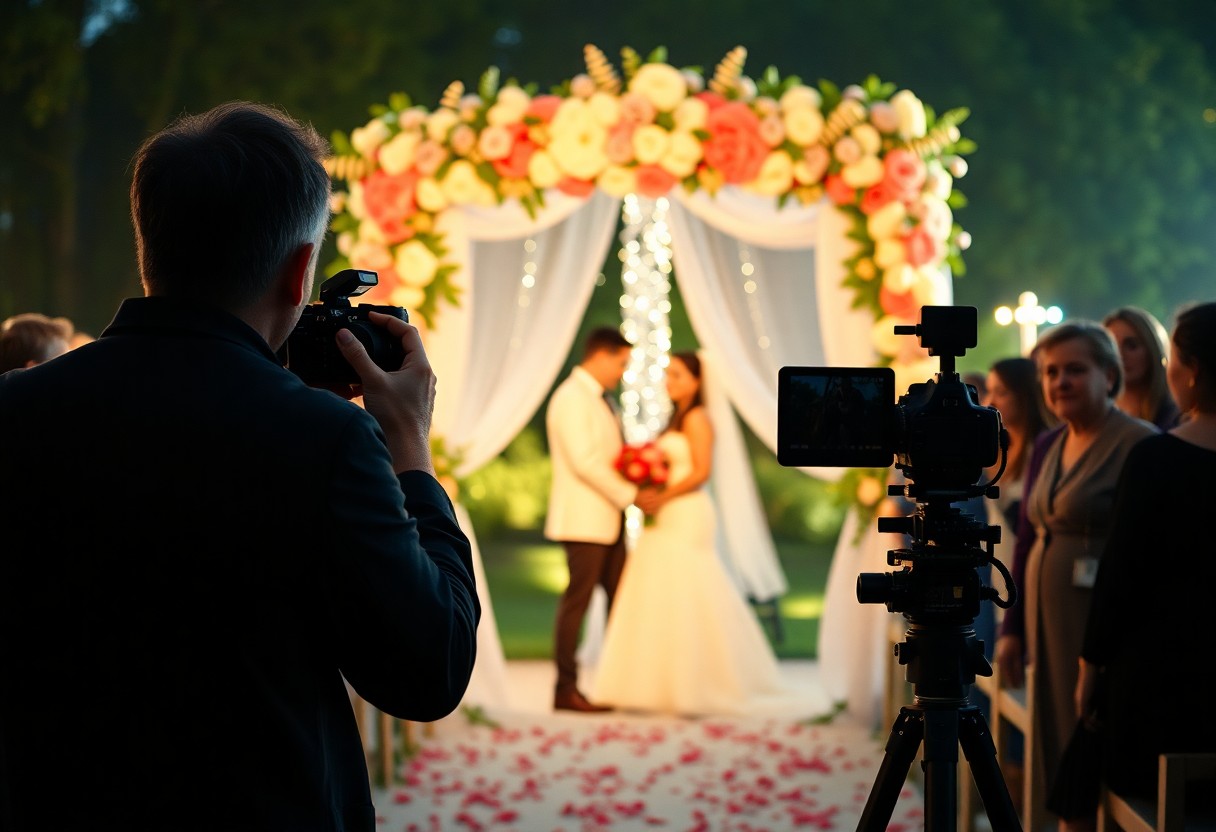
A wedding photographer’s technical mindset is as vital as their creative vision. You must be constantly aware of lighting conditions, camera settings, and the moment you want to capture. For instance, adjusting your aperture to enhance backgrounds while experimenting with shutter speed can turn an ordinary shot into breathtaking art. Understanding the interplay of ISO, exposure, and focal length allows you to adapt to the unique atmosphere of each venue and the specific moods of the moment, ensuring you never miss the emotional connections that define the day.
Equipment Essentials: Gear That Elevates Your Shots
Your gear can transform your photography from good to exceptional. Investing in high-quality cameras, versatile lenses, and reliable lighting equipment ensures that you can adapt to any situation thrown your way. A fast prime lens is invaluable for low-light receptions, while zoom lenses allow you to capture candid moments without intruding on the couple’s intimacy. Additionally, a well-stocked bag should always include extra batteries and memory cards to avoid unexpected interruptions during those magical moments.
The Art of Composition: Framing Emotion in Every Picture
Mastering composition is what separates average wedding pics from breathtaking memories. Utilizing the rule of thirds can lead the viewer’s eye to the most critical elements, while lines and symmetry draw attention to love-filled details, such as rings or floral arrangements. Keep an eye on the background to avoid distractions that could dilute the focus on emotional moments. Strong compositions can turn fleeting instances, like a glance or a hearty laugh, into unforgettable pieces of art that resonate with the couple and their loved ones.
The art of composition is about storytelling through your lens. This means positioning your subjects in ways that create depth and interest, whether you’re framing a joyful couple under an archway or capturing a bride’s nervous anticipation before walking down the aisle. Each angle you choose and each element you include or exclude can enhance the emotional weight of the image. Emphasizing pivotal moments isn’t just about the subjects; it’s also about how you interact with the environment. Lighting, surrounding elements, and the emotional context all come into play, allowing you to encapsulate the day’s essence, one frame at a time.
Post-Production Precision: Crafting The Final Narrative
Employing post-production techniques allows you to shape the wedding day into a cohesive visual story. After the final shutter click, your real work begins as you look into a suite of editing tools that will transform raw images into stunning, polished pieces. Each photo undergoes careful selection and enhancement, ensuring that the emotions, colors, and intricate details are magnified, capturing the essence of the day in every frame.
Editing Techniques: Enhancing without Overdoing
Striking a balance between enhancement and authenticity is vital in editing. You want to boost vibrant colors and eliminate distractions while keeping the imagery true to its original essence. Techniques like selective color correction and softening highlights can help achieve that natural look without veering into over-saturation or excessive manipulation. This meticulous approach ensures your clients see themselves as they truly were on their special day.
The Importance of Deliverables: Timelines and Client Relations
Timeliness in delivering photos is pivotal for maintaining strong client relations. A clear timeline not only sets expectations but also builds trust. With a typical turnaround ranging from 4-12 weeks, consistent communication throughout the process helps reassure clients and keeps excitement alive as they await their memories.
Establishing efficient workflows for post-production can make a significant difference in meeting these timelines. For instance, creating a schedule that divides photo editing into manageable sections allows you to maintain quality while being timely. Additionally, regular updates or sneak peeks can foster engagement and anticipation, ensuring that your clients feel valued throughout their experience. This proactive communication can lead not only to satisfied clients but also to referrals and repeat business, reinforcing your reputation as a reliable wedding photographer.

The Business Behind the Lens: A Balancing Act
Managing a wedding photography business requires a unique blend of creativity and organizational skills. You’re not just an artist capturing beautiful moments; you’re also an entrepreneur juggling client bookings, contracts, and the intricacies of your marketing strategy. Each day presents a new challenge, whether it’s networking with vendors, meeting prospective clients, or managing your post-wedding workflow, which includes editing photos and securing payments. Finding that equilibrium between artistry and business acumen is crucial for long-term success in this competitive industry.
Marketing Strategies: Building Your Brand and Reputation
Your marketing approach greatly influences your visibility and reach within the wedding industry. Strategic use of social media platforms like Instagram and Facebook allows you to showcase your portfolio and connect with potential clients. You can leverage styled shoots, testimonials, and collaborations with wedding planners to boost your reputation. Crafting a cohesive brand that resonates with your target audience helps you stand out in a crowded marketplace.
Financial Management: The Hidden Costs of a Photography Business
Understanding financial management is key to sustaining your photography venture. Beyond the initial setup costs for equipment and websites, hidden expenses can quickly accumulate. Insurances, licensing fees, and promotional materials often go overlooked but contribute significantly to your bottom line. Consistently monitoring your income and expenses through accurate record-keeping allows you to make informed decisions and adjust your pricing strategy when necessary.
To illustrate the hidden costs, consider that professional-grade cameras and lenses can easily exceed $5,000, while additional investments in backup gear, editing software, and storage solutions add up. Expenses like gas for travel to wedding venues, marketing materials for outreach, and even ongoing education in the latest photography techniques should also be accounted for. Keeping a detailed account of these financial aspects ensures you keep your business profitable while delivering the best service to your clients.
Conclusion
The insights you’ve gained from ‘Behind The Lens – A Day In The Life Of A Wedding Photographer’ offer a deeper understanding of the dedication and creativity required in this profession. By immersing yourself in the various aspects of a wedding shoot, you’ve seen how each moment and detail is crucial in capturing the essence of love. This knowledge can enhance your appreciation for the artistry behind wedding photography and perhaps inspire your own creative endeavors in the field.





Leave a Reply
You must be logged in to post a comment.