
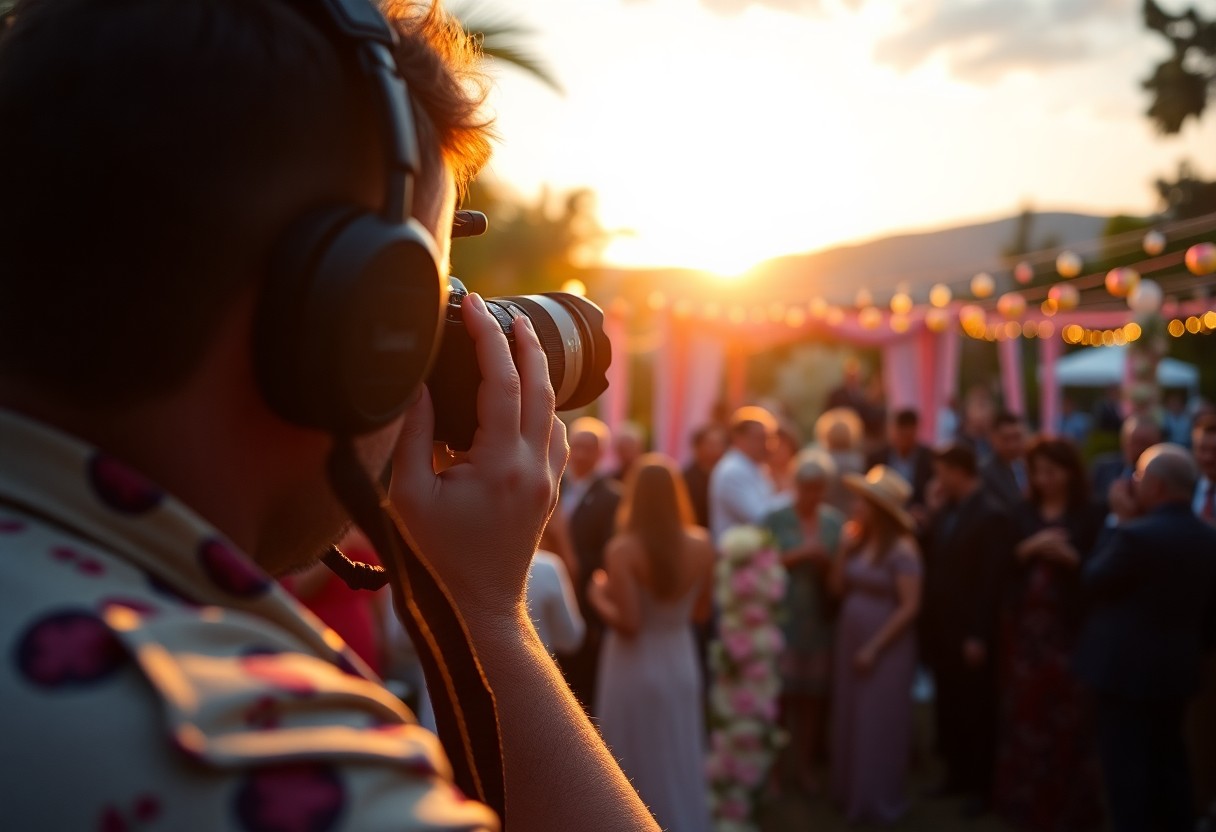
It’s a fascinating journey to step into the shoes of an event photographer, where every day presents new challenges and stories to capture. You will navigate a variety of environments, adapting swiftly to changing conditions while ensuring the essence of each event is preserved through your lens. From the buzz of social gatherings to the intimate moments that unfold, you’ll learn the importance of preparation, creativity, and technical skill, all of which contribute to crafting memorable visual narratives that resonate long after the event has concluded.
The Role of an Event Photographer
Before you step into the vibrant world of event photography, it’s crucial to understand that your role extends far beyond just clicking pictures. You are the visual storyteller, tasked with capturing the essence and emotions of the occasion. Your photographs encapsulate memories for your clients, helping them relive special moments long after the event has ended. You must be present, attentive, and adaptable to create compelling visual narratives that reflect the atmosphere and energy of the event.
Understanding Client Needs
One of the first steps in your journey as an event photographer is to thoroughly understand your client’s specific needs and expectations. Engaging in detailed discussions helps you grasp their vision for the event and the type of moments they wish to highlight. By actively listening and asking the right questions, you can tailor your approach and ensure that you meet or even exceed their objectives, resulting in a seamless experience for both of you.
Navigating Event Dynamics
Beside understanding client needs, you also need to navigate the dynamic environment of an event. This involves being acutely aware of your surroundings, the flow of activities, and the various interactions happening simultaneously. Agility in movement and the ability to anticipate key moments are crucial components of your skill set.
Further to navigating event dynamics, you’ll find that adaptability is vital. Events often unfold in unexpected ways, and you must be ready to pivot your focus and approach at a moment’s notice. Whether it’s capturing candid interactions at a wedding or documenting spirited performances during a corporate gala, your ability to blend into the background while maintaining a watchful eye will allow you to seize authentic moments that tell a unique story. The key is to remain flexible, as the rhythm of the event can shift swiftly and require your undivided attention to capture it all seamlessly.
Pre-Event Preparation
You must lay a solid foundation for a successful event shoot during the pre-event preparation phase. This involves thorough planning and organization to ensure everything runs smoothly on the big day. By taking the time to prepare, you can reduce stress and focus on capturing those perfect moments as they unfold.
Scouting Locations
Against the backdrop of the event, scouting locations allows you to identify the best spots for shots, taking into account lighting, angles, and potential distractions. This preparatory step enables you to envision the flow of the event and the visual storytelling you aim to create through your lens.
Equipment Checklist
The right equipment can make all the difference in achieving quality images, so having a thorough checklist is important. Ensuring that you have every piece of gear you need will allow you to capture the event effectively and efficiently.
This checklist typically includes your camera body, lenses, batteries, memory cards, and lighting equipment. Additionally, don’t forget crucial accessories such as a tripod, remote shutter release, and lens cleaning kit. By double-checking your gear the night before, you can head to the venue with confidence that you’re fully equipped to document the day without any hiccups.
The Event Day
One of the most exciting parts of being an event photographer is the day of the event itself. Your adrenaline will be pumping as you prepare to capture moments that will create lasting memories for your clients. Each event is unique, presenting its own set of challenges and opportunities, and your ability to adapt will be tested. From the moment you arrive to the conclusion of the festivities, every moment is a chance to showcase your creativity and skills.
Setting Up
At the beginning of the event day, setting up your equipment is vital. You’ll want to arrive early to scout the venue, assess lighting conditions, and determine the best angles for your shots. Organizing your gear, such as cameras, lenses, and lighting, ensures that you’re ready for anything the day may throw your way. A solid setup can significantly enhance your ability to capture those unforgettable moments.
Capturing Key Moments
Moments unfold quickly during an event, and being prepared to capture them is vital. Your goal is to be in the right place at the right time, whether it’s the laughter during a toast or the emotion during special dances. Having a keen eye for spontaneous interactions will help you create a narrative through your photos that resonate with your clients.
In fact, you should focus on both planned and spontaneous moments throughout the event. While you may have a list of key moments to capture, staying alert for candid expressions and reactions can lead to some of the most compelling shots. Engaging with guests can also help you anticipate their interactions, allowing you to document the heart of the event as it unfolds. Your ability to blend in while remaining observant is key to telling a genuine story through your images.
Post-Event Workflow
Many event photographers find that their job does not end with the last click of the shutter. In fact, the post-event workflow is imperative to delivering quality results to clients. This phase involves organizing your files, selecting the best images, and editing them to ensure they reflect the event’s essence. It’s where your vision truly comes alive, enabling you to provide a polished product that meets your clients’ expectations.
Photo Editing Process
By prioritizing a systematic photo editing process, you can efficiently enhance your images. Start by reviewing all your shots, selecting the best ones that showcase the event’s highlights. Use editing software to adjust exposure, color balance, and sharpness, ensuring each image captures the atmosphere and emotions perfectly. This part of the workflow allows you to create a cohesive narrative and professional finish that aligns with your style.
Delivering Final Images
Images are the final product your clients eagerly await, and delivering them effectively is key. You should prepare a well-organized, visually appealing presentation of the images, typically through an online gallery or a USB drive. Including a carefully curated selection showcases your best work and elevates the overall experience for your client.
It’s important to ensure that your images are delivered promptly, as this impacts client satisfaction. Include important details, such as licensing agreements and usage rights, to avoid complications later. Providing a personalized touch, like a thank-you note or bonus images, can further enhance your relationship with the client and encourage future referrals. Ultimately, a seamless delivery process reflects your professionalism and commitment to quality work.
Challenges Faced by Event Photographers
For event photographers, every shoot presents a unique set of challenges that can test your skills and adaptability. From managing client expectations to dealing with unpredictable situations, understanding how to navigate these obstacles is vital for capturing memorable moments. With experience comes the ability to approach each challenge with confidence, helping ensure that you deliver high-quality images regardless of the circumstances.
Unpredictable Environments
Above all, event photographers often find themselves in settings that can change rapidly. The lighting might be less than ideal, or weather conditions can shift unexpectedly, requiring quick adjustments in your approach. Being prepared to adapt is key, as these environments can influence not only your photography but the overall atmosphere of the event itself.
Time Management
For event photography, effective time management is vital to ensure that you capture all the critical moments without missing a beat. You must develop a keen sense of timing, balancing your creative vision with the event’s schedule to maintain flow and coherence in your shots.
But managing your time effectively means more than just sticking to a schedule; it requires anticipating key moments and planning your shots accordingly. You’ll need to familiarize yourself with the event timeline, allowing you to prepare for special moments like speeches, toasts, or performances. By thoughtfully organizing your approach, you can maximize your productivity and ensure that no important event is overlooked, delivering a comprehensive visual story for your client.
Tips for Aspiring Event Photographers
Unlike many creative fields, event photography demands a unique blend of skill and adaptability. To help you thrive, consider these tips:
- Practice consistently to hone your technical skills.
- Study lighting conditions in various venues.
- Be ready to capture candid moments.
- Develop strong communication skills to interact with clients and attendees.
- Invest in quality equipment that suits your style.
Perceiving every type of event as an opportunity can enhance your artistry and marketability.
Building a Portfolio
Along your journey as an event photographer, it’s crucial to build a diverse portfolio that showcases your best work. Start by capturing various events, from weddings to corporate functions, and display your ability to adapt to different settings. Include a mix of posed shots and candid moments to tell a comprehensive story. Potential clients will appreciate a portfolio that reflects your versatility and creativity.
Networking Strategies
Above all, effective networking is key to establishing your presence in the event photography industry. Attend industry events, join photography groups, and utilize social media to connect with peers and potential clients.
Consequently, cultivating relationships within your community can open doors to referrals and collaborations. Engage with other professionals, such as event planners, venues, and caterers, as they can become valuable sources of leads. Consistent, genuine interaction with your network will strengthen those relationships, making it easier to secure future opportunities. Networking isn’t just about exchanging business cards; it’s about building trust and rapport with those who can elevate your career.
To wrap up
With these considerations, you can appreciate the intricacies of being an event photographer. Your day is filled with dynamic moments that require not only technical skill but also an understanding of your clients’ vision. As you navigate through planning, capturing, and editing, you’ll find that each event offers unique challenges and rewards, ultimately shaping your style and expertise. Embracing these elements will enhance your craft and help you build meaningful connections with your clients, ensuring their special moments are preserved forever.



Leave a Reply
You must be logged in to post a comment.