
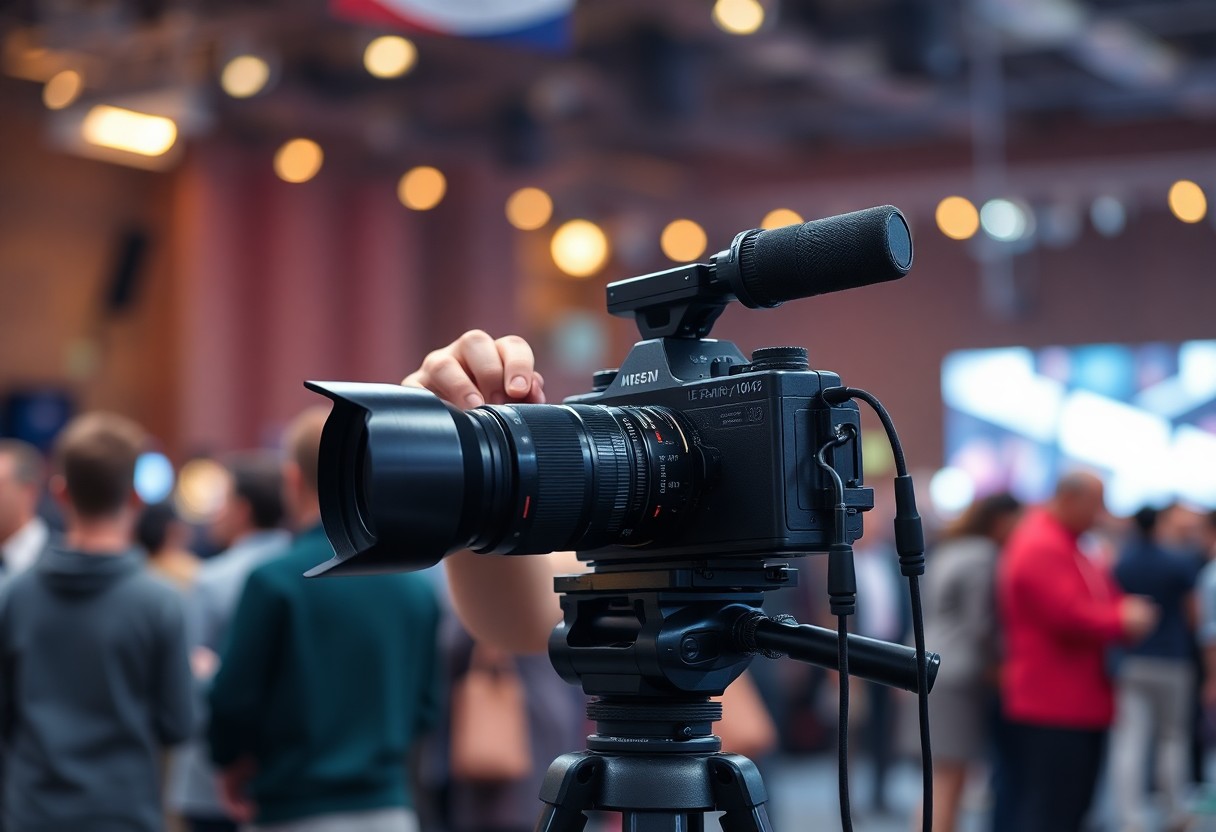
Mistakes in event photography can lead to disappointing results and lost opportunities to capture special moments. As you navigate through your next event, being aware of common pitfalls can enhance your skills and the quality of your work. In this guide, you’ll learn how to prevent these errors and elevate your photography, ensuring that you deliver images that truly reflect the essence of the occasion. From lighting issues to composition blunders, we’ll cover it all to help you stand out as a professional photographer.
Common Mistakes in Event Photography
The path to capturing memorable moments in event photography is often riddled with pitfalls. By being aware of common mistakes, you can enhance your skills and ensure you deliver stunning images that reflect the essence of the occasion. From preparation lapses to camera setting oversights, understanding these missteps will help you avoid them, leading to more successful outcomes in your photography endeavors.
Neglecting Preparation
For any successful event photography, adequate preparation is key. This involves not only knowing the event schedule but also scouting the location and planning your shots ahead of time. Arriving without a clear understanding of the event can lead to missed opportunities and inadequate coverage of important moments.
Overlooking Camera Settings
Mistakes with camera settings can significantly impact the quality of your event photos. Without the right adjustments to exposure, aperture, and ISO, your images may be underexposed, overexposed, or grainy. Familiarizing yourself with your camera’s various settings and practicing them in different lighting situations will allow you to capture vibrant and compelling photographs regardless of the event conditions.
Settings should be tailored to the environment and subject matter at hand. For instance, in low light situations, you might need to increase your ISO and widen your aperture to maintain proper exposure. Conversely, in bright settings, lowering the ISO and using a smaller aperture can help prevent blown-out highlights. It is important to regularly check your settings throughout the event to ensure you are capturing the best possible images.
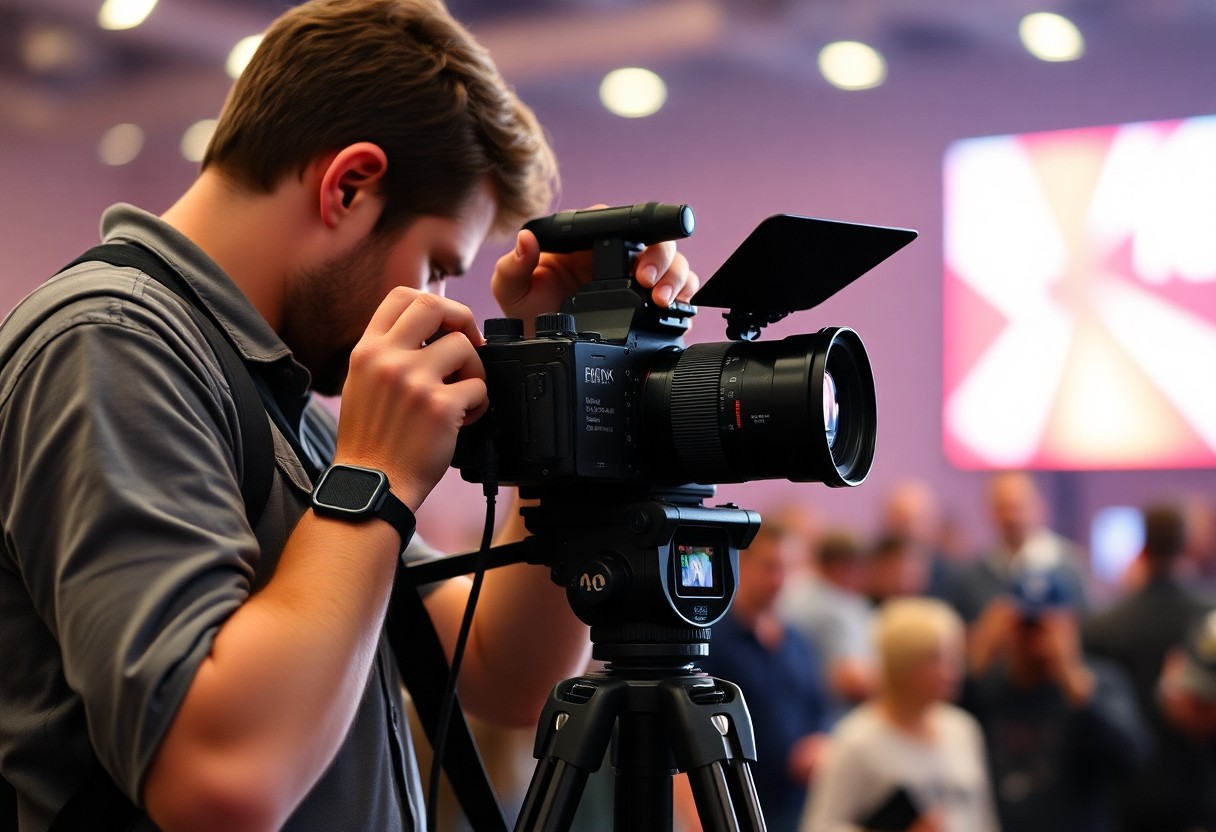
How to Avoid Mistakes
There’s no shortcut to success in event photography, but with careful forethought and diligent preparation, you can minimize errors that detract from your work. By planning your approach and ensuring you have all necessary equipment on hand, you’ll be better positioned to capture those important moments seamlessly.
Planning Ahead
If you take the time to map out your strategy before the event, you can anticipate potential challenges and devise solutions in advance. Research the venue, scout locations for the best angles, and communicate with event organizers to understand the schedule and key moments you should focus on.
Checking Equipment
Some photographers overlook equipment checks, leading to missed opportunities when gear malfunctions. Ensuring all your equipment is in working order is imperative for a successful photography session.
Mistakes made during the equipment check can result in technical failures that compromise your work. Always verify battery levels, and bring spares for both your camera and flash. Inspect your lenses for dust or smudges, and ensure that you have the appropriate memory cards available. Having backups of everything will give you peace of mind and allow you to focus on capturing the event without worrying about your gear.
Tips for Capturing the Moment
Some vital tips for capturing the moment effectively include:
- Always be ready; moments can be fleeting.
- Focus on the emotions and reactions of the subjects.
- Use your camera settings to adapt quickly to changing environments.
- Be aware of your surroundings for unexpected photo opportunities.
The best photographs often tell a story, so remain attentive and engaged.
Candid vs. Posed Shots
An effective photography strategy balances both candid and posed shots. Candid moments capture spontaneous emotions and interactions, while posed shots often highlight important people and groups. Striking the right balance can provide a comprehensive narrative of the event, showcasing both the lively atmosphere and the key memories that matter most to your clients.
Understanding Lighting Conditions
Moment-to-moment lighting can significantly affect your photography results. You should assess the natural light available, especially during outdoor events. Pay attention to harsh shadows and overly bright spots, as these can diminish the quality of your images.
Conditions can dramatically alter the mood and clarity of your photos. For indoor venues, try to identify the light sources, whether they are artificial or natural. Adjust your camera settings accordingly, using a higher ISO for low light or a faster shutter speed in bright settings. Pay attention to the direction of the light, as backlighting may create silhouettes but can also produce dramatic effects if executed well. Ultimately, understanding lighting conditions empowers you to capture stunning images consistently.
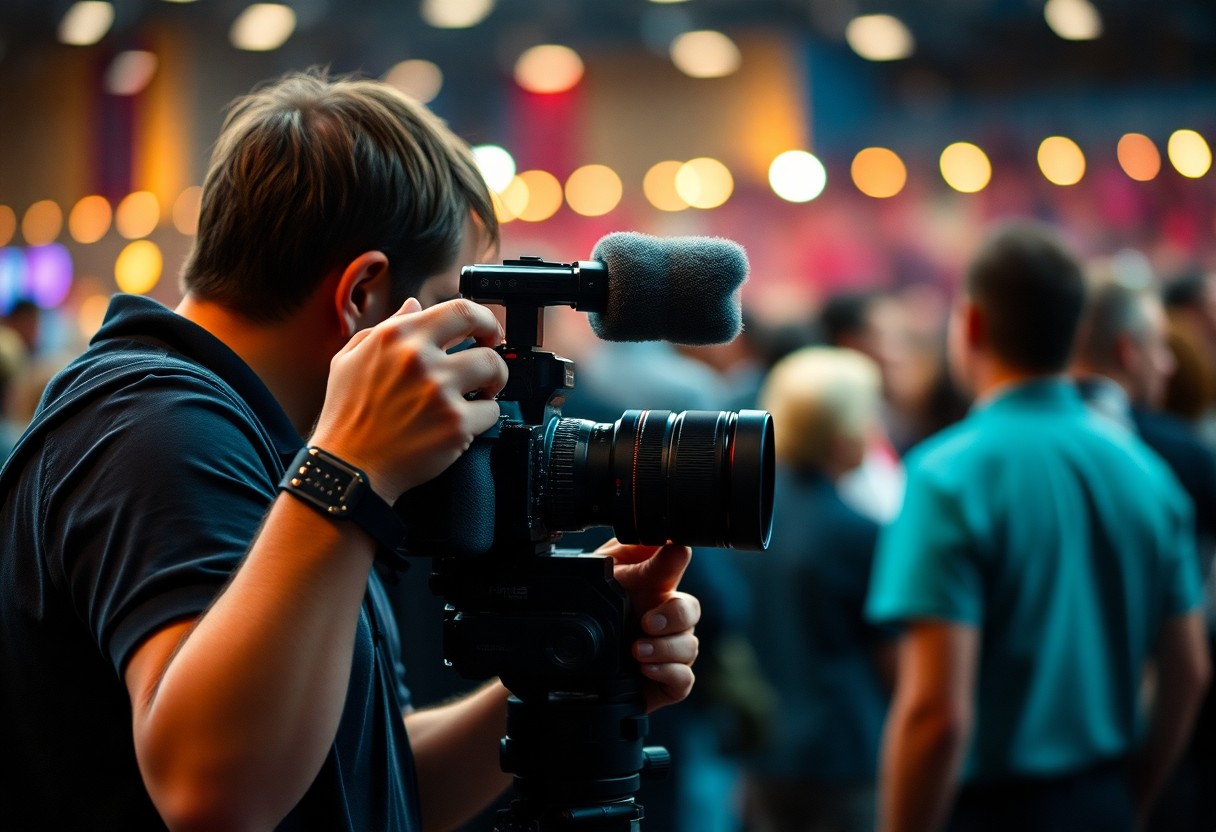
Factors to Consider for Successful Events
After outlining your photography goals, consider various factors that contribute to a successful event. These elements can significantly enhance your shots and overall experience:
- Event type and theme
- Timing and lighting conditions
- Guest count and expectations
- Access to important locations
- Communication with the event planner
This understanding will help you capture the essence of the event effectively.
Venue Layout
To make the most of a venue’s layout, familiarize yourself with the space before the event. This includes locating key areas such as entrances, stages, and seating arrangements, allowing you to position yourself strategically. Consider the potential for various backdrops and lighting conditions that will highlight the atmosphere.
Guest Behavior
On the day of the event, your guests’ behavior can significantly impact your photography. Being aware of group dynamics and interactions allows you to anticipate candid moments and meaningful expressions that can elevate your work.
A keen observation of guest behavior can lead to extraordinary candid shots. Pay attention to how guests interact, whether in large groups or intimate conversations. Capturing spontaneous laughter, heartfelt exchanges, or unique moments of connection can convey the event’s true spirit. Positioning yourself near key activities can enhance your ability to document these interactions authentically.
Technical Considerations
For successful event photography, understanding the technical aspects of your gear is imperative. You should familiarize yourself with your camera settings, including aperture, shutter speed, and ISO. Mastering these elements not only improves your image quality but also helps you adapt quickly to changing lighting conditions typical in events. Make sure to carry backup equipment to avoid any disruptions, and always check your gear before the event to ensure everything is in working order.
Choosing the Right Lenses
Little thought goes into how lens choice can dramatically affect your event photos. You want to select lenses that suit the type of event you’re shooting—fast prime lenses for low-light conditions or versatile zoom lenses for capturing a range of moments without changing equipment frequently.
Using Flash Effectively
Even in well-lit environments, using flash can enhance your event photography by adding depth and clarity to your images. It’s imperative to learn how to balance ambient light with your flash settings, making your subjects pop without creating harsh shadows or overexposed highlights.
A good technique is to utilize bounce flash, which involves directing the flash upwards towards a nearby ceiling or wall to disperse the light, creating softer illumination. This approach minimizes the risk of direct flash glare and helps maintain the atmosphere of the venue. Additionally, consider adjusting your flash exposure compensation to prevent overexposed subjects, especially in dynamic event settings where lighting changes rapidly.
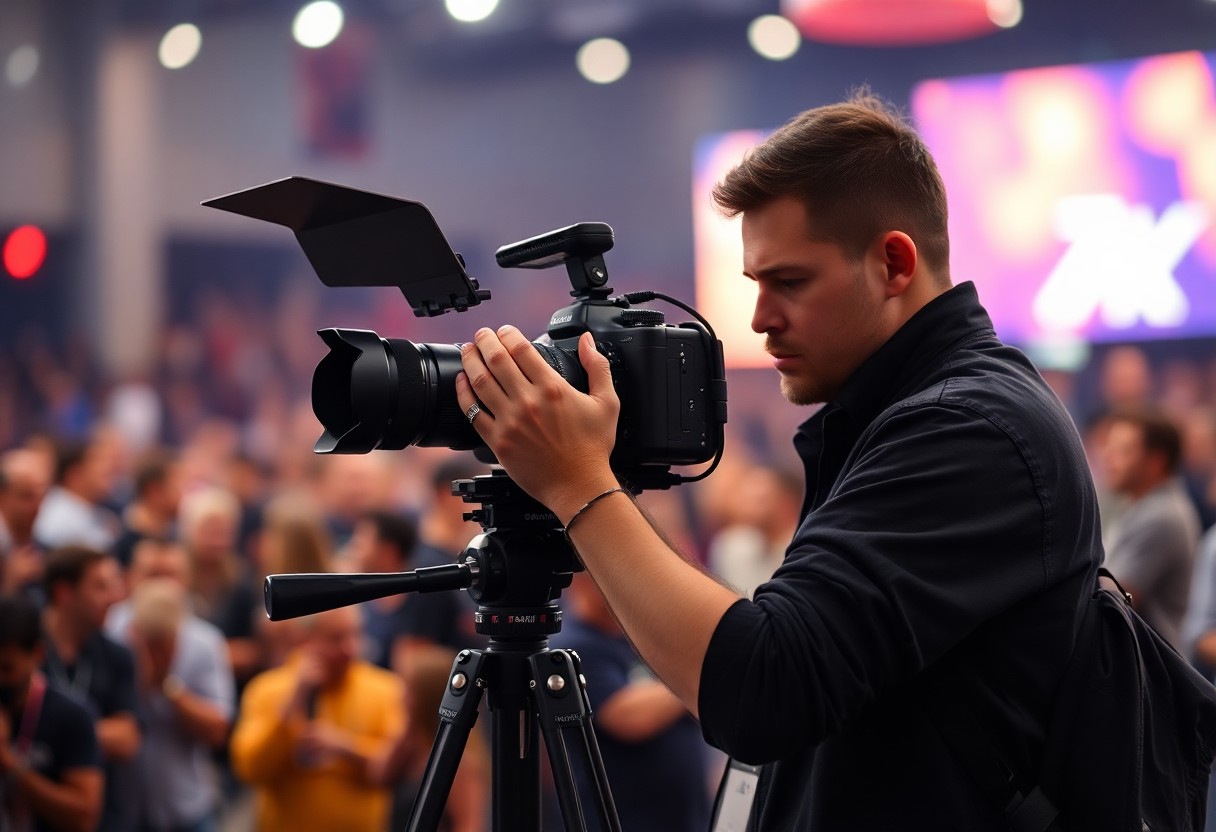
Post-Event Strategies
Many photographers overlook the importance of post-event strategies, which can make a significant difference in client satisfaction and future business opportunities. After the event, it’s important to have a structured plan to manage your photographs and maintain communication with the client for a successful wrap-up. This helps in creating a lasting impression, ensuring positive feedback, and fostering repeat clients.
Editing and Curation
Now that the event is over, it’s time to probe the editing and curation process. Focus on selecting the best images that tell the story of the event and showcase the atmosphere accurately. A well-edited selection not only enhances your portfolio but also impresses your clients, providing them with memorable keepsakes.
Client Communication
Communication is key to maintaining a good relationship with your clients post-event. Follow up with them to provide updates on the editing process and set expectations for when they can receive their images.
With timely and transparent communication, you can build trust and ensure that your clients feel valued. Sending a thank-you message along with a sneak peek or a progress update reinforces your professionalism and commitment to delivering quality work, paving the way for future referrals and projects.
To wrap up
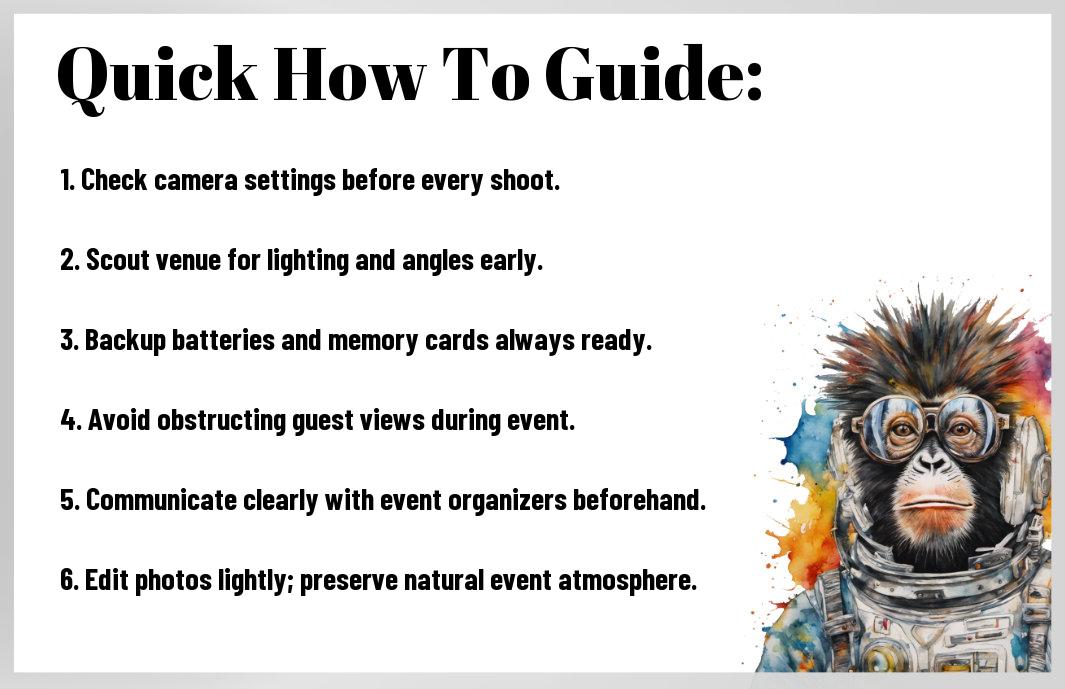
On the whole, avoiding common mistakes in event photography requires your attention to detail and proactive planning. Ensure you prepare thoroughly by checking your equipment, scouting the venue, and understanding the event schedule. Engage with the attendees and capture candid moments that tell a story. By being aware of the potential pitfalls and taking these preventative measures, you can enhance your skills and deliver outstanding results that exceed expectations.


Leave a Reply
You must be logged in to post a comment.