
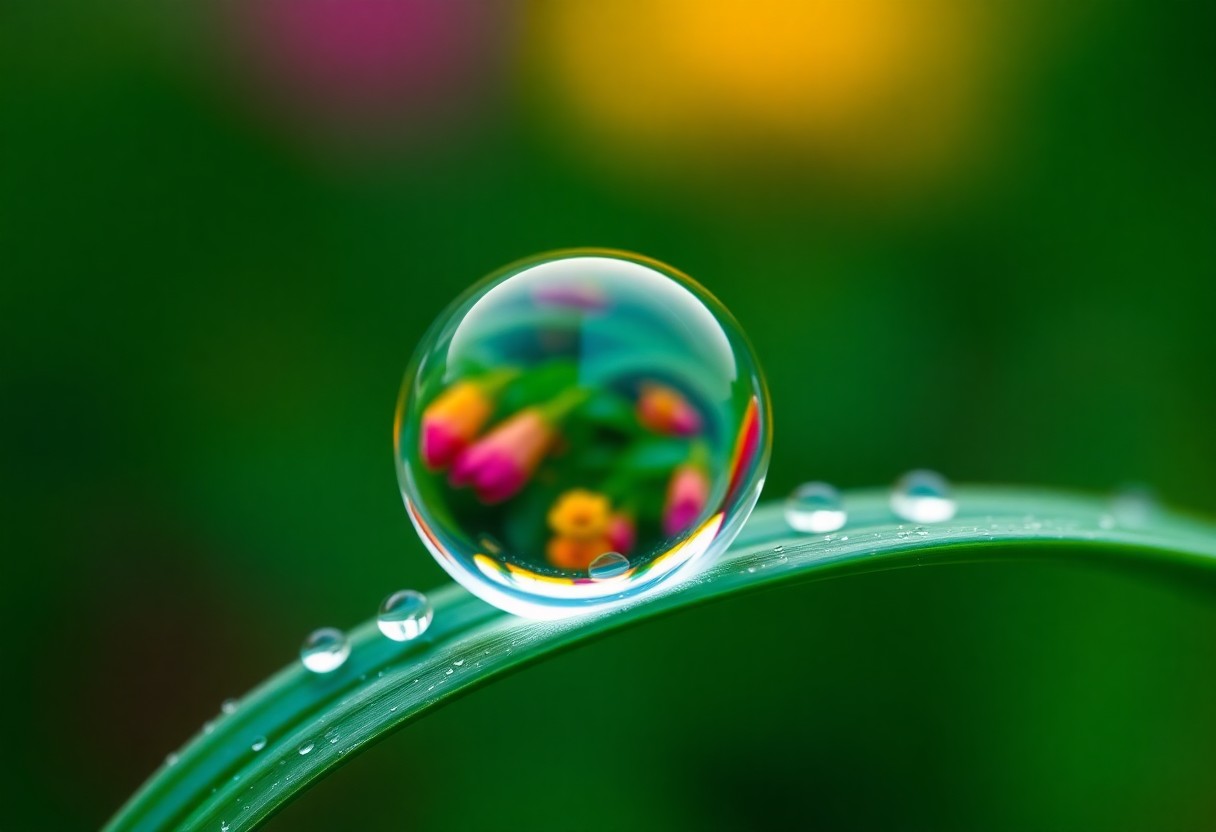
Macro photography is a captivating realm where the tiniest details of life come into focus, revealing a hidden universe often overlooked. As a newcomer, you might be eager to explore the artistry and technical nuances that define this unique genre. This post will guide you through the vital techniques, equipment, and tips to enhance your macro photography skills. By the end, you will have a solid understanding of how to capture the minute wonders that await your lens, transforming everyday subjects into extraordinary photographs.
Discovering the Gear That Transforms Your Vision
Your vision deserves the right tools to bring it to life, especially in the intricate world of macro photography. Selecting the perfect gear can be the key to capturing stunning detail and vibrant colors that evoke emotions. From specialized lenses to sturdy tripods, understanding how each piece contributes to your creative process will empower you to transform your surroundings into a breathtaking macro universe. Let’s research deeper into the tools that will enhance your perspective and elevate your skills as a macro photographer.
Essential Tools for Captivating Macro Shots
The foundation of captivating macro photography lies in important tools that help you maximize detail and minimize blurriness. A dedicated macro lens allows you to closely focus on your subject, revealing stunning detail previously unnoticed. Additionally, a sturdy tripod is vital for stability, particularly in low light conditions, while a ring light or LED panel can illuminate your subject without harsh shadows. These tools combined create the ideal environment for mesmerizing macro shots that capture the essence of your subject.
Budget-Friendly Alternatives for Newcomers
You don’t need to spend a fortune to examine macro photography; there are plenty of budget-friendly alternatives that deliver excellent results. Extension tubes or close-up filters can be used with your existing lenses, enabling closer focusing without the high cost of a dedicated macro lens. Moreover, using your smartphone with external macro attachments can yield surprising clarity and detail, allowing you to explore the world up close without breaking the bank.
Exploring these budget-friendly alternatives enhances accessibility for newcomers eager to venture into macro photography. For instance, extension tubes can often be found for under $50, allowing you to transform your regular lenses into macro-capable equipment. Close-up filters are even cheaper, while smartphone macro attachments can be sourced for less than $20. With these tools, you can practice your skills and capture beautiful images without the hefty investment of high-end gear, encouraging experimentation and growth in your macro journey.
The Art of Composition: Crafting Stunning Close-Ups
Mastering composition is vital when creating impactful close-ups in macro photography. Each frame should tell a story or reveal a hidden world, inviting viewers to explore every intricate detail. Utilize elements like lines, shapes, and textures within your scene, and don’t hesitate to move around and experiment with angles. The interplay of light and shadow can enhance depth, making your subjects leap off the frame. Aim for balance and harmony to create striking images that captivate your audience.
The Rule of Thirds and Beyond
Applying the Rule of Thirds can significantly elevate your macro photography. Visualize your frame divided into nine equal parts by two horizontal and two vertical lines, positioning your subject at the intersecting points. This technique creates natural focal points, guiding the viewer’s eyes throughout the image. However, don’t hesitate to experiment with other compositional techniques, like symmetry and leading lines, to create unique perspectives that draw attention to those intricate details.
Playing with Depth of Field to Enhance Focus
Depth of field (DoF) can transform a macro image by controlling which elements appear sharp and which remain blurred. A shallow DoF isolates your subject, drawing attention directly to its details while creating a dreamy, ethereal background. Conversely, a deeper DoF can capture more intricate patterns or textures within a scene, showcasing the richness of the environment. Balance is key; both extremes serve specific purposes, allowing you to express your creative vision in varied ways.
Adjusting your aperture is a fundamental technique for manipulating depth of field. For stunning close-ups, a wider aperture (like f/2.8 or f/4) creates that beautifully blurred background, helping your subject stand out dramatically. Conversely, if you want to depict context, a smaller aperture (like f/8 or f/11) ensures more of the scene is in focus. Experimenting with these settings can unveil the extraordinary details in everyday subjects, compelling viewers to look closer and appreciate the otherwise overlooked beauty in the miniature worlds around them.
Lighting Secrets: Unveiling the Magic of Natural and Artificial Light
Mastering the art of lighting can transform your macro photography, elevating ordinary subjects into stunning works of art. By understanding both natural and artificial light sources, you can create images that captivate and intrigue. Key techniques involve timing your shots to favor the golden hours of dawn or dusk, when light is soft and colors pop, or strategically using artificial lights to enhance or manipulate shadows for more depth. Embracing these lighting secrets will provide you with the tools to breathe life into your macro images.
Harnessing Natural Light for Vibrant Colors
Natural light brings a unique vibrancy to your macro photography that often can’t be replicated. Positioning your subject in diffuse sunlight, such as beneath a tree canopy or near large windows, minimizes harsh shadows and highlights. Aim for early morning or late afternoon, when the sun casts a warm golden hue, enhancing colors and revitalizing the tiny details of your subject. Experimenting with angles can yield different effects, making your images more dynamic and visually appealing.
Utilizing Flash and Reflectors for Dynamic Effects
Employing flash and reflectors opens a new dimension to your macro photography. A flash can freeze motion and bring out the intricate features of your subject while combating tricky shadows. You might choose a ring flash for even illumination without harsh contrasts, or an external flash bounced off a surface for soft, directional lighting. Using reflectors can enhance these effects, redirecting light to caress your subject gently, thereby revealing stunning textures and colors that might be lost in shadow.
When using flash, remember to adjust the power to prevent overexposure, which can wash out details. Experimenting with different angles and distances allows you to discover unique light conditions tailored to your subjects. A simple DIY reflector can be created using white foam board or metallic paper, making this technique accessible for everyone. By creatively combining flash and reflectors, you can produce captivating images that highlight your subject’s beauty while maintaining depth and realism in your compositions.
Exploring the Tiny Worlds: Techniques to Capture Intricate Details
Diving into macro photography opens up a universe of stunning intricacies waiting to be captured. To truly showcase the beauty of tiny subjects, employing specific techniques is vital. Get intimate with your subjects by getting low to the ground, using natural light to highlight textures and colors, and experimenting with different angles. The right combination of patience, precision, and a few vital gear items allows you to narrate a compelling story through your macro shots, unveiling the stunning details hidden from the naked eye.
The Importance of Stability: Tripods and Support
Utilizing a tripod is a game changer in macro photography, providing the stability necessary to achieve sharp images. The slightest movement can lead to blurred details, which is why a sturdy tripod or other forms of support are indispensable. Options like beanbags or handheld stabilizers eliminate camera shake, allowing you to focus on your composition and lighting without compromising your image quality. When shooting at extreme close-up distances, stability becomes the linchpin of a successful photograph.
Focusing Techniques: Manual vs Autofocus Strategies
Employing the right focusing technique can make or break a macro shot. Autofocus tends to struggle with precision in extreme close-ups, especially in low light or complex scenes. In contrast, manual focus provides you with absolute control, allowing you to pinpoint the most intricate details. Consider using focus peaking or magnified views in your camera settings, which enhance your ability to achieve sharp focus on your subject. This meticulous approach can reveal stunning elements that might otherwise be lost in a hasty autofocus attempt.
Heightened control over focus becomes especially beneficial when your composition features detailed subjects with intricate patterns or tiny features, like the delicate wings of a butterfly or the minuscule hairs on a flower. The balance of distance, perspective, and light can shift within a fraction of a millimeter, so using manual focus allows you to make precise adjustments and ensure that the most interesting elements of your scene stand out. Additionally, consider using focus stacking techniques, which involve taking multiple shots at different focal points and merging them for a fully sharp image. This can showcase an unparalleled depth of field that your viewers will find mesmerizing.
From Shot to Showcase: Editing for a Polished Final Look
Post-processing is where your macro images truly come alive, allowing you to enhance details and correct any imperfections. This phase is imperative for achieving a polished final look, ensuring that viewers appreciate the intricate beauty captured through your lens. By mastering editing techniques, you can elevate your work from simply good to visually stunning, drawing attention to the minute details that make macro photography so captivating.
Essential Software for Post-Processing
The right software can significantly simplify your editing process. Popular choices include Adobe Lightroom and Photoshop, both offering comprehensive tools for adjusting exposure, color balance, and sharpening details. Capture One and Affinity Photo are also excellent alternatives, providing unique features tailored for photographers. Investing time in learning these programs will help you unleash the full potential of your macro images.
Tips for Enhancing Details without Overdoing It
You want to highlight the intricate details without overwhelming your image, which can be achieved through careful adjustments. Utilize tools like highlight recovery to maintain texture while slightly increasing contrast for top-tier visual impact. Avoid excessive sharpening, as this can introduce unnatural artifacts that distract from your subject. Subtlety is key in preserving the natural beauty of your macro shots.
- Optimize contrast to accentuate details.
- Utilize localized sharpening instead of global adjustments.
- Maintain a natural look by avoiding over-saturation.
- Focus on enhancing clarity without compromising integrity.
Knowing how to balance these elements is imperative for creating visually stunning macro photographs. A slight touch can make a difference, so evaluating your adjustments is vital. Continue learning and experimenting with different techniques; each small enhancement contributes to an overall harmonious image while ensuring you maintain the authenticity of your subject.
- Invest time in practicing your editing skills regularly.
- Study the work of professional macro photographers for inspiration.
- Keep your workflow organized to streamline the editing process.
Knowing how each adjustment affects your image will yield more satisfying results and help hone your unique editing style over time. An analytical eye combined with creativity can elevate your post-processing skills, making your macro photography truly stand out.
Conclusion
Taking this into account, exploring into the world of macro photography presents an exciting opportunity for you to explore intricate details often overlooked. Your journey will benefit from understanding crucial techniques, including lighting, composition, and equipment selection. By practicing and experimenting, you can significantly enhance your photographic skills, revealing the hidden beauty in everyday subjects. Embrace the learning process, and let your curiosity lead you to stunning macro images that showcase the unique allure of tiny worlds.




Leave a Reply
You must be logged in to post a comment.