
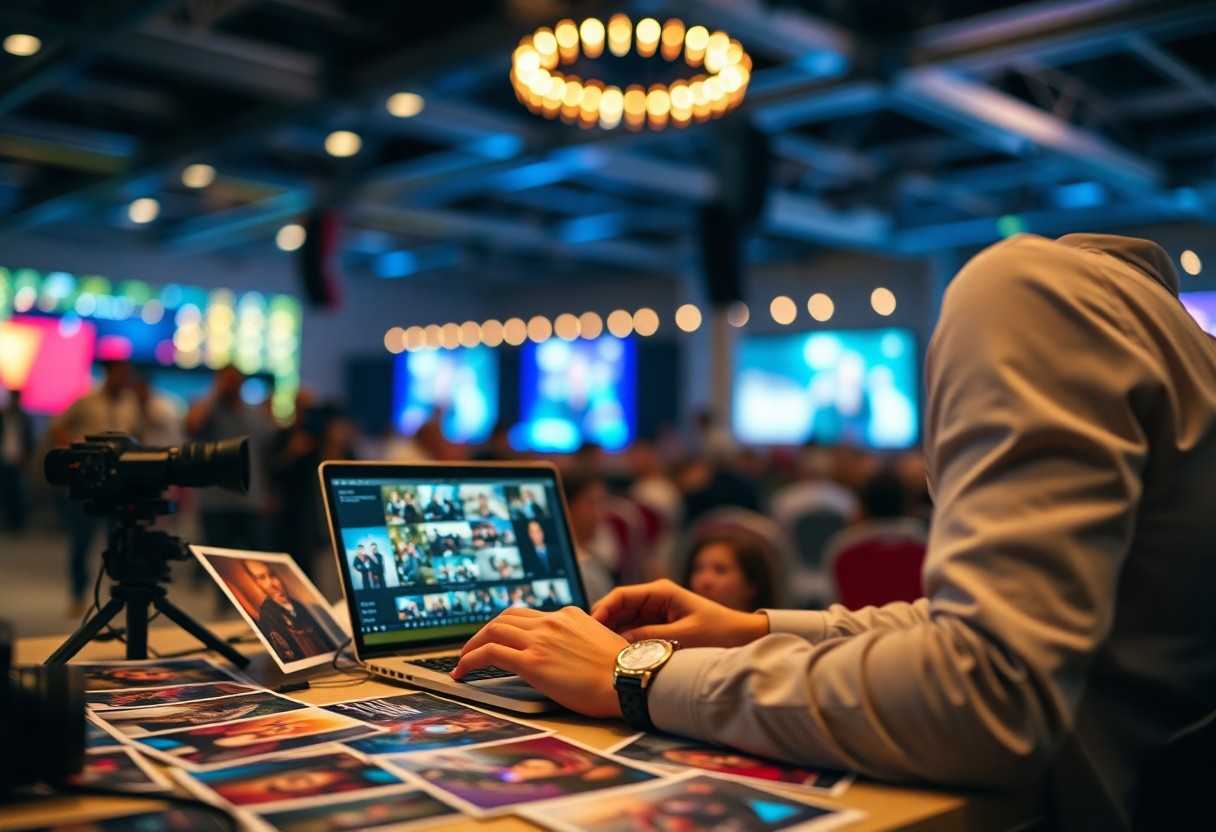
Event photography doesn’t end when the last guests leave; it extends into the editing and sharing process that follows. You have a valuable collection of images that can tell the story of the occasion and engage your audience well beyond the event itself. This guide will provide you with practical tips on how to effectively edit, organize, and promote your post-event photos, ensuring that your images continue to captivate and resonate with your audience long after the final curtain falls.
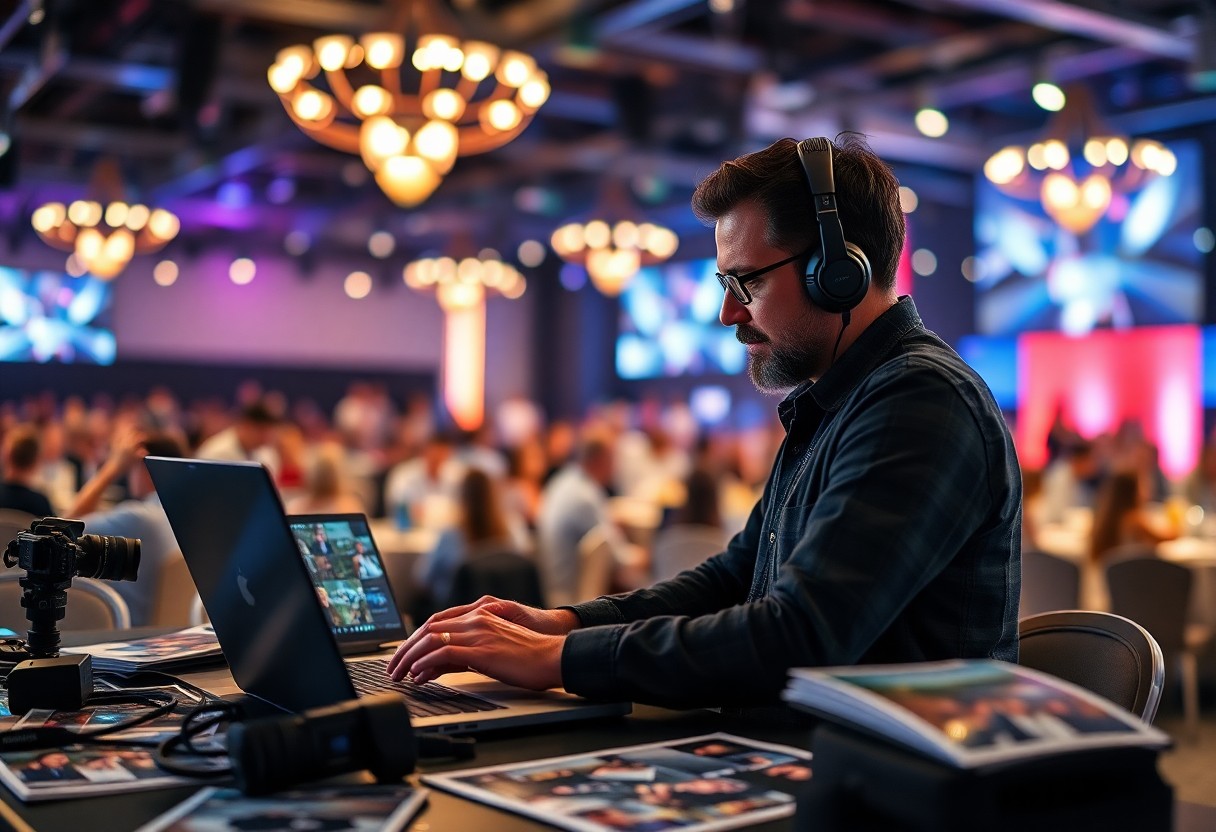
Preparing for Post-Event Photography
To make the most of your post-event photography, it’s crucial to plan ahead. This includes defining your objectives, deciding on the platforms where you’ll share the images, and establishing a timeline for editing and posting. By having a structured approach, you can ensure that your visuals effectively convey your event’s story and engage your audience.
How to Organize Your Images
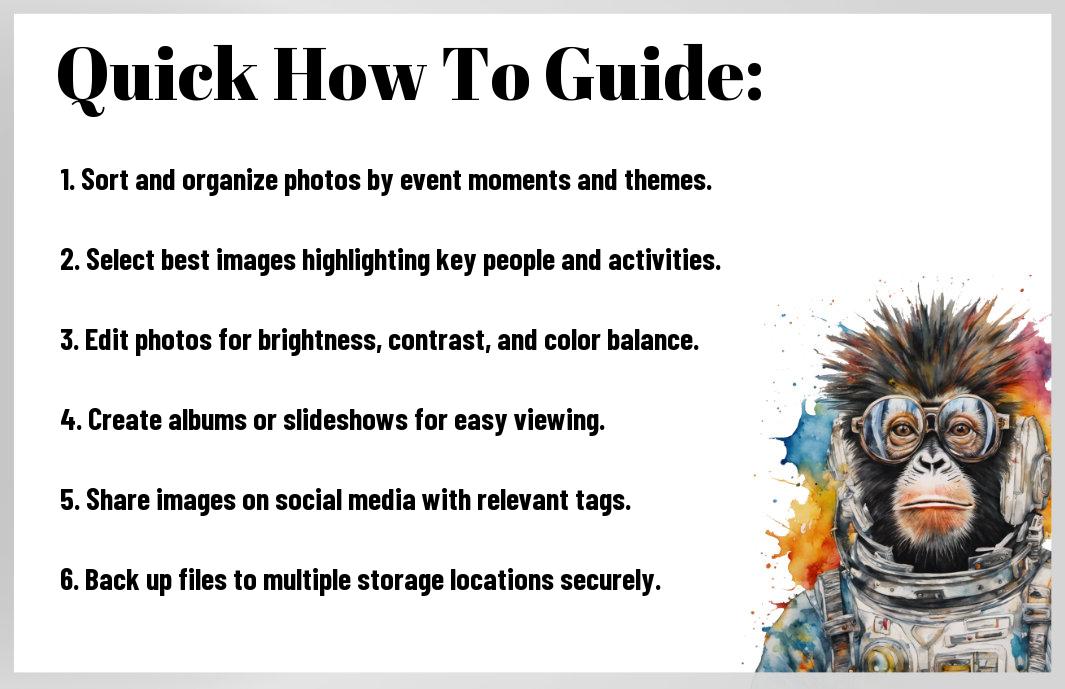
Assuming you’ve captured a variety of images during your event, the first step is to organize your files. Create folders by categories such as speakers, attendees, activities, and behind-the-scenes shots. By doing this, you enable quick access to specific images when you’re ready to edit or share them.
Tips for Selecting the Best Shots
Best practices for selecting standout images involve knowing what to look for in your photography. Focus on elements that evoke emotion, highlight key moments, and showcase interaction. As you sift through your photos, consider these pointers:
- Prioritize images with clear focus and composition.
- Look for candid moments that tell a story.
- Select images that capture the atmosphere of the event.
Assume that the images you choose will serve as a visual summary of your event, so take the time to be selective and intentional.
Plus, to refine your selection, consider these additional aspects as you evaluate your shots:
- Ensure diversity in the types of images chosen.
- Incorporate testimonials or reactions from attendees if possible.
- Choose a variety of landscapes to provide context.
Assume that the best selections will not only enhance your storytelling but will also help maintain audience engagement long after the event has concluded.
Editing and Enhancing Your Images
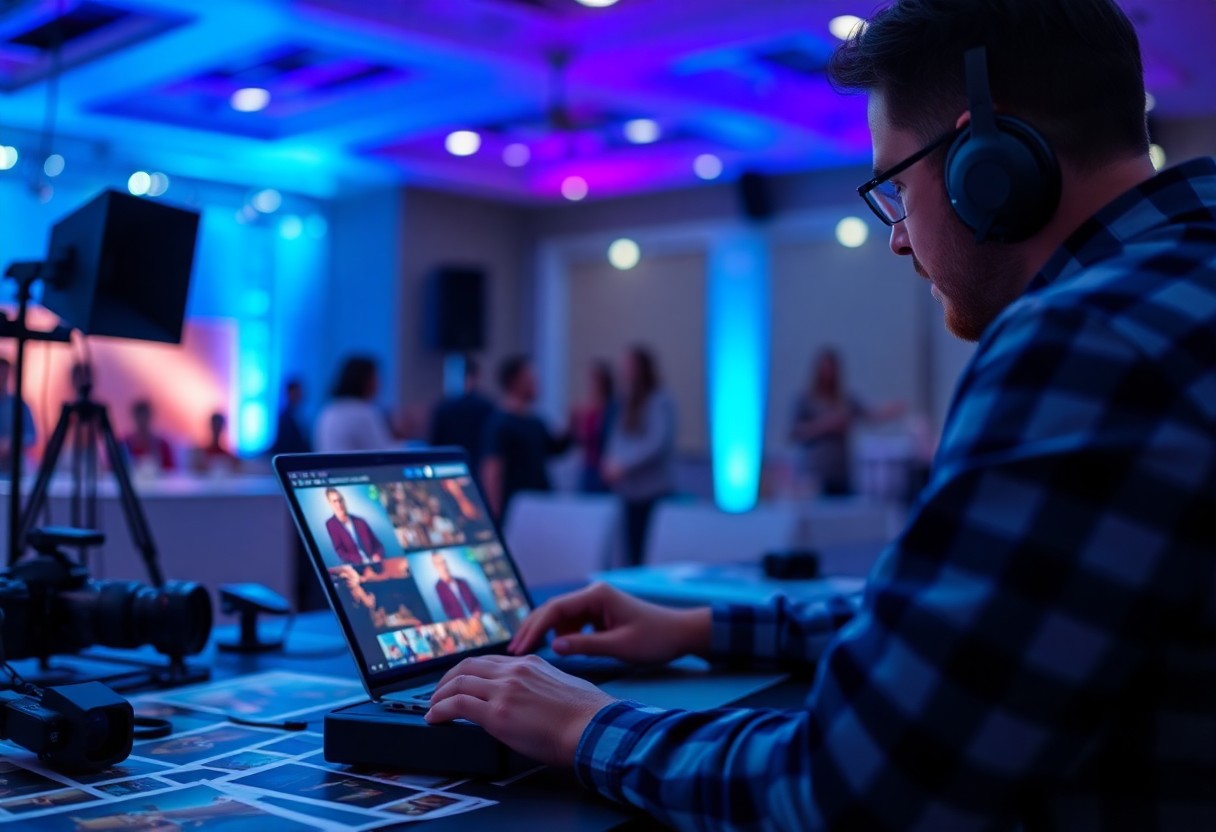
Now that your post-event photography is complete, it’s time to focus on editing and enhancing your images. The editing process can significantly improve the overall quality of your photos, bringing out colors, correcting exposure, and improving composition. Utilizing software allows you to fine-tune your images, ensuring they stand out and effectively convey the essence of the event.
How to Use Editing Software
The best way to enhance your images is through user-friendly editing software like Adobe Lightroom or Photoshop. These programs offer a range of tools to adjust brightness, contrast, and saturation, as well as advanced features for cropping and retouching. Familiarize yourself with the interface and utilize online tutorials to make the most out of the available features.
Factors to Consider in Image Enhancement
Enhancing your images requires consideration of several key factors that can affect the final outcome of your photographs. Take into account elements such as lighting conditions, color balance, and image resolution to ensure your edits elevate the visual appeal. Additionally, consider the mood and message you want to portray through your images. Any enhancements should align with your creative vision and the event’s atmosphere.
- Assess the natural lighting and adjust exposure.
- Experiment with color correction to achieve authenticity.
- Balance the composition by cropping strategically.
A well-rounded enhancement process can deliver stunning results, ensuring your images encapsulate the vibrant energy of the event. Don’t overlook the importance of detail when enhancing your work, as it can greatly influence viewers’ perceptions. Consider the following:
- Maintain consistent editing styles across images.
- Retain a natural look when applying filters.
- Keep an eye on the overall story the images tell.
Sharing Your Images Effectively
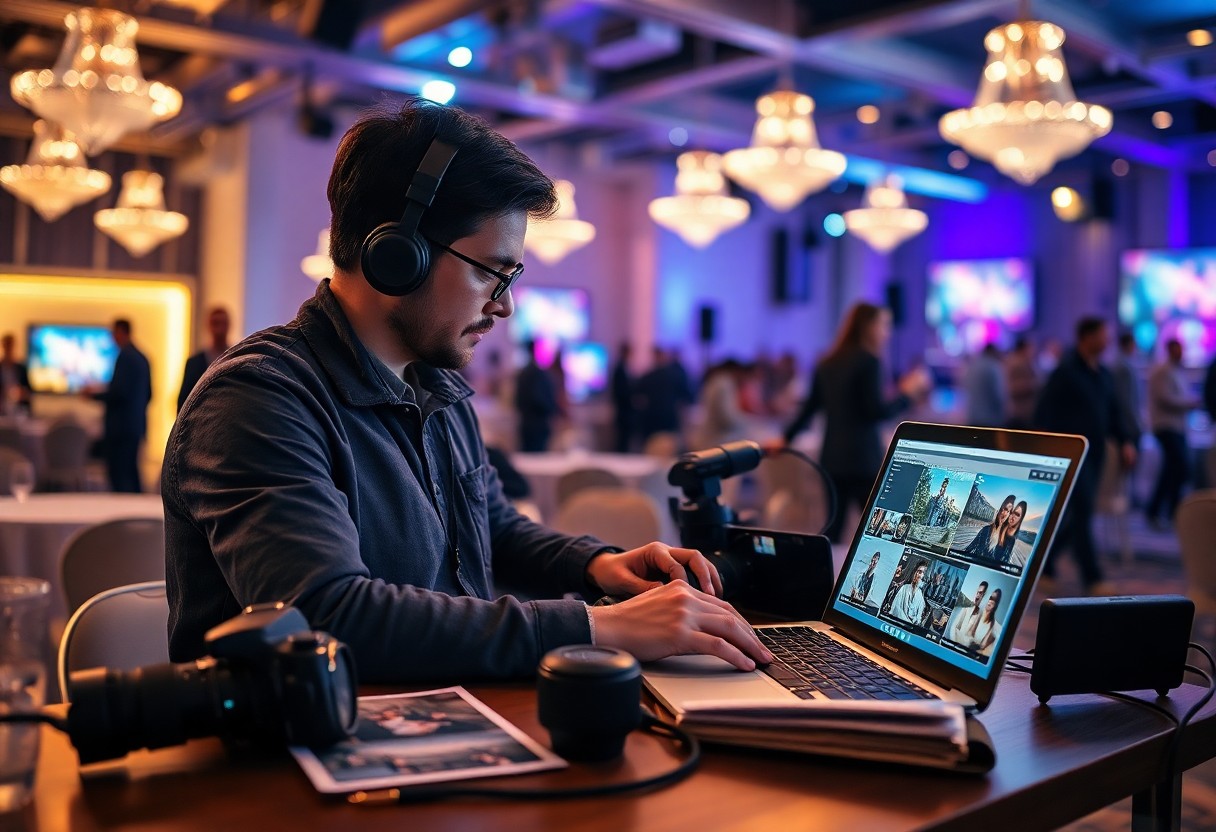
One of the best ways to maximize the impact of your post-event photography is through strategic sharing across various platforms. This includes selecting the right channels that resonate with your audience and utilizing engaging captions that tell the story behind each image.
Tips for Social Media Engagement
Little enhancements can significantly boost your social media engagement. Incorporate these tips to make your posts more impactful:
- Use relevant hashtags to reach a broader audience.
- Tag event participants and vendors to encourage shares.
- Post at optimal times to increase visibility.
- Engage with comments and messages promptly.
Assume that by applying these strategies, you will cultivate a more engaged following.
How to Create an Online Portfolio
Effectively showcasing your photography through an online portfolio can set you apart as a professional. Begin by selecting your best images that highlight your unique style and range of skills.
A well-organized portfolio should include high-resolution images, concise descriptions, and case studies that illustrate your photography journey. Platforms like Adobe Portfolio, Wix, or Squarespace can simplify this process. Ensure your portfolio is easy to navigate, mobile-friendly, and regularly updated to reflect your most recent work. This will not only impress potential clients but also serve as a dynamic showcase of your photographic capabilities.
Leveraging Your Images for Future Events
Your images from past events serve as valuable marketing tools. By showcasing vibrant photographs in your promotional materials, you can effectively engage prospective attendees, illustrate the event’s atmosphere, and demonstrate the value of participating. Incorporating a strong visual narrative in your marketing strategy can enhance your outreach efforts and boost attendance for future events.
How to Use Event Photos in Marketing
One effective way to utilize your event photos in marketing is by creating visually compelling social media posts. Share high-quality images on platforms where your audience is active, incorporating engaging captions and relevant hashtags to maximize visibility. Additionally, you can embed photos in newsletters, blogs, and websites to enhance your content and attract more interest.
Factors to Consider for Future Event Planning
Event photography can inform your future planning processes. By analyzing your previous images, you can identify elements that resonated well with your audience. Consider these factors for enhanced future events:
- The themes and aesthetics that appealed to attendees
- The engagement levels during various sessions or activities
- Locations that received the most positive feedback in photographs
- Audience demographics captured in the images
Thou can leverage these insights to refine your strategy and create an even more successful event experience.
Future decisions about your events can benefit significantly from the visual content captured. Evaluate your photography to gauge attendee dynamics and ensure every aspect aligns with your audience’s preferences. Focus on several key aspects:
- Event layout and space utilization
- Audience interaction and engagement opportunities
- Timing of activities or presentations
- Feedback from captured moments
Thou can enhance participation and satisfaction by using this information to tailor your approaches.
Conclusion
Upon reflecting on your post-event photography, you should recognize the value of effectively leveraging your images. Utilize editing tools to enhance your visuals, categorize your photos for easy access, and share them across social media platforms to boost engagement. Consider creating a photo book or gallery to commemorate the event and foster connections with your audience. By taking these steps, you will ensure your images not only capture memories but also serve as powerful marketing tools that elevate your brand’s presence moving forward.


Leave a Reply
You must be logged in to post a comment.