
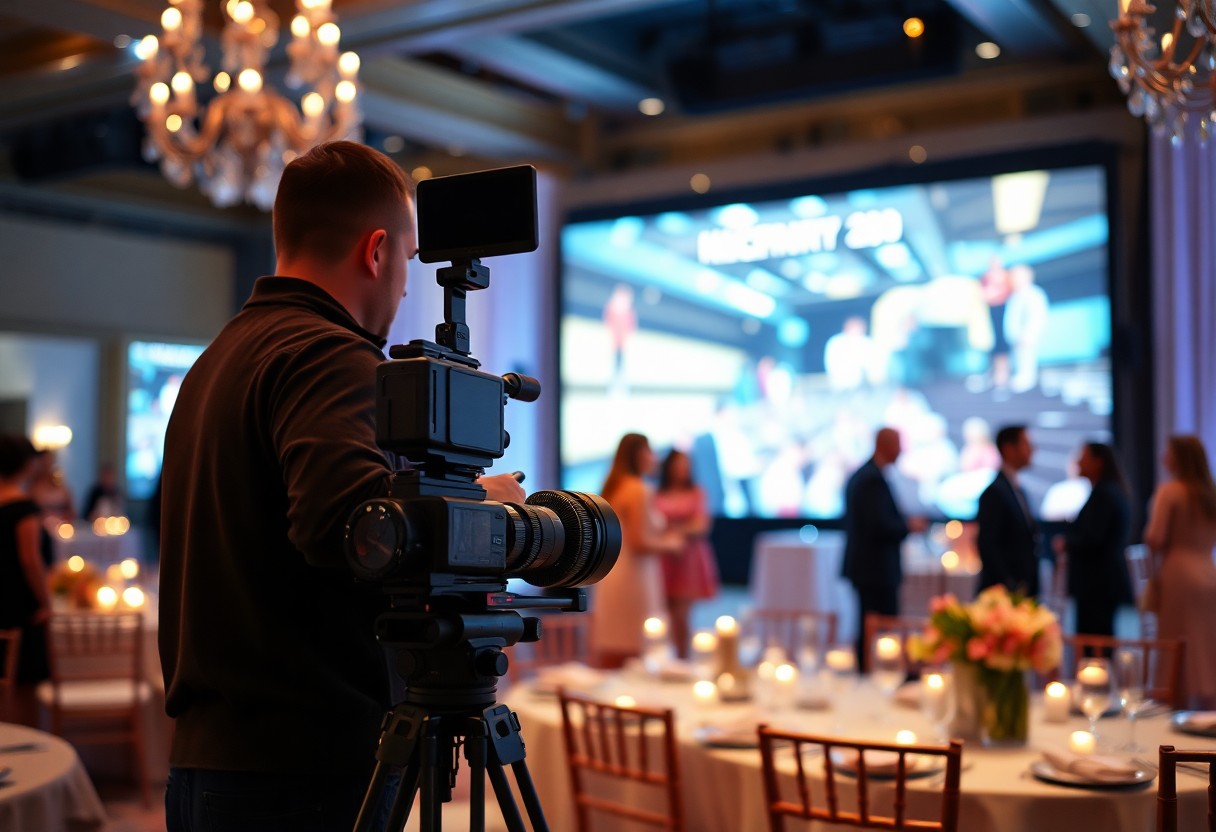
Many videographers strive to capture memorable stories during events, but achieving illustrious visual narratives requires more than just technical skills. You need to understand the art of storytelling, from effective planning and composition to the integration of emotionally engaging elements that resonate with your audience. By honing your skills in lighting, sound design, and editing techniques, you can elevate your videography to create a captivating experience that leaves a lasting impression. In this post, we will explore key strategies to enhance your visual storytelling in event videography.
Key Takeaways:
- Plan your footage: Create a detailed shot list and storyboard to guide your filming and capture vital moments.
- Focus on storytelling: Craft a narrative that reflects the event’s spirit, incorporating interviews, speeches, and candid moments.
- Utilize multiple camera angles: Enhance your visuals by using various perspectives to create a dynamic viewing experience.
- Incorporate high-quality audio: Clear sound is key; use external microphones to capture speeches and ambient sounds effectively.
- Edit with intention: Choose music, pacing, and transitions that complement the narrative and maintain viewer engagement.
- Pay attention to lighting: Use natural and artificial light to enhance the mood and visuals, ensuring subjects are well-lit.
- Seek creative inspiration: Study other videographers’ work and incorporate innovative techniques that align with your style.
Crafting a Compelling Narrative Arc
Constructing an engaging narrative arc elevates your event videography, allowing viewers to connect emotionally. Start with a clear beginning that highlights the event’s purpose, moving through rising action as the day unfolds, and culminating in a satisfying climax and resolution, usually through poignant moments or key speeches. Each segment should flow seamlessly into the next, ensuring coherence that draws the audience in and keeps them invested throughout the entire video experience.
Identifying the Core Message
Pinpointing your event’s core message anchors the narrative, providing a purpose for your footage. This involves engaging with event organizers, understanding their goals, and identifying the emotions they wish to evoke. By focusing on this central theme, you can choose scenes and moments that resonate, ensuring your video conveys a clear and compelling story that leaves a lasting impression.
Weaving Personal Stories into the Fabric of Events
Incorporating personal stories into your event narrative enriches the viewer’s experience. These anecdotes—whether from the event hosts, guests, or speakers—humanize the footage and foster relatability. By capturing heartfelt testimonies or unique perspectives, you create connections that resonate on a deeper level, ensuring your narrative is not just seen but felt. Highlighting individual journeys within the context of the event adds layers and emotional depth, transforming a simple recording into a meaningful narrative tapestry.
Consider showcasing a poignant moment shared between two attendees who haven’t met in years, or spotlighting a heartfelt message from a keynote speaker. These personal stories not only enhance engagement but also create memorable touchpoints that engage the audience’s emotions. For instance, include short interviews or testimonies to illustrate how attendees feel about the event both during and after. These little touches can turn a standard recap into a rich narrative that celebrates not just the event itself, but the people who made it special.
Visual Composition Techniques that Captivate
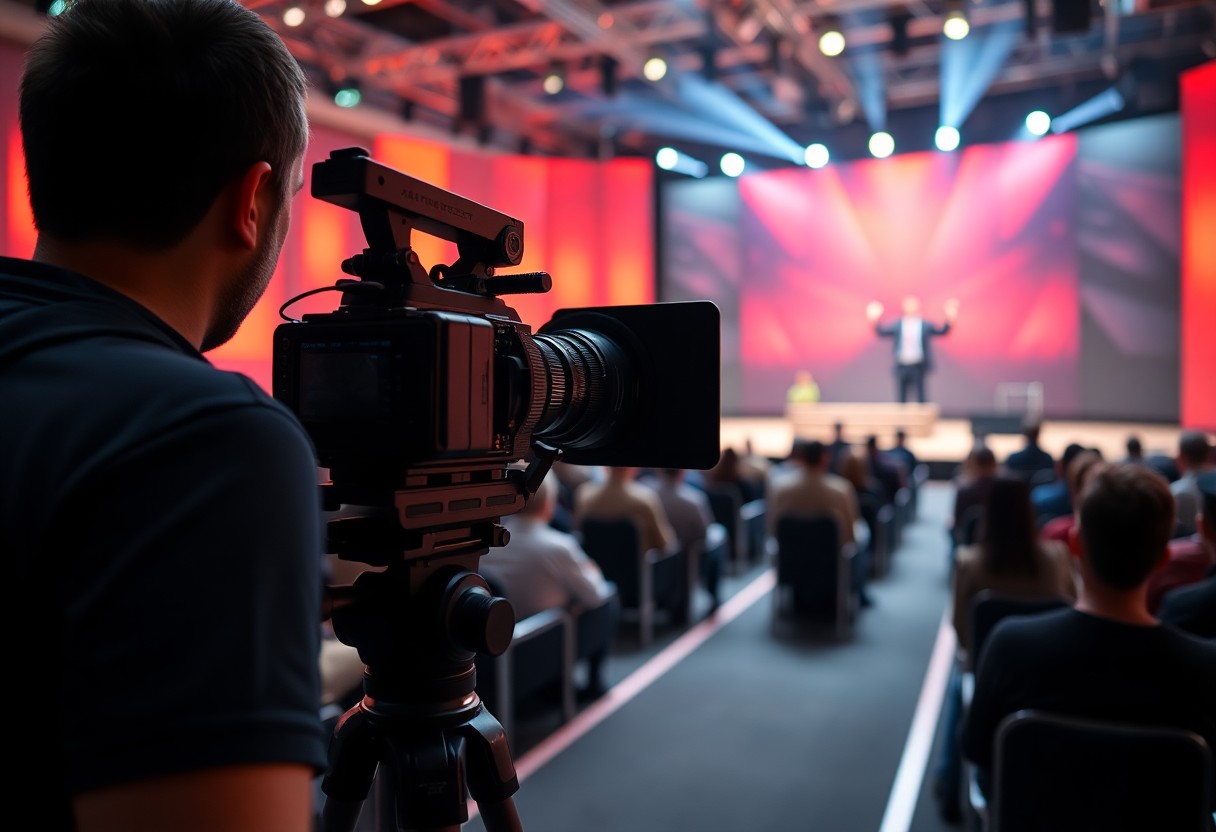
Effective visual composition transforms mundane footage into stunning narratives that capture your audience’s attention. By mastering techniques that emphasize visual impact, you can produce event videography that resonates long after the event has concluded. Every frame becomes an opportunity to guide viewer perception, evoke emotion, and create a narrative that feels cohesive and engaging.
The Rule of Thirds and Beyond
Applying the Rule of Thirds allows you to position key elements along intersecting lines, creating natural points of focus in your shots. However, breaking this rule intentionally can yield even more striking compositions. Experimenting with symmetry, leading lines, and unconventional framing can result in unique visual experiences that draw the viewer’s eye in unexpected ways.
Utilizing Depth and Layers for Immersive Storytelling
Creating a sense of depth in your shots engages viewers and makes them feel a part of the story. Techniques like layering foreground, middle ground, and background elements not only add visual interest but also convey narrative context and emotional weight. Adjusting your camera angles to capture these layers enhances the overall depth, inviting viewers to explore the scene from multiple perspectives.
Diving deeper into the concept of layers, think of each shot as a three-dimensional canvas. Foreground elements, such as people interacting or details like décor, establish a personal connection. In contrast, mid-ground elements like attendees mingling and background sights provide context. This multi-layer approach not only enhances compositional depth but also emphasizes the dynamics of your event, reflecting its atmosphere more vividly. Use shallow depth of field to blur distractions while emphasizing the main action, creating a visually rich storytelling tapestry that captivates your audience’s gaze.
The Power of Sound: Elevating the Viewing Experience
Sound serves as a vital component in event videography, shaping emotional responses and guiding viewer engagement. High-quality audio elements turn moments of silence into reflections, while impactful sound effects can heighten suspense or excitement. You can create a deeper connection with your audience when sound works in harmony with visuals, pulling them into the narrative you want to convey.
Crafting a Thoughtful Sound Design
A well-crafted sound design complements your visual storytelling and enhances emotional impact. Think about layering various audio elements, such as dialogue, narration, and sound effects, to build a rich audio landscape that supports the visuals. Your careful selection of sound can highlight moments, create transitions, and even establish a consistent mood throughout the event.
The Importance of Ambient Sounds and Music Choices
Ambient sounds and thoughtful music choices infuse your video with life. These elements shape the atmosphere, dictate pacing, and influence the viewer’s emotional journey. For instance, using soft piano melodies during intimate moments enhances connection, while upbeat tracks can energize scenes of celebration. Your choices in this regard create a subconscious dialogue that guides how viewers interpret the visuals.
Consider how specific music genres can reinforce the themes of your event. For example, a corporate event might benefit from uplifting corporate tracks, instilling a sense of professionalism and motivation, while a wedding film can showcase romantic melodies to evoke nostalgia and heartwarming feelings. Associating the right ambiance with visual cues amplifies your storytelling, ensuring a memorable experience that resonates deeply with your audience.
Editing for Maximum Impact
Solid editing techniques play a pivotal role in crafting compelling event visuals that engage your audience. You can elevate the narrative by utilizing a combination of sharp cuts, dynamic transitions, and strategic pacing to maintain viewer interest. Each edit should serve a purpose, whether it’s building tension or creating moments of reflection. Emphasizing key highlights without overstaying their welcome ensures that your audience remains captivated from start to finish.
The Art of Pacing and Flow
Pacing determines how your audience experiences moments of excitement, joy, and contemplation. To maintain a natural flow, consider alternating between fast and slow sequences. Tighten the edits during high-energy moments—like performances or celebrations—to create an adrenaline rush, while allowing slower sections to linger, offering space for meaningful reflection. This rhythmic balance keeps viewers engaged, ensuring that each emotion resonates powerfully throughout your narrative.
Creative Transitions that Enhance Emotional Resonance
Transitions do more than simply link clips—they enhance the emotional depth of your story. Using tools like crossfades, wipes, and dissolves can help convey the shifts in mood, making them feel more organic. For instance, fading from a smiling face in celebration to a quiet, reflective moment can amplify the emotional weight, highlighting the contrasts within the event. Experimenting with unconventional transitions can create unique connections that draw viewers deeper into your narrative.
Integrating creative transitions is an opportunity to play with your audience’s perceptions and emotions. Consider accentuating poignant moments by introducing slow-motion effects as you transition between clips, allowing viewers to soak in the significance of what they’ve just witnessed. You could implement thematic elements—like a dissolve that mimics the colors of a sunset—when moving from daylight activities to nighttime festivities. By mastering these techniques, you’ll not only connect your footage seamlessly but also enrich the overall emotional journey of your event narrative.
The Role of Technology in Modern Videography
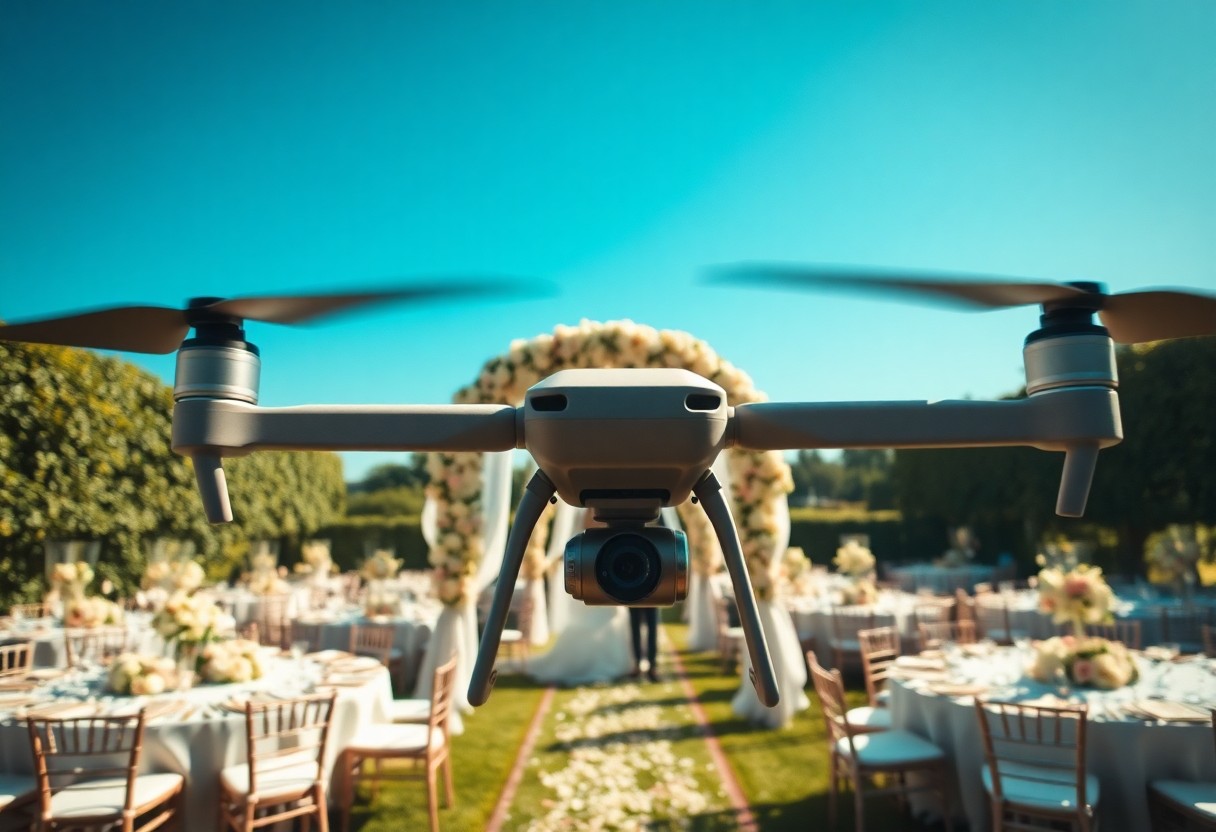
Embracing technology transforms event videography, enabling you to capture and produce visuals that resonate deeply with your audience. From high-resolution cameras to drone footage, today’s tech enhances storytelling potential. Integrated systems for lighting and sound optimization allow for richer environments, elevating the overall output quality and engagement levels. The use of virtual and augmented reality also opens new avenues, immersing viewers in experiences previously thought to be unattainable.
Exploring Advanced Equipment and Techniques
Investing in advanced equipment and techniques is non-negotiable for achieving cinematic quality in your projects. Consider the following tools:
- 4K and 8K cameras for stunning resolution.
- Stabilizers and gimbals for smooth footage.
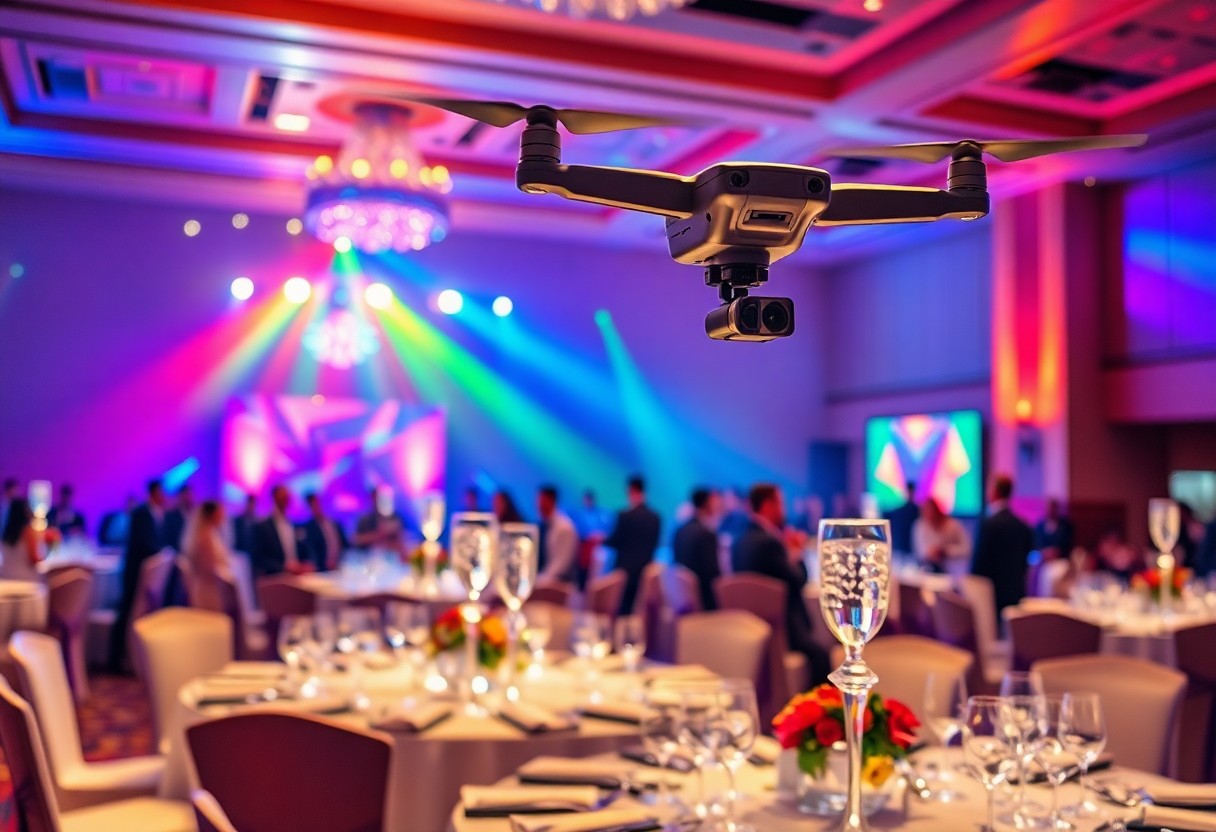
- Drones for breathtaking aerial views.
- Lighting kits to perfectly illuminate your subjects.
- Microphones and audio recorders for crystal clear sound.
| Equipment | Benefits |
|---|---|
| 4K Camera | Delivers exceptional detail and clarity. |
| Stabilizer | Ensures smooth, professional-looking shots. |
| Drone | Captures unique angles and expansive views. |
| Lighting Kit | Enhances visibility and mood. |
| Audio Equipment | Improves audio fidelity and narrative impact. |
The Influence of Post-Production Software on Visual Quality
The quality of your visuals significantly hinges on how adeptly you utilize post-production software. Tools like Adobe Premiere Pro and Final Cut Pro allow you to refine your footage, enhancing colors, stabilizing shaky clips, and seamlessly integrating various media. With advanced capabilities for color grading, you can set the tone of your narrative, ensuring that each frame contributes to the storytelling process.
Post-production software serves as the final brushstroke to your visual masterpiece. Using artificial intelligence for automated editing can sharpen your workflow, ensuring you spend less time on menial tasks and more on creativity. Furthermore, color grading can bring a cinematic feel to your footage, unifying the various scenes into a cohesive and visually striking narrative. Experts see this stage as the difference between basic and high-quality productions, often elevating your project into an award-winning piece.
Summing up
So, to achieve illustrious visual narratives in event videography, focus on strategic planning, attention to detail, and effective storytelling techniques. Invest in quality equipment and understand the importance of lighting and composition. Engage with your subjects to capture genuine emotions, and utilize editing to enhance the narrative flow. By blending technical skills with your unique vision, you can create compelling stories that resonate with your audience, elevating your work to new heights.
FAQ
Q: What techniques can I use to enhance storytelling in my event videos?
A: To enhance storytelling, focus on capturing emotional moments, incorporating interviews with key participants, and using a narrative arc. Plan your shots around the storyline you wish to tell, ensuring you capture both wide shots for context and close-ups for emotional impact. Utilize transitions that complement the pacing of the video, and consider a voice-over to guide viewers through the narrative.
Q: How important is pre-production planning for event videography?
A: Pre-production planning is necessary as it sets the foundation for a successful video. This includes understanding the event’s goals, identifying key moments to capture, scouting locations for optimal angles and lighting, and coordinating with event organizers. Having a clear plan in place will result in a more focused approach during the event, allowing for smoother execution and better footage.
Q: What role does sound play in creating impactful event videos?
A: Sound plays a pivotal role in creating an engaging viewing experience. High-quality audio can enhance emotions and provide context that visuals alone cannot convey. Invest in good microphones to capture speeches, performances, and ambient sounds. Additionally, thoughtful selection of background music can set the tone and mood, tying the entire narrative together seamlessly.
Q: How can I effectively use lighting to enhance my event video?
A: Lighting is key to achieving the desired visual quality in your event video. Utilize natural light whenever possible, and if you’re working indoors, bring portable lights to highlight subjects effectively. Experiment with different lighting setups to create desired moods, and balance the exposure levels to prevent overexposed or underexposed areas. Good lighting enhances clarity, depth, and overall aesthetics of the video.
Q: What editing techniques can elevate the quality of an event video?
A: Editing techniques such as pacing, color grading, and the use of graphics can elevate your event video remarkably. Start with a well-structured timeline that flows smoothly, with transitions that complement the narrative. Use color grading to create a consistent look throughout the video, and consider adding lower-thirds for name identification or text overlays for emphasis. Creative cuts, such as jump cuts or match cuts, can also add a dynamic feel to the editing, making it engaging for viewers.

Leave a Reply
You must be logged in to post a comment.