
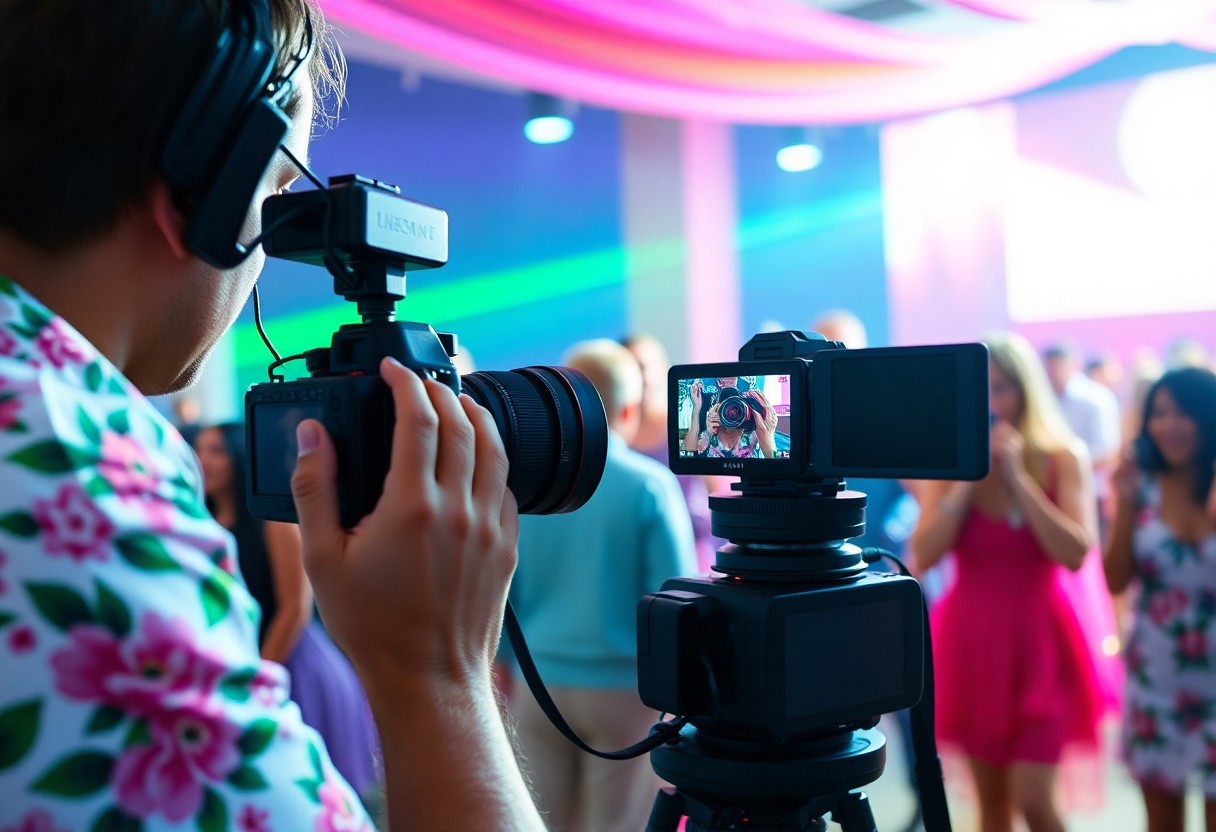
There’s a world of opportunity waiting for you behind the lens when it comes to event photography. Whether you’re capturing a wedding, corporate function, or a family gathering, knowing how to seize every moment can elevate your work from good to breathtaking. In this blog post, you’ll discover 10 imperative tips that will help you hone your skills and make your photographs truly shine. Get ready to enhance your technique and ensure that every smile, laugh, and heartfelt moment is beautifully preserved for years to come.
Mastering the Technical Aspects
To elevate your event photography, mastering the technical aspects is imperative. Familiarize yourself with your camera settings, including aperture, shutter speed, and ISO, as these fundamentals will empower you to adapt to varying conditions. Additionally, practice using your gear to become efficient in capturing spontaneous moments, ensuring you won’t miss a thing when the action unfolds. Fine-tuning your skills in these areas can significantly transform the quality and impact of your photographs.
Choosing the Right Gear for Event Photography
Selecting the appropriate gear is an important step towards capturing stunning event photographs. While a professional camera is beneficial, the choice of lenses also plays a vital role; wide-angle lenses can encapsulate large group shots while prime lenses excel in low light. Don’t overlook accessories like tripods and external flashes, as they can enhance your ability to shoot under various conditions. Tailor your gear to the event type to ensure you’re well-equipped for success.
Understanding Lighting Conditions and Their Impact
Grasping the intricacies of lighting is vital for achieving exceptional results in your photography. Every event presents unique lighting challenges—whether you’re working with bright natural light, dim indoor settings, or a combination of both. Adjusting your camera settings and utilizing available light can greatly influence the mood and tone of your images. Always be mindful of how light interacts with your subjects and surroundings, as this knowledge will enable you to create captivating photographs.
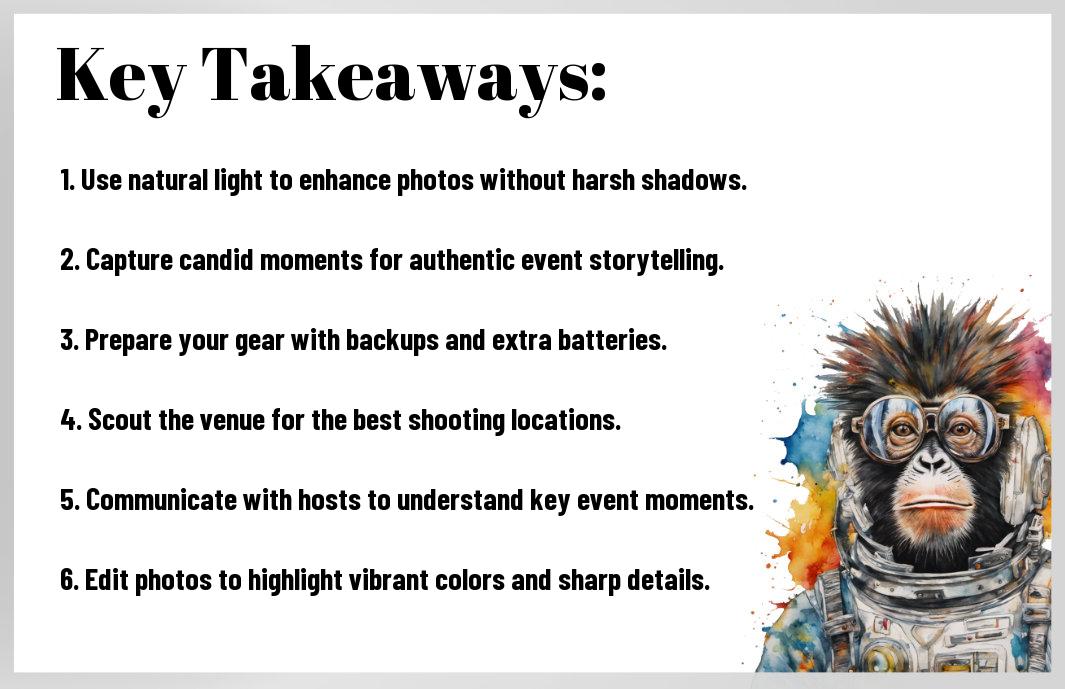
When assessing lighting conditions, look for natural light sources and identify areas where shadows may fall, influencing your composition. An event might transition from bright daylight to artificial indoor lighting, requiring you to adapt quickly. If you’re shooting in lower light situations, consider increasing your ISO or opening your aperture to allow more light in, while also using existing light sources to your advantage. Experiment with different angles and positions to discover how light shapes your images, ultimately enhancing their overall quality and impact.
Building a Connection with Your Subjects
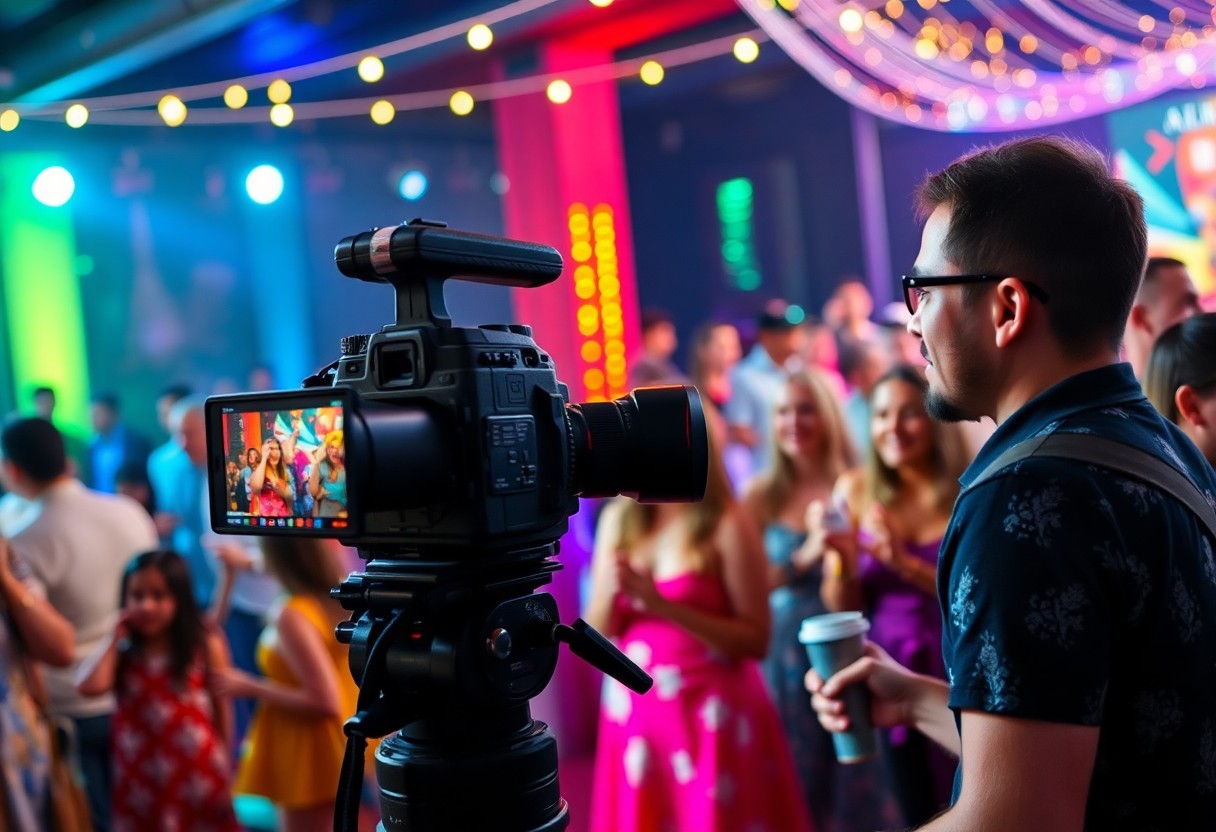
To capture authentic moments in event photography, building a genuine connection with your subjects is important. Take the time to engage with them, showing interest in their stories and emotions. By creating a comfortable atmosphere, you will encourage them to express themselves, resulting in more natural and captivating images. You’ll find that people are more likely to let their guard down and interact freely when they feel a personal connection with you, making your photographs more meaningful and impactful.
Techniques for Candid Shots that Tell a Story
Capturing candid shots requires a keen eye and the ability to anticipate moments as they unfold. To achieve this, keep your camera ready and stay alert to the dynamics around you. Observe interactions, listen for laughter, and look for emotional exchanges that tell a rich story. When you blend into the background and allow your subjects to behave naturally, you will create compelling imagery that resonates with viewers and encapsulates the essence of the event.
The Art of Posing: How to Direct Without Being Obtrusive
Balancing direction with a relaxed atmosphere is key when posing your subjects. Aim to guide them subtly, providing just enough direction to enhance their comfort and confidence without feeling forced. Use positive reinforcement, encouraging natural movements and expressions. A small suggestion, such as adjusting body angles or shifting weight, can help create a more dynamic composition while allowing their personality to shine through. By creating a trusting environment, you ensure the resulting photographs reflect genuine moments, preserving the authenticity of the event.
Crafting Your Composition
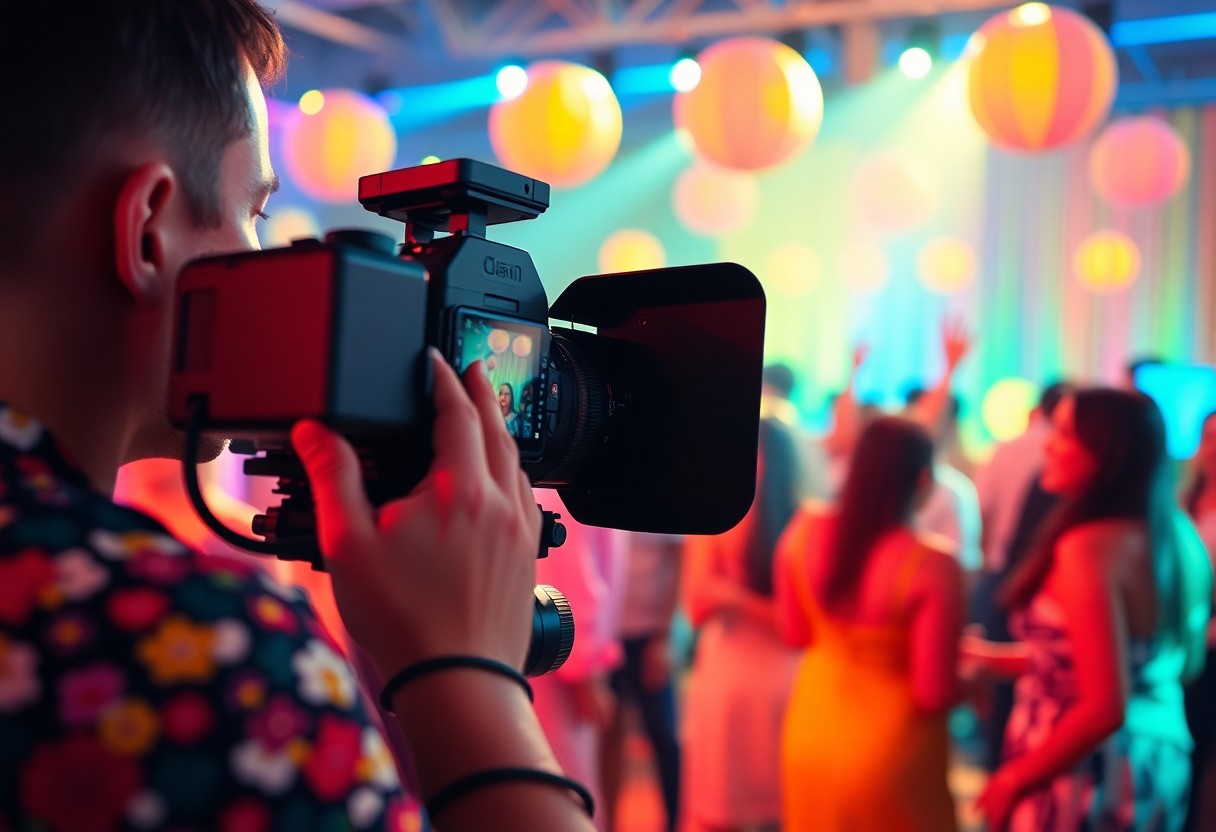
Effective composition is key to creating striking event photography that tells a story. By being mindful of how you frame each shot, you can highlight important moments and emotions while guiding your viewer’s eye. Start by evaluating your surroundings and considering how different elements within the frame interact with one another. A well-composed image not only captures the essence of the event but also engages viewers on a deeper level, allowing them to feel present in the moment.
The Rule of Thirds and Beyond: Compositional Techniques
The Rule of Thirds is an crucial compositional technique where you divide your frame into nine equal parts with two horizontal and two vertical lines. By positioning the key elements along these lines or at their intersections, you create balance and interest. However, don’t hesitate to explore beyond this rule; techniques like leading lines, framing, and symmetry can elevate your photography even further. Experimentation will help you discover what resonates best with the unique atmosphere of your event.
Finding Unique Angles to Enhance Visual Interest
Exploring unique angles is vital for creating captivating images that stand out. Instead of sticking to eye-level shots, think about varying your perspective. Get low to the ground for dramatic angles, or shoot from above to capture the action unfolding below. Changing your position can reveal unexpected details, allowing your photographs to tell a more profound story. Don’t be afraid to move around and try different viewpoints throughout the event, as each angle can provide a fresh perspective on the same moment.
When you find unique angles, you not only enhance visual interest but also invite viewers to see the event from different viewpoints. This approach encourages creativity and helps you capture candid moments that may otherwise go unnoticed. Consider using architectural elements, such as staircases or balconies, to offer a different perspective. By challenging the conventional viewpoint, your images will convey a sense of depth and intimacy, ensuring that every moment is represented in a compelling way.
Capturing the Moments That Matter
In the world of event photography, your ability to capture moments that matter can transform a standard collection of images into a breathtaking storytelling experience. Focus on those spontaneous exchanges, real emotions, and significant milestones that define the essence of the event. By being attentive and present, you will ensure your photos evoke the atmosphere and emotions of each moment, leaving a lasting impression on your audience.
Key Event Moments You Can’t Afford to Miss
There are specific moments during any event that demand your attention. From a bride’s first look to the joyful laughter between friends, capturing these key instances can elevate your photography portfolio. Pay attention to speeches, dance performances, and candid interactions; these moments are often the highlights your clients will cherish the most.
The Importance of Anticipation and Timing
Anticipation and timing are foundational elements in capturing memorable event photographs. You must cultivate a keen awareness of your surroundings and the flow of the event to seize those fleeting moments. By positioning yourself strategically and staying alert, you can predict when significant interactions or emotions are about to unfold, allowing you to be ready with your camera for the perfect shot.
Anticipating moments requires practice and experience. As you familiarize yourself with various events, you’ll learn to recognize patterns and cues that hint at upcoming highlights, be it a toast that signals laughter or the moment guests take the dance floor. The more aware you are, the better prepared you will be; this skill ensures you’re not just capturing what is happening but also the emotions and stories that unfold around it. With diligent observation and prompt reactions, your images will reflect the true spirit of the occasion.

Post-Processing for Maximum Impact
Post-processing is where your event photography can truly shine. This stage allows you to enhance the images, emphasizing emotions and details that make your shots memorable. By refining the colors, contrast, and sharpness, you can elevate your work and ensure that each photo tells a compelling story. With the right techniques, your images will not only capture moments but resonate with viewers long after the event has ended.
Essential Editing Tools and Techniques for Event Photographers
In your editing arsenal, tools like Adobe Lightroom or Photoshop are invaluable for event photography. These platforms offer a range of functions that allow you to adjust lighting, crop effectively, and remove distractions. Techniques such as batch processing can save time when working with multiple images, while selective editing enables you to highlight necessary details, ensuring your final product maintains a high standard.
Maintaining Consistency: Creating a Cohesive Visual Style
A cohesive visual style is vital for making your event photography standout. It helps shape your narrative and gives your collection a professional touch. Establishing a distinct style begins with consistent editing techniques, such as color grading, saturation adjustments, and applying the same presets across images. This not only unifies your work but also enhances your brand identity, allowing viewers to recognize your unique perspective in every shot.
To maintain consistency, start by defining your visual aesthetic. Decide on a specific color palette that aligns with the event’s theme or your personal style. Once you have this foundation, use presets or create your own editing style for consistent results across different events. Pay attention to lighting and mood, ensuring they match throughout the collection. The key is to edit using similar techniques for saturation, contrast, and sharpness, fostering a unified look that enhances storytelling and makes your photography memorable.
Conclusion
Now that you have explored these 10 vital tips for stunning event photography, you are better equipped to capture every moment with confidence. By applying these strategies, you can enhance your skills, making your images not only visually appealing but also emotionally resonant. Embrace your creativity and don’t hesitate to experiment with different techniques, angles, and lighting. Your dedication to mastering these tips will undoubtedly result in breathtaking photographs that tell the story of any event beautifully.


Leave a Reply
You must be logged in to post a comment.