
Mastering the Pre-Event Blueprint
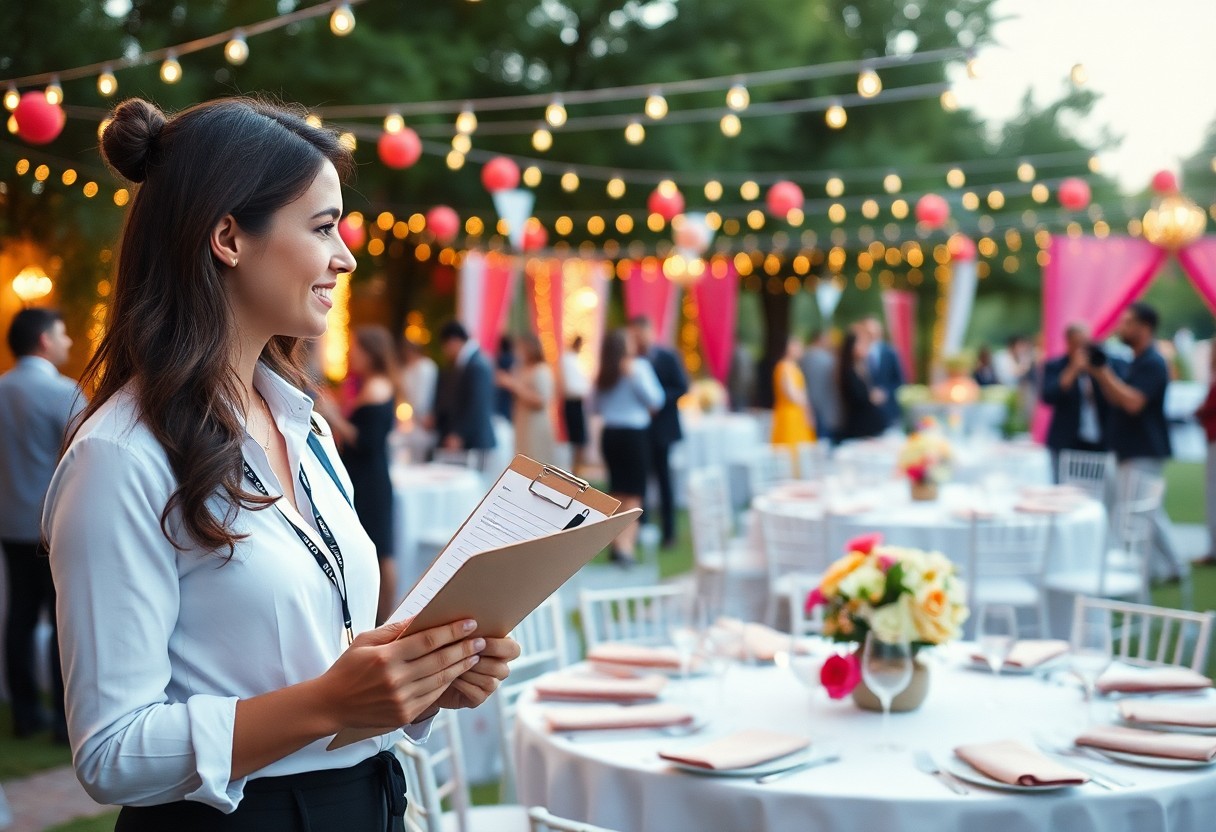
Effective planning sets the stage for a successful event photoshoot. This blueprint serves as your roadmap, guiding you through each stage of the process and ensuring nothing is overlooked. From establishing your event’s overarching vision to creating a detailed shot list, your pre-event preparations will help streamline the workflow on the day of the shoot.
Defining Your Event’s Vision and Goals
Your event’s vision and goals shape the entire atmosphere of the photoshoot. Determine what message you want to convey and how you want attendees to feel. Consider the audience and what kind of imagery will resonate with them. Whether it’s a corporate conference aiming for professionalism or a casual gathering focused on fun, having clarity on your objectives will influence the style and approach to the photography.
Crafting a Comprehensive Shot List
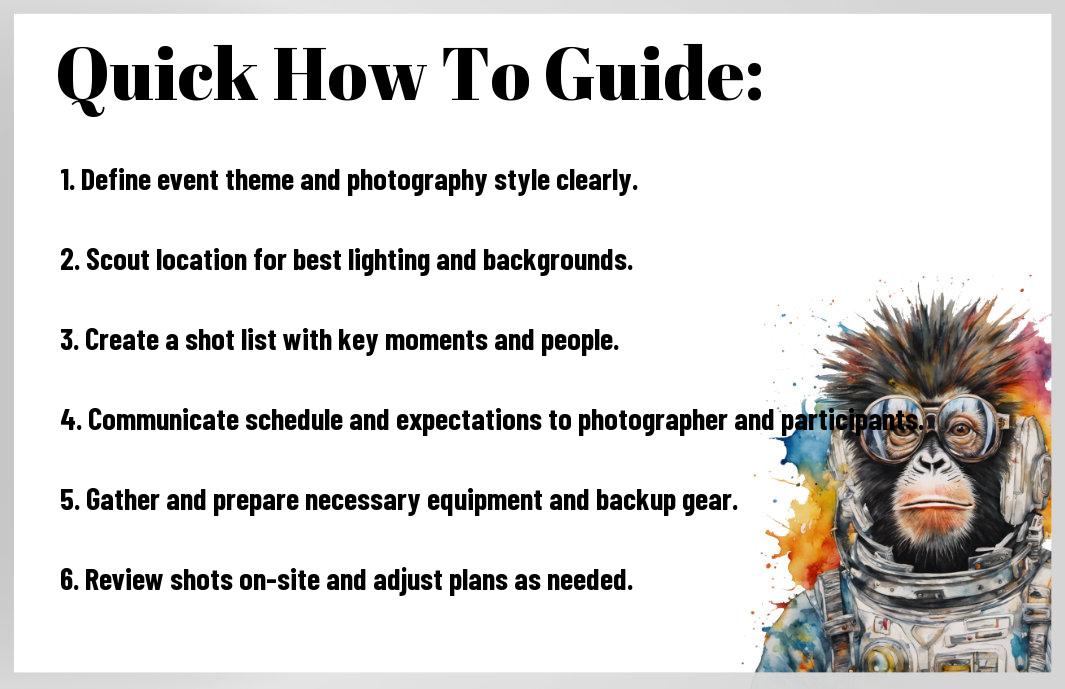
A comprehensive shot list acts as a detailed inventory of all the moments and details you want to capture during the event. Categorizing images by type—such as candid shots, posed portraits, decorations, and activities—ensures all aspects of the event are covered. To create this list, review potential highlights, speak with your team for insight on key moments, and allow room for spontaneity. Aim for a mix of wide-angle shots to capture the overall ambiance and close-ups that highlight individual experiences. By clearly outlining your expectations, you’ll enhance communication with your photographer and keep the focus on capturing meaningful moments throughout the event.
Assembling Your Dream Team
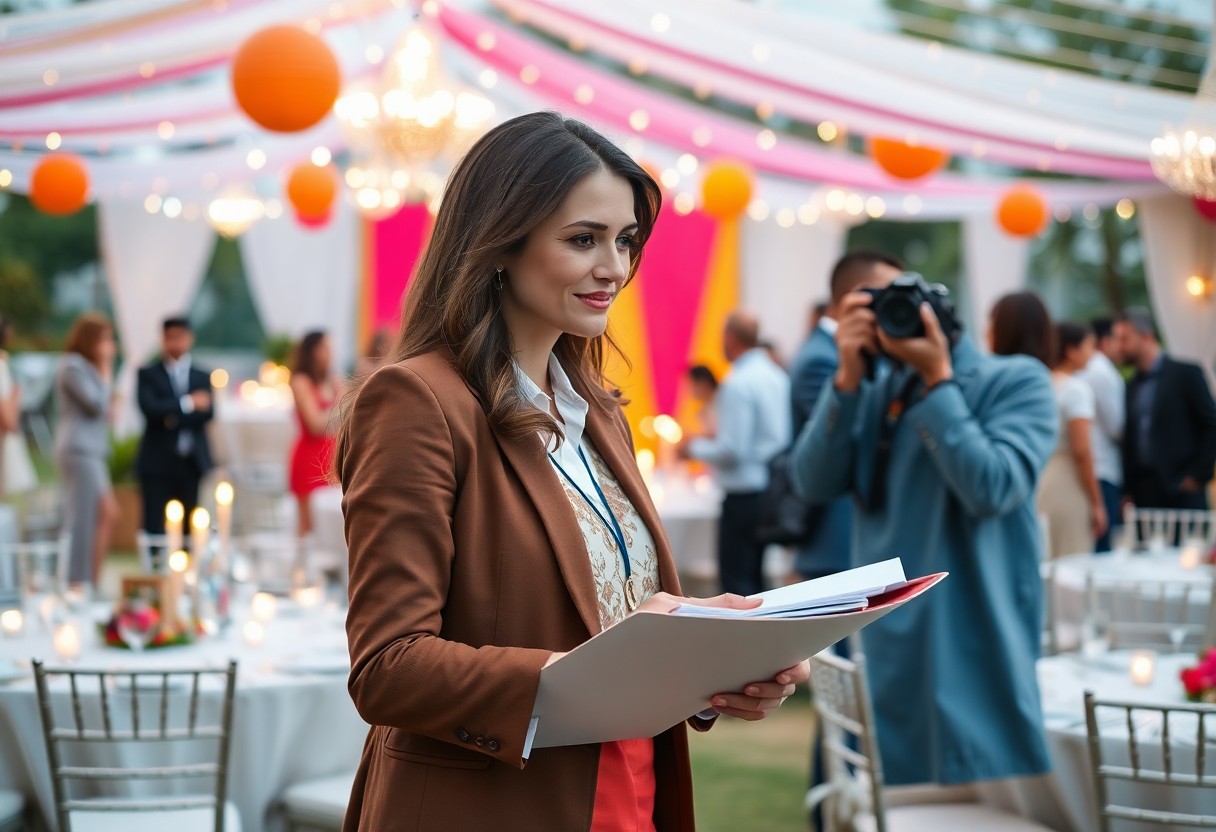
Creating an unforgettable event photoshoot starts with bringing together a skilled team that shares your vision. Each member plays a vital role in ensuring your event captures the desired atmosphere and emotion. Choose carefully, and don’t hesitate to reach out for recommendations or reviews to find individuals who can bring your creative ideas to life. From photographers to stylists, the synergy among your chosen professionals can elevate the final product beyond your expectations.
Selecting the Right Photographer for Your Style
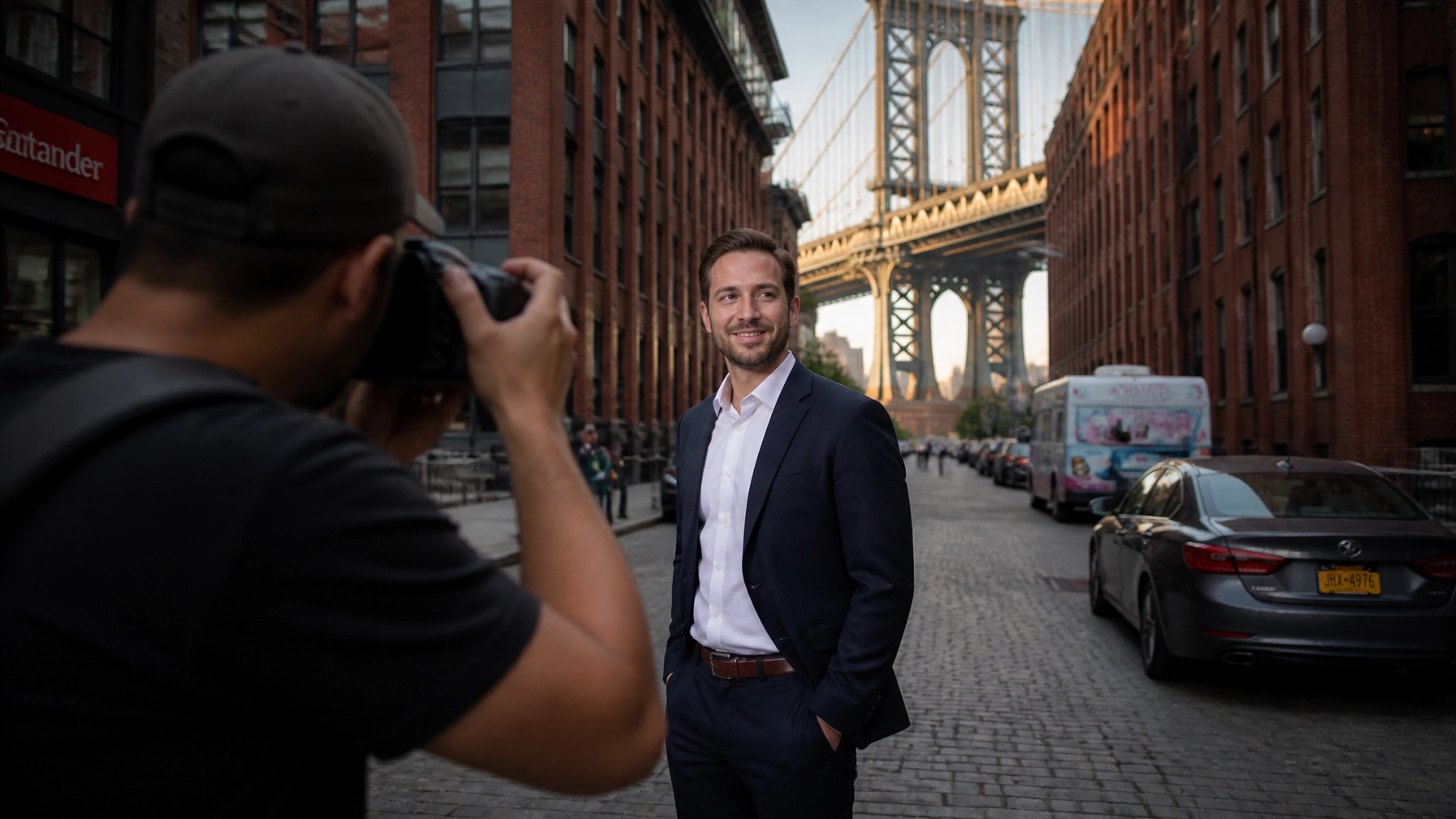
Your choice of photographer sets the tone for the entire photoshoot. Look for someone whose portfolio resonates with your vision, whether it’s a candid documentary style or more structured posed shots. Schedule consultations to discuss concepts and gauge their enthusiasm about your event, ensuring alignment on both style and expectations. Find a professional who can adapt to your unique aesthetic, as their approach can significantly impact how your event is remembered.
Coordinating with Vendors and Event Planners
Effective coordination with vendors and event planners is vital for a seamless photoshoot experience. Open communication helps clarify timelines, special requests, and last-minute changes, reducing stress on the day of the event. Establish a central point of contact who can relay any updates, ensuring that all team members, including the photographer, are on the same page. This collaborative effort creates an environment where everyone can focus on delivering their best work and ensures that the stunning moments are expertly captured.
Engaging with your vendors and event planners proactively can enhance the creative flow. For example, if a florist is aware of your photographer’s style, they might arrange flowers in a way that complements their lighting preferences, resulting in beautiful images. Similarly, discussing the event schedule with the photographer ahead of time allows them to anticipate key moments and plan accordingly, ensuring that every critical detail is beautifully documented. By fostering strong connections among your event team, you present opportunities for enhanced collaboration and creativity.
Curating the Perfect Venue and Lighting
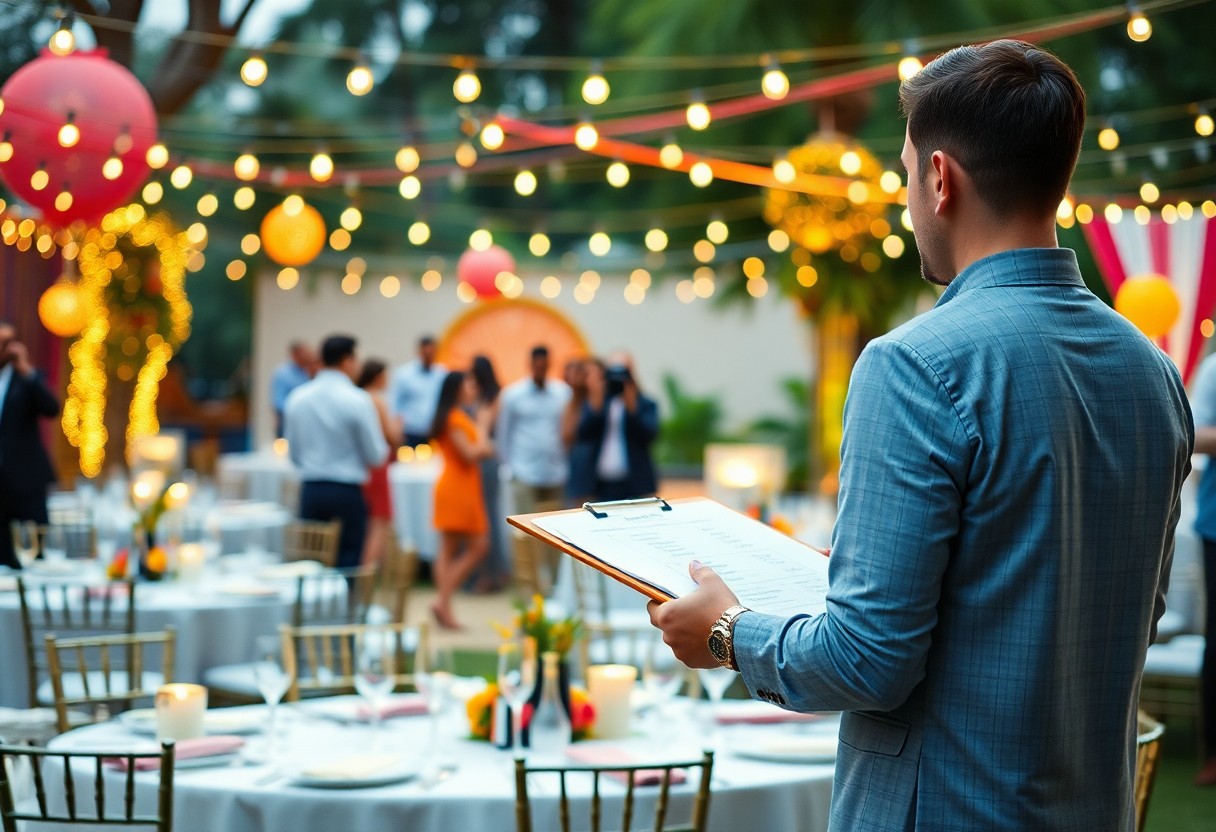
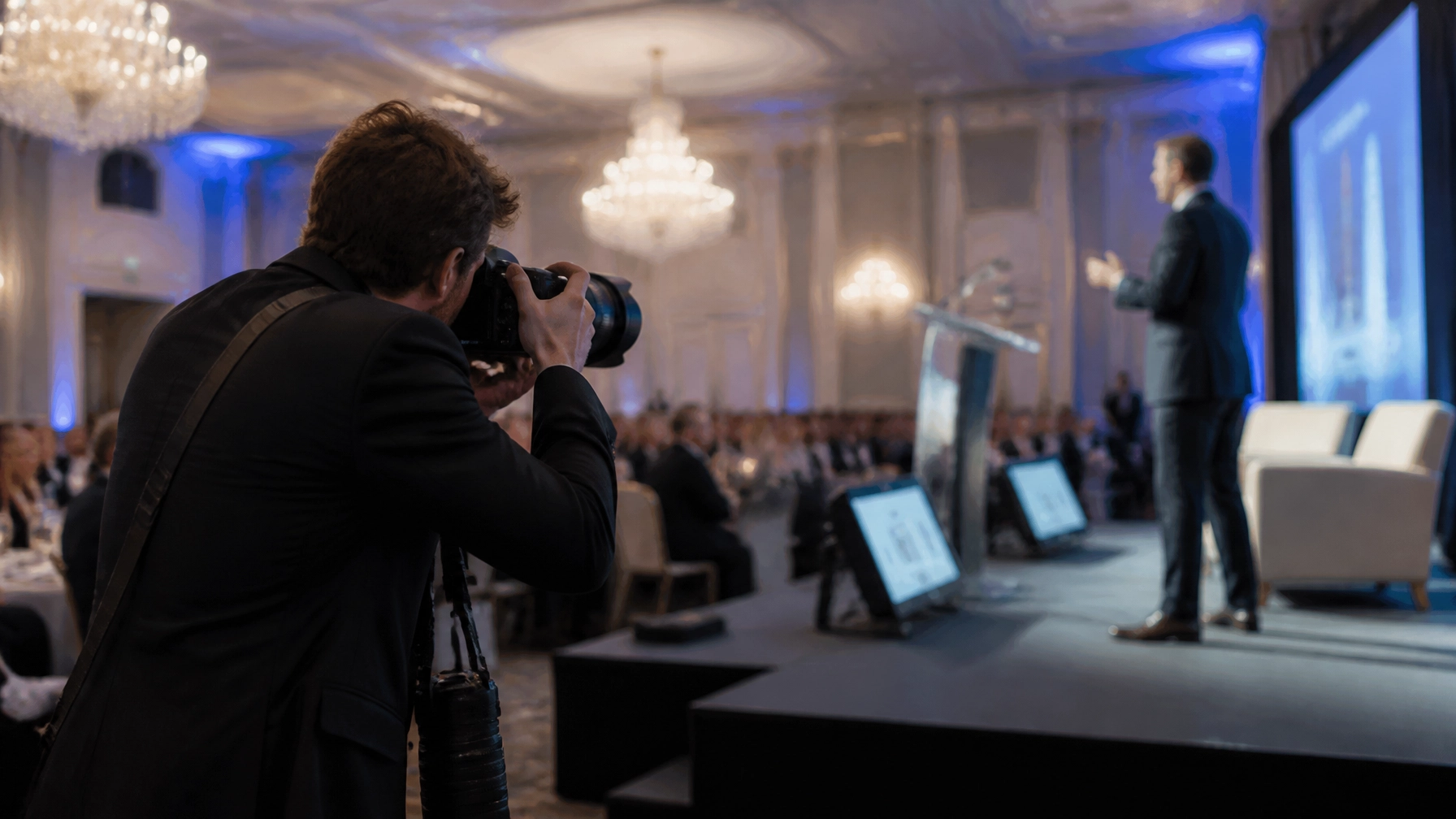
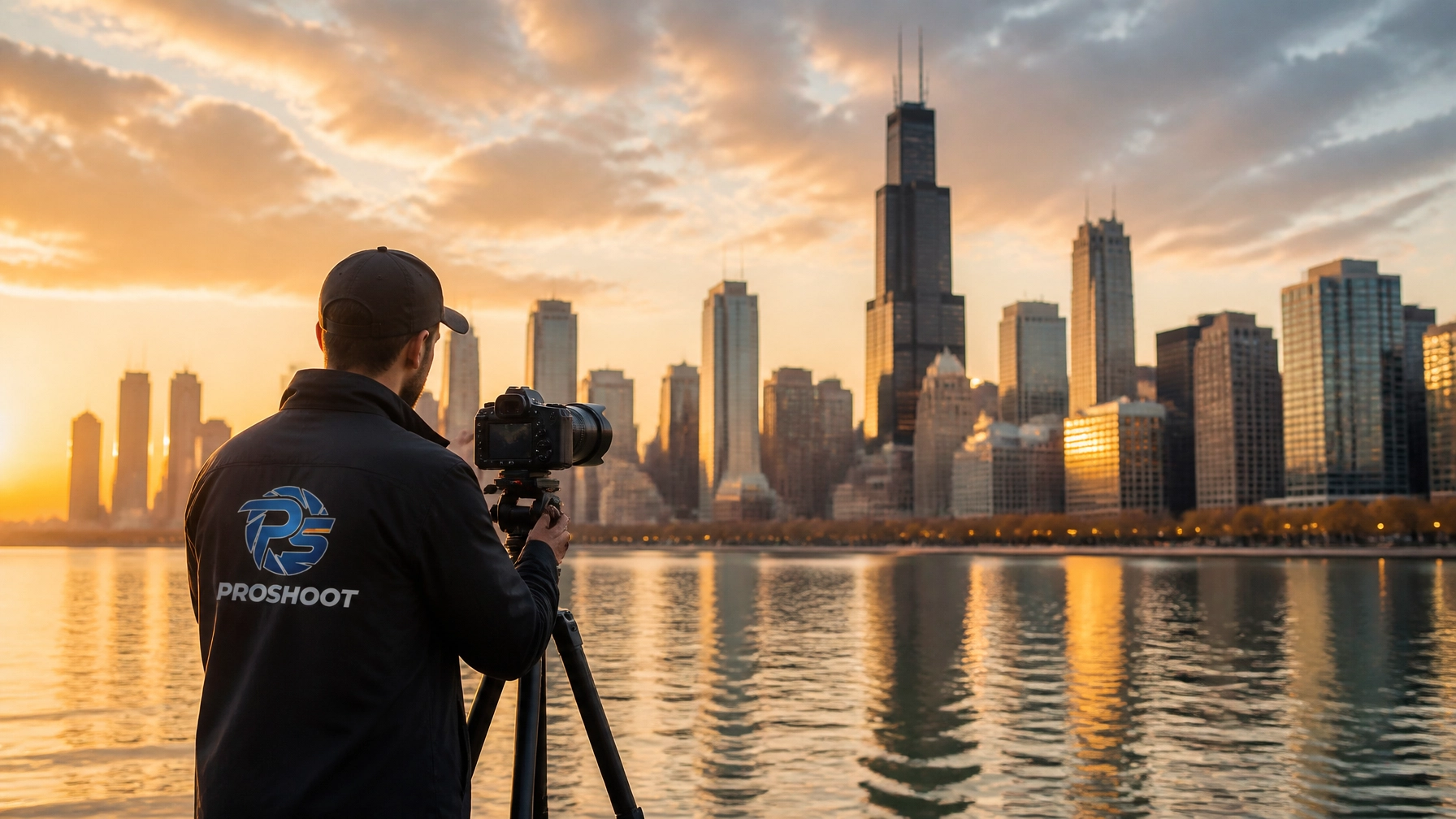
Your choice of venue and lighting plays a pivotal role in capturing stunning event photos. Selecting a space that fits the aesthetic and theme of your event enhances the visual storytelling. Consider factors such as the venue’s architecture, the presence of unique elements, and how well it complements your brand. Crafting an atmosphere with the right lighting can take your photos from ordinary to extraordinary, ensuring that the mood aligns with your event’s energy.
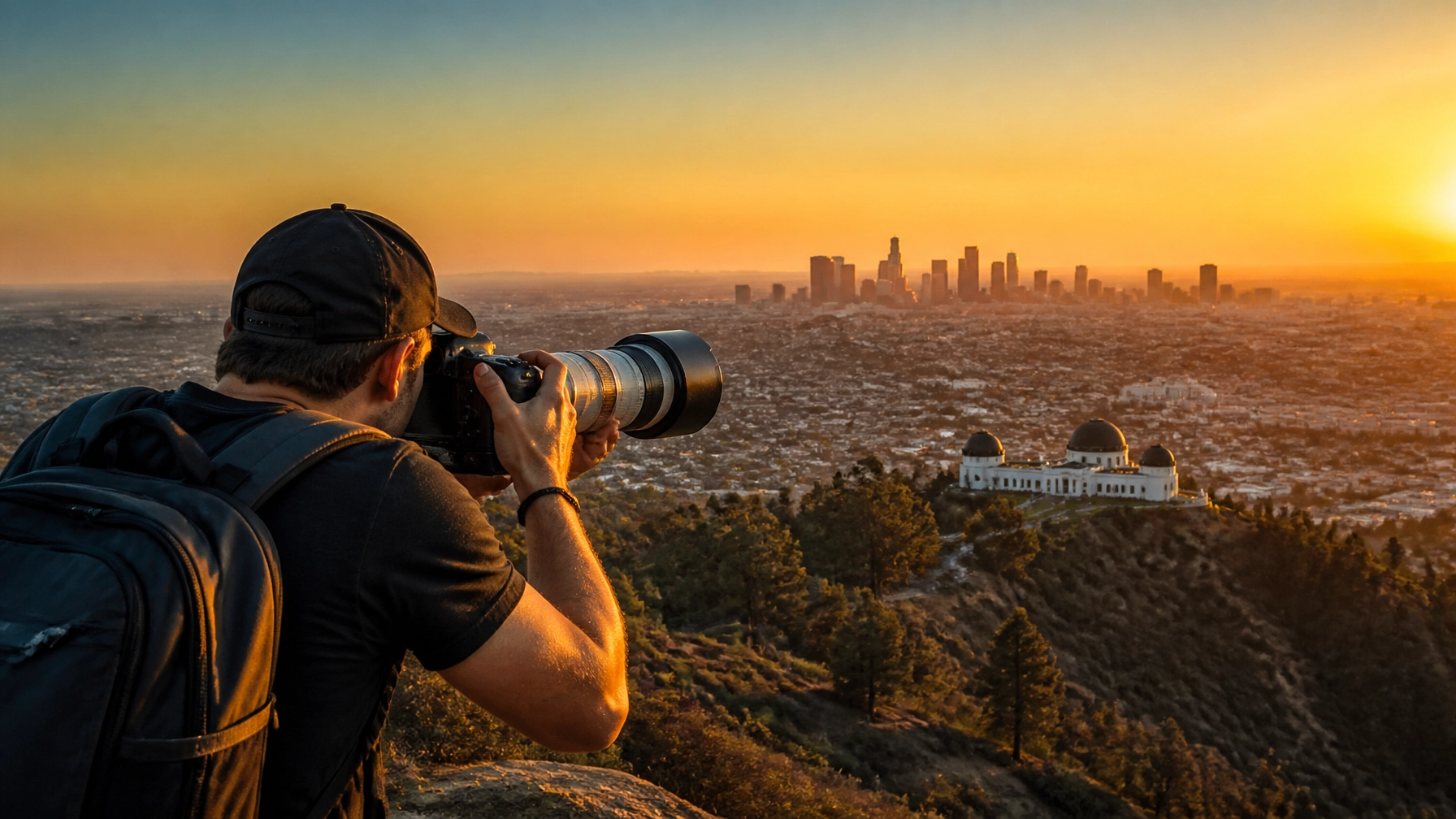
Identifying Key Locations for Stunning Backdrops
Maximizing Natural Light and Preparing for Low-Light Situations
Dressing the Part: Wardrobe and Props
Your wardrobe choices and props can significantly elevate the narrative of your event photoshoot. Carefully curated outfits that resonate with the event’s theme not only enhance aesthetic appeal but also contribute to the overall storytelling. Consider integrating color palettes that harmonize with the venue, while selecting accessories or props that add depth to your images. This attention to detail will ensure that every shot reflects the essence of the occasion.
Choosing Outfits That Complement the Event Theme
Selecting outfits that align with your event theme is a strategic move that pays off in visuals. For formal gatherings, attire like tuxedos and elegant dresses in rich colors or metallics can convey sophistication, while casual outdoor events might call for light, airy fabrics and earthy tones. Engage your team in this process; having everyone on the same page with complementary or matching outfits can unify your visual story, making the event feel coordinated and well-planned.
Incorporating Props to Enhance Visual Storytelling
Props serve as vital storytelling elements in your photoshoot. They can add layers of meaning and context, transforming a simple shot into a compelling narrative. From themed decorations to unique accessories, incorporating props allows for dynamic engagement and creativity. Think about items that can represent the event’s purpose or mood, like vintage books for a literary gathering or playful balloons for a children’s party.
Consider the balance between props and outfits. For example, if you’re photographing a wedding, vintage suitcases can evoke a sense of romance and adventure, while a classic picnic basket can add charm to an outdoor gathering. Ensure that your props are not overly distracting; they should enhance the scene, drawing the viewer’s attention to the key moments you aim to capture. By thoughtfully integrating props that reflect the event’s essence, you tell a more engaging and layered story through your images. This can turn simple snippets into memorable visual tales, where every photograph contributes to the overall narrative you wish to convey.
Executing the Day-of Strategy
Successfully executing your day-of strategy relies on effective coordination and foresight. Assemble your team early and ensure that each member understands their specific roles and responsibilities. A well-prepared team can adapt to any unexpected changes while maintaining a seamless flow throughout the event. Regular communication among all participants will help facilitate a smooth experience for both you and your guests.
Establishing a Timeline to Keep Things on Track
A detailed timeline is your best friend on the day of the event. Designate time slots for key moments such as guest arrivals, speeches, and photo opportunities to ensure everything runs smoothly. Factor in buffer times to accommodate any delays, and share this timeline with your team so everyone is aware of what to expect throughout the day.
Tips for Keeping Guests Engaged and Camera-Ready
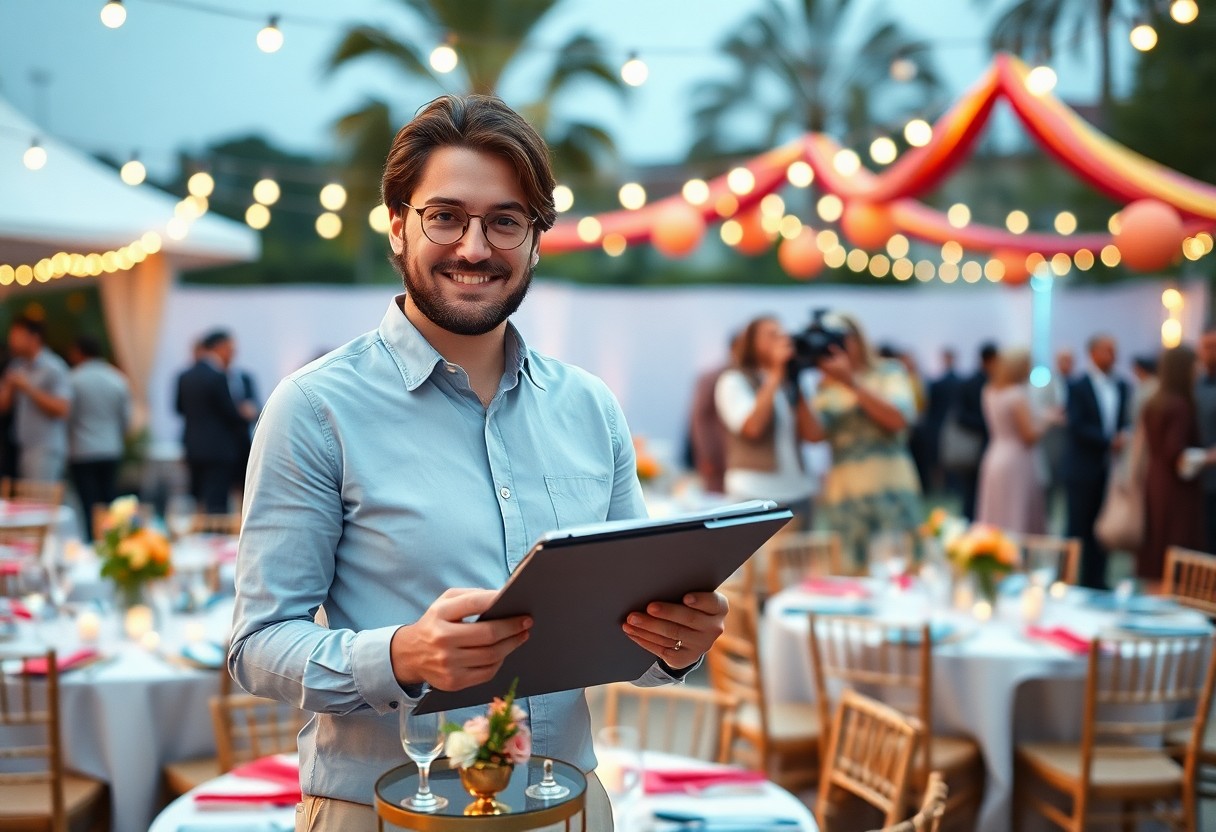
To get the most captivating shots, provide guests with opportunities to engage and enjoy the event. Consider interactive elements, such as photo booths or group activities, to create candid moments. Keeping the energy high through music or games can also enhance the atmosphere, making it easier for guests to relax and pose for the camera. Engaged guests tend to be more natural and photogenic, resulting in a treasure of memorable images.
- Use themed props or backdrops to inspire creativity in your photos.
- Encourage mingling among guests, which can lead to spontaneous interactions and laughter.
- Provide small incentives for group participation, like prizes for the best picture.
- Organize scheduled moments for group photos to capture everyone at their best.
- Perceiving the event’s energy can lead to more authentic and joyful images.
To build on the excitement, share sneak peeks of the pictures taken during the event on social media. This can encourage guests to engage more with the camera, knowing their moments will be highlighted. Consider placing a few designated photographers among the crowd to capture unplanned interactions. This not only amplifies the candid feel but also keeps guests on their toes, leading to genuine smiles and natural poses.
- Offer small prizes or recognition for the best social media posts or shares during the event.
- Deploy interactive elements, such as live polls or shoutouts, to maintain a lively atmosphere.
- Engage guests with shared hashtags to encourage group participation in online conversations.
- Utilize roving photographers to create a documentary-style feel, capturing the essence of the event.
- Perceiving the interactions between guests can yield wonderful storytelling through photographs.
Post-Event Review and Selection
Once the event concludes, evaluating your photo collection is key to capturing the essence of the occasion. Begin by sifting through your shots and selecting images that reflect not only the highlights but also the subtle moments that tell a richer story. This is your opportunity to curate a cohesive visual narrative that resonates with attendees and showcases the spirit of your event.
Analyzing Shots to Tell a Cohesive Story
Every image should contribute to the overall narrative you want to convey. As you analyze your shots, focus on the emotions and interactions captured, considering how they fit together. Look for a balance between candid moments and key highlights, ensuring your final selection works harmoniously to represent the event’s theme and energy.
Techniques for Effective Editing and Presentation
Editing is where your artistry shines through. Begin with a reliable software program that allows for batch editing to save time. Adjust the exposure, contrast, and color balances to create a consistent look across your photos. Consider the flow from one image to the next; aim for a dynamic presentation that keeps viewers engaged. You might utilize creative techniques like filters or special effects sparingly to enhance certain shots while preserving authenticity.
To ensure effective editing and presentation, pay attention to details that enhance the storytelling aspect of your images. Utilize features such as cropping to focus on the central subject, and leverage layering techniques to create depth. Organizing your photos into a narrative flow can help maintain the viewer’s interest. Additionally, consider adding captions or short descriptions that provide context, giving your audience a clearer understanding of the event’s key moments and themes.
Final Words
Taking this into account, planning the perfect event photoshoot involves careful preparation and attention to detail. By following the steps outlined in this guide, you can ensure that your photoshoot captures the essence of your event and creates lasting memories. From setting goals and selecting the right location to coordinating with your photographer and choosing the best moments to capture, each step plays a vital role in the success of your event photography. With these tips in hand, you are well on your way to achieving stunning and unforgettable images.


Leave a Reply
You must be logged in to post a comment.