
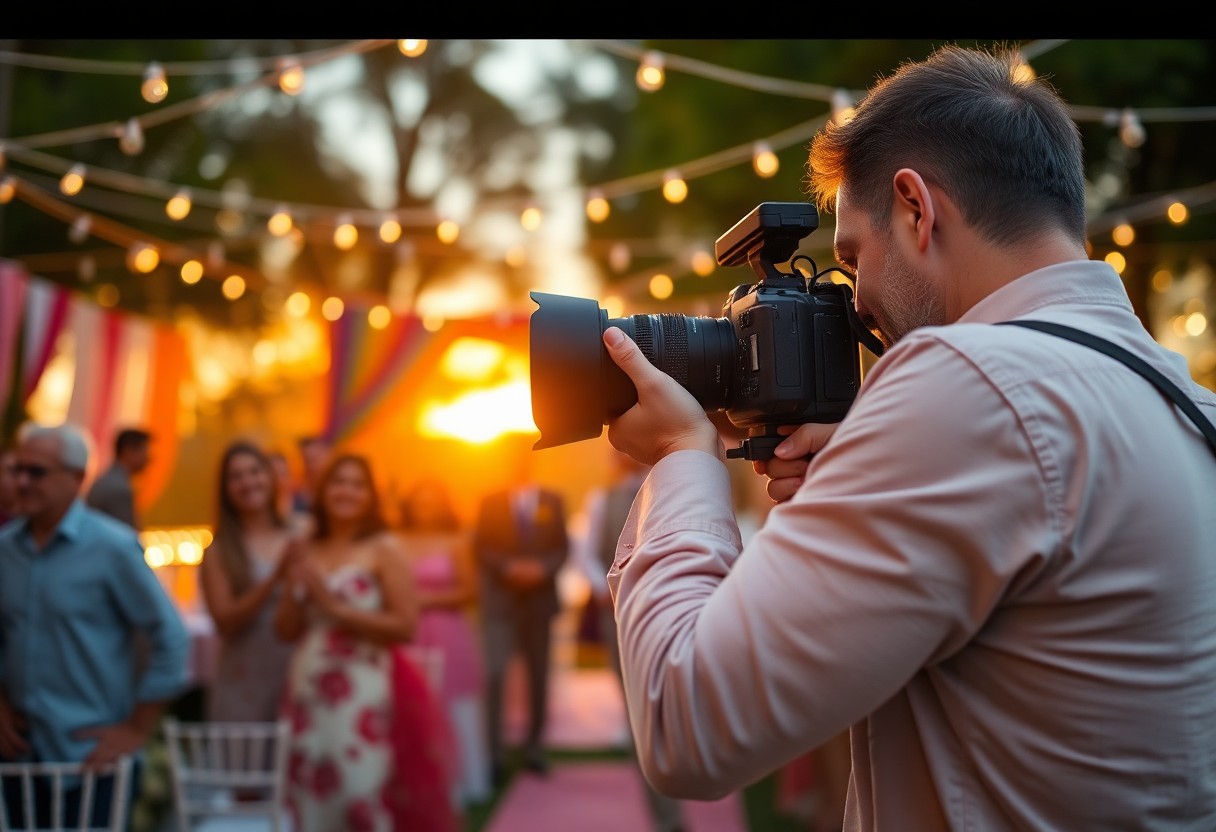
Photographers possess a unique blend of skills and characteristics that allow them to stand out in the competitive world of event photography. You may find that the best event photographers employ a keen sense of observation, creativity, and a deep understanding of human emotions to capture the essence of your special moments. This blog post will explore the enigmatic qualities that elevate an event photographer from merely capturing images to telling compelling stories that resonate long after the event has ended.
The Eye for Detail: Capturing the Unsung Moments
Your eye for detail distinguishes exceptional photographers from the crowd. It’s about more than just framing; it’s about recognizing those fleeting moments that encapsulate the essence of the event. The angle of a petite flower arrangement, a child laughing in the background, or the subtle glances exchanged between loved ones can transform ordinary shots into striking memories that tell stories. The magic lies in your ability to spot these nuances and turn the mundane into the unforgettable.
The Importance of Anticipation in Timing
Noticing Authentic Emotions and Interactions
Technical Prowess: Mastering Equipment and Techniques
To truly stand out as an event photographer, technical prowess is key. Mastering your camera and the equipment is non-negotiable; you must know your gear inside and out, from the basics of exposure settings to intricate features that give you the edge during challenging circumstances. It’s not just about the camera; understanding different lenses, flashes, and additional tools allows you to adapt quickly, ensuring you capture those spontaneous moments with precision and unmatched quality.
The Role of Camera Gear in Event Photography
The right camera gear serves as your creative foundation in event photography. A high-quality camera body equipped with a versatile lens allows you to adapt to various environments and lighting conditions effectively. For instance, a fast lens with a wide aperture can help you shoot in dimly lit venues without sacrificing image quality, while multiple lenses provide flexibility for closer, intimate shots or expansive ceremony scenes.
Understanding Lighting and Composition
Lighting and composition are pivotal elements that can make or break your photographs. Balancing ambient light sources, such as candles or stage lights, with flash photography requires keen insight and quick adjustments to camera settings. You create a narrative through composition techniques—using leading lines, framing subjects effectively, and considering the rule of thirds can enhance the storytelling aspect of your images. Each click of the shutter is an opportunity to marry light and composition masterfully, producing visuals that are both stunning and meaningful.
When you understand how light interacts with your subjects and environment, you unlock the potential for breathtaking results. Experiment with backlighting or silhouettes to add drama and depth to your shots, and pay attention to the natural light changing throughout the event. By being aware of how different angles affect both lighting and composition, you elevate your photography; subtle adjustments can transform a mundane scene into evocative art, offering a more compelling visual story. Your ability to manipulate and perceive light will set you apart, making every assignment a canvas for creativity.
Storytelling Through Imagery: Crafting a Narrative
Every photograph taken at an event serves as a chapter in an unfolding story, bringing together moments to weave a cohesive narrative. As an event photographer, your ability to capture emotions, interactions, and the atmosphere creates an immersive experience for viewers. By focusing on significant moments and selecting images that highlight the essence of the event, you help audiences relive those memories long after the occasion has passed.
Weaving Themes through Visual Sequences
Themes add depth to your storytelling approach. You can highlight connections or motifs by capturing images that relate to the overarching concept of the event. For instance, at a wedding, you might emphasize love and unity through intimate couple shots alongside broader celebrations with family and friends. Each image builds upon the last, enhancing the overall narrative and inviting your audience to experience the event’s vibe fully.
The Impact of Post-Processing and Editing
Your post-processing and editing techniques significantly influence the final storytelling outcome. Thoughtful adjustments in color correction, cropping, and retouching can elevate mundane shots to expressive pieces that resonate. This stage of your craft invites creativity, allowing for the enhancement of your unique style to shine through in each image, ultimately shaping the viewer’s emotional response.
Incorporating post-processing techniques, such as fine-tuning highlights and shadows, can dramatically alter the mood of an image. For example, adjusting tones in a photo from a corporate event can create a vibrant, energetic feel, whereas softening edges and color palettes might suit a more intimate family gathering. Techniques like selective focus or adding vignettes can further emphasize crucial subjects within your visual narrative. Through skilled editing, you not only transform images but also guide viewers’ perspectives, ensuring they grasp the richness of the story you’ve captured.
Building Connections: The Human Element
Exceptional event photographers excel not only in technical skills but also in their ability to forge human connections. By engaging clients and guests, you create a welcoming atmosphere that lays the foundation for authentic moments. This human element is often what elevates your work beyond a collection of images, allowing you to tell compelling stories that resonate with your audience.
Establishing Rapport with Clients and Guests
Establishing rapport is important for capturing genuine expressions and emotions. Your approachability invites clients and guests to interact freely, helping them to relax in front of the camera. This connection fosters trust, enabling you to candidly document their experiences, from laughter-filled moments to profound interactions, making every shot more meaningful.
The Role of Intuition and Empathy in Photography
Intuition and empathy are the driving forces behind capturing moments that resonate deeply. You intuitively sense shifts in energy and mood, allowing you to anticipate the perfect moment to document. Empathy enables you to understand the emotions present at an event, ensuring you capture the essence of the experience and the significance behind the fleeting moments.
Harnessing intuition and empathy takes your photography to new heights. When you pick up on subtle cues—like a couple’s shared glance during a wedding toast or a child’s awe during a birthday celebration—you create opportunities for evocative images that encapsulate the spirit of the occasion. By tapping into these qualities, you are not just a passive observer; you are an active participant in the event, capturing the rich tapestry of human emotions and connections that unfold before you. Each shot becomes a narrative thread, weaving together the stories of those present, which is precisely what makes your work resonate long after the event concludes.
Standing Out in a Competitive Field: Branding and Marketing
Your brand as an event photographer speaks volumes about your identity, influencing how potential clients perceive your work. Crafting a strong visual identity through a distinctive logo, consistent color schemes, and a cohesive portfolio can set you apart. Additionally, storytelling plays a significant role in branding. Sharing your journey, creative vision, and accolades through various channels can establish you as a thought leader in the field, drawing clients toward your unique style and expertise. With a focused marketing effort, including niche targeting, you can carve out a lasting presence in this competitive landscape.
Strategies for Differentiation in Style and Approach
In a crowded marketplace, your unique style and approach can be your best assets. Experiment with artistic compositions, lighting techniques, or post-processing methods to create a signature look that resonates with your audience. Present thematic collections or specialized services, such as eco-friendly events or intimate weddings, that cater to specific demographics. By showcasing your versatility while maintaining a recognizable signature, you can appeal to a broader client base while remaining authentic to your craft.
Leveraging Social Media and Online Presence for Visibility
Your online presence is vital for establishing visibility and credibility as an event photographer. Harnessing platforms like Instagram, Facebook, and Pinterest allows you to share your work, engage with audiences, and network with industry professionals. Building a visually cohesive and inviting online portfolio can encourage potential clients to connect with your brand and referral potential among peers.
Strategically using social media can propel your career to new heights. High-quality posts featuring your best work can attract attention, but interacting with followers through comments, stories, and live sessions enhances relationships. Collaborating with other vendors or influencers in the event industry can also expand your reach. Utilizing targeted hashtags can increase the visibility of your posts, and you can even explore paid advertising options to reach specific demographic groups. Regularly sharing behind-the-scenes content offers a glimpse into your creative process, drawing audiences in and creating a community around your photography brand.
Summing up
Ultimately, the enigmatic qualities that make an event photographer stand out lie in their ability to connect with your vision, capture genuine emotions, and adapt to the dynamics of the day. You’ll appreciate their keen eye for detail, creativity in composition, and skill in storytelling, all of which transform ordinary moments into remarkable memories. With an effective event photographer, you can trust that every significant interaction and atmosphere is embraced, resulting in a visual narrative that not only reflects the essence of your event but also resonates with your audience.


Leave a Reply
You must be logged in to post a comment.