
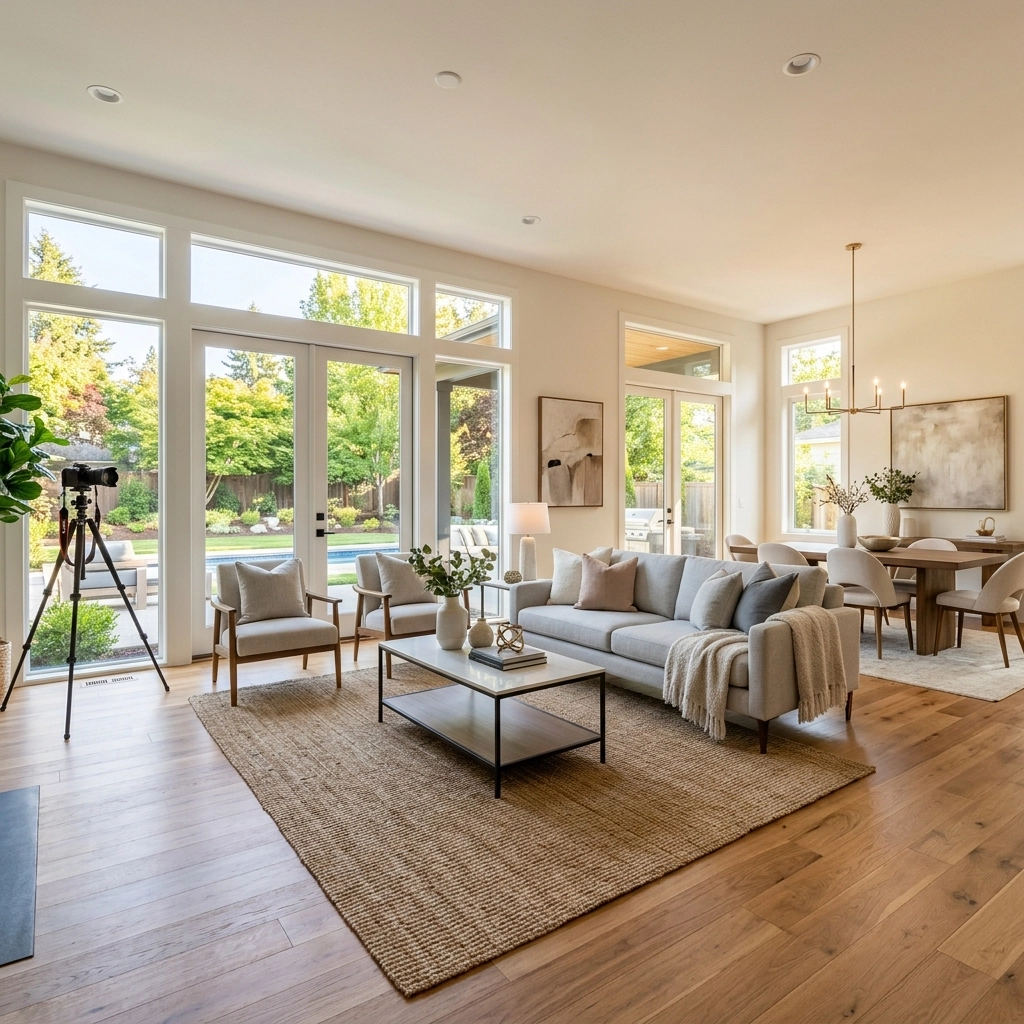
In the modern real estate market, the first showing doesn’t happen at the front door; it happens on a smartphone screen. Whether a potential buyer is scrolling through Zillow at midnight or browsing local listings on their lunch break, your property has exactly two seconds to make an impression. If your listing isn't stopping the scroll, it’s losing money.
Many agents and homeowners believe that a great house will sell itself, regardless of the photos. Unfortunately, the data suggests otherwise. Listings with high-quality, professional photography sell faster and often for thousands of dollars more than those with amateur shots. If your property has been sitting on the market longer than expected, or if you aren't getting the click-through rates you anticipated, you might be falling into a few common traps.
Discover how to identify these pitfalls and learn why searching for a "real estate photographer near me" is the most effective way to breathe life back into a stagnant listing.
1. The "Cave" Effect: Poor Lighting and Dark Corners
One of the most frequent mistakes in DIY property listings is inadequate lighting. A room that feels bright and airy in person often looks like a dungeon on camera. Smartphone sensors struggle to balance the bright light coming through a window with the shadows in the corners of a room, resulting in "blown-out" windows (where the view outside is just a white blob) and muddy, dark interiors.
When you hire a professional real estate photographer, they don't just "take a picture." They use a technique called High Dynamic Range (HDR) photography or flash-ambient blending. This involves taking multiple exposures of the same room and merging them to ensure the view out the window is crystal clear while every corner of the room is perfectly illuminated. This creates an inviting, vibrant atmosphere that makes buyers want to step inside.

2. The Vertical Lean: Distorted Perspectives
Have you ever looked at a listing and felt like the walls were closing in or that the house was tilting backward? This is known as perspective distortion. It happens when a camera is tilted up or down to try and fit the whole room into the frame. In professional photography, keeping "verticals vertical" is a golden rule.
A pro uses specialized wide-angle lenses: not to be confused with the "fisheye" effect that makes rooms look like bubbles: to capture the full scale of a space while keeping the architecture straight and true. This level of precision provides a sense of structural integrity and professional polish that amateur shots simply can't replicate.
3. Clutter and the "Lived-In" Trap
We all live in our homes, but we shouldn't see that life in a listing. Countertop appliances, piles of mail, pet bowls, and tangled TV wires act as visual "noise." They distract the buyer’s eye away from the features of the home: like those beautiful granite countertops or the custom backsplash: and toward the clutter.
An expert photographer near me acts as a second set of eyes. They know how to "frame out" distractions or suggest minor shifts in furniture to improve the flow of a photo. By focusing on the architecture and the space rather than the "stuff," they help potential buyers envision their own lives in the home.

4. Ignoring the Hero Shot: Curb Appeal is Digital Too
The "Hero Shot" is the primary image of the home: usually the front exterior. Many listings fail because this image is taken at high noon when the sun creates harsh, ugly shadows across the facade, or worse, on a gray, overcast day that makes the home look depressing.
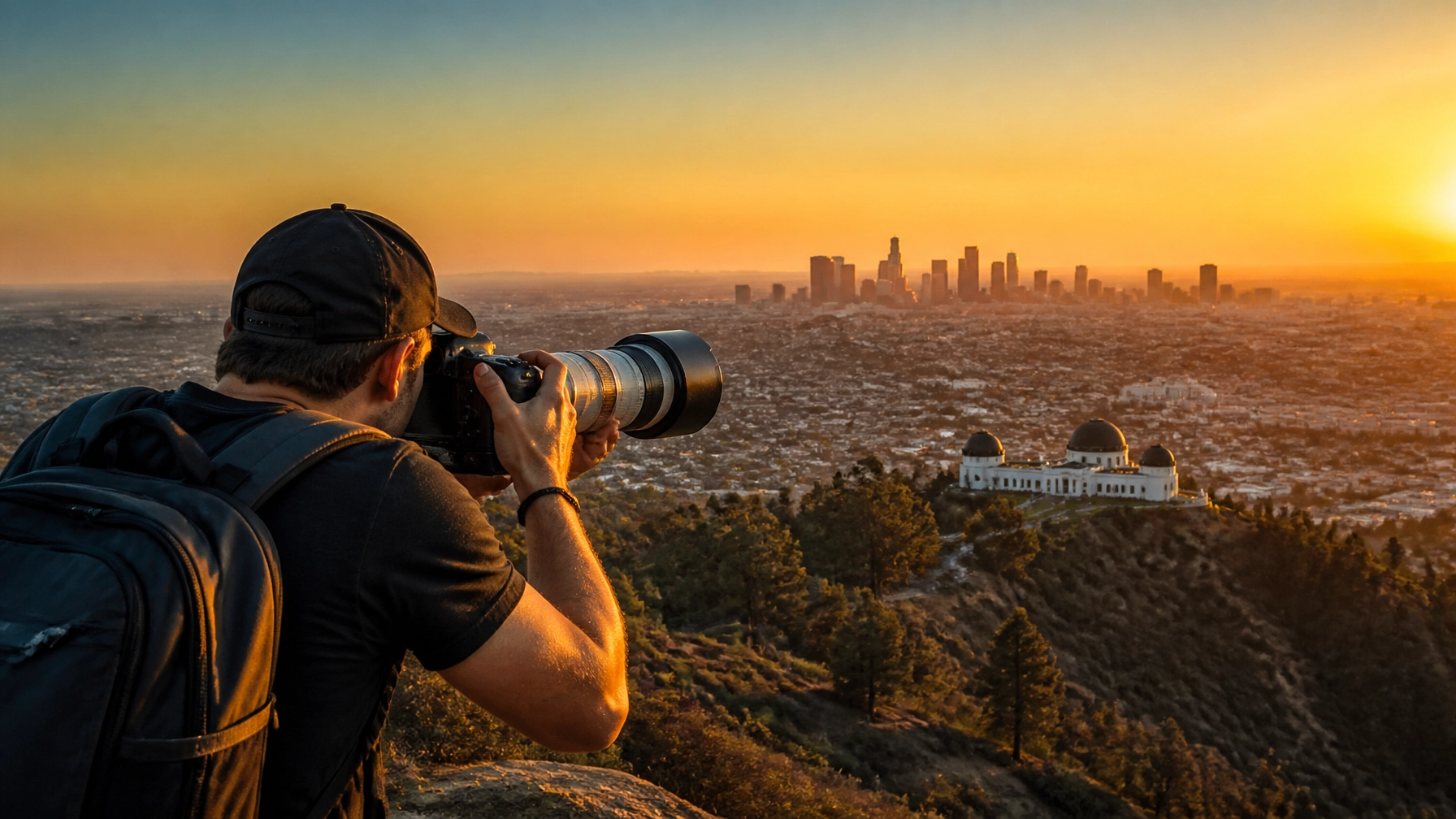
A professional knows that timing is everything. They might suggest a "Golden Hour" or "Twilight" session. Twilight photography captures the home just as the sun goes down and the interior lights turn on, creating a warm, glowing, and luxurious aesthetic that stands out significantly in a sea of daylight photos. If you want your listing to look like a million-dollar estate, the hero shot is where that transformation begins.
5. The Smartphone Shortcut: Limited Range and Detail
It’s tempting to think that because the newest iPhone has a "Pro" camera, it can handle a real estate listing. While phone cameras have come a long way, they lack the sensor size and optical glass quality required for professional-grade architectural imagery.
Phones often over-sharpen images, making them look "crunchy" and artificial. They also fail to capture the true color accuracy of a space. A professional photographer uses full-frame cameras and professional-grade glass to ensure that the hardwood floors look like the right shade of oak and the walls don't look yellow under incandescent bulbs. Accuracy builds trust; when a buyer visits the home and it looks exactly like the photos, they feel more confident in making an offer.

6. Disjointed Narratives: The Lack of Flow
A listing should tell a story. It should walk the buyer through the house in a logical sequence: the entrance, the living area, the kitchen, and then the private spaces. Many listings feature a jumbled mess of photos where a bathroom shot is followed by a backyard shot, followed by a closet. This creates cognitive friction for the viewer.
Professional photographers understand the "narrative" of a home. They capture transition shots that show how one room leads into another, helping the buyer understand the layout. This spatial awareness is crucial for out-of-town buyers who may be relying entirely on the digital listing to make a decision. To see how this flow works, you can even explore adding a videographer to create a cinematic walk-through.
7. Sterile Spaces: Missing the Emotional Connection
While you want to avoid clutter, you also want to avoid making a home look like a cold, empty box. Empty rooms can be difficult for buyers to scale. How big of a bed fits here? Will my sectional fit in this living room?
Expert photographers fix this through two methods: physical staging or virtual staging. By adding lifestyle elements: a set table, a cozy throw blanket, or even a fire in the fireplace (often added in post-production): they create an emotional "hook." They aren't just selling four walls and a roof; they are selling a lifestyle. This emotional resonance is what turns a "browser" into a "buyer."
Why a Professional is an Investment, Not an Expense
In real estate, the most expensive listing is the one that doesn't sell. Every day a house sits on the market, it loses perceived value. Buyers start to ask, "What’s wrong with it?" Often, nothing is wrong with the house: everything is wrong with the marketing.
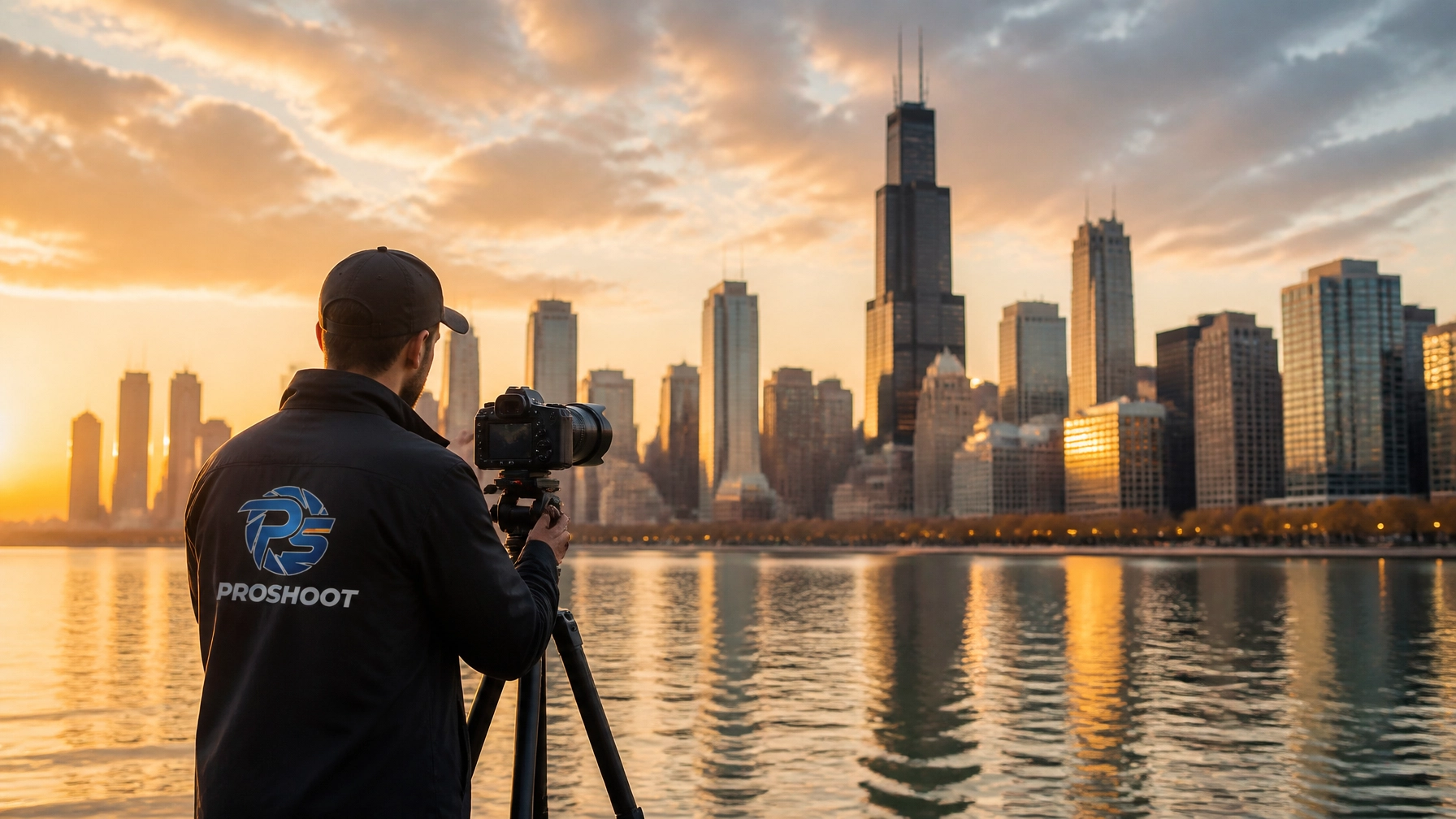
Hiring a real estate photographer near me through a trusted platform like ProShoot ensures that your property is presented in its absolute best light. From drone photography that captures the scope of the neighborhood (check out our drone photographers for those stunning aerials) to high-end interior editing, the return on investment is clear.
Ready to Transform Your Listing?
Don't let simple mistakes hold back your property's potential. Whether you are an agent looking to build your brand or a homeowner wanting a quick sale, professional imagery is the key.
At ProShoot, we connect you with top-tier professionals who specialize in making properties shine. From the initial click to the final closing, let your photos do the heavy lifting.
Explore our services and find the perfect pro for your next project:





Leave a Reply
You must be logged in to post a comment.