

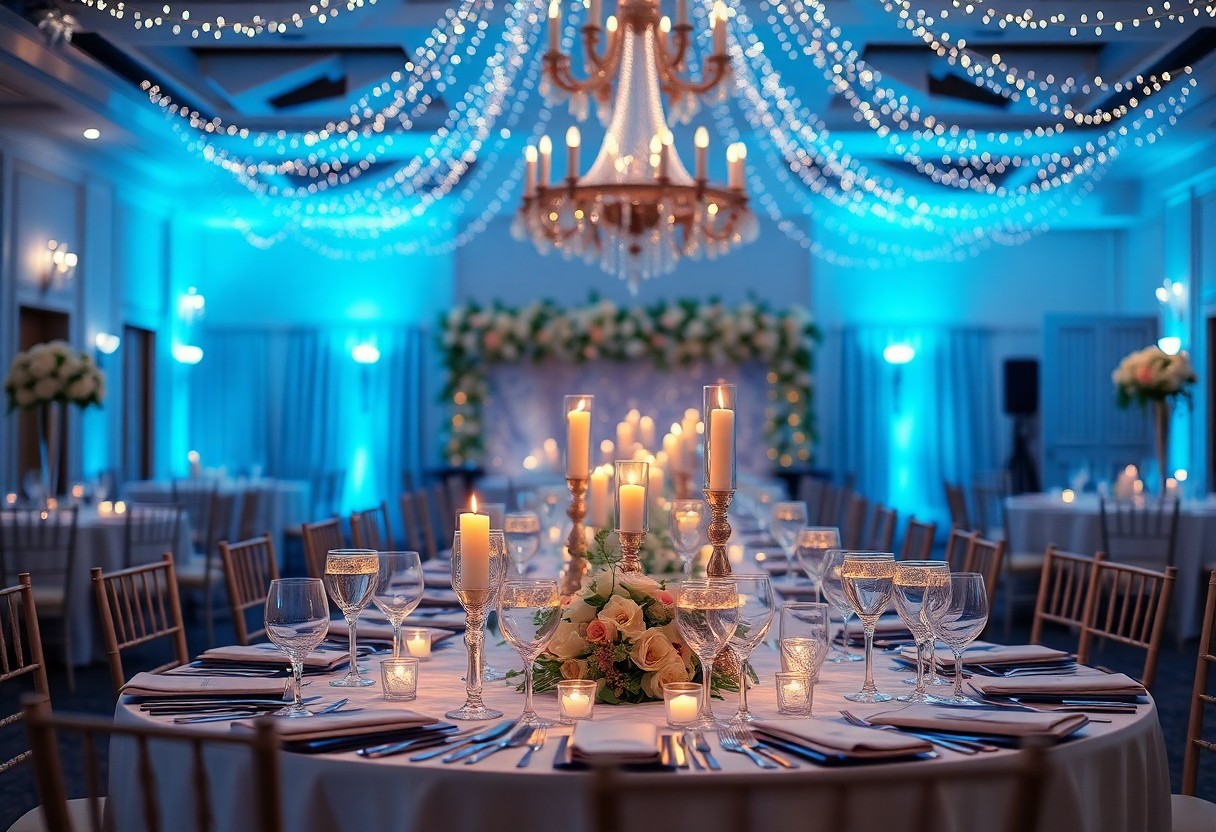
Over time, the art of wedding photography has evolved beyond traditional techniques, inviting you to explore a range of esoteric methods that can significantly enhance your skills. By incorporating elements like storytelling, ambient light manipulation, and candid moments, you can create a unique narrative that resonates with couples and their loved ones. This comprehensive guide will unveil opportunities to elevate your craft, making each shot not just a picture, but a cherished memory. Unlock the secrets of the trade, and transform your wedding photography into an extraordinary experience for your clients.

Key Takeaways:
- Utilize creative angles and perspectives to capture unique and intimate moments that tell a story.
- Incorporate natural light and shadows to enhance mood and create a romantic atmosphere in photographs.
- Experiment with depth of field to draw attention to the couple while softly blurring the background.
- Master the art of candid photography by being discreet and ready to capture spontaneous emotions and interactions.
- Develop a signature editing style that complements the wedding theme, ensuring consistency in the final images.
Capturing Emotion: The Weight of Authentic Moments
Wedding photography thrives on authenticity, where each frame encapsulates raw emotions and genuine connections. The beauty lies not just in the picturesque scenery but in the fleeting moments that tell a couple’s unique love story. These authentic moments, from joyful laughter to bittersweet tears, breathe life into your portfolio and allow you to craft visuals that resonate deeply with viewers. Learning to spot these genuine interactions will immensely elevate your photography, ensuring you capture the essence of the day in a way that formal poses simply can’t achieve.
The Importance of Candid Shots
Candid shots reveal the unfiltered essence of relationships, capturing genuine expressions that reflect true feelings. These spontaneous moments often occur when you least expect them but can deliver the most impactful images. By focusing on attendees as they interact, laugh, or embrace, you can create a narrative that communicates the love and joy present throughout the celebration—drawing viewers into the emotional tapestry of the day.
Techniques for Boosting Emotional Engagement
To deepen emotional engagement in your wedding photography, consciously integrate storytelling elements into your approach. Utilize compositions that frame subjects in a way that amplifies their emotions, using foreground or background elements to add context. Also, consider adjusting your shooting style; capturing movement, like a parent-daughter dance, can evoke a dynamic sense of emotion. Plus, playing with focal lengths can isolate subjects amid the crowd, emphasizing their emotions without distractions. As you build rapport with the couple and their guests, you’re more likely to witness genuine moments unfolding before your lens.
Eliciting emotional engagement requires you to be attuned to the atmosphere and dynamics around you. Being unobtrusive while maintaining a presence is key; some photographers even share personal anecdotes or approach guests with light-hearted conversation to foster a relaxed vibe. This connection can lead to more authentic reactions and heartfelt exchanges among loved ones, boosting the chance of capturing those treasured moments. Anticipate key milestones, like a mother’s tear during vows or an enthusiastic dance-off, and be prepared to document them in a way that conveys the depth of feeling being experienced in that instant.

Mastering Light: The Secret Ingredient of Stunning Photos
Light can elevate your wedding photos from ordinary to extraordinary. Understanding how to manipulate light, whether natural or artificial, is key to creating evocative imagery that captures the essence of the day. Experience allows you to see the subtleties in lighting – be it the soft glow during the golden hour or the ambiance created by candlelight. These conditions offer a magical backdrop that enriches storytelling within your frames, turning fleeting moments into timeless memories.
Natural Light vs. Flash: The Great Debate
The choice between natural light and flash is often a contentious one among photographers. Embracing the warmth and softness of natural light can create dreamy and ethereal photos, especially during the early morning or late afternoon hours. Conversely, flash is a powerful tool that can add dramatic effect and control in low-light situations. Each method has strengths and can serve as a reflection of your artistic style, allowing you to adapt quickly to varying conditions throughout the wedding.
Creative Uses of Shadows and Highlights
Shadows and highlights should not be overlooked in your quest for stunning wedding photography. They serve as visual elements that can deepen the narrative of your images. Experimenting with contrasting light can produce a captivating sense of depth. For example, capturing a couple against a backlit sun can create a halo effect, while shadows cast by architecture can add texture and intrigue. This play between light and dark can evoke emotional responses, drawing viewers deeper into the moment captured.
Exploring shadows and highlights can transform your approach to composition. When you place your subjects in strategic light, you can guide the viewer’s eye through your images. Strong shadows can create compelling silhouettes, accentuating the shapes and emotions present in the scene. You might even find opportunities to incorporate natural textures found in your surroundings, such as leaves or window panes, to create intricate patterns of light and shade. This technique not only enhances visual interest but also adds a unique flair to your storytelling, enriching the overall experience of your wedding photography.

Composition Magic: Framing Stories Through Lenses
In wedding photography, composition serves as the backbone for storytelling, guiding the viewer’s eye through the emotional tapestry of the day. Mastering the art of composition allows you to create captivating photographs that evoke feelings, imparting not just the event, but its essence. Techniques such as the Rule of Thirds, unconventional angles, and leading lines will help you structure your shots, turning moments into mesmerizing narratives.
Rule of Thirds and Its Impact on Wedding Narrative
Utilizing the Rule of Thirds can transform your wedding photos by creating balanced, engaging compositions. By dividing your frame into a 3×3 grid and positioning key elements along these lines or at their intersections, you guide the viewer’s attention naturally to focal points, be it the couple’s embrace or an intricate detail of the decor. This not only enhances the visual appeal but also enriches the narrative quality of your images, making them feel more dynamic.
Unconventional Angles That Tell a Unique Story
Diving into unconventional angles can elevate your wedding photography to new heights. Experimenting with perspectives—from shooting from above to capturing moments at floor level—allows you to convey stories that traditional angles may miss. For example, a low-angle shot of the couple exchanging vows can evoke a sense of grandeur, while a high-angle view of the reception can showcase the scale of celebration, drawing attention to the atmosphere and the relationships among guests.
Taking the time to explore unique perspectives opens up a world of storytelling possibilities. Consider the emotional weight of a close-up shot of a tearful parent during the ceremony, juxtaposed with a wide shot of the joyful couple against a breathtaking backdrop. Each angle offers a different emotion and context, weaving an intricate narrative that reflects the richness of the day. Bring your creativity to life by capturing both intimate moments and grand scenes, giving your wedding portfolio a vibrant and dynamic edge.
Connecting with Couples: Building Trust for Authenticity
Creating a genuine connection with couples is imperative for capturing authentic wedding moments. When clients trust you, they become more relaxed, allowing their true emotions to shine through in photographs. Establishing this bond requires empathy, active listening, and a genuine interest in their love story. Authentic interactions encourage couples to let their guard down, resulting in natural, heartfelt images that resonate deeply.
The Role of Pre-Wedding Consultations
Pre-wedding consultations provide an invaluable opportunity to establish rapport with your clients. These meetings allow you to learn about their vision, preferences, and personalities, fostering a sense of comfort before the big day. By discussing their love story and the details that matter most, you create a personalized experience that strengthens the trust bond, ensuring they feel confident in your ability to capture their day authentically.
Techniques for Eliciting Genuine Responses
Eliciting genuine responses from couples begins with creating an open and supportive environment. You can achieve this by using candid questions that prompt storytelling, such as asking about their favorite moments together or what they love most about each other. Utilize humor and light-hearted topics to ease any tension, allowing the couple to focus on their feelings and connection. This sincerity will shine through in your photos, enhancing their emotional authenticity.
Another effective method is to engage couples in interactive activities during your consultations. For instance, suggest a lighthearted game or a fun icebreaker that encourages them to share personal anecdotes. This not only reveals their dynamic but also establishes a comfortable atmosphere. You can use their responses as prompts for specific poses or settings during the wedding, ensuring that every photo reflects their true selves. Ultimately, the combination of thoughtful inquiry and genuine engagement allows you to capture memories that resonate long after their special day.
Post-Processing Alchemy: Turning Raw Images into Art
Once the wedding day unfolds, your next challenge lies in post-processing, where you transform raw images into captivating works of art. This stage is important for enhancing the mood and aesthetic of your photographs, allowing you to convey the couple’s unique story with each edited image. Focus on balancing elements like exposure, contrast, and color grading to create a cohesive visual style that resonates with the emotion captured on the big day.
Essential Editing Tools for Wedding Photographers
Familiarizing yourself with reliable editing software is the first step in your post-processing journey. Adobe Lightroom stands out as a go-to tool for wedding photographers because of its powerful organization, batch editing capabilities, and intuitive interface. For more detailed image manipulation, consider using Adobe Photoshop, which offers advanced features such as layer-based editing and retouching options. Combine these tools with presets tailored to wedding photography for efficient processing while ensuring high-quality results.
Maintaining Consistency in Style and Mood
Establishing a signature style is vital as it creates a recognizable aesthetic across your portfolio. This consistency emerges from selective color palettes, use of light, and tonal adjustments that resonate with your artistic vision. Utilize a standard set of editing presets to streamline your workflow and maintain uniformity across images taken in varied lighting conditions, maximizing the impact of your storytelling.
Begin by applying specific color tones that reflect the couple’s personality or the wedding theme, whether it’s warm, romantic hues or cooler, modern shades. Each set of images should tell a cohesive story, making it easier for prospective clients to connect with your work. You can also create a mood board with references to ensure that the emotions captured align with your envisioned aesthetic. By consistently applying your chosen style through editing, you can build a strong visual identity, important for standing out in a competitive market.
Final Words
Hence, by incorporating esoteric techniques such as double exposure, creative use of natural light, and unconventional angles, you can truly elevate your wedding photography. These artistic approaches will not only enhance your storytelling but also set your work apart in a competitive market. By experimenting with these methods, you can capture the unique essence of each couple’s special day, transforming ordinary moments into extraordinary visual narratives that resonate with viewers. Embrace these strategies to refine your craft and enrich your portfolio.
FAQ
Q: What are esoteric techniques in wedding photography?
A: Esoteric techniques refer to unique, specialized methods that go beyond traditional photography practices. These may include advanced lighting techniques, experimenting with various angles, applying conceptual themes, or utilizing specific post-processing methods to create an artistic and original representation of the wedding day. Understanding and incorporating such methods can elevate the emotional impact and aesthetic quality of wedding photography.
Q: How can understanding lighting dynamics improve wedding photography for beginners?
A: Mastering lighting dynamics is necessary for capturing beautiful images in varying conditions. Techniques such as using natural light during golden hour, experimenting with off-camera flash, or using reflectors can help beginners create stunning visuals. Learning to manipulate shadows and highlights can also enhance the mood and texture of the images, resulting in a more professional-looking wedding album.
Q: What role does storytelling play in wedding photography?
A: Storytelling is vital in wedding photography as it helps to convey the emotional journey of the day. Beginners should focus on capturing candid moments, details, and interactions that reflect the couple’s love story. By creating a narrative through their images, photographers can evoke emotions and transport viewers back to the experience, making the photographs more impactful and memorable.
Q: How can composition techniques enhance wedding photographs?
A: Composition techniques, such as the rule of thirds, leading lines, and framing, can significantly improve the visual appeal of wedding photographs. Beginners should experiment with these principles to create well-balanced and engaging images. Additionally, incorporating elements of symmetry or asymmetry can add depth and interest, transforming standard shots into stunning art pieces that captivate the viewer’s attention.
Q: What post-processing techniques can elevate wedding photography?
A: Post-processing is an integral part of photography that can enhance and define a photographer’s style. Techniques like color grading, retouching, and applying artistic filters can refine wedding images and create a cohesive look. Beginners should explore software options such as Lightroom or Photoshop to learn how to adjust exposure, contrast, and sharpness, and how to add special effects or enhance details, ultimately making their work stand out.
Leave a Reply
You must be logged in to post a comment.